'If Ukraine burns, your Moscow will burn,' Zelenskyy warns after overnight strikes
Ukraine’s president Volodymyr Zelenskyy issued a stern warning following overnight drone strikes on Moscow, stating that
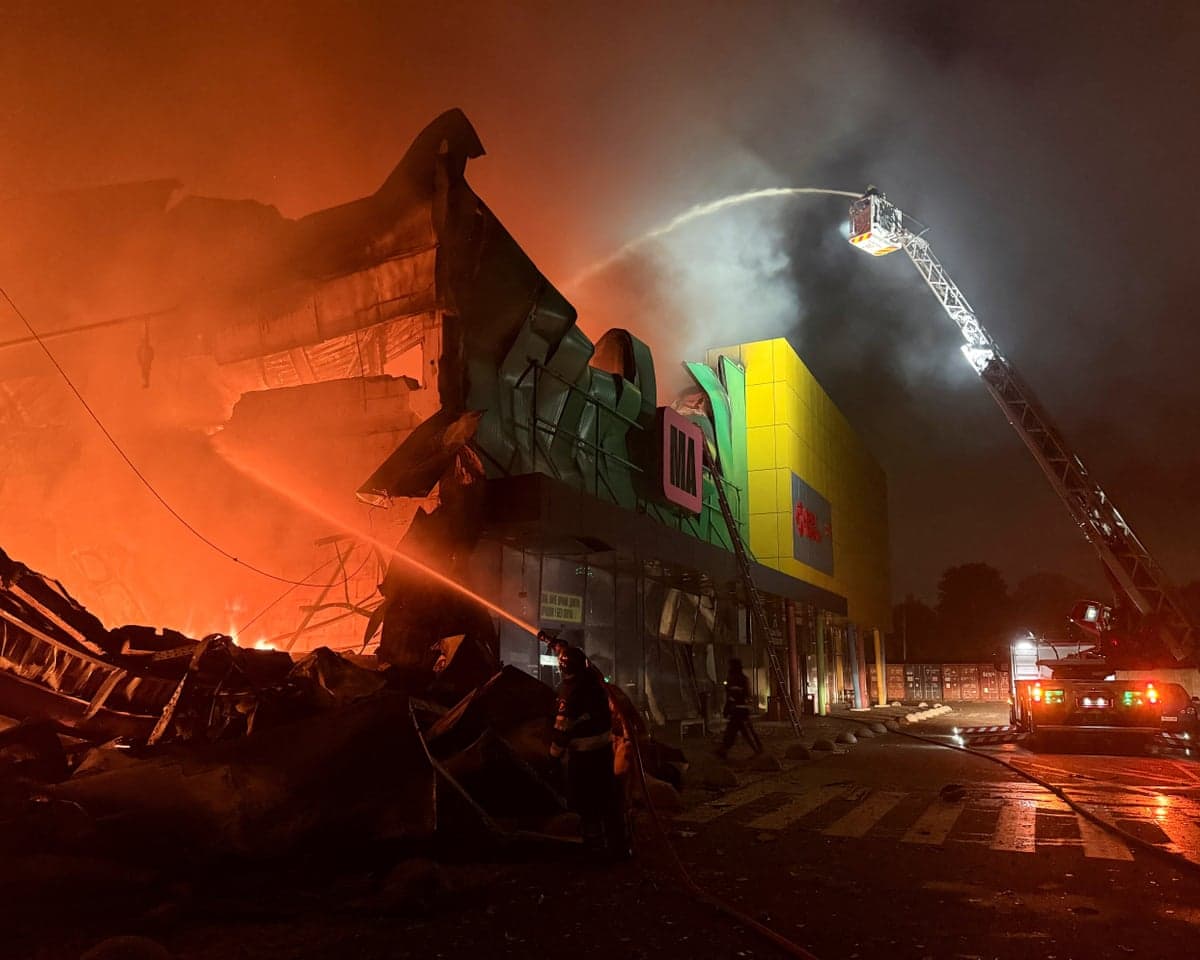
"if Ukraine burns, your Moscow will burn."The Russian capital was targeted by scores of drones overnight, with the city’s oil refinery hit for the second time this week, according to .
"We don’t want this war, we never did, and everyone knows it, and our partners know it,"Zelenskyy said in a voice message sent to reporters via a WhatsApp group, as quoted by .
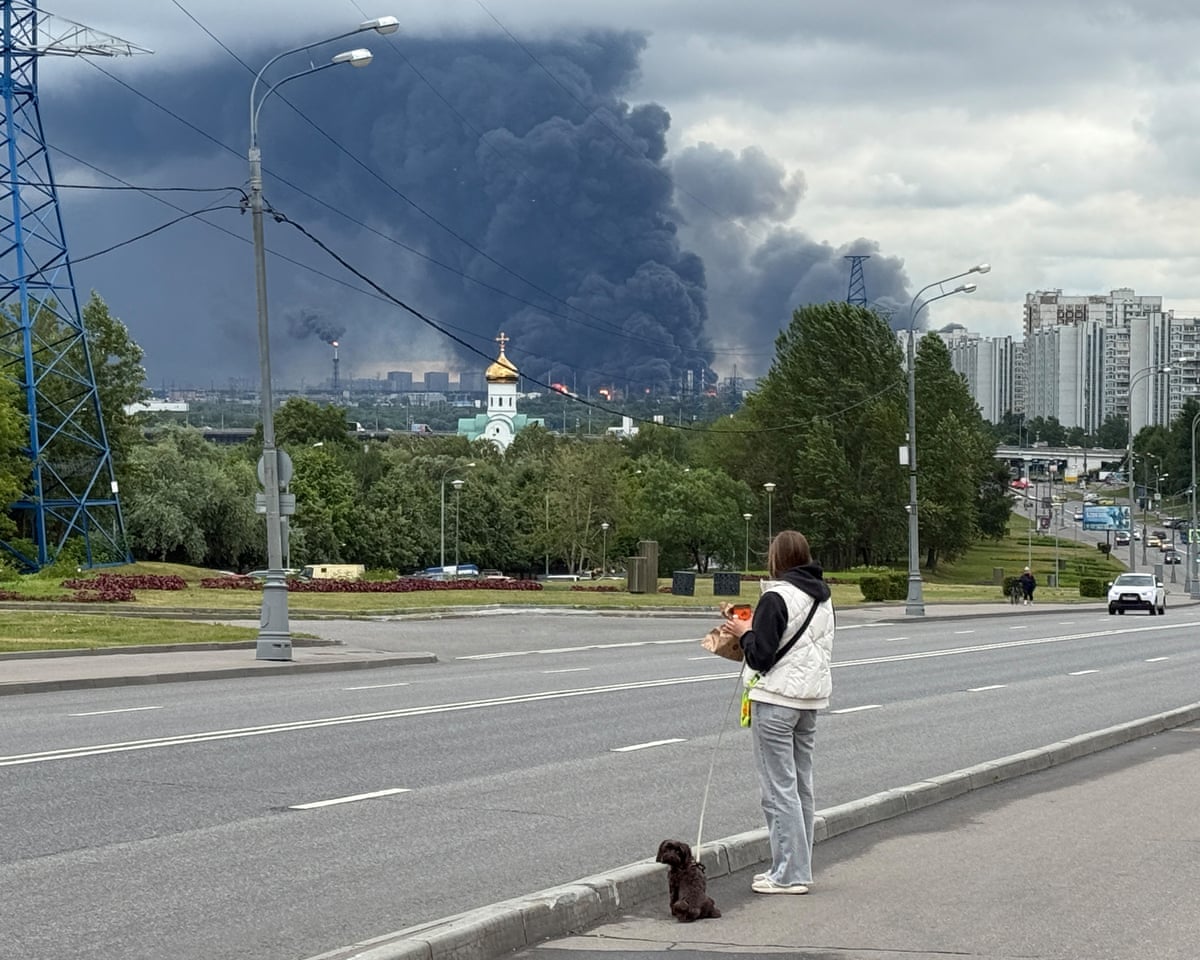
Zelenskyy also called on the European Union and the United States to increase pressure on Russia through sanctions targeting Russia’s defence and energy sectors as well as its broader economy. The aim is to compel President Vladimir Putin to end the war.
Nato in 'some rough water' as it faces 'biggest transformation in history,' Rutte says
Following the strikes, attention also turned to Nato’s internal dynamics. Dutch Prime Minister Mark Rutte addressed questions regarding recent comments by Fox News host Pete Hegseth, who suggested the US could reduce its financial contributions if other allies fail to meet their targets.
Rutte declined to comment on every statement made by allies, saying,
"I’m not going to comment on everything that has been said."He emphasized that while some countries still need to increase their efforts, others such as Poland and the Baltic states are
"really ahead."
On Hegseth’s earlier description of Nato as a "paper tiger," Rutte reiterated his reluctance to comment on every ally’s remarks, stating,
"I never do that."
Rutte further discussed Nato’s ongoing transformation, describing it as
"probably the biggest transformation in its history."He acknowledged the process involves challenges, saying,
"Obviously that means also there are some rough waters, it is a rocky phase. You will have these debates, these discussions, and that’s good."
When asked about the possibility of a significantly reduced US presence following a planned review and whether countries might face consequences for their positions on Iran, Rutte avoided direct answers. He described the US review as
"a structured process somewhere over the next six months."
Regarding changes to the Nato Force Model, which governs the alliance’s readiness force, Rutte declined to confirm details, citing security concerns to avoid informing Russia. He explained that the adjustments aim to make plans
"more realistic and therefore stronger, because there was an overreliance on the US."
'Ukraine is changing dynamic on battlefield,' Rutte says
Rutte highlighted the upcoming Defence Contact Group meeting, which Ukraine’s Zelenskyy will join. He stated,
"Ukraine is changing the dynamic on the battlefield and inflicting usual huge losses on Russia, but it can only keep doing this if we step up our support."
He praised progress made so far, noting that more allies are confirming plans to meet the increased defence spending target of 5% of GDP by 2035.
"Some allies will already get there this year, way ahead of schedule,"he said.
However, Rutte cautioned that
"cash is crucial, you cannot stop a missile or a tank with a dollar or a euro."He stressed the need to convert financial resources into combat-ready capabilities swiftly.
Looking ahead to the Ankara summit next month, Rutte said the priority is to secure more forces, resources, and a stronger industrial base. He noted the US’s strong commitment to Nato and the necessity for a
"more equitable distribution of labour"within the alliance.
Rutte acknowledged the US decision to review its troop presence and stated there is broad agreement among allies to
"step up as the US adjusts its pledges to the Nato Force Model."
Nato's Rutte speaks to media after alliance's meeting in Brussels
Following the Nato ministerial meeting in Brussels, Rutte was expected to address the media, including questions about Hegseth’s comments. His press conference was anticipated to provide further insights into the alliance’s stance.
Meanwhile, local authorities in Moscow reported that the supply of petroleum products and the operation of petrol stations in the city are
"proceeding as normal"despite the major Ukrainian drone attack, according to .
Separately, Kremlin aide Yuri Ushakov was quoted by Interfax stating that the recent strikes have set back the prospects for any direct talks between Russia’s President Putin and Ukraine’s President Zelenskyy.