Discovery of a WW2 Soldier's Silver Cigarette Case
A silver cigarette case belonging to a World War Two soldier has been discovered by a metal detectorist 82 years and 370 miles away from the location where the soldier died.
Stan Drew, a soldier from Penarth, Vale of Glamorgan, was killed on the Normandy beaches on 24 July 1944, several months after D-Day.
Last month, the cigarette case was found in a field by a metal detectorist in Bergeijk, a municipality in the Netherlands.
Metal Detectorist’s Efforts to Trace the Case’s History
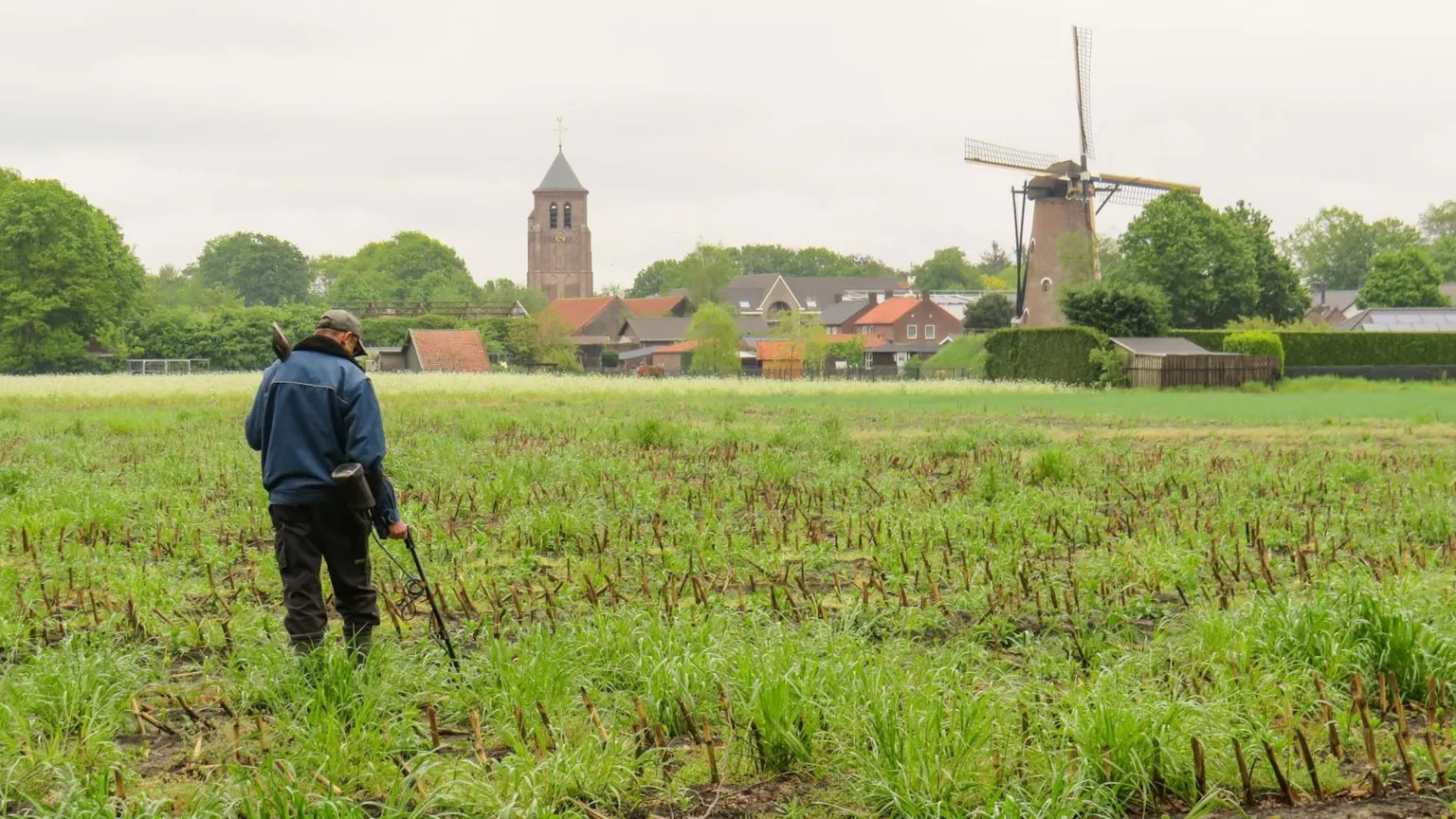
Filip Krapels, the metal detectorist who made the discovery, is now seeking to uncover the story behind the case and return it to Stan Drew's descendants in Wales.
"I've never discovered anything like this before - it's always worth going back to check areas you've already scanned, because each time the farmer ploughs a field, even more new stuff is raised to the surface."
Filip resides in Bergeijk, located in the south of the Netherlands near the Belgian border, and has been an enthusiast of metal detecting for over 35 years.
Details of the Cigarette Case
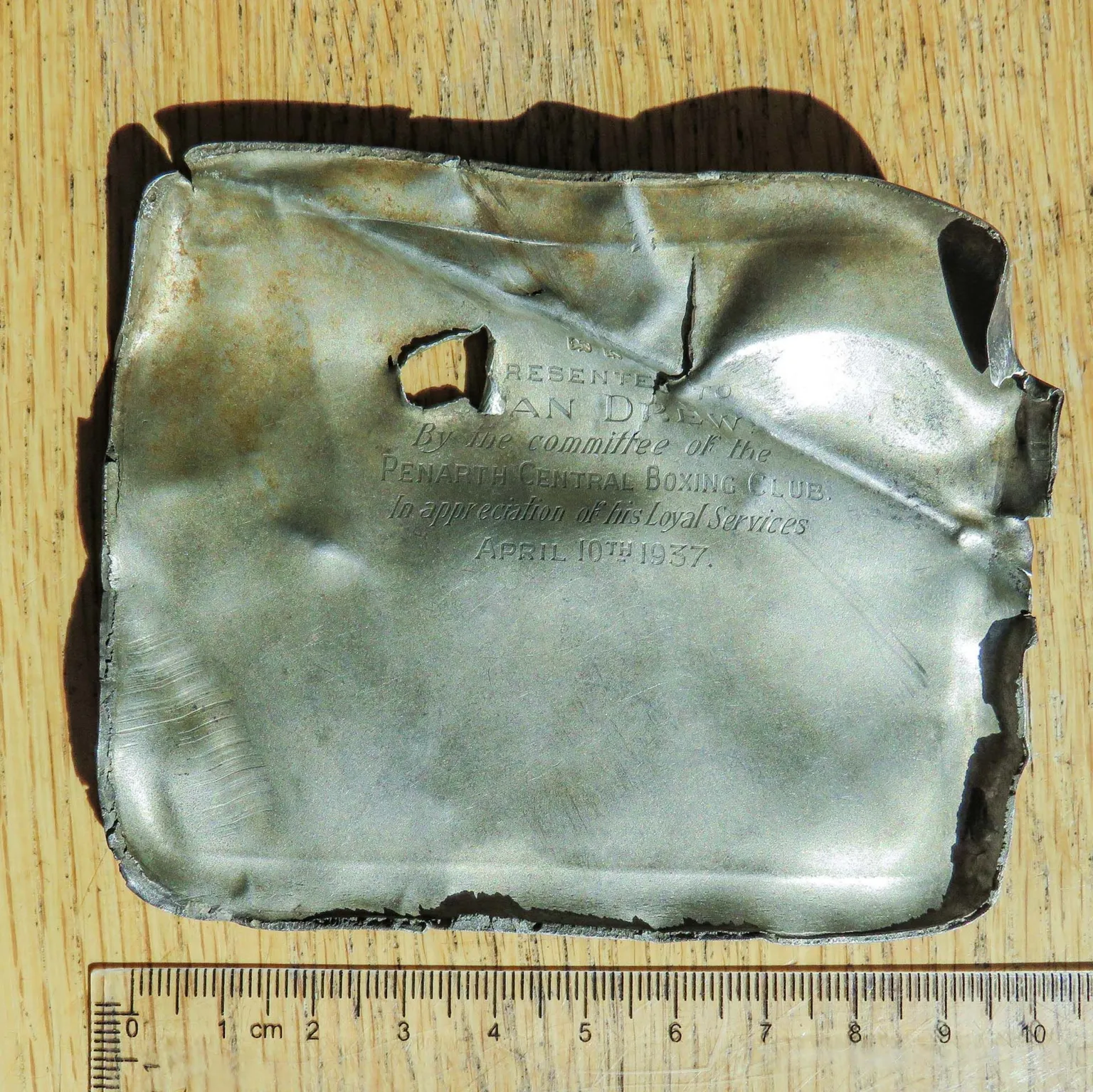
The cigarette case is badly damaged but bears several hallmarks: an anchor symbol representing the Birmingham assay office, a lion passant indicating it is 92.5% sterling silver, and a lowercase gothic letter "k" showing it was manufactured in 1934.
The inscription, though barely legible, reads: "Presented to Stan Drew by the committee of the Penarth Central Boxing Club, in appreciation of his loyal service, April 10th 1937."
Filip explained that the damage initially misled him.
"The lid has been mangled by decades of farm machinery, and there's a hole which I think must have been caused by a bullet - it's certainly too forceful and neat to have been created by a plough."
At first, Filip thought the inscription read "Ian Drew," but no soldier by that name was found. The letter sizing suggested a capital letter was missing at the start of the name.
With only "an Drew" visible, Filip researched boxing and military records to uncover the true identity.

Stan Drew’s Background and Military Service
Stan Drew was an infantryman with the 5th Battalion of the 1st Welsh Regiment.
Born on 27 November 1912, he was the seventh of twelve children to Samuel and Frances Drew. He helped manage the family’s general store.
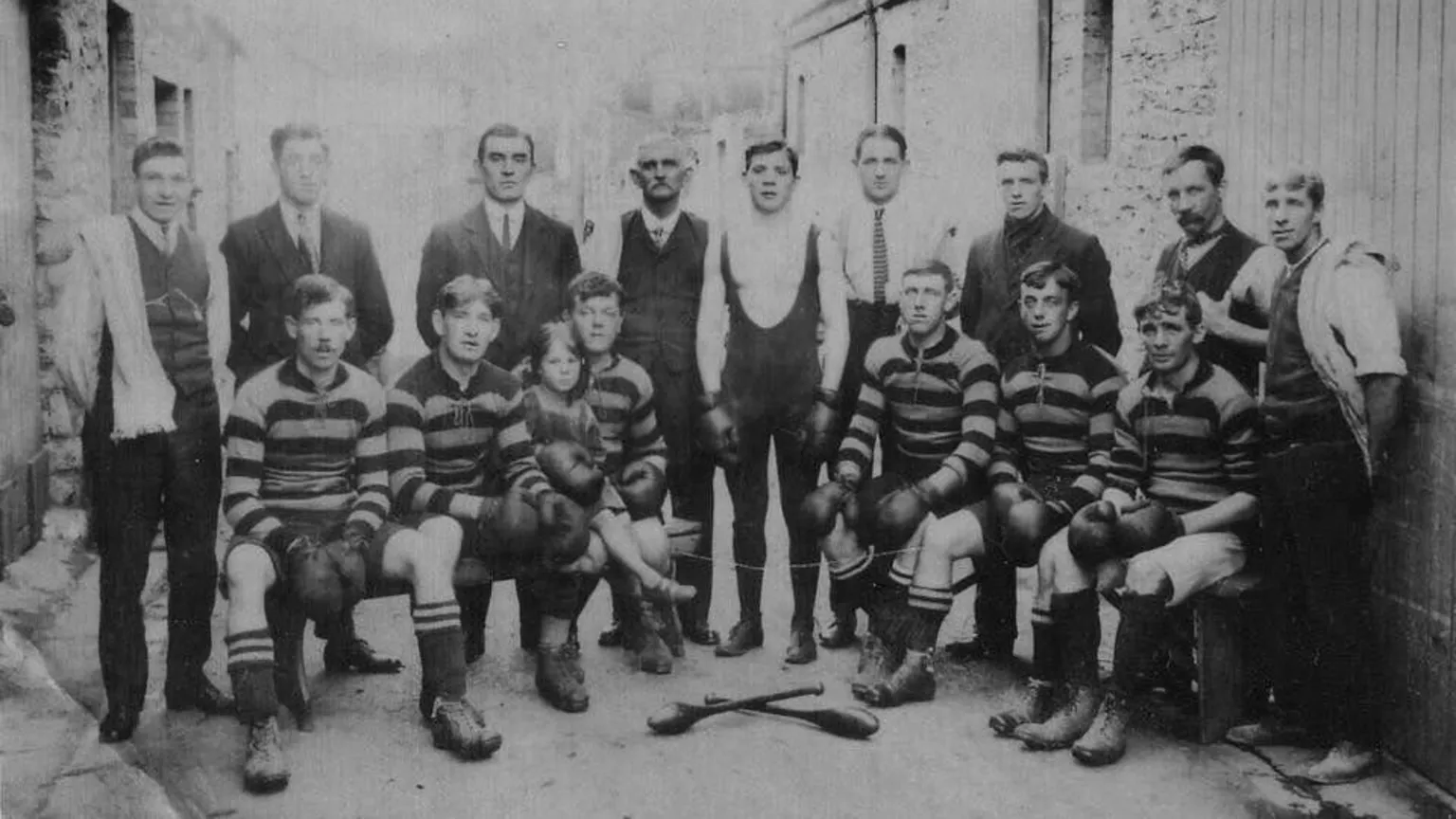
Between 1935 and 1937, Stan enjoyed a successful amateur boxing career as a lightweight at the Penarth club founded by his brother Bert, which aimed to assist World War One veterans suffering from Post-Traumatic Stress Disorder, then known as shell shock.
Stan had four brothers who also served in World War Two, one of whom lost a leg.
He is commemorated at the Bayeux Memorial in France and at St Augustine's Church in his hometown.
Although his body was never recovered, the time and place of his death near Bayeux are confirmed.
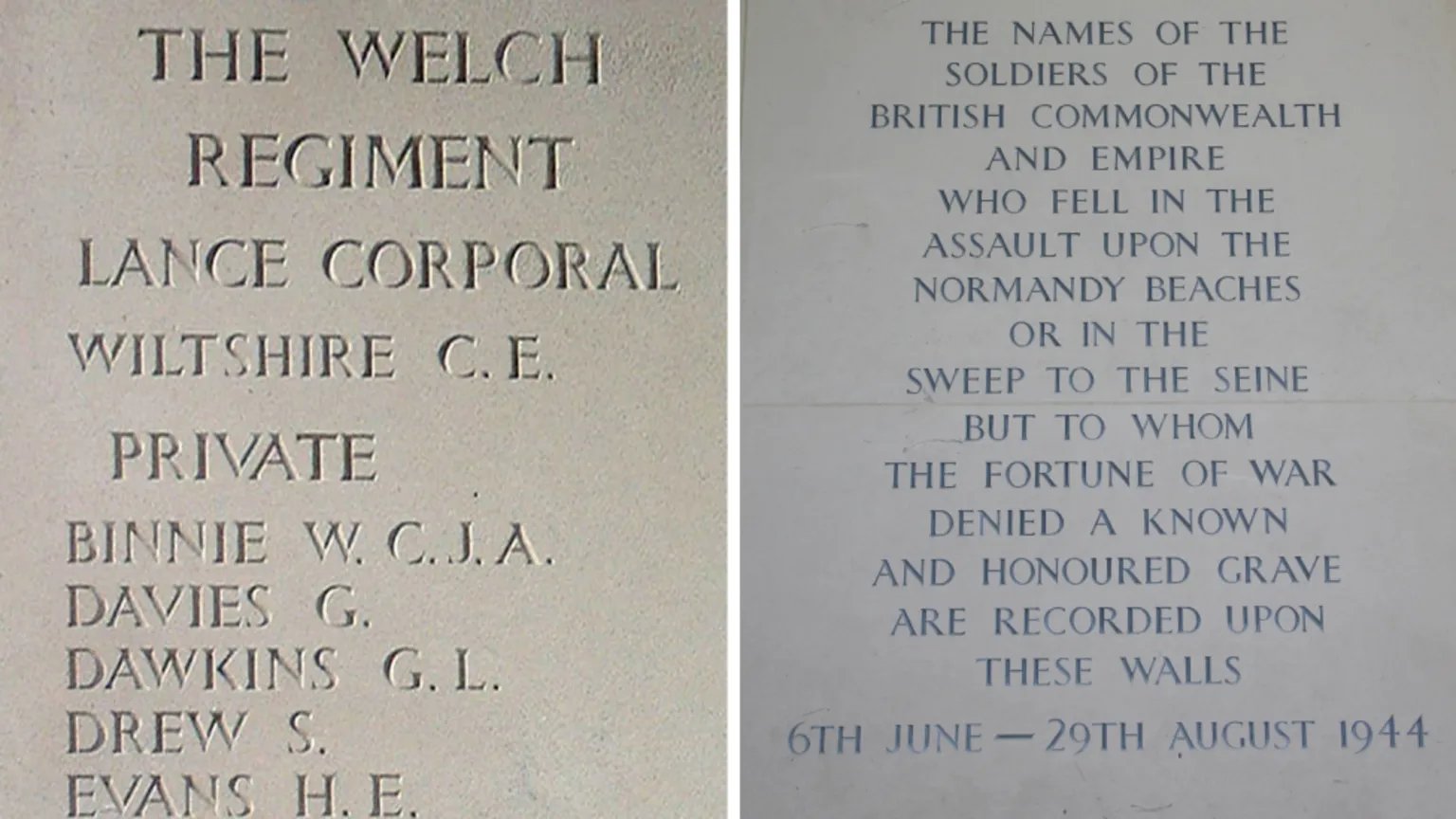
Tracing the Cigarette Case’s Journey to the Netherlands
Questions remain about how the cigarette case traveled 370 miles (600 km) from Normandy to the Netherlands.
"After breaking out of Normandy, I've learnt that the 1/5th fought their way north through France and into Belgium and the Netherlands.
"They liberated our regional capital Den Bosch, on their way to Eindhoven and then in the direction of Arnhem in October and November 1944.
"I think that one of Stan's comrades must have picked it up and carried it with them all the way.
"It proves that not only was it very important to Stan, but also that it was something which his friends must have wanted to return to Stan's family after his death."
Filip noted that the field where the case was found was not a site of intense fighting, suggesting the battalion may have rested there overnight and lost the case in a hurried departure.
He also found a cap badge approximately 2 km away bearing the inscription "Ich Dien." Initially assuming it was German, Filip, who speaks German, later realized it was the motto of the Welsh Regiment.
Ongoing Efforts to Return the Case
Filip has contacted the Penarth community but has not yet uncovered additional information. He remains committed to returning the cigarette case to Stan Drew’s family.
"For Stan's sake, but also for the men who believed this case was important enough to take with them, I simply must return it to its rightful home and complete the job that they had obviously intended to do themselves.
"It's not good enough to put it in the post. I was given this mission and until I can return it directly into the hands of Stan's family, it won't be over for me."