

Ukraine's AI Drone Campaign Targets Russian Supply Lines
The Ukrainian military has intensified efforts to disrupt Russian supply convoys along vital routes in occupied Ukraine by deploying advanced AI drone technology, according to experts.
BBC Verify has authenticated footage from at least 14 incidents in the past week showing vehicles transporting food, fuel, and ammunition being struck along critical corridors linking Russia to Crimea and other occupied southern Ukrainian territories.

Shifts in Territorial Control and Strategic Impact
Analysis from the Institute for the Study of War (ISW) indicates that Ukraine is beginning to regain more territory than it loses for the first time since 2023. Despite over four years of conflict and expanded Russian occupation in eastern and southern Ukraine, neither side has made significant territorial gains in recent months.
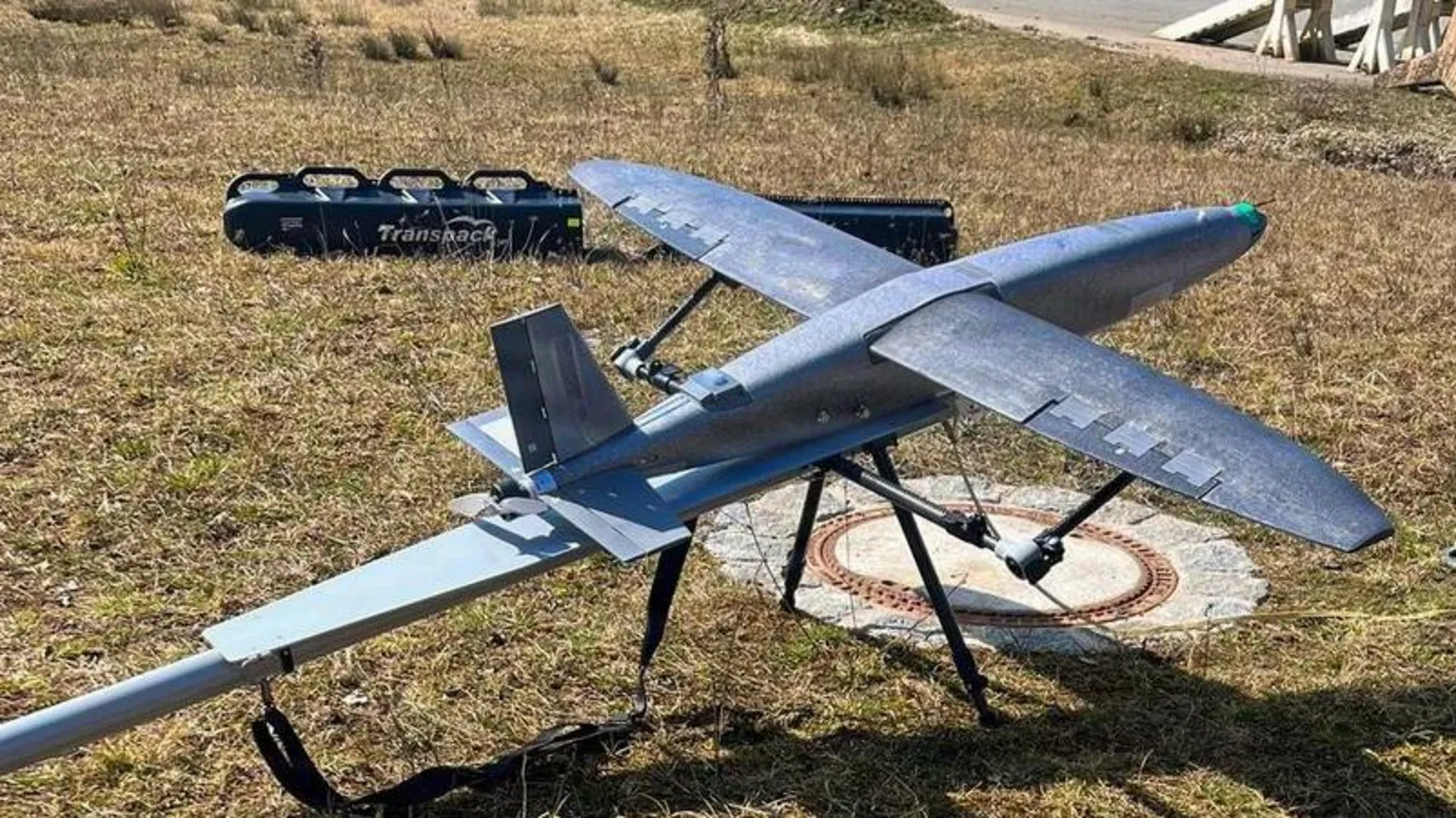
Experts highlight that advancements in drone technology, such as the AI-enabled Hornet system, have enhanced Ukraine's capability to strike Russian targets en route to the front lines from greater distances with improved precision.
Ukraine's Logistics Lockdown Strategy
Ukraine's Defence Minister, Mykhailo Fedorov, stated on Wednesday that the "logistics lockdown" approach aims to
"increase pressure on the Russian military in the rear and deny the enemy the ability to conduct sustained offensive operations".
BBC Verify and GeoConfirmed open-source analysts have reviewed footage depicting burned-out container lorries and other military vehicles at multiple points along a key southern Ukrainian route.
Key Routes Under Attack
At least 10 incidents were documented between Russia's border and the occupied city of Mariupol, with an additional strike recorded southwest of Melitopol. This route is essential for Russian military logistics supplying front-line forces and Crimea.
Clément Molin, an analyst at think tank Atum Mundi, told BBC Verify he confirmed the destruction of approximately 150 vehicles located more than 20km (12 miles) from the front line, noting this likely represents about half of all such incidents.
Cristian Vlas from conflict monitoring group Acled explained that these strikes have compelled Russia to shorten convoys on supply routes as a
"quick coping mechanism to reduce potential damage".
He added that Ukraine's primary goal is not only to target assets
"important to Russia's image of grand power"but also to disrupt key logistical convoys, command posts, and communication towers that
"feed, fuel, and inform Russian units at the front line and form the basis for capacity to fight in the battlefield and launch long-range drone and missile strikes from occupied territories".
Expert Insights on Supply Disruption
Robert Tollast, a land warfare expert at the Royal United Service Institute, informed BBC Verify that some Russian brigades require up to 1,000 tonnes of fuel, food, ammunition, and other supplies daily. He noted that while Ukraine previously conducted long-range strikes against Russian air defence units, the extended range of current drone strikes
"are something else".

"If you are cutting resupply, for example ammunition trucks 100km or more from the front using small drones, and then longer-range drones are going after larger logistical sites, this is a very serious problem for the Russians,"Tollast said.
Capabilities of Ukraine's Hornet Drones
Ukraine's Hornet drones feature an AI-targeting system trained on thousands of hours of video footage of Russian military targets collected over the past four years, according to Nick Brown, a weapons expert at defence intelligence firm Janes.
These drones can connect to operators over extended distances via the Starlink satellite network, which also provides enhanced resistance to Russian jamming efforts.
"Ukraine can launch hundreds of these loitering munitions towards a rough target area over 100 miles away and then use AI to detail them on to Russian military targets as they find them,"Brown explained.
Strategic Implications and Future Outlook
George Barros from the Institute for the Study of War (ISW) stated that Ukraine's innovative use of technology indicates the conflict is not a stalemate. Kyiv is employing mechanised equipment in tactical manoeuvres that were not feasible 12 months ago.
"Russia's ability to conduct infiltration missions will likely continue to degrade as Ukraine's intermediate-range strike campaign pushes Russia's logistics and forward operating bases further away from the front lines, reducing resourcing to sustain infantry tasked with infiltration missions,"Barros said.
The 412th Nemesis Brigade, a specialist Ukrainian drone unit, reported this week that Russian commanders have restricted heavy equipment movements in southern Ukraine and are attempting to evade drone detection by using fields and dirt roads.
Additionally, Vladimir Saldo, the Russian-appointed leader of the occupied Kherson region, has imposed restrictions on civilian traffic along the supply route.
Barros noted that Ukraine's
"drone superiority"has neutralised Russia's attempts to gain advantage by deploying large numbers of troops to the front line but cautioned that this advantage might be temporary.
"Russia will very likely eventually develop countermeasures so Ukraine's international partners have a rare and temporary opportunity to exploit favourable battlefield dynamics while Ukraine has the upper hand."
Additional reporting by Kayleen Devlin, Joshua Cheetham, and Sherie Ryder. Graphics by Tom Shiel.


