

Spain Restricts US Military Airspace Access Amid Iran Conflict
Spain has officially closed its airspace to United States military aircraft involved in operations against Iran, according to Madrid's Defence Minister Margarita Robles.
"We will not authorise the use of Morón and Rota [military bases] for any acts related to the war in Iran,"
Robles stated, emphasizing that Spain communicated this position to the American government from the outset.
Foreign Affairs Minister José Manuel Albares explained that the decision aims to avoid any actions that might contribute to escalating the conflict.
"The aim is to not do anything that could encourage an escalation in this war,"
he said.
A White House official responded to the BBC, asserting that the US military is "meeting or surpassing all of its goals under Operation Epic Fury and does not need help from Spain or anyone else."
US President Donald Trump had previously threatened to impose a comprehensive trade embargo on Spain due to its opposition to the war in Iran.
Spain's Political Stance and Military Base Restrictions
Since the conflict began in late February, Spanish Prime Minister Pedro Sánchez has been among the most outspoken critics of the US and Israeli military actions against Iran, labeling them as "reckless" and "illegal."
Earlier in March, Sánchez confirmed that Spain denied the US permission to use the two jointly operated military bases at Rota and Morón, both located in Andalusia.

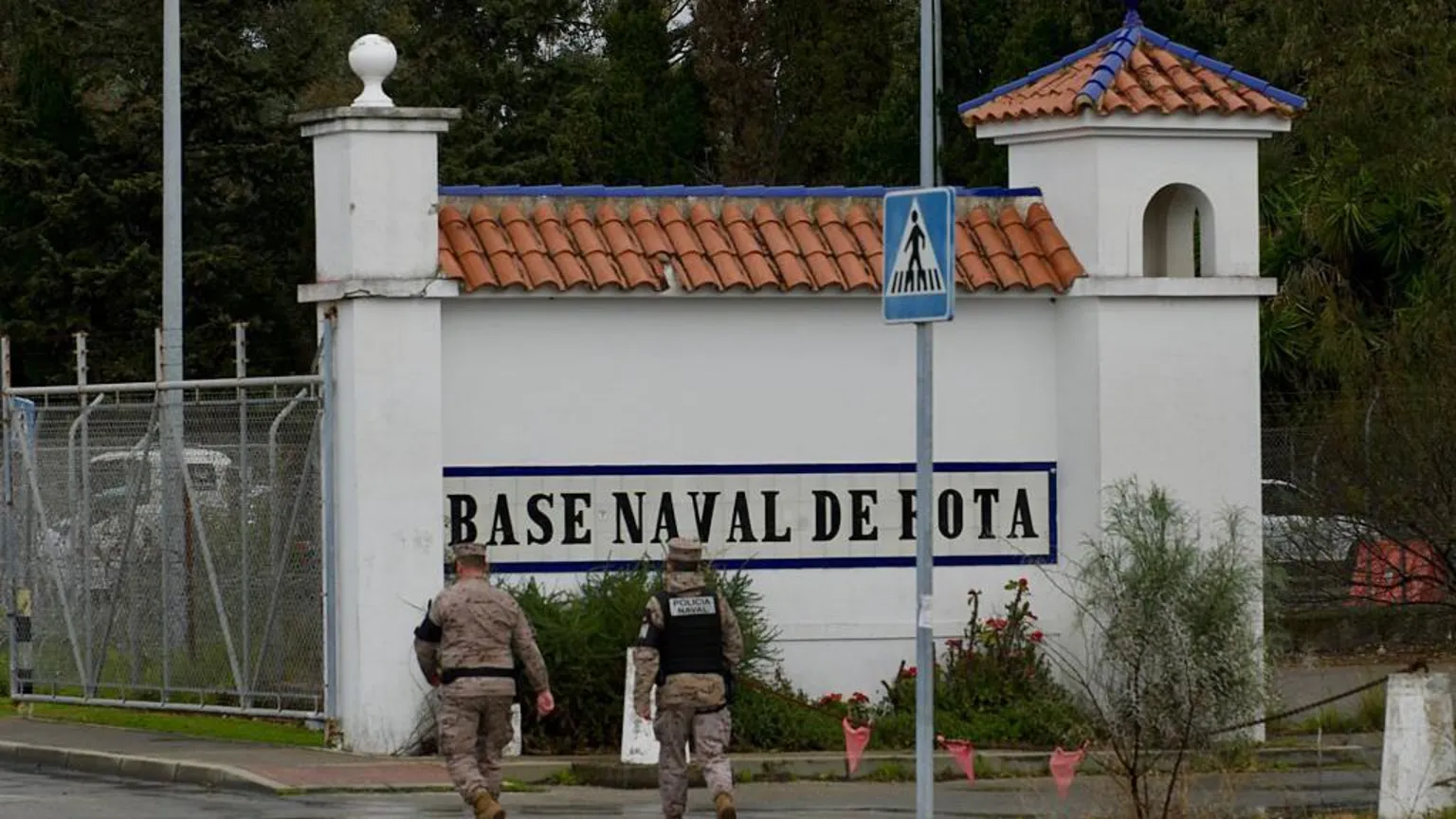
Last Wednesday, Sánchez further announced that all flight plans related to operations in Iran were rejected, including those for refuelling aircraft.
"All flight plans that involved actions related to the operation in Iran were rejected - every single one of them, including those of refuelling aircraft."
"We are a sovereign country that does not wish to take part in illegal wars,"
he added.
US Military Operations and Alternative Routes
Some US bombers participating in operations against Iran are stationed at RAF Fairford in Gloucestershire, UK, following Prime Minister Sir Keir Starmer's announcement on 1 March that the UK had granted the US request to use the base.
Aircraft departing from RAF Fairford will need to avoid much of the Iberian Peninsula, opting to fly over the eastern Atlantic or France instead.
Spanish newspaper El País reported that US aircraft would only be permitted to transit Spanish airspace or land at the bases in cases of emergency.
Spain's Broader Anti-War Position
In a televised address lasting ten minutes on 4 March, Prime Minister Sánchez reflected on the conflicts in Ukraine and Gaza, as well as the Iraq War over two decades ago, summarizing the Spanish government's stance as "no to war."
Iran's Response and Strategic Importance of the Strait of Hormuz
Later in March, the Iranian embassy in Spain indicated that Tehran would be receptive to Madrid's requests concerning transit through the Strait of Hormuz, citing Spain's commitment to international law.
Approximately 20% of the world's oil supply typically passes through this narrow waterway between Iran and the Arabian Peninsula's tip.
For several weeks, threats from Iranian drones, missiles, and potentially mines have effectively closed the strait, causing oil prices to surge.


