What's next for Romania after collapse of Bolojan's government? - analysis
Romania faces a potentially prolonged period of political negotiations following the successful no-confidence motion against the government.
The formation of a new government will involve consultations led by the president, the nomination of a prime minister, and a parliamentary confidence vote. This process could extend over several weeks or longer if a stable majority cannot be established. Meanwhile, the current government will continue in a caretaker capacity until a new administration is formed.
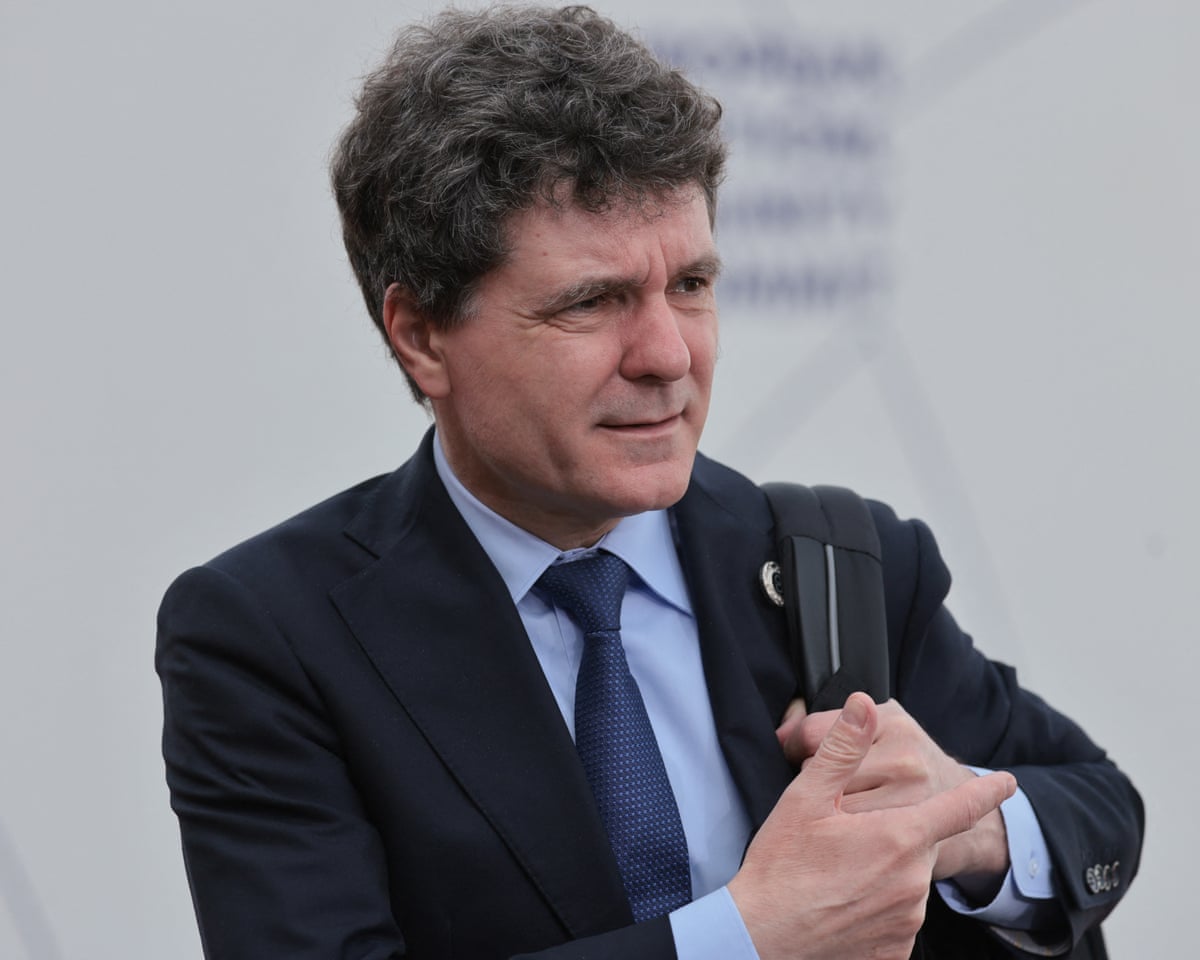
President Nicuşor Dan, who recently returned from the European Political Community summit in Yerevan, is set to begin consultations with political parties to appoint a new prime minister.
The prospects for a stable majority remain uncertain. The Social Democrats, the far-right Alliance for the Union of Romanians (AUR), non-affiliated MPs, and smaller parties have not indicated any readiness to collaborate on forming a coherent government despite having voted together to pass the motion.
President Dan has firmly stated that the far-right AUR will have no role in any future government and has reassured that Romania will maintain its pro-Western orientation.
The most likely outcome is the reconstruction of a coalition involving the existing pro-European parties—the National Liberal Party (PNL), Save Romania Union (USR), and the Democratic Alliance of Hungarians in Romania (UDMR)—either under a new Liberal prime minister or a technocratic figure appointed by Dan to hold the coalition together.
This scenario significantly limits coalition possibilities, especially as AUR, which allied with the Social Democrats to bring down the government, currently leads opinion polls with approximately 37% support.
The political instability has already impacted financial markets. Since the crisis began, the Romanian leu has depreciated against the euro, reaching a historic high of 5.21 lei.
Romania faces a critical deadline to complete EU-mandated reforms by August to unlock approximately €11.4 billion in recovery funds, many overseen by ministries now abandoned by the Social Democrats.
Ilie Bolojan departs as a polarizing prime minister. He managed to reduce the country's budget deficit from 9.3% to 7.9%, a notable achievement for a country with the largest fiscal gap in the European Union, though his austerity measures were unpopular.
His reform agenda focused heavily on cuts to education, culture, and social spending, alongside raising VAT, which disproportionately affected ordinary Romanians already burdened by high inflation.
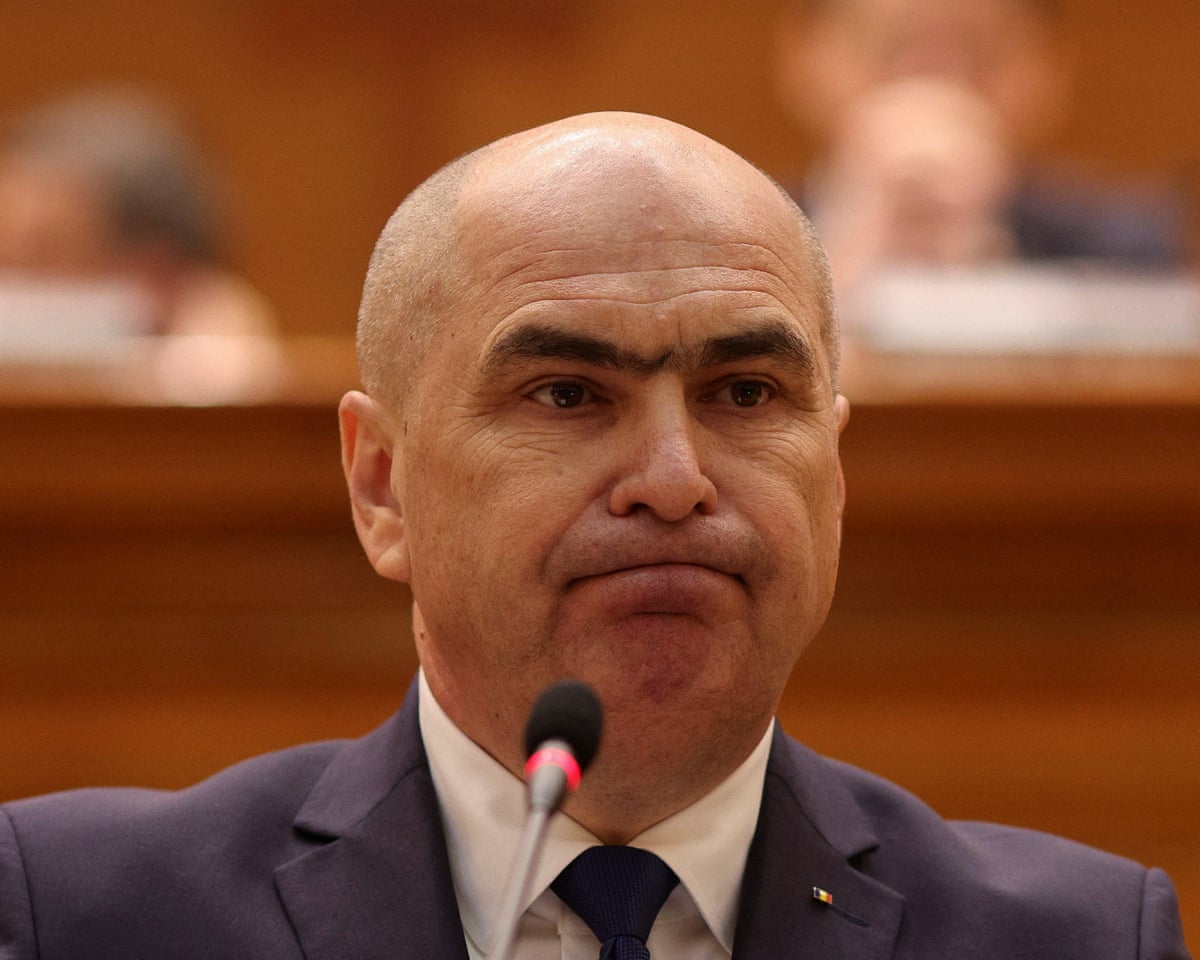
'With calm, we will get through this,' Romania's president Dan says amid government crisis
In an effort to calm the situation, President Dan highlighted existing agreements among mainstream parties.
He stated that his informal consultations would focus on forming a new administration and emphasized that Romania would continue to have a pro-Western government at the conclusion of the process.
Dan also ruled out the possibility of snap elections.
“With calm, we will get through this,”
In a brief statement, Dan described the moment as “not a happy moment” for Romania’s democracy but acknowledged it as a “democratic decision of the parliament.”
He called for calm, affirming that Romania remains a stable state with functioning institutions and a clear consensus on its pro-Western direction. Dan referenced key agreements between parties on deficit targets, EU funds, and SAFE funding.
He announced plans to start informal consultations on forming a new government before moving to formal talks about the next administration.
The president acknowledged public expectations regarding state functionality and anti-corruption efforts, which will inform his approach.
However, he explicitly dismissed early elections and assured that a new pro-Western government would be established promptly.
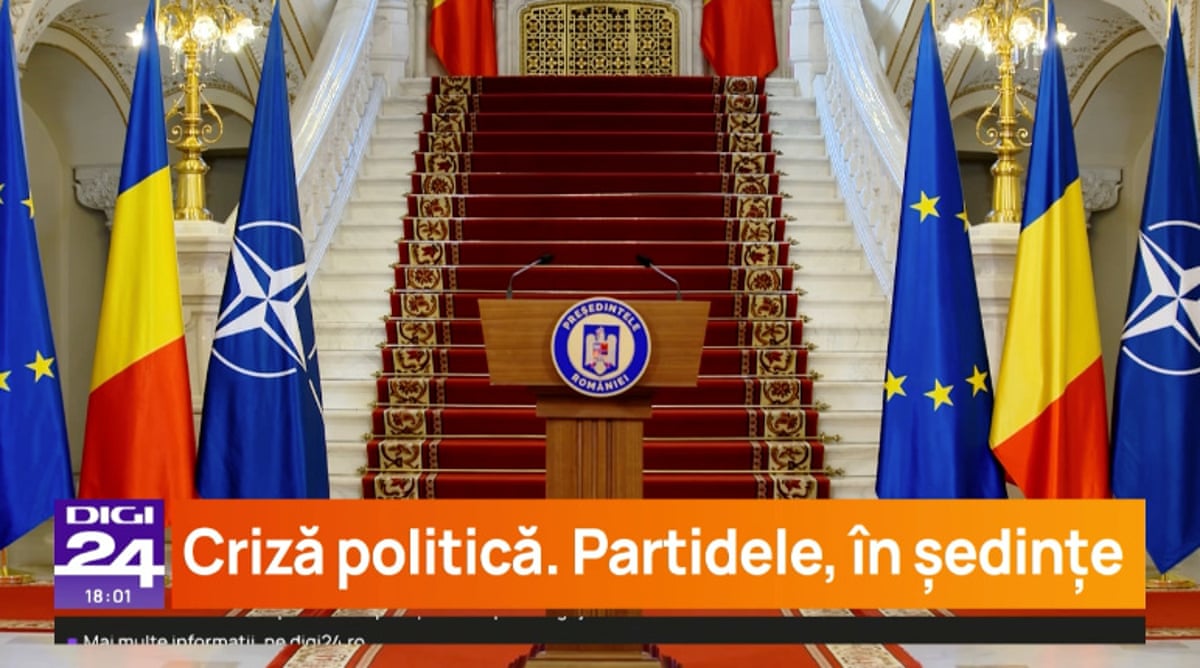
Romania's president Dan speaks amid government crisis
President Dan is currently addressing the nation.
Romanian-language coverage is available live, with key points being reported.
Romania has never previously held a snap election, so it remains uncertain whether one will occur.
Dan plays a central role in the government formation process, and his forthcoming statement is highly anticipated.
Following the vote, the Liberal Party (PNL) held an emergency meeting where members reaffirmed their opposition to any alliance with the Social Democrats in future negotiations, according to local media citing internal sources.
This decision revealed divisions within the party, as some senior figures had previously indicated openness to such a partnership.
The reformist Save Romania Union (USR) adopted a similar stance, passing a resolution refusing to negotiate any new governing arrangement including the Social Democrats.
USR leader Dominic Fritz stated the party is not afraid of snap elections and is open to either a minority government or returning to opposition.
Far-right Romanian leader celebrates government collapse
George Simion, leader of the far-right AUR party, celebrated the fall of the pro-European government.
AUR currently leads in polls with 35-37% support among Romanians.
Simion narrowly lost last year’s presidential election to pro-European Nicușor Dan.
“The Bolojan government has just been ousted by the Romanian Parliament. An end to ten months during which the so-called pro-Europeans have delivered nothing but: taxes, war, and poverty. The voice of the people was heard today. Time for national reconciliation!”
Ukraine offers drone defence expertise to Bahrain amid regional tensions
Ukrainian President Volodymyr Zelenskyy reported discussing Iran’s airstrikes against Bahrain and the Strait of Hormuz during a meeting with Bahrain’s King Hamad bin Isa Al Khalifa.
“Our country is facing similar terrorist strikes almost every day, and our people have relevant experience in full-scale defence,”Zelenskyy wrote on X.
“Ukraine is ready to security expertise with Bahrain and help strengthen the protection of life.”
He proposed signing a drone deal and expanding cooperation with Bahrain, with teams from both countries set to work out details.
After over four years of conflict, Ukraine has developed advanced drone interceptor expertise and air defence technology.

Since the US and Israel launched their campaign against Iran on 28 February, Ukraine has offered drones and know-how to several Middle Eastern countries affected by Iranian drone attacks.
Ukraine has signed deals with Saudi Arabia, the UAE, and Qatar, seeking in exchange high-end air-defence missiles to counter Russian attacks.
More details are available in ’s live blog covering the Middle East crisis.
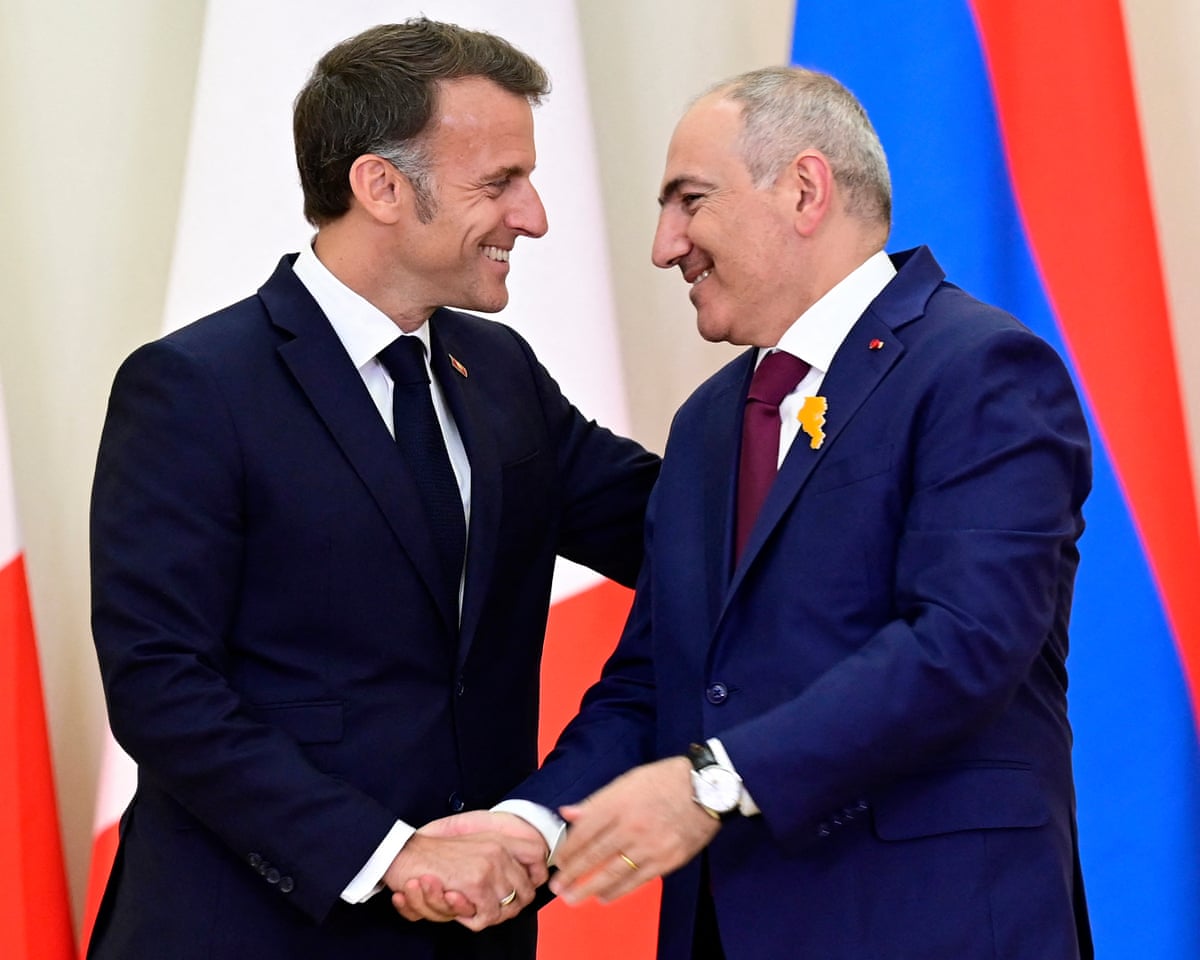
Macron backs Armenia’s pro-Europe PM as re-election campaign draws to close
Romania’s President Dan left the EU-Armenia summit in Yerevan early to address the political crisis at home.
However, the Yerevan summit and a state visit by French President Emmanuel Macron remain significant political events, with Europe supporting Armenia’s pro-European leadership in a critical contest against Russian influence ahead of next month’s parliamentary election.
Our diplomatic editor Patrick Wintour, reporting from Yerevan, notes:
“Emmanuel Macron has made an unabashed pre-election pitch on behalf of Armenia’s prime minister, Nikol Pashinyan, saying the country’s destiny lay with Europe.
The French president also accused Russia of abandoning Armenia after the 2020 Nagorno-Karabakh war that led to Azerbaijan displacing tens of thousands of Armenians.
Pashinyan, who – unlike the leaders of neighbouring Georgia – is increasingly open about his determination to side with Europe, faces a tough challenge to be re-elected next month. Three more pro-Russia or nationalist parties are trying to end his eight-year rule and accuse him of making too many concessions to Azerbaijan in an effort to win peace.
France has one of the largest Armenian expatriate communities in Europe, and Macron has long championed a European path for Yerevan.
It was with his encouragement that more than 40 European leaders gathered in Yerevan on Monday under the banner of the European Political Community, a body that brings together EU and non-EU countries. At the first summit between Armenia and EU on Tuesday morning, the bloc offered visa and trade liberalisation.”
Romania's president set to issue statement on next steps later today
President Dan is expected to issue a statement at 6pm local time (4pm UK).
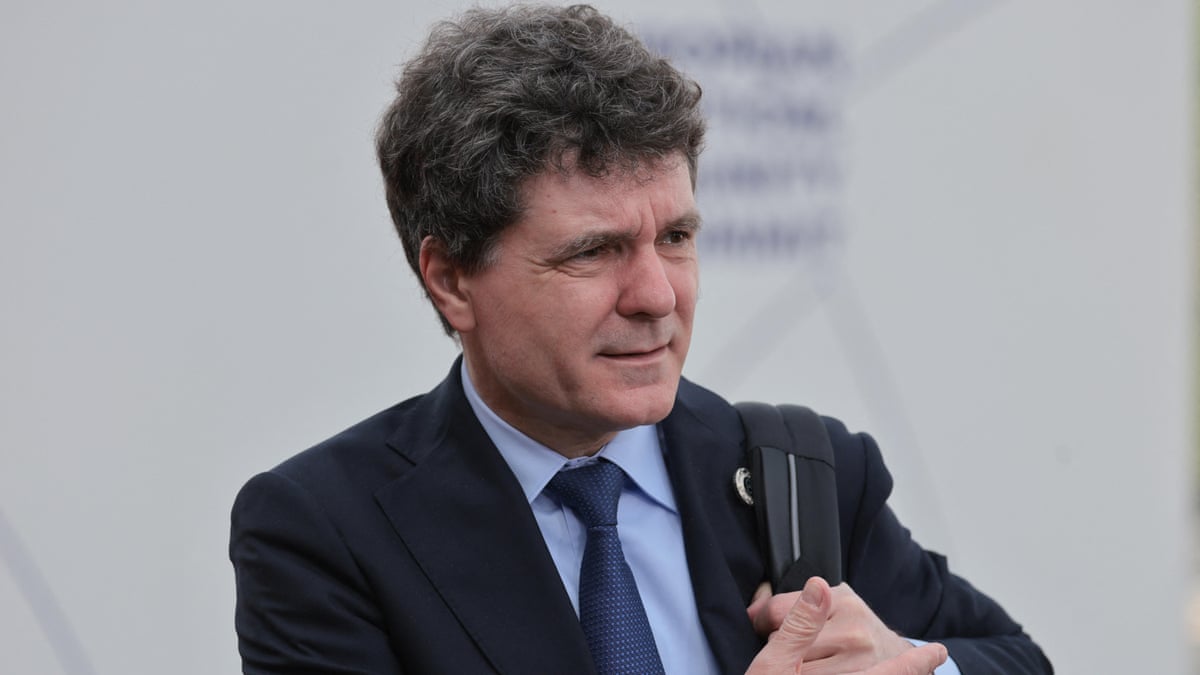
Sorin Grindeanu, leader of the Social Democrats, said he is keeping “all options open” and that his party wishes to preserve the coalition under a new prime minister, ruling out a technocrat head of government.
Liberal Party vice-president Cătălin Predoiu stated that his party should remain in government and did not exclude a coalition with the Social Democrats.
No obvious path for new government in Romania leaves country at risk of weeks of political limbo - snap analysis
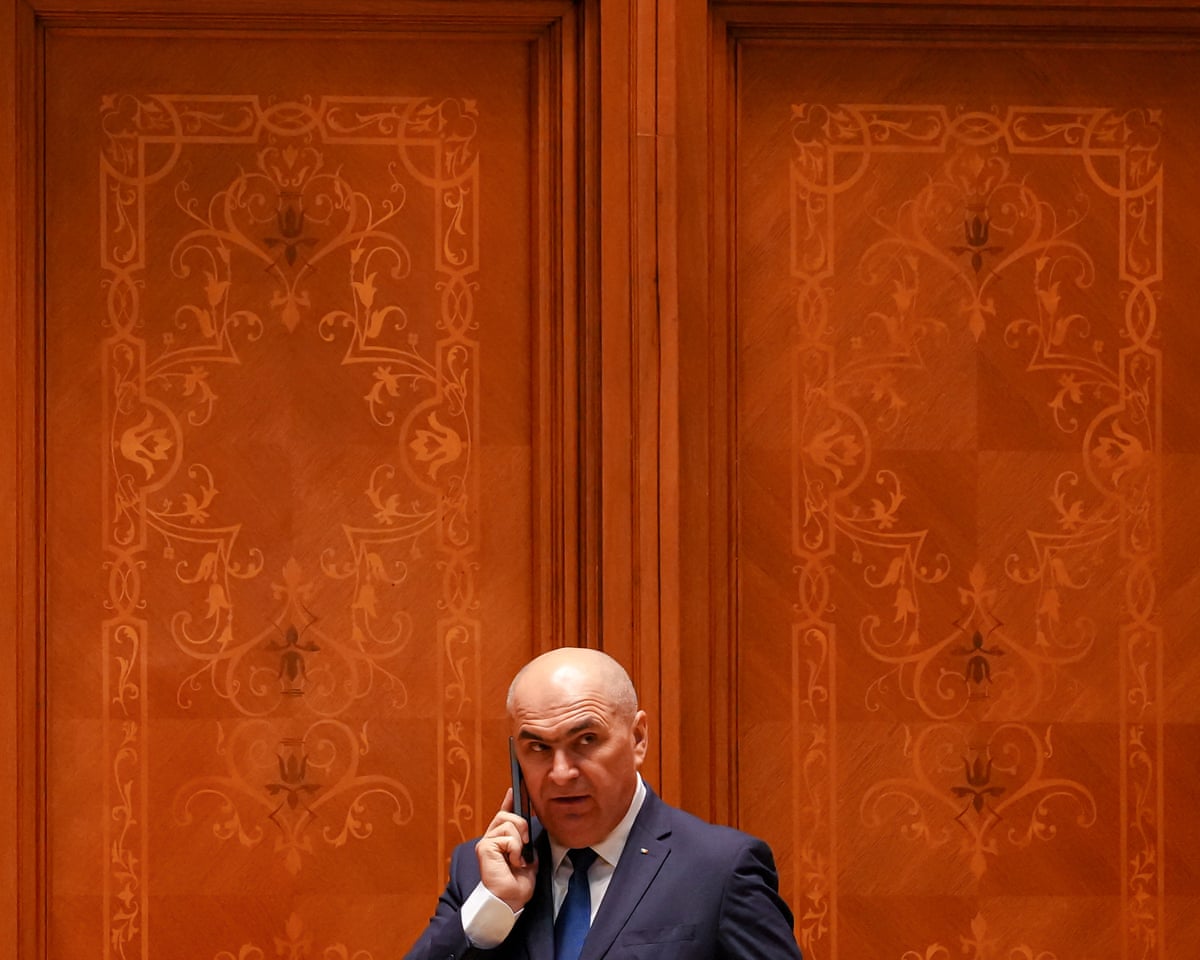
Before the vote, Bolojan warned lawmakers against passing the “cynical and artificial” motion, which he said “seems to be written by people who were not in government every day and did not participate in all the decisions,” according to AP.
“Can anyone say how Romania will function from tomorrow, do you have a plan?”
However, he failed to persuade the parliament.
The question of what comes next is complex, as no clear alternative majority or government formation appears feasible. The unlikely alliance that brought down Bolojan’s government—the Social Democrats and the far-right AUR—are reportedly reluctant to form a new administration together.
One option reportedly considered by the Social Democrats is to reshuffle the current coalition with a new prime minister, though it is unclear if other parties would support this.
Bolojan is expected to remain as interim prime minister with limited powers while President Dan convenes talks to determine the next steps.
These negotiations are anticipated to take several weeks.
Romanian government loses confidence of parliament
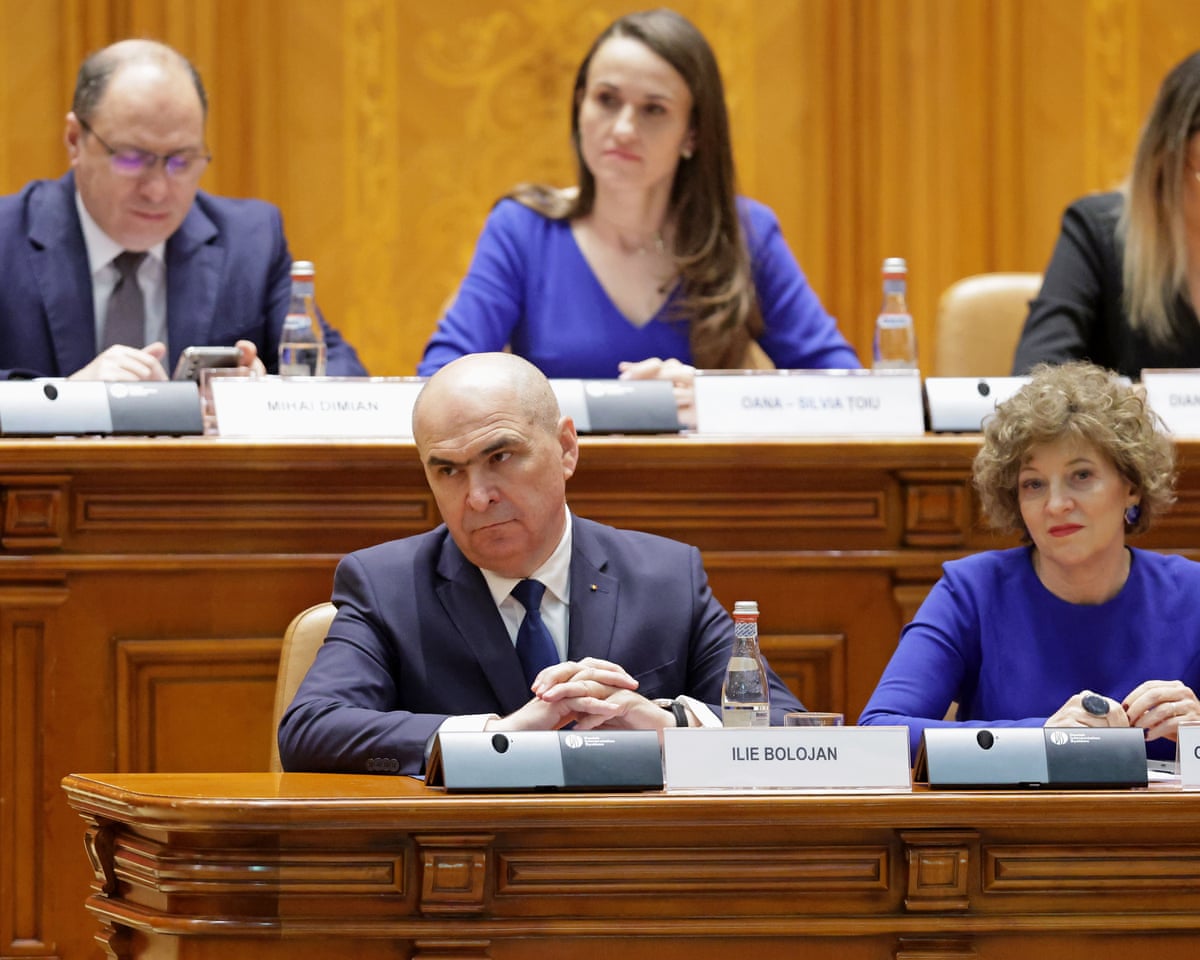
The no-confidence motion passed with 281 votes in favour, resulting in the loss of parliamentary confidence in Ilie Bolojan’s pro-EU coalition government.
The outcome was met with loud applause in the chamber.
Romanian media report that Prime Minister Bolojan has already left the parliament building.
Result of no confidence in Romania's PM expected imminently
The result of the no-confidence vote in Ilie Bolojan’s government was anticipated imminently.
Bolojan had led a minority government since late April after the Social Democrats, the largest party in parliament, withdrew from the coalition and allied with the far-right opposition to file the no-confidence motion, reported.
The motion was signed by 254 MPs, with 233 votes required for passage, so the government was expected to lose, triggering a search for a new majority and prime minister.
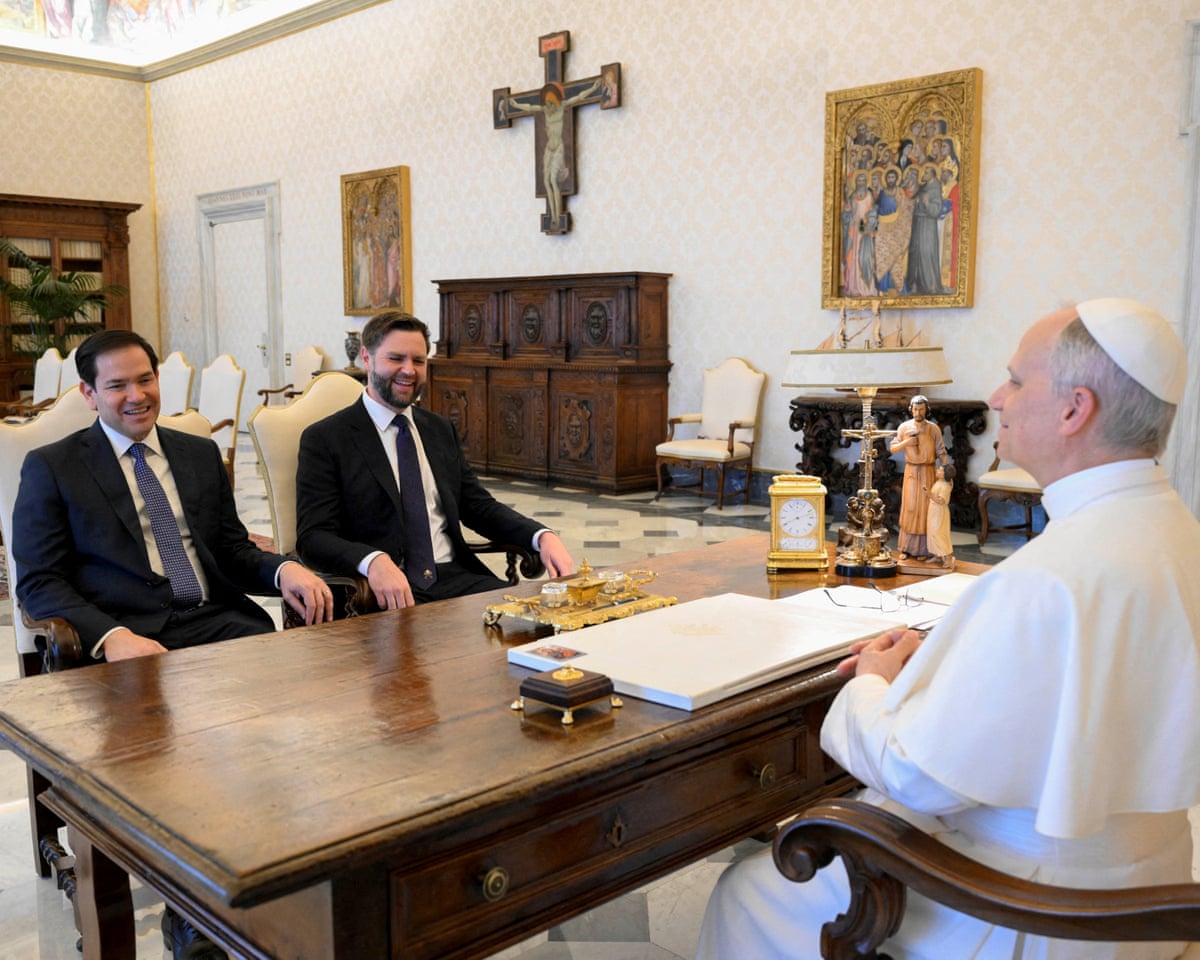
US Rubio to have 'frank conversation' with Pope Leo after public clash with Trump on Iran war
US Secretary of State Marco Rubio is expected to have a “frank” meeting with Pope Leo during a Vatican visit this week, according to the US ambassador, following President Donald Trump’s public criticism of the pope over the US war in Iran.
Brian Burch, US ambassador to the Holy See, told journalists:
“Nations have disagreements, and I think one of the ways that you work through those is ... through fraternity and authentic dialogue.”
“I think the secretary is coming here in that spirit,”Burch added.
“To have a frank conversation about US policy, to engage in dialogue.”
noted that Trump has repeatedly criticized the first US-born pope in recent weeks, provoking backlash from Christian leaders across the political spectrum.
Rubio and Vice President JD Vance are both Catholic and met Pope Leo a year ago after attending his inaugural mass, which was the Trump administration’s only known cabinet-level meeting with the pope, reported.
Russia limits mobile internet amid fears of Ukraine strikes on Victory Parade
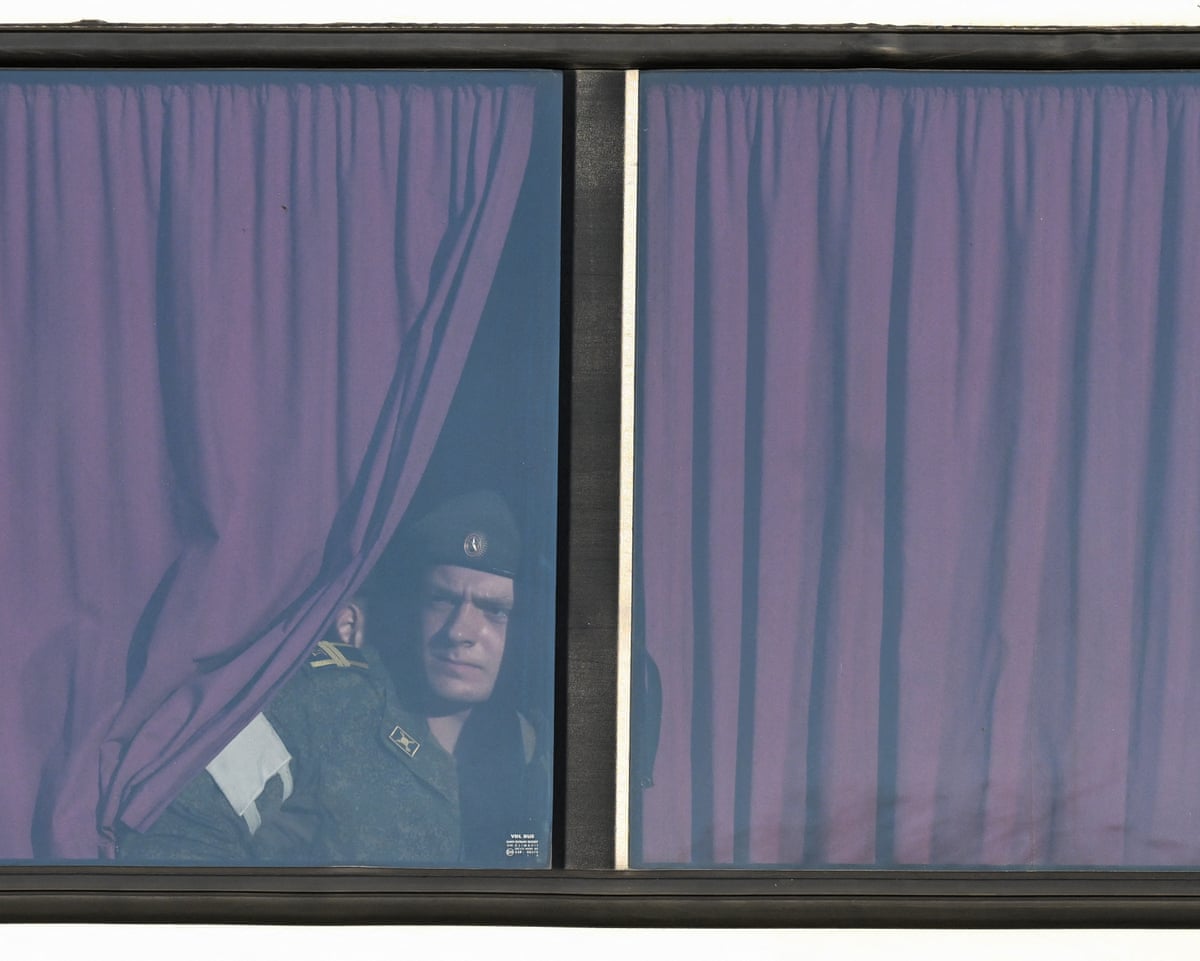
In Russia, mobile internet services have been restricted for many customers in Moscow as part of security preparations for the 9 May Victory Parade amid concerns about potential Ukrainian attacks.
The Kremlin stated that these measures were introduced to ensure security amid heightened risks of Ukrainian drone strikes, though they have complicated payments, navigation, and communication for many Russians, reported.
Russian mobile operators warned of possible mobile internet disruptions due to security measures over the coming days. Sberbank, Russia’s largest bank, also cautioned about potential issues with mobile internet and messaging.
The restrictions reflect Moscow’s concerns about a possible Ukrainian attack, following last week’s decision to hold the parade without military hardware for the first time in nearly two decades.
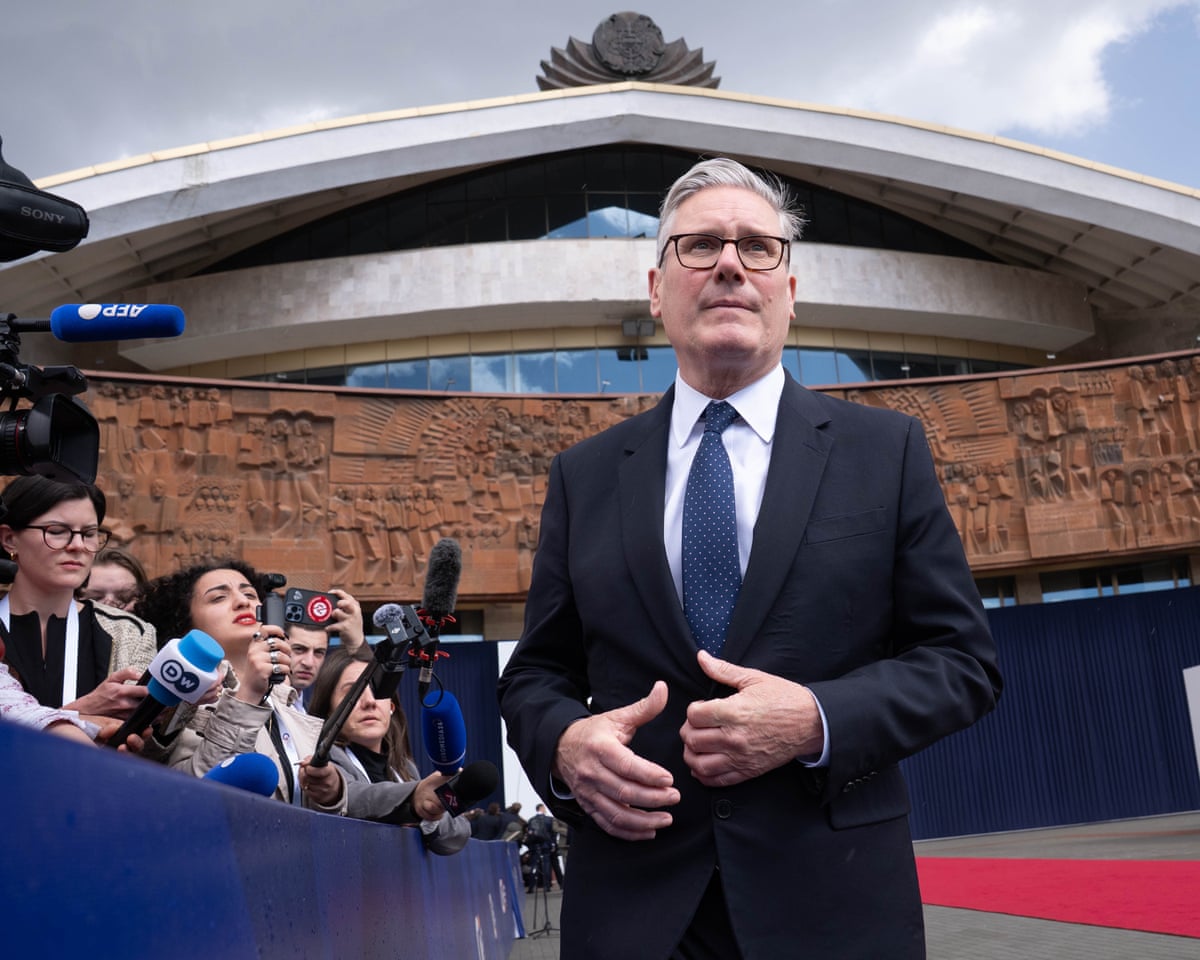
UK's Starmer lauds benefit of joining EU's €90bn loan for Ukraine as 'some' alliances 'are not in place we would want them'
Another key topic at the Yerevan summits, continuing after the European Political Community meeting over the bank holiday weekend, is the UK’s willingness to join the EU’s €90 billion loan for Ukraine.
Prime Minister Keir Starmer stated that the benefits of joining the EU’s recovery loan scheme for Ukraine “outweigh the cost,” emphasizing the need for Europe to act swiftly to strengthen its defence capabilities.
Starmer, who said the UK’s participation would also create jobs domestically, acknowledged tensions between Donald Trump and Europe, particularly regarding military issues.
Regarding NATO, Starmer commented:
“We cannot deny that some of the alliances that we have come to rely on are not in the place we would want them to be.”
“There is more tension in the alliances than there should be and it’s very important that we therefore face up to this as a group of countries together.”