

Europe Must Be Ready to Defend Itself, PM Starmer Says
Europe must be prepared to fight in order to protect its people, values, and way of life, Prime Minister Sir Keir Starmer told global leaders on Saturday.
Addressing the Munich Security Conference, Starmer emphasized the need for stronger ties and cooperation, including economic links, between the United Kingdom and the European Union.
The Prime Minister underscored that the continent must "stand on its own two feet" regarding defence commitments.
UK to Deploy Carrier Strike Group to Arctic to Counter Russian Threats
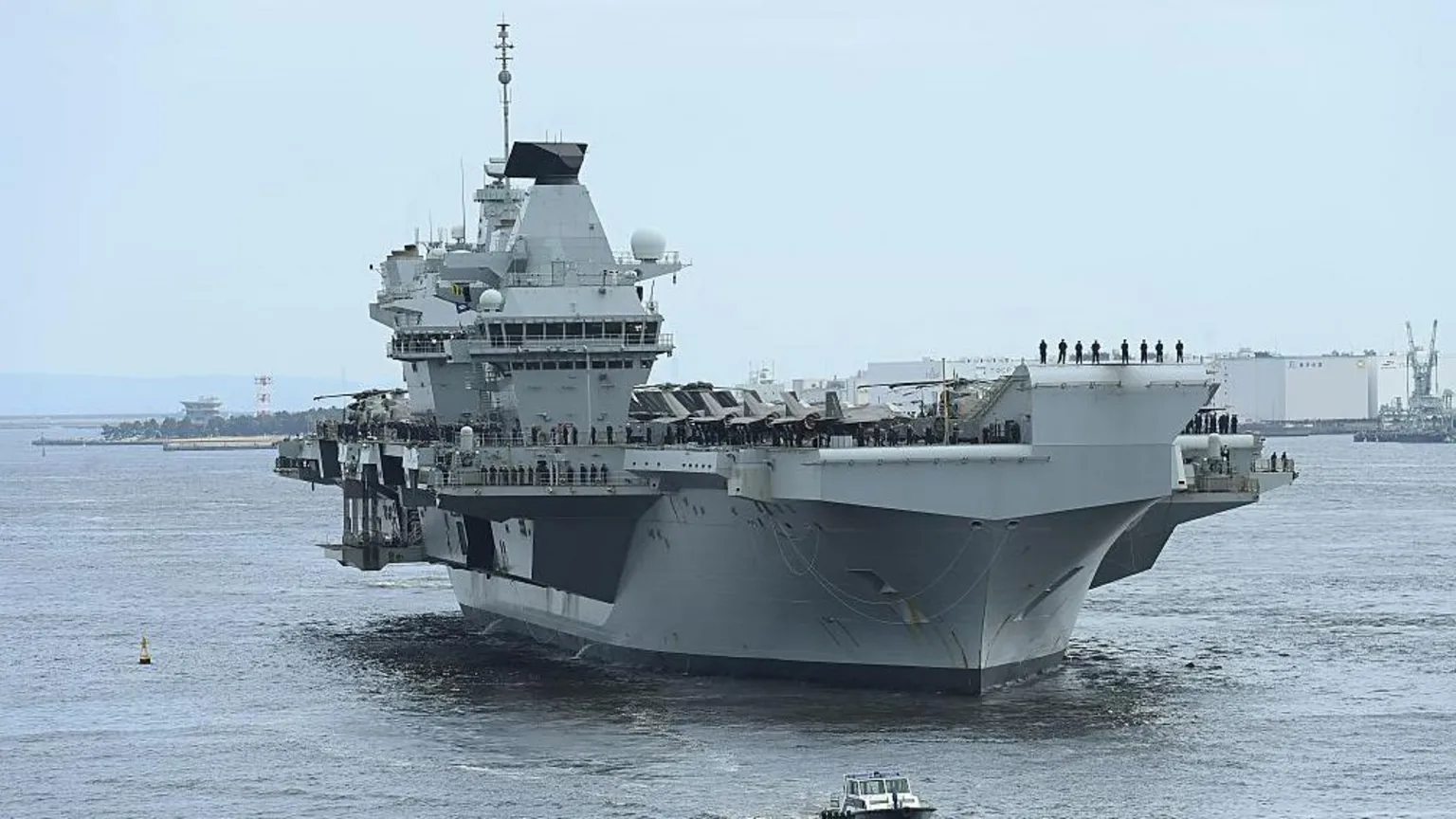
During his speech, Starmer announced that the UK would send its carrier strike group to the Arctic and High North as part of efforts to enhance security against Russian threats.
The High North refers to the northernmost regions of the globe, including the Arctic Circle and surrounding areas.
He noted that the United States, Canada, and other NATO allies would also participate in this initiative to counter Russian threats in the region.
Starmer warned that Russian rearmament following any future peace agreement for Ukraine would "only accelerate," and stressed that Europe must be ready to "deter aggression" and prepared to fight if necessary.
"We must build our hard power, because that is the currency of the age,"
he stated at the conference.
Reaffirming Commitment to NATO Article 5
US President Donald Trump has previously questioned whether European partners would uphold the commitment to defend allies if attacked, known as Article 5.
NATO, established in 1949 primarily to prevent Soviet expansion in Europe, currently has 32 members including several Eastern European countries. Article 5 is a core principle stating that an armed attack against one or more members is considered an attack against all.
Starmer sought to dispel doubts about the UK's dedication to this principle, affirming at the conference that the UK's commitment to Article 5 remains "as profound now as ever."

"Be in no doubt, if called on, the UK would come to your aid today."
EU Commission President Praises Starmer and Calls for European Responsibility
Prior to Starmer's address, EU Commission President Ursula von der Leyen described him as an "unflinching ally and friend," and highlighted that both the EU and UK face threats from "outside forces trying to weaken our union from within."
She further stated that Europe has undergone "shock therapy" from the US and must assume greater responsibility for its own defence.
"Europe needs to step up and has to take on its responsibility,"
von der Leyen added.
Shifting UK-EU Relations Post-Brexit
Although Starmer's Labour government has worked to "re-set" relations with Brussels following Brexit in January 2020, it had previously committed to not rejoining the single market.
Marking a policy shift, the Prime Minister acknowledged that the current EU-UK status quo is "not fit for purpose" and recognized that "trade-offs" would be necessary.
Regarding "closer economic alignment" with the EU, Starmer told attendees:
"We must look at where we could move closer to the single market in other sectors as well, where that would work for both sides.
The prize here is greater security, stronger growth for the United Kingdom and the EU, which will fuel increased defence spending, and the chance to place the UK at the centre of a wave of European industrial renewal."
Context of Starmer's Speech Amid Domestic Challenges
Starmer's speech at the annual Munich Security Conference, recognized as the world's leading forum for discussing international security challenges, came after a turbulent week that posed the most serious threat to his premiership to date.
The Prime Minister admitted to a misjudgement in appointing Peter Mandelson, despite Mandelson's known associations with convicted sex offender Jeffrey Epstein, prompting many Labour MPs to question their support for Starmer.
Scottish Labour leader Anas Sarwar even called for Starmer's resignation.
On Monday afternoon, many in Westminster believed Starmer would resign before the day ended, but his cabinet rallied behind him, allowing him to remain in office.
When asked whether domestic issues made him vulnerable, Starmer responded to the assembly of world leaders and politicians in Munich:
"No, I reject that. I ended the week much stronger than I started it.
And that's a very good place to be."


