

Magyar pledges to lead constructive EU policy and seek compromises on tricky issues
After approximately 20 minutes into his address, Péter Magyar shifted focus towards foreign policy. He expressed pride in Hungary's membership in the European Union and NATO, while acknowledging certain flaws within the EU, particularly its complex networks of lobbies and interests.
“It’s a complicated bureaucratic, compromise-seeking … organisation,”
Magyar emphasized that despite these complexities, compromises can be found that serve Hungary's interests.
“I am sure we will have debates … but we are not going there to fight for the sake of fighting so we can write on billboards that Brussels is evil and needs to be stopped,”
he said, indirectly criticizing former Prime Minister Viktor Orbán's approach. Anticipation remains regarding the specifics of these compromises on key issues such as the rule of law and migration, which are expected to be addressed during the upcoming Q&A session.
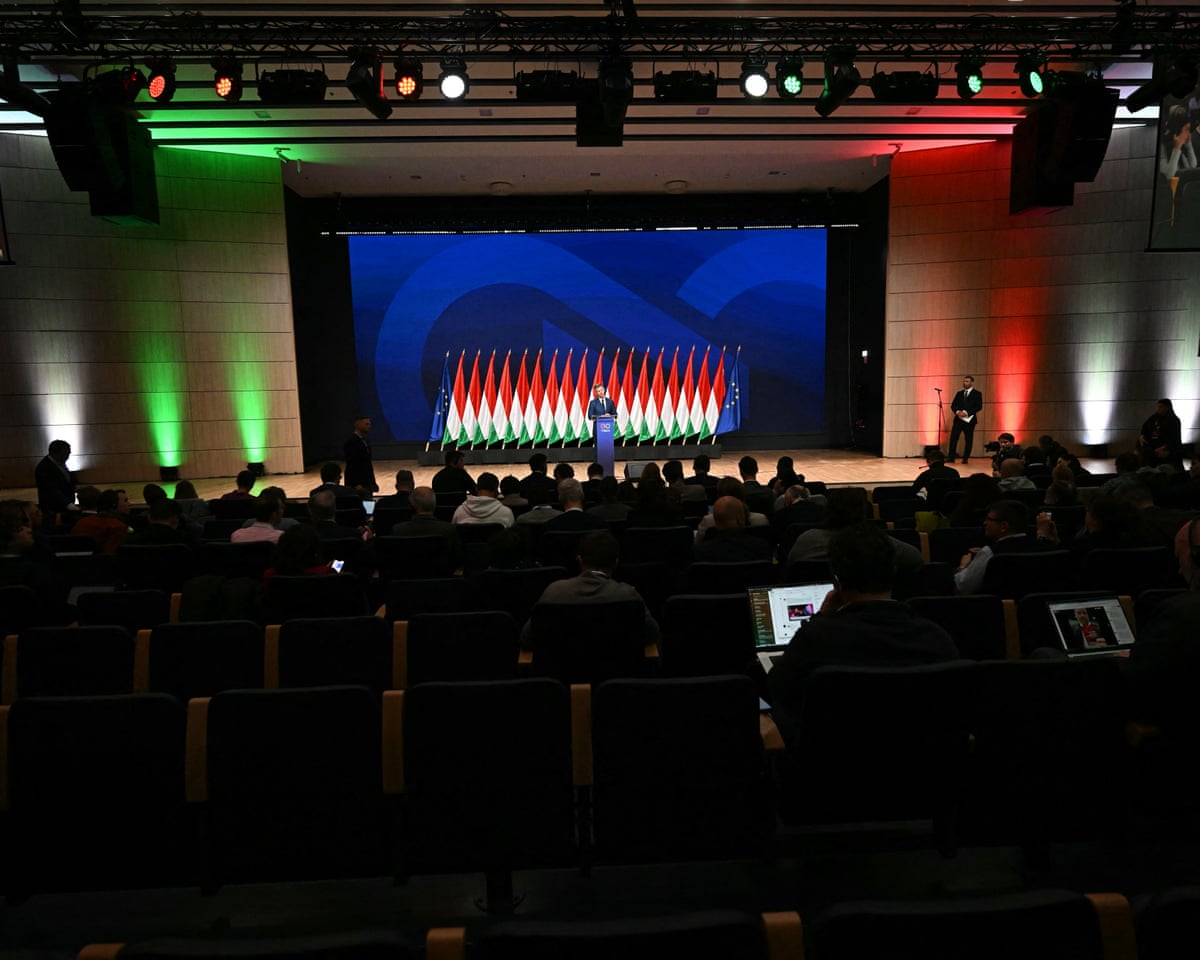
Magyar has been speaking for over two and a half hours.
Magyar says he will move to shut down state-controlled TV, radio to stop Fidesz 'propaganda'
Demonstrating eagerness to dismantle the previous administration's influence, Magyar pledged to end what he described as "state-funded propaganda" disseminated by party-controlled state media. He criticized state media journalists, suggesting they "should update their CVs" due to their inability to keep pace with his campaign.
“One of the first measures will be to stop the news broadcasts of the public television and radio,”
he stated, adding that his administration intends to establish a supervisory board to ensure the independence of state media. This board would draw inspiration from models such as the BBC or other similar institutions.
Hungary vote held 'without level playing field' with systemic advantage given to Orbán’s Fidesz, observers say
The initial report from international observers following the recent election highlighted that the vote was conducted without a level playing field for all parties. Viktor Orbán’s Fidesz party was noted to have benefited from systemic advantages.
The report criticized the "divisive and fear-mongering rhetoric" employed by Fidesz and the "unsubstantiated claims of foreign interference" leading up to the election.
“The extensive misuse of public office and resources, government messaging, a clear bias in monitored media and news coverage in favour of the ruling party, and serious shortcomings in the regulation of campaign finance further undermined the equality of opportunities among contestants.”
The election was described as taking place in a "highly polarised" environment, with the main focus on Hungary's relationship with the EU, while other issues received less attention.
“It is a testament to the voters that the ruling party’s divisive and inflammatory rhetoric and misuse of office did not stop them voting in record high numbers yesterday,”
said Sargis Khandanyan, OSCE Special Coordinator and leader of the short-term observers.
The full statement is available for review.
Following Magyar's Q&A session, which is expected to conclude soon due to his scheduled calls with international leaders, a comprehensive summary of his perspectives on various topics will be provided.
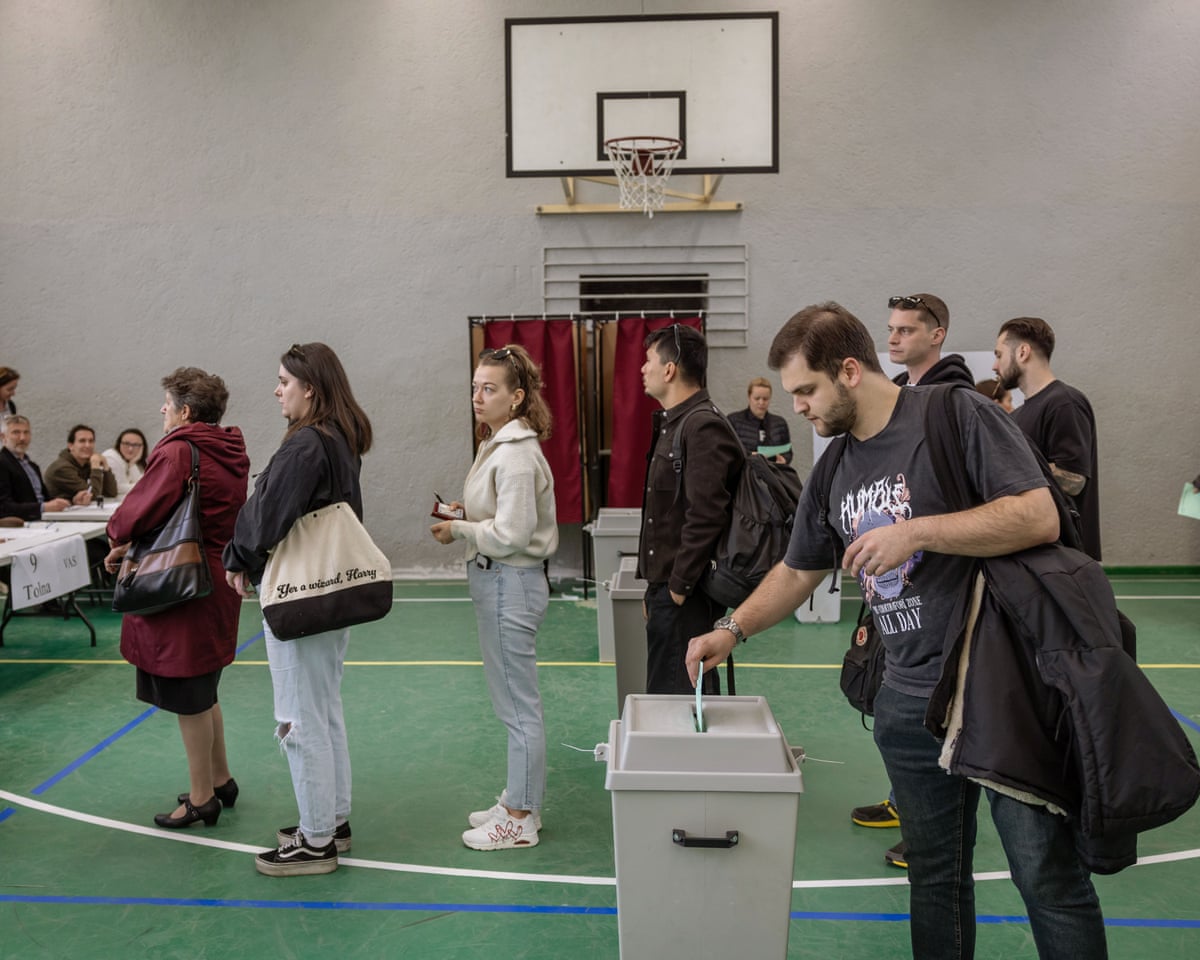
Questions emerge as Magyar landslide victory is celebrated in Hungary – video
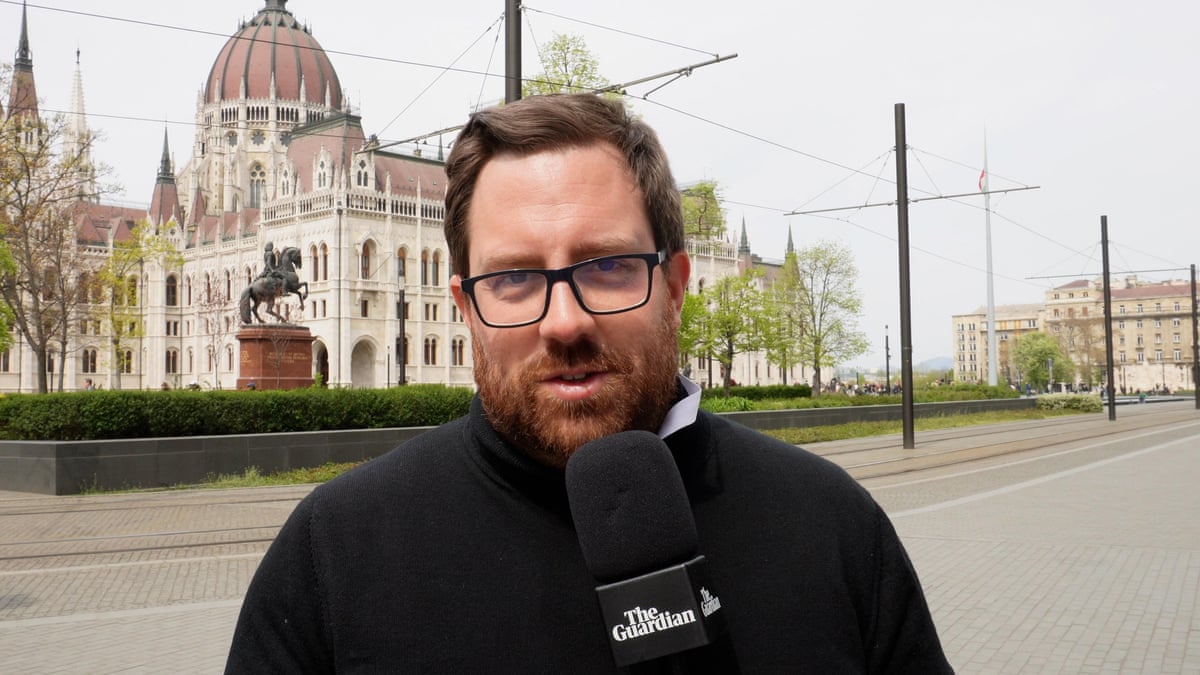
As the Q&A continues, a brief summary of the current situation was recorded from Budapest’s Kossuth Lajos tér, the focal point of the previous night's celebrations following Magyar's unexpected landslide victory.
Russia poses security risk to Hungary and Europe, Magyar says
When questioned further about Russia, Magyar identified Moscow as a security threat to Europe.
“We know the Russians – and I’m not talking about the Russian people, the Russian culture, the Russian people; they are fantastic people – but the Russian bear [and its role] in Hungarian history.”
He stated that Hungary is fully aware of the implications and emphasized that Europe, both collectively and individually as member states, must prepare and be ready to defend itself.
Europe 'mismanaged' migration crisis, Magyar says, as he opposes federal Europe
Discussing his vision for the EU's future, Magyar expressed opposition to the idea of a "European United States," advocating instead for a union of independent, sovereign states.

“We don’t have to have the European United States,”
he said, criticizing the EU's handling of the migration crisis which, according to him, undermined people's sense of security.
“Most countries now, rather late, have realised that their initial stance was not good … The problem [of migration] should not have been brought to Europe, but we should have helped primarily in those countries”
where migrants originate.
Magyar stressed the importance of recognizing and respecting differences among member states without imposing uniform policies.
“They want functioning, strong nation states and a good and well functioning EU that gives the framework that helps people so that they can travel freely, they can work, they can invest in each other’s countries and to live in peace. This is what Hungarians want.”
He also criticized Brussels for often assuming that all issues originate there and for its eagerness to regulate excessively.
“Everything should be regulated, but less is more occasionally, and if you adhere to it, stick to it, and everyone respects it, we are [actually] further ahead than when we have 125 rules and no one wants to adhere to them.”
The extended duration of the press conference reflects both substantive discussion and political theater, marking a departure from the previous government's practice of answering only selected media outlets.
Hungary's Magyar says he hopes UK would 'rejoin' EU in the future
Reflecting on Hungary’s broader European alliances, Magyar recalled his diplomatic experience in Brussels and expressed hope that the United Kingdom might rejoin the EU.
“The Brits were also part of the EU; let’s hope that they rejoin.”
Magyar says wants good relations with US, but will not call Trump
Regarding relations with the United States, especially considering the US administration’s support for his rival, Magyar emphasized the importance of maintaining good relations with the US.
He stated he will not initiate contact with former President Donald Trump but indicated his administration would be open to dialogue if the White House reaches out.
Magyar reiterated his suggestion that the upcoming 70th anniversary of the 1956 Budapest Uprising could serve as an opportunity to host global leaders in Budapest.
Magyar signals openness to considering eurozone membership, hopes for quick resolution on EU funds
In response to economic inquiries, Magyar indicated that joining the eurozone aligns with Hungary’s interests, but he requires more clarity on the fiscal situation before committing to a timeline.
He plans to announce a target date after a brief consultation period.
Magyar also intends to discuss the release of EU funds with European Commission President Ursula von der Leyen and hopes for a prompt decision.
Magyar talks of 'pragmatic' ties with Moscow, but clearly sides with Ukraine on war
On relations with Russia, Magyar expressed a desire for pragmatic ties, noting Hungary's continued dependence on Russian energy imports.
He stated he will review all contracts related to Russian energy and renegotiate or terminate them if necessary.
Regarding Russian President Vladimir Putin, Magyar said he would urge him to end the war in Ukraine but does not expect compliance.
He expressed hope that Putin will be compelled to cease hostilities soon and affirmed that Ukraine is the victim of ongoing Russian aggression.


