

Visual Imagery and Power
Throughout his tenure as Russian President, Vladimir Putin has consistently recognized the influence of visual imagery.
The first time I interviewed him in 2001, an aide swiftly removed the small water glasses from the table just before the cameras went live.
"Why did you do that?" I asked.
"We wouldn't want anyone to think they were for vodka," came the reply. "And anyway, we can't risk a glass spilling live on TV. Television is a nuclear bomb when it comes to publicity."
"Everybody in Russia, but especially Putin, realised that TV was the key to the consolidation of power," says the author and political analyst Peter Pomerantsev.
Over the years, Putin has transformed Russia from a fragile emerging democracy into a largely authoritarian state centered around himself as president. He has also dramatically reshaped his own public persona.
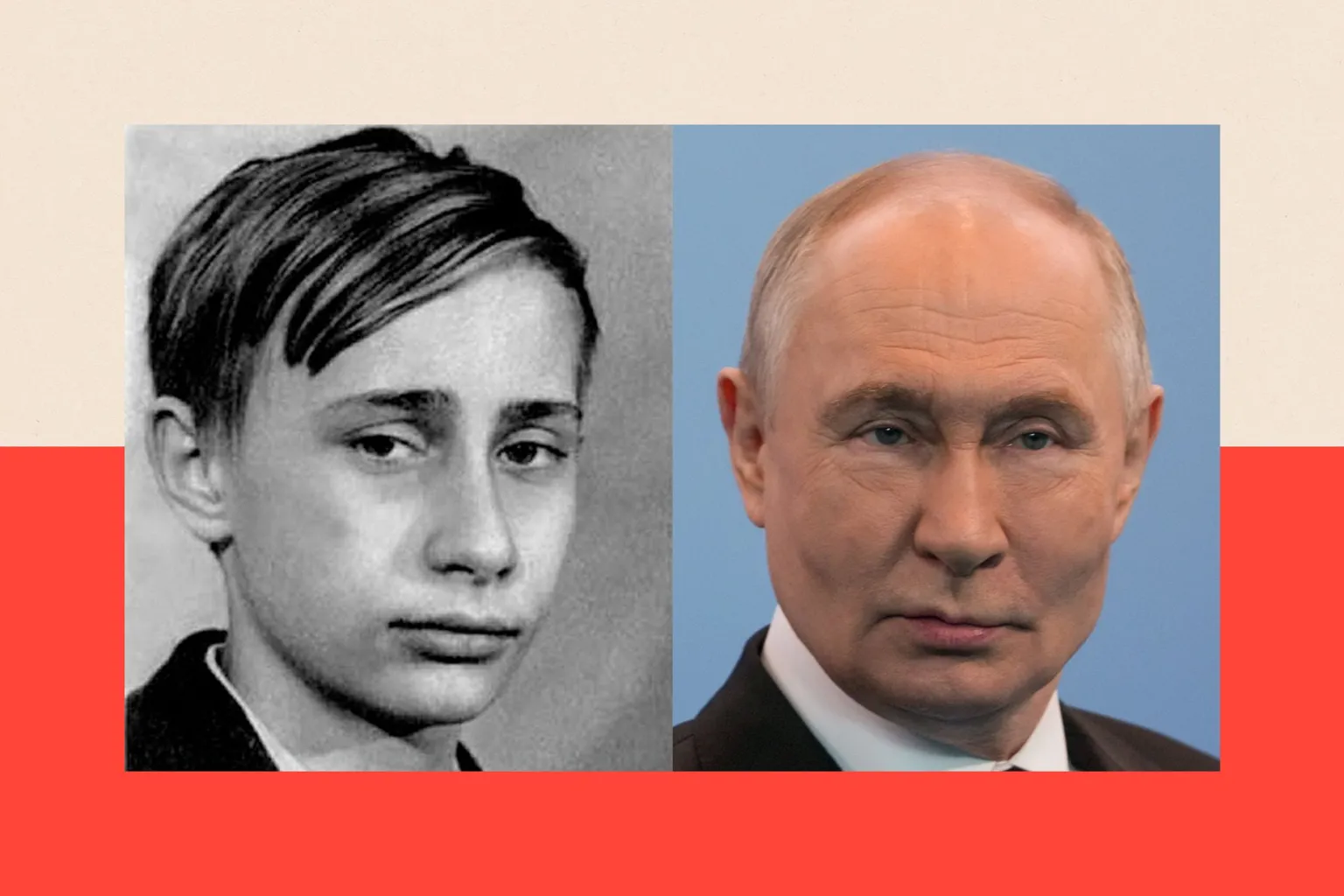
Early photographs depict him as a slight, reserved individual who appeared wary of the camera. So how did this seemingly quiet, retiring child and self-effacing bureaucrat evolve into a president who actively embraced the spotlight?
Created by TV
Putin's interest in the power of image predates his rise to power. Like many children growing up in the 1960s and 70s, he was a product of the television era. His role models were the spy heroes of popular Soviet TV series and films. By his own admission, these strong, silent double agents combating enemies of the Soviet state inspired him to pursue a career in the KGB, the Soviet Union's intelligence agency.
As a KGB operative and later a diligent apparatchik, he avoided attracting attention. However, when in 1999 he was unexpectedly appointed acting president and subsequently elected president, he and his public relations advisers demonstrated a keen awareness of the importance of visual imagery in crafting his presidential persona.
Part of this image management involved omitting anything unhelpful. Putin cultivated an image of a virtual teetotaller. At annual meetings with foreign policy experts at the Valdai Discussion Club, he would drink tea with honey while others were served fine wines.
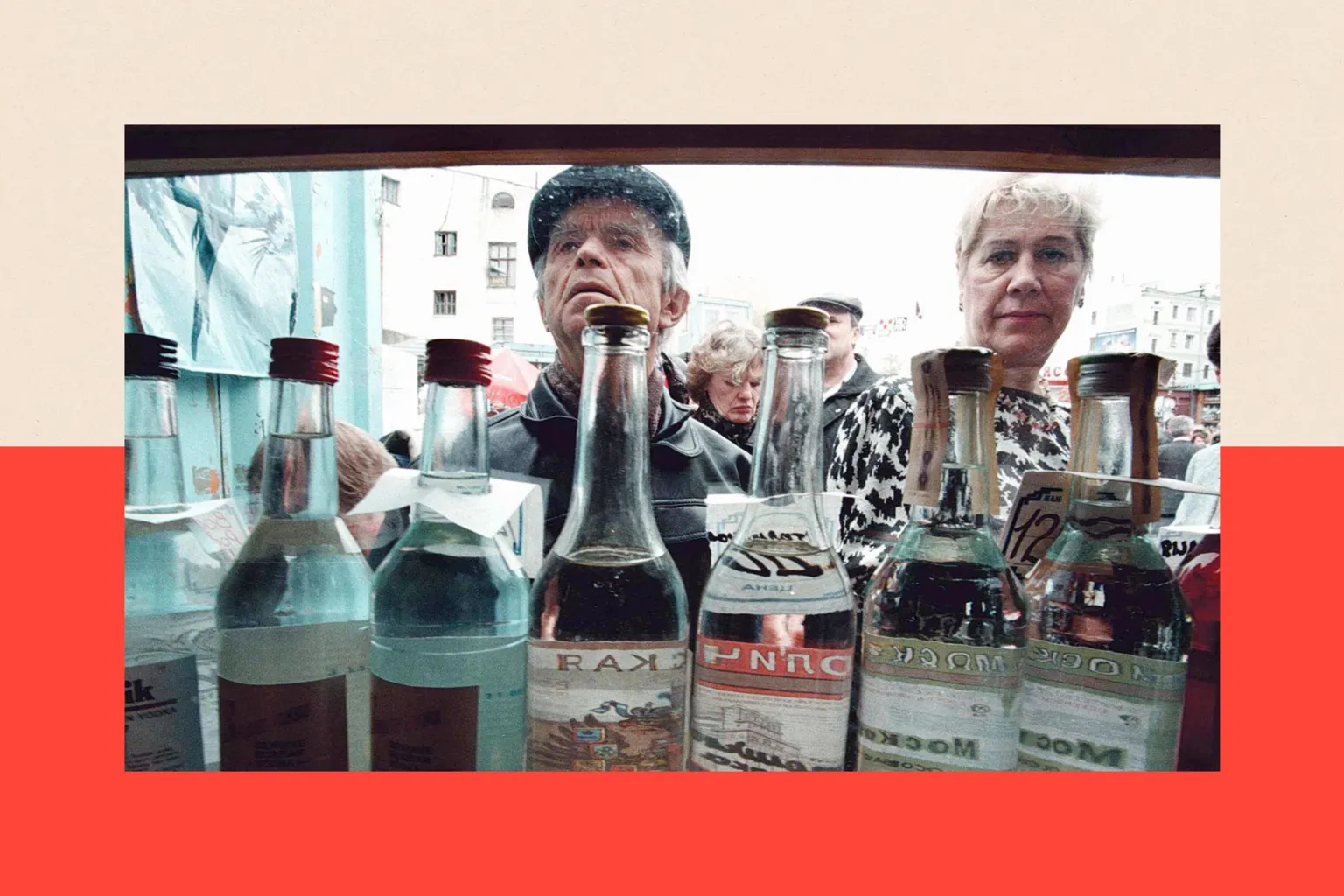
On occasions when he did consume alcohol, his minders sought to keep it discreet. I once met a local museum custodian who recounted sharing Russian pancakes with the president, enhanced with vodka for extra flavor. "But don't tell anyone," he urged me. "They were very strict about it. I might get into terrible trouble."
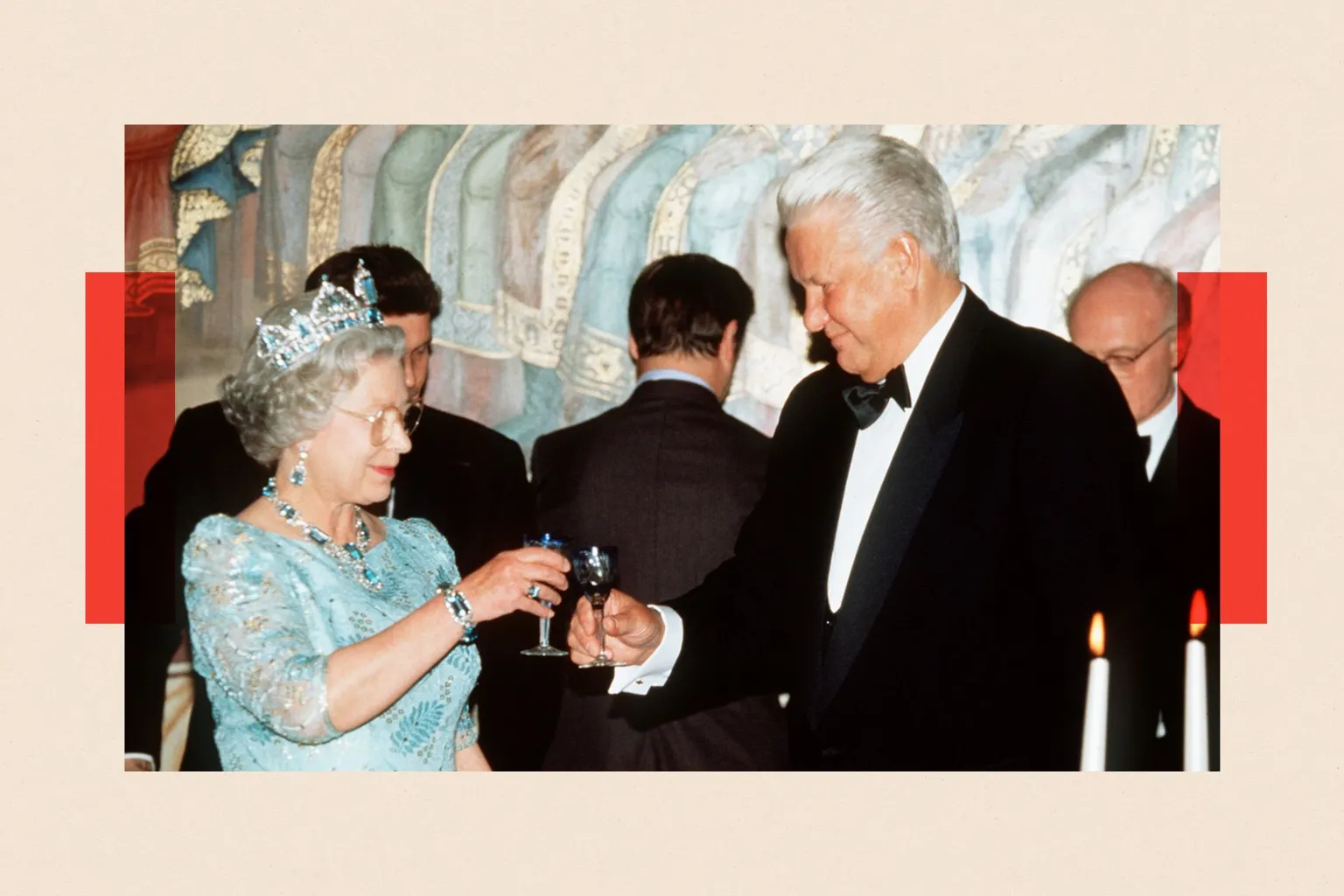
Another aspect of the strategy was to emphasize that he was unlike his predecessor, Boris Yeltsin, whose public intoxication had embarrassed many Russians.
Putin donned a pilot's helmet to fly a fighter jet and showcased his judo skills. These displays communicated that he was a vigorous, healthy man of action, not a frail drunkard.
Perhaps most famously, starting in 2007, a series of photographs showed him bare-chested, riding a horse in a manner reminiscent of a Russian Marlboro Man, fly fishing in a river, or demonstrating muscular strength with a vigorous butterfly stroke.
Were these images genuine or tinged with irony? Pomerantsev believes those managing his PR were fully aware of their intent.
"For one audience, this is very crass, but we're going to do it in an ironic way, so that it's kind of cool. For another audience, it was that Russia should be led by a traditional hardman hero."
"Putin was playing this sort of very, very, I suppose, traditional Soviet leadership role, but he was doing it in an era of the reality show, MTV and sugar daddies."
"Putin is the trendsetter," says Fiona Hill, a Russia specialist and adviser to US presidents. "He has shaped the image of the first populist president, the first acclaimed strongman of the 21st Century."
Putin was clearly sending different messages to different audiences. To the international community, he signaled that Russia was no longer weak but a formidable power. A bear with teeth and claws, as he once described it.
Other extravagant displays appeared more incongruous, perhaps reflecting the Leningrad schoolboy finally living out childhood fantasies: scuba diving to "discover" carefully placed relics at the bottom of the Black Sea; being harnessed into a motorized hang glider soaring alongside endangered cranes; and petting a Siberian tiger cub.
Putin himself stated that these stunts aimed to raise environmental and scientific awareness. Yet, questions remain whether he recognized that these acts bordered on self-parody, or whether his aides dared to inform him otherwise, or if he simply no longer cared about others' opinions.
Repeated Reinvention
Early photographs of Putin, such as his 1985 Stasi ID card photo, suggest a steely resolve beneath a deliberately reticent exterior—traits well suited for a KGB operative and further refined by KGB training.
After the Soviet Union's collapse in 1991, he repositioned himself as a government official known for loyalty and efficiency, serving first the mayor of St Petersburg and later, after relocating to Moscow, in Boris Yeltsin's presidential administration. In photographs from this period, he is often positioned at the back or side, avoiding direct eye contact with the camera and never occupying center stage.

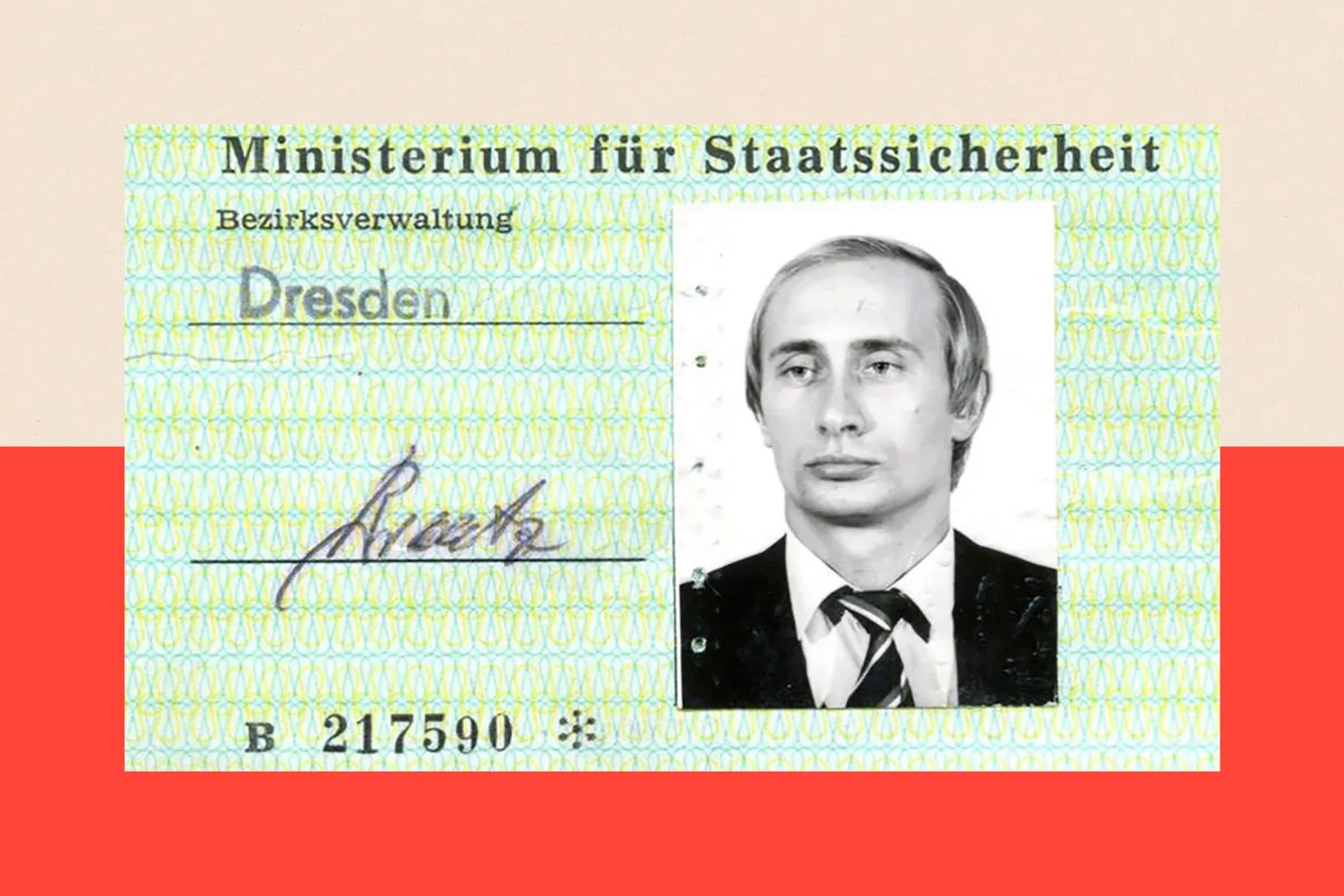
Nina Khrushcheva, great-granddaughter of Soviet leader Nikita Khrushchev, recounted that in the 1990s KGB circles referred to Putin as "the moth," a man who could hide anywhere, a figure in the shadows.
However, upon becoming president, he embraced the opportunity to assume various roles.
In 2007, when photographed for Time magazine's Person of the Year cover, he posed reclining in a chair, staring down the camera lens like a tsar on a throne or a menacing mafia boss.
"He was performing power for me," says Platon, the Time photographer who took the image. "As far as I know, Putin loves these images. Many of his supporters love the pictures. They show him as a tough nationalist."
This was what Pomerantsev terms "a postmodern version of authoritarian propaganda," with Putin adopting multiple roles akin to a performance artist.
The various strongman personas he portrayed were reflected in his policies. To restore Russian strength, Putin argued for increased order and oversight from above. Gradually, he tightened control over society, curtailed free expression and criticism, transformed the Duma into a rubber-stamp legislature, marginalized or eliminated political opponents, and confronted Western powers for insufficient respect toward Russia.
The Man Behind the Mask
His hyper-masculine topless photoshoots have been analyzed extensively as symbols of confidence. However, these images may also reveal insecurities: a desire to reassure others and himself that he remains the dominant figure, as fit as ever.
After stepping down from the presidency in 2008 to serve as prime minister for four years, such attention-grabbing photos also signaled that he, rather than President Dmitry Medvedev, retained real power.
In 2011, a dramatic change in his appearance marked a pivotal political moment. He appeared in public with a fuller, puffier face, more immobile and expressionless. This shift was puzzling. Speculation arose about possible steroid treatment for illness or Botox use to delay aging signs.
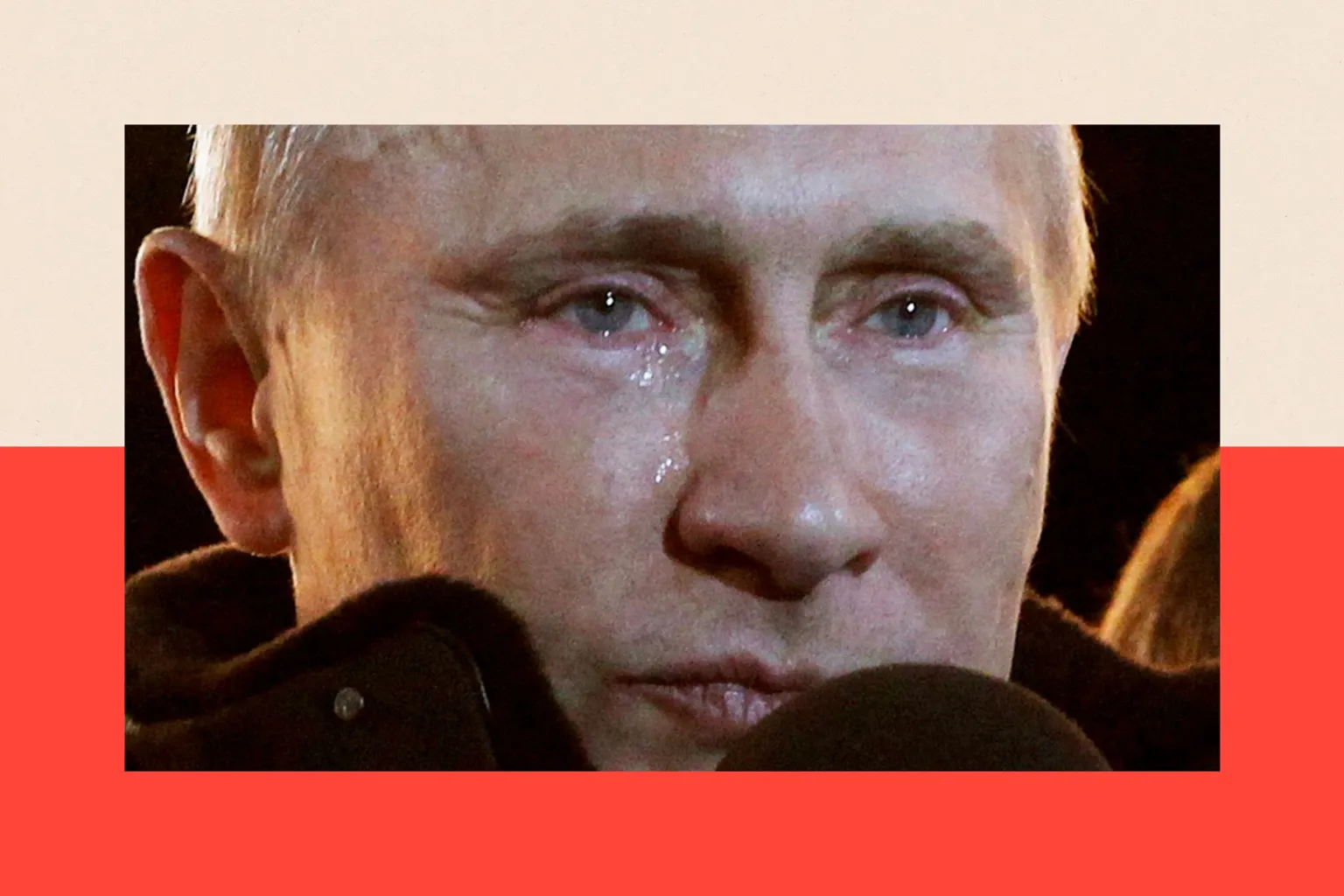
A few months later, he ran for the presidency again. The outcome was never in doubt, but at the open-air rally announcing his victory, his new face was streaked with tears.
I concluded the weeping was genuine. His voice was hoarse with emotion. It appeared as relief that the plan had succeeded despite widespread protests before the election, when some demonstrators had called for his removal. Some analysts, however, questioned whether this was a contrived performance designed to evoke religious imagery of a weeping icon, suggesting he was Russia's holy savior.
Regardless, this moment was defining. His control over the country had tightened for years. From this period onward, public dissent was not only discouraged but illegal. Putin became increasingly authoritarian, and Russia less tolerant of opposition.
Nadya Tolokonnikova, a jailed Pussy Riot feminist declared a foreign agent for her protests, stated: "Putin got obsessed with placing himself in history as the saviour, not just of Russia, but of the entire world. And this… is the turning point of him stepping into the Putin we know today."
Now 73, Putin shows no signs of relinquishing power, though he appears less frequently in public.
Many speculate that in recent years he has become more paranoid, particularly following Russia's full-scale invasion of Ukraine and the Covid pandemic. His public appearances are highly orchestrated, suggesting a desire to maintain distance from the outside world.
"He obviously wants to be careful that people can't necessarily track him down. It shows someone who's paranoid about his personal safety – from germs or assassination attempts," says Fiona Hill.
The war in Ukraine is now central to his image. Veteran Russian journalist Mikhail Fishman observes: "If we look back at what Putin was after he came back to the Kremlin in 2012, he still did not know what he was, what he's about. But he believes he finally found his mission, what his role is, and it is war."
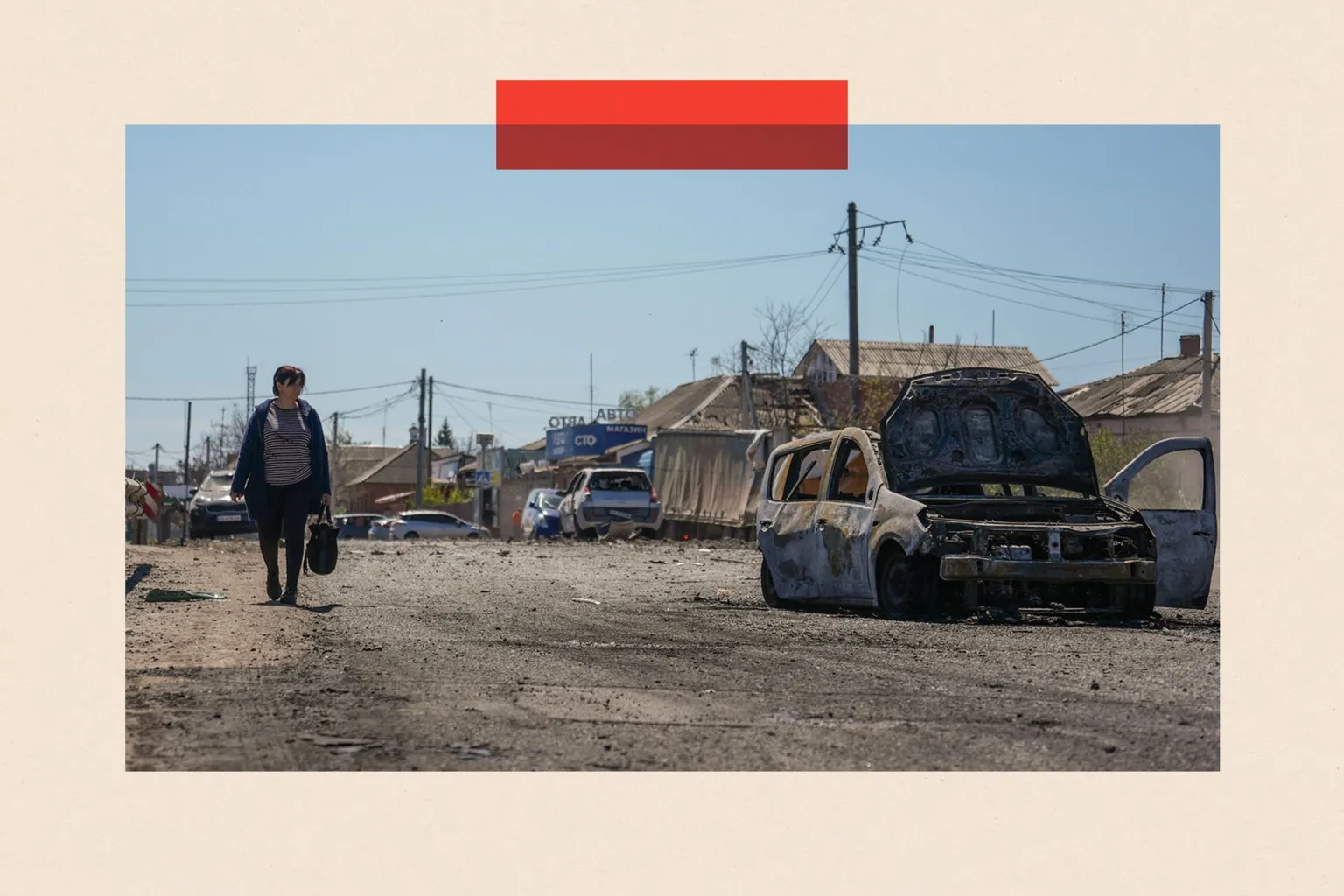
Yet, more than four years since the conflict began, the full-scale war with Ukraine remains a burden. Continuing it is increasingly challenging, but ending it carries significant risks. Putin has created an economic war machine and a system of internal repression that cannot easily be reversed without jeopardizing his position.
After a quarter-century in power, he appears remote and inflexible, seemingly trapped by his own creation. This contrasts sharply with the image of a dynamic sportsman and action hero he once sought to project.
"Putin: In Ten Pictures" is available to watch on .
Lead image credit: / Stasi Records Agency Dresden (Public Domain) /
BBC InDepth is the website and app home for in-depth analysis, fresh perspectives challenging assumptions, and comprehensive reporting on major issues. Emma Barnett and John Simpson present their selection of the most thought-provoking deep reads and analysis every Saturday. for the newsletter here.



