

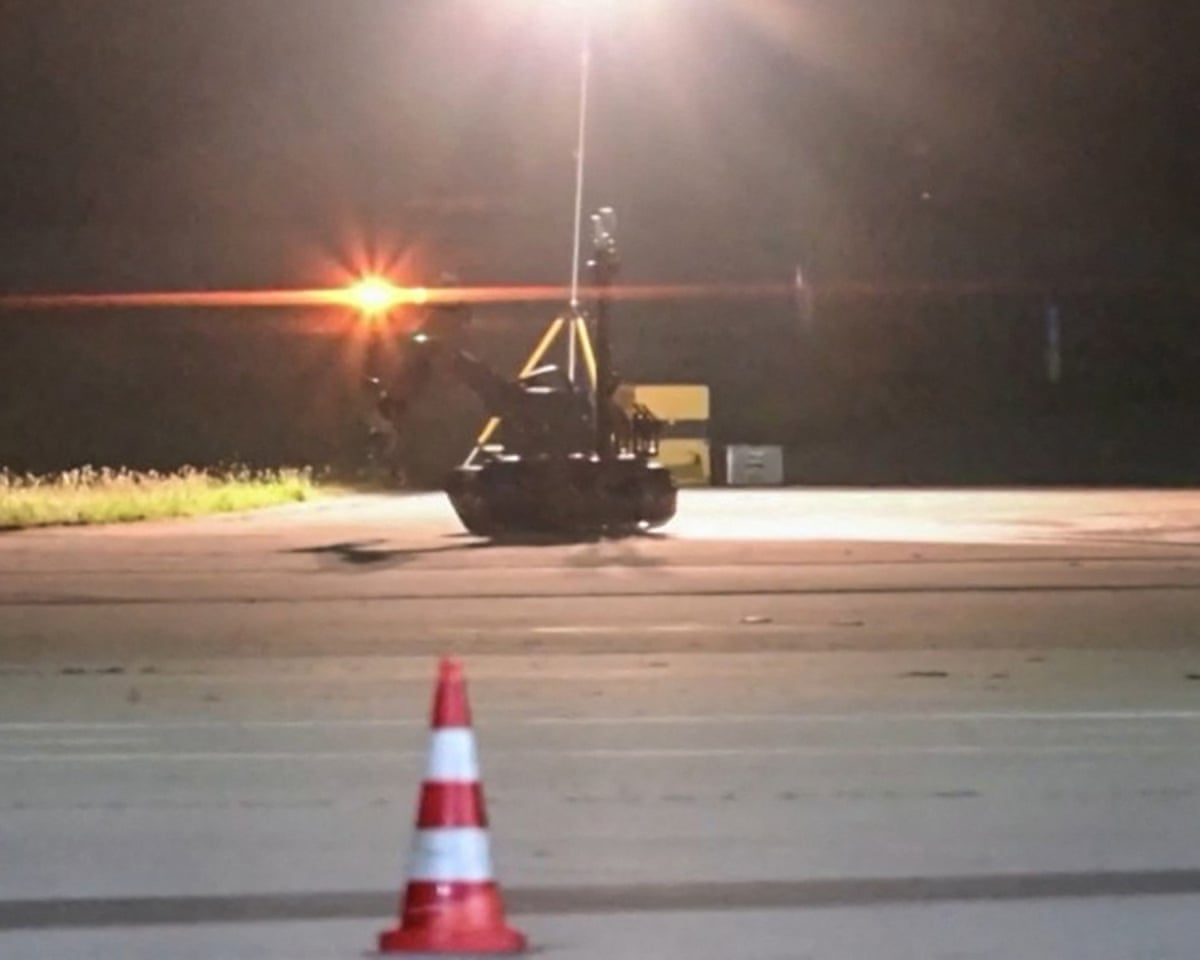
German state prosecutors, including units working on extremism and terrorism prevention, have taken over the investigation into the Leipzig incident, and have confirmed the presence of an “explosive” device on one of the two drones involved. The drone was discovered by an airport employee in the cargo zone near what media described as a Ukrainian cargo plane, and it was dealt with using a bomb disposal robot.
A second “unidentified flying object” collided with a DHL plane, with “minor damage” confirmed upon landing in Hanover, prosecutors said. “There is no danger to life or health of passengers or airport staff. Passenger air traffic is not affected,” they stressed. They added “no further information can be provided at this matter due to the ongoing investigation.”
Germany’s Leipzig/Halle airport is a major cargo hub, including for deliveries linked to Ukraine, and German media stressed that the drone was reported near a Ukrainian transport plane. The incident has drawn attention because of earlier concerns about sabotage involving the airport, including a 2024 incendiary-device plot that was due to be sent by air to the UK and was discovered there as part of a suspected Russian sabotage plan. Russia has denied any link.
Nato has said it is aware of the incident and that German authorities continue to investigate. The NATO confirmation followed flight operations being briefly suspended overnight after what officials described as a security incident. Bild reported separately that early tests appeared to confirm the drone was carrying explosive materials that failed to ignite because of a defective detonator.
DHL Group CEO Tobias Meyer said the German logistics firm was studying the overnight incident, which also involved an object striking one of its planes near Leipzig. “We’ve got plans for cases like this, and we’ll try to make sure that the influence on our customers will be as low as possible,” Meyer said during a quarterly results call earlier this morning, reported. The Leipzig incident primarily affected cargo flights arriving at the airport, but it also caused some disruption for passengers as a Marabu Airlines flight from Mallorca had to be diverted to Nuremberg.
There is no reported danger to the public, and most German authorities have continued to refer to earlier holding statements while the investigation remains active. German police are still investigating the “unidentified flying object” that disrupted flights in Leipzig, and local media have continued to speculate about the severity of the incident and whether it may have been a deliberate act.
Key Facts
- German prosecutors confirmed an “explosive” device was present on one of two drones involved in the Leipzig incident.
- The drone was found by an airport employee in the cargo zone near a Ukrainian cargo plane and was neutralised with a bomb disposal robot.
- A separate object collided with a DHL plane, which later landed in Hanover with “minor damage”.
- Passenger air traffic was not affected, and officials said there was no danger to life or health.
- Nato said it was aware of the incident while German authorities continued to investigate.
How did German prosecutors describe the drone incident?
German state prosecutors said units working on extremism and terrorism prevention had taken over the investigation into the Leipzig incident. They confirmed the presence of an “explosive” device on one of the two drones involved, after the object was discovered in the cargo zone by an airport employee.
They said the drone carried “an unknown explosive device” and that it was discovered near a Ukrainian cargo plane, as described by media reports. The device was then dealt with using a bomb disposal robot.
A second “unidentified flying object” also collided with a DHL plane, prosecutors said, and the aircraft later landed in Hanover with “minor damage”.
“There is no danger to life or health of passengers or airport staff. Passenger air traffic is not affected,” they said. They added “no further information can be provided at this matter due to the ongoing investigation.”
What has Nato said about the Leipzig/Halle airport incident?
Nato has confirmed to the German press agency DPA that a drone was seen near a Ukrainian aircraft at Germany’s Leipzig/Halle airport. The alliance said: “We are aware of the incident, which the German authorities continue to investigate.”
The confirmation came after flight operations were briefly suspended overnight following a security incident. German authorities contacted by continued to point to earlier holding statements, indicating that more details may take time to emerge.
Separately, Bild reported that early tests appeared to confirm the drone was carrying explosive materials that failed to ignite because of a defective detonator. That report has not been independently confirmed in the source material beyond the references already given.
Why is Leipzig/Halle airport significant?
Leipzig/Halle is described by German media as a major hub for deliveries for Ukraine, which is why the reported presence of a drone near a Ukrainian transport plane has raised concern. The airport’s role in cargo logistics has made the incident especially sensitive in the context of the war in Ukraine and earlier fears about sabotage.
SZ noted that Leipzig is considered a key hub for arm deliveries to Ukraine. In 2024, an incendiary device plot due to be sent by air to the UK was discovered at the airport as part of a suspected Russian sabotage plan. Russia has denied any link.
The Leipzig incident also affected passengers indirectly. A Marabu Airlines plane coming from Mallorca had to be diverted to Nuremberg after the overnight disruption.

What has DHL said about the damage?
DHL Group CEO Tobias Meyer said the logistics company was studying the incident involving one of its planes near Leipzig. He said the firm had plans for situations like this and would try to keep the impact on customers as low as possible.
“We’ve got plans for cases like this, and we’ll try to make sure that the influence on our customers will be as low as possible,” Meyer said during a quarterly results call earlier this morning, reported.
The aircraft involved later landed in Hanover with “minor damage,” according to the report cited by prosecutors and German media.
How did European leaders react to the attacks on Kyiv?
Meanwhile, European leaders condemned the overnight Russian attacks on Kyiv, which killed at least 17 people.
French president Emmanuel Macron condemned Russia’s “policy of terror,” calling it “unacceptable.”
“In Kyiv and its region, Russia has once again chosen to target civilians. This policy of terror, carried out with missiles and drones, is unacceptable.
Each new attack reinforces an obvious truth: Russia must pay the price for its aggression and answer for its crimes.
Alongside Ukraine, we will not yield to either fatigue or intimidation. The European Union and its partners will continue to increase the pressure on Russia, including through new sanctions, while strengthening military support for Ukraine so that it can defend itself and protect its population.”
European Commission chief Ursula von der Leyen also condemned “horrible atrocities” after another night of attacks on Kyiv.
“Once again we wake up to the news of horrible atrocities by Russia through its aerial attacks on Ukraine. Russia must pay for the destruction it has caused.”
She said the commission was planning to “use the proceeds from the immobilised Russian assets to make sure it does.”
“We are making a further €1.4bn of them available to Ukraine. This will support Ukraine’s continued resistance against Russia’s illegal war.”
Lithuanian foreign minister Kęstutis Budrys called Russia “a terrorist state” in response to the attacks.
“At least 17 people were killed and 44 injured. Pure terror. Ukraine needs more air defence – now. Every intercepted missile means lives saved. The only language the Kremlin understands is strength.
The world must increase pressure on Russia and force it to the negotiating table.”
Ukraine’s foreign minister Andrii Sybiha said “Russian strikes take no summer vacation.”
“Support for Ukraine and pressure on the aggressor must not pause either. Every interceptor counts,” he said.
“They are life-saving tools, and I urge all partners to expedite all relevant decisions. Russia’s ability to produce these tools of ballistic terror must be disrupted. Additional, tough sanctions are critical and urgent.”
Ukraine said it shot down 98 of the 115 drones fired by Russia overnight, but was unable to shoot down any of the missiles, according to preliminary statistics from the air force. Kyiv can intercept the vast majority of drones, but still relies on supplies from allies to counter missiles, AFP noted.
What happened in Kyiv overnight?
At least 17 people were killed and more than 40 injured after another night of Russian attacks on Kyiv, and Ukraine’s president said that “ballistic missile interceptors could have saved the lives of those killed today”. Kyiv mayor Vitali Klitschko had earlier warned that “there may still be people under the rubble”.
“It is very important for partners to realise that delays in their deliveries or failure to provide anti-ballistic measures lead to such terrible casualties and destruction,” he said on social media.
Ukraine has for months been warning about shortages of anti-ballistic measures, urging allies to increase deliveries after the US president, Donald Trump, backtracked on his promise to let Ukraine manufacture Patriot missiles locally.
“Partners who are not yet ready to play a more active role in supplying interceptors can help by implementing new sanctions. A significant share of Russia’s ballistic missile production is still not under sanctions. Even now. New steps are needed – from the G7, the European Union, and everyone who supports the protection of life,” Zelenskyy said.
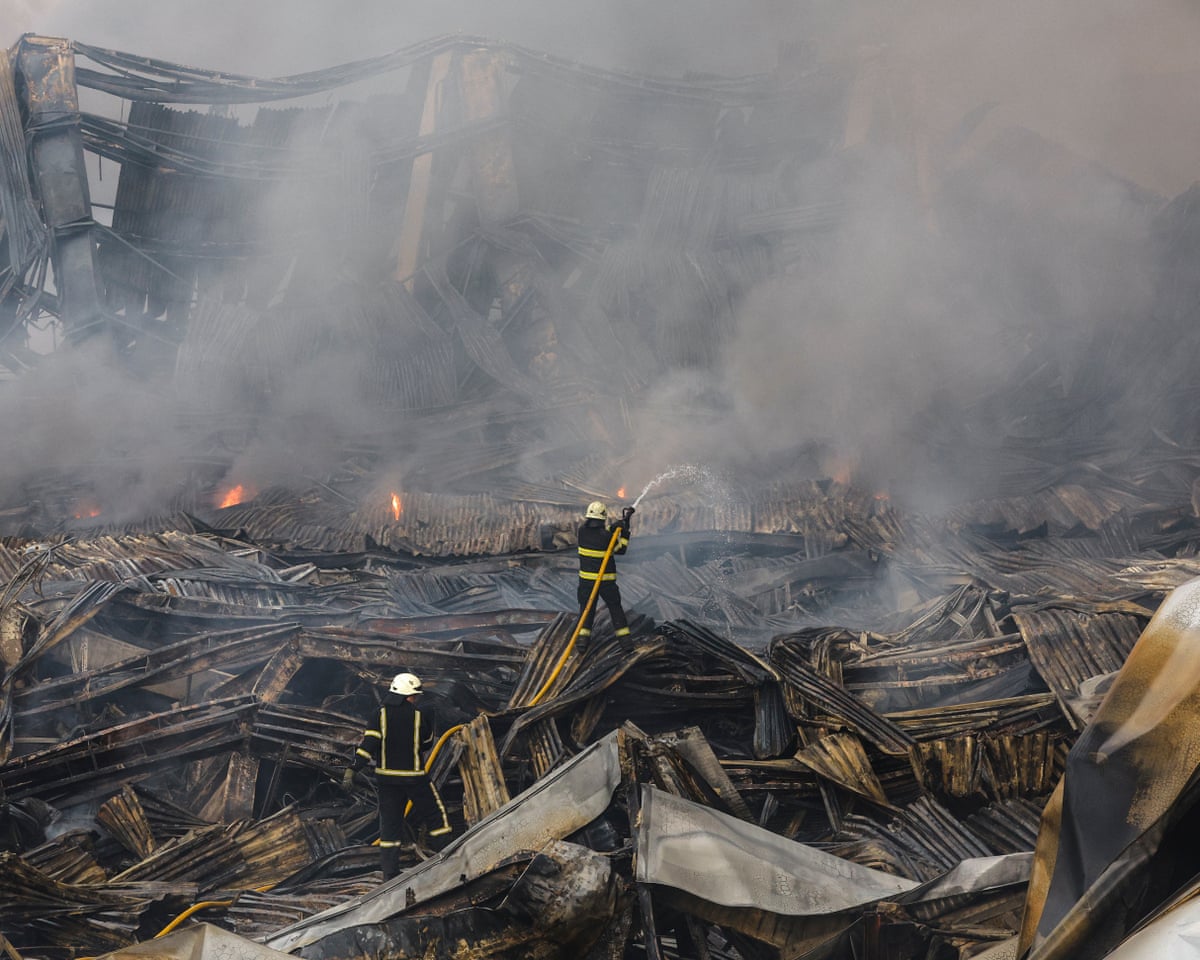
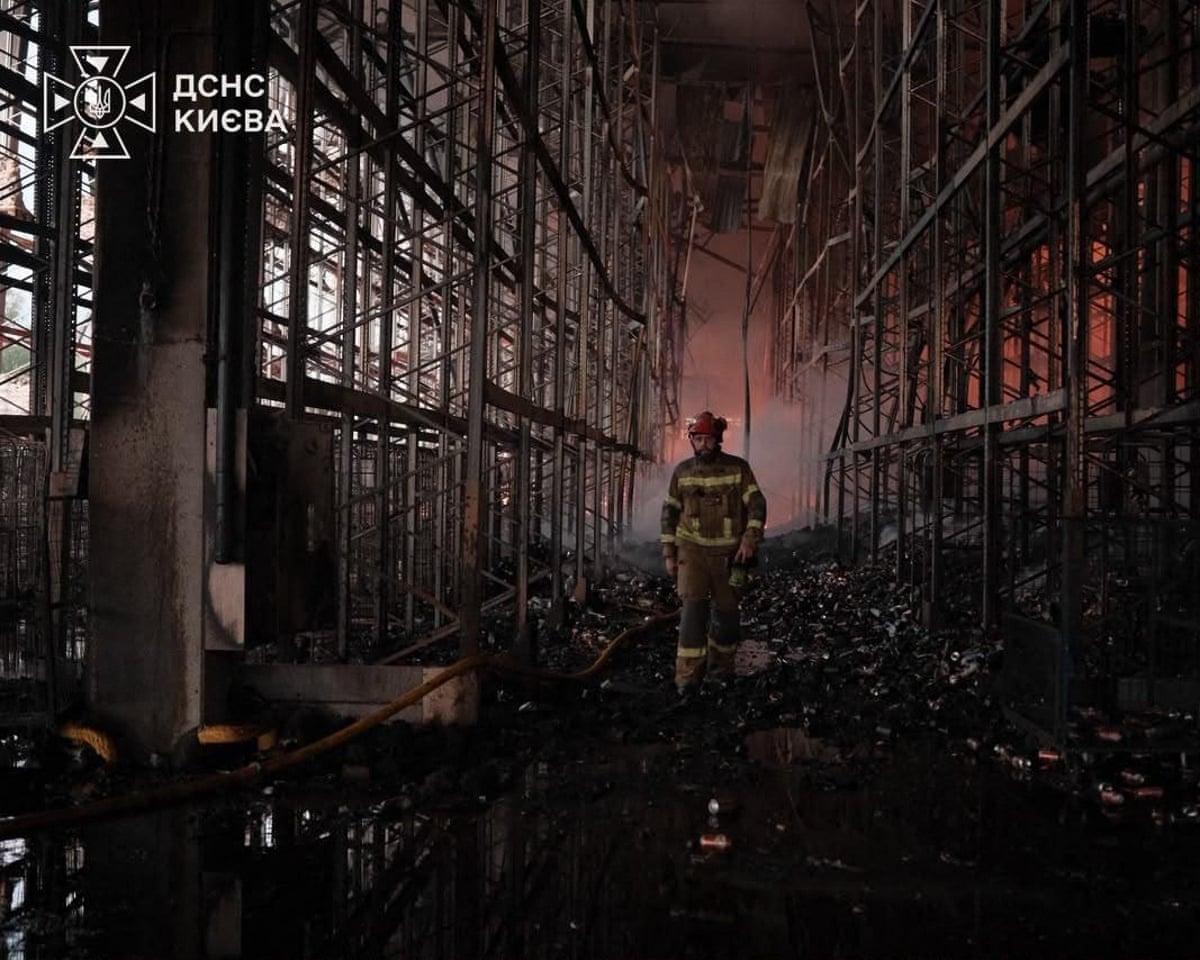
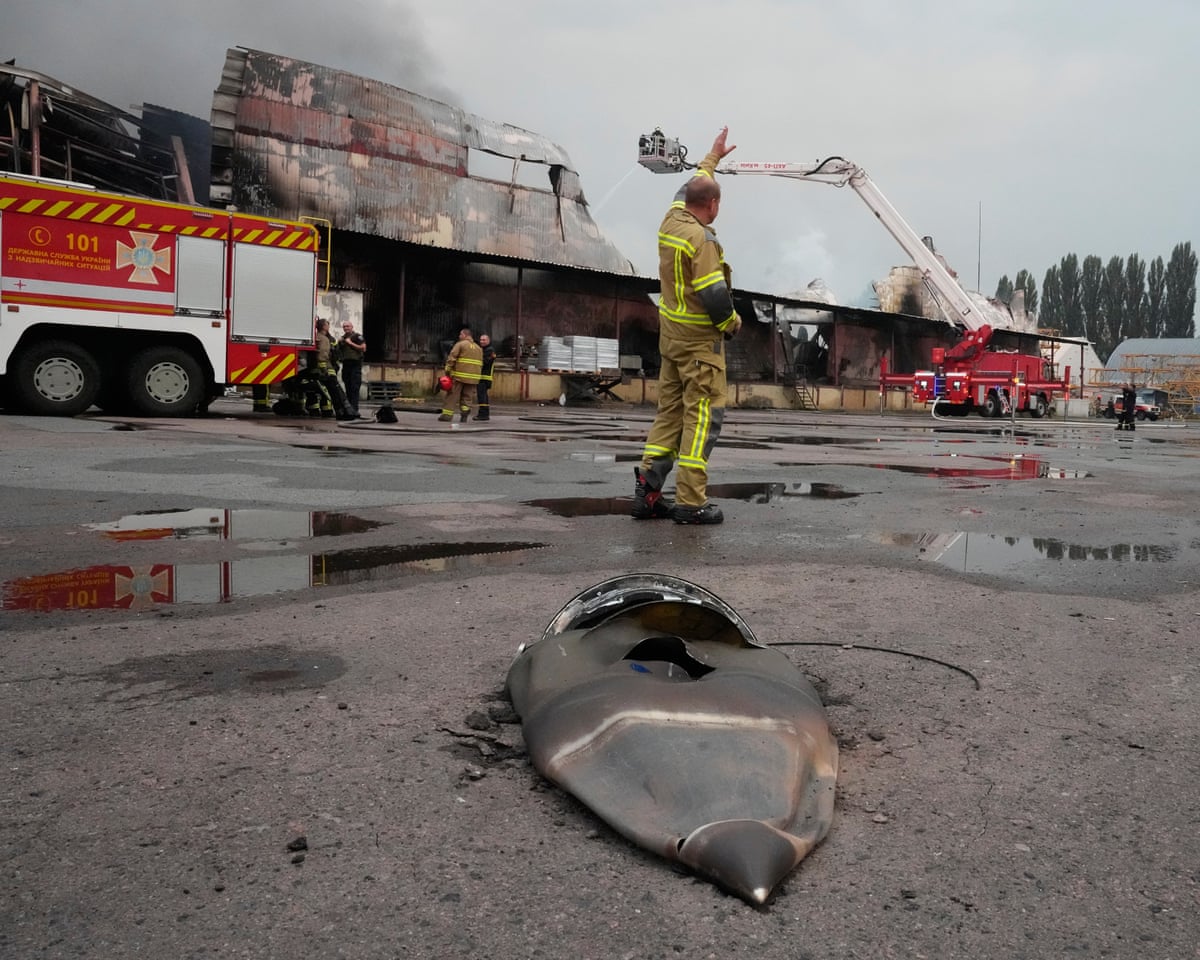
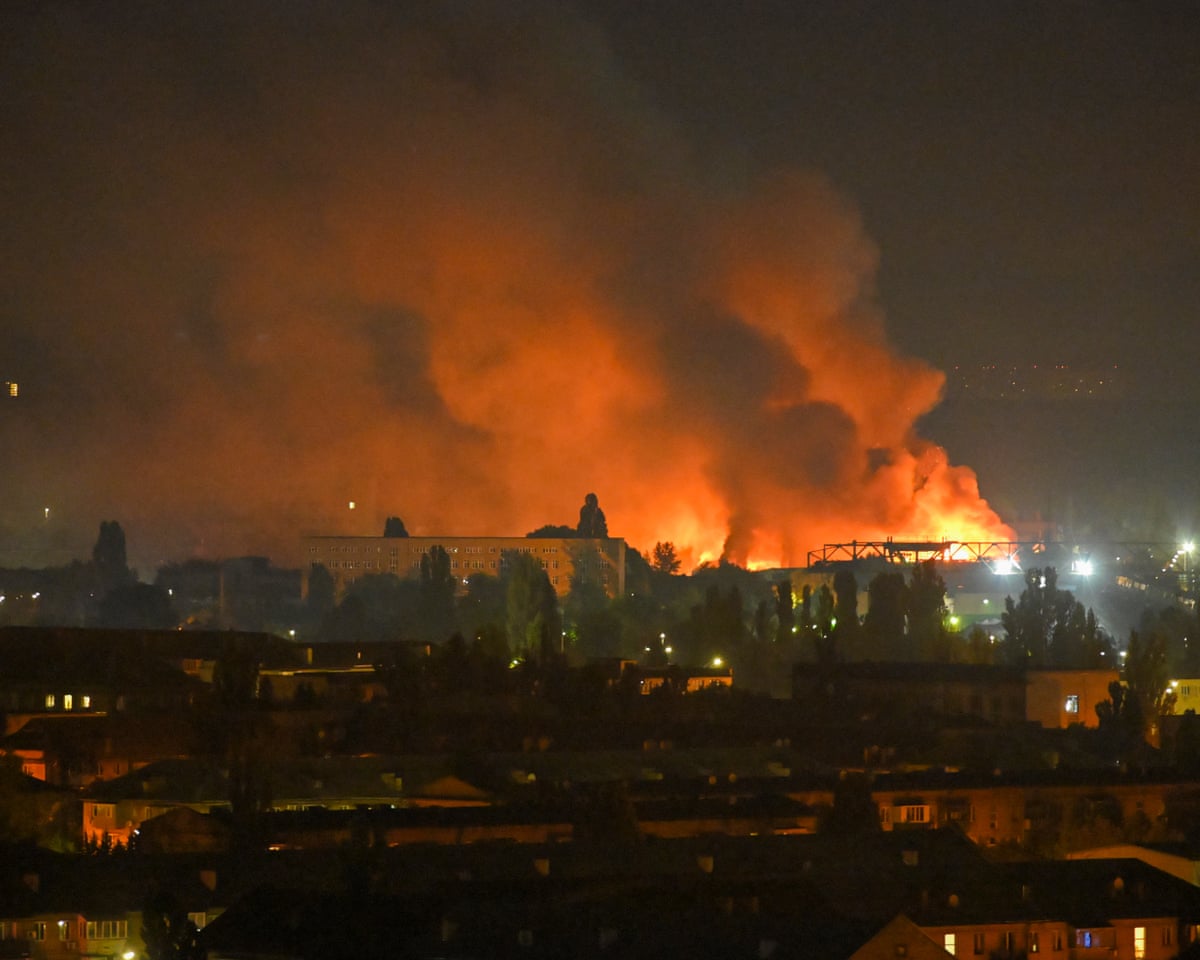
Several facilities were damaged in the attacks. Russian strikes hit Epicentr, Ukraine’s largest home improvement and DIY retail chain, with two key logistics facilities and a factory destroyed within minutes during the overnight attacks, reported.
It was too early to assess the full scale of the damage, said. Epicentr said in a statement: “This is a deliberate attack on Ukrainian manufacturing, logistics, jobs and the country’s ability to recover.”
Iryna Chechotkina, co-founder of leading online retailer Rozetka, said she watched overnight as the work of her entire life went up in flames after strikes by three ballistic missiles.
How is Europe being affected by the heat?
Large parts of Europe are facing another day of extreme temperatures after multiple records were broken in central and eastern Europe yesterday. The Czech city of Plzeň matched the all-time high of 41.5C, while the Slovak capital of Bratislava recorded an August high of 40.8C.
Austria, Croatia, Hungary, Poland, Serbia, Slovakia and Slovenia will all see temperatures in the high 30s and possibly into the low 40s today, with the extreme heat worsening already difficult drought and energy-crunch conditions.

I will bring you all the latest news from across the continent here.
It’s Wednesday, 5 August 2026, it’s Jakub Krupa here, and this is Europe Live.


