

Winter in Yelets: A Town Between Tradition and Conflict
At first glance, Yelets in winter appears reminiscent of a Russian fairy tale. From the embankment, the golden domes of Orthodox churches glisten, while below, ice fishermen are scattered along the frozen river.
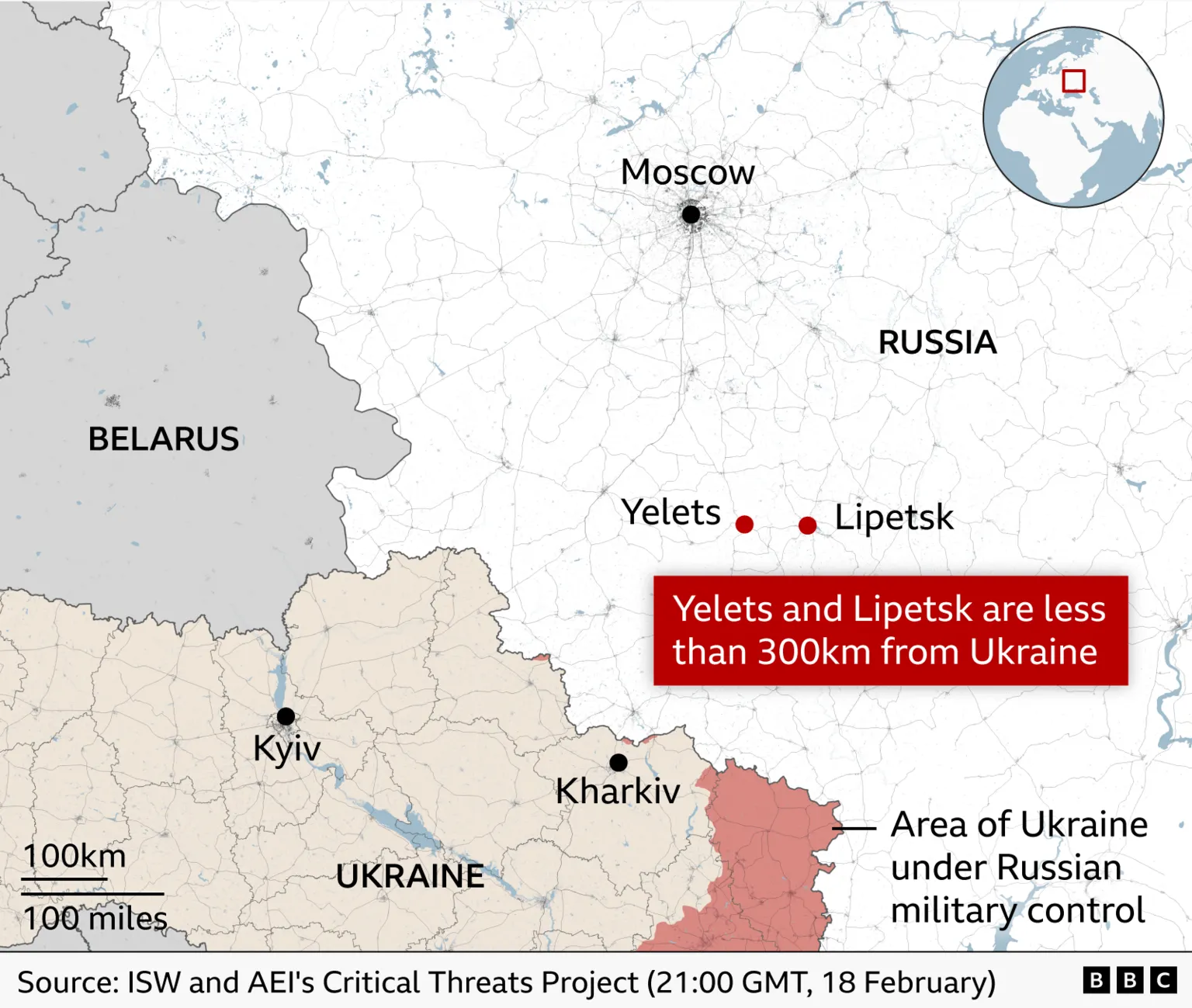
However, this town, located 350km (217 miles) south of Moscow, reveals a more transient fairy tale atmosphere. On the riverbank, an army recruitment billboard offers a one-off payment equivalent to £15,000 to anyone willing to enlist to fight in Ukraine. Nearby, a poster depicts a Russian soldier aiming a Kalashnikov rifle, accompanied by the slogan,
"We're there where we need to be."
The Kremlin launched its full-scale invasion of Ukraine on 24 February 2022. Internationally, this action was widely perceived as an attempt to coerce Kyiv back under Moscow's influence and to disrupt the post-Cold War security framework in Europe. The Russian leadership anticipated a swift and successful military campaign.
Four years later, Russia's war in Ukraine continues. It has now lasted longer than Nazi Germany's brutal conflict against the Soviet Union, known domestically as the Great Patriotic War. The consequences of this prolonged conflict are visible in Yelets.
Memorials and Losses in Yelets
A giant mural covers one side of a nine-storey apartment block in Yelets, portraying the faces of five Russian soldiers, all local men who lost their lives fighting in Ukraine. Above the images, the phrase
"Glory to the heroes of Russia!"is painted.
The Russian government does not officially disclose casualty figures for the so-called "special military operation," but battlefield losses are known to be substantial. Many towns and villages visited over the past two years feature museums and monuments dedicated to soldiers killed in Ukraine, alongside designated sections for recent war casualties in local cemeteries.
Irina, a ticket collector at the bus station, stopped to speak opposite the mural. She shared,
"My friend's husband was killed fighting there. The son of my cousin, too. And grandson. Lots of people have been killed. I feel sorry for these lads."
Irina struggles financially, stating,
"Utility bills are suffocating us. Prices are crushing us. It's very hard to get by."Despite this, she helps assemble aid packages for Russian soldiers on the front line. While she does not criticize the war, she expresses confusion about its purpose:
"In the Great Patriotic war, we knew what we were fighting for. I'm not sure what we're fighting for now."
Proximity to Conflict and Civil Defense Measures
The border with Ukraine lies 250km away, but the front line often feels closer. The Lipetsk region, where Yelets is situated, has been targeted by Ukrainian drones. Authorities have responded by installing emergency shelters around Yelets, including one at a bus stop and another in a park.
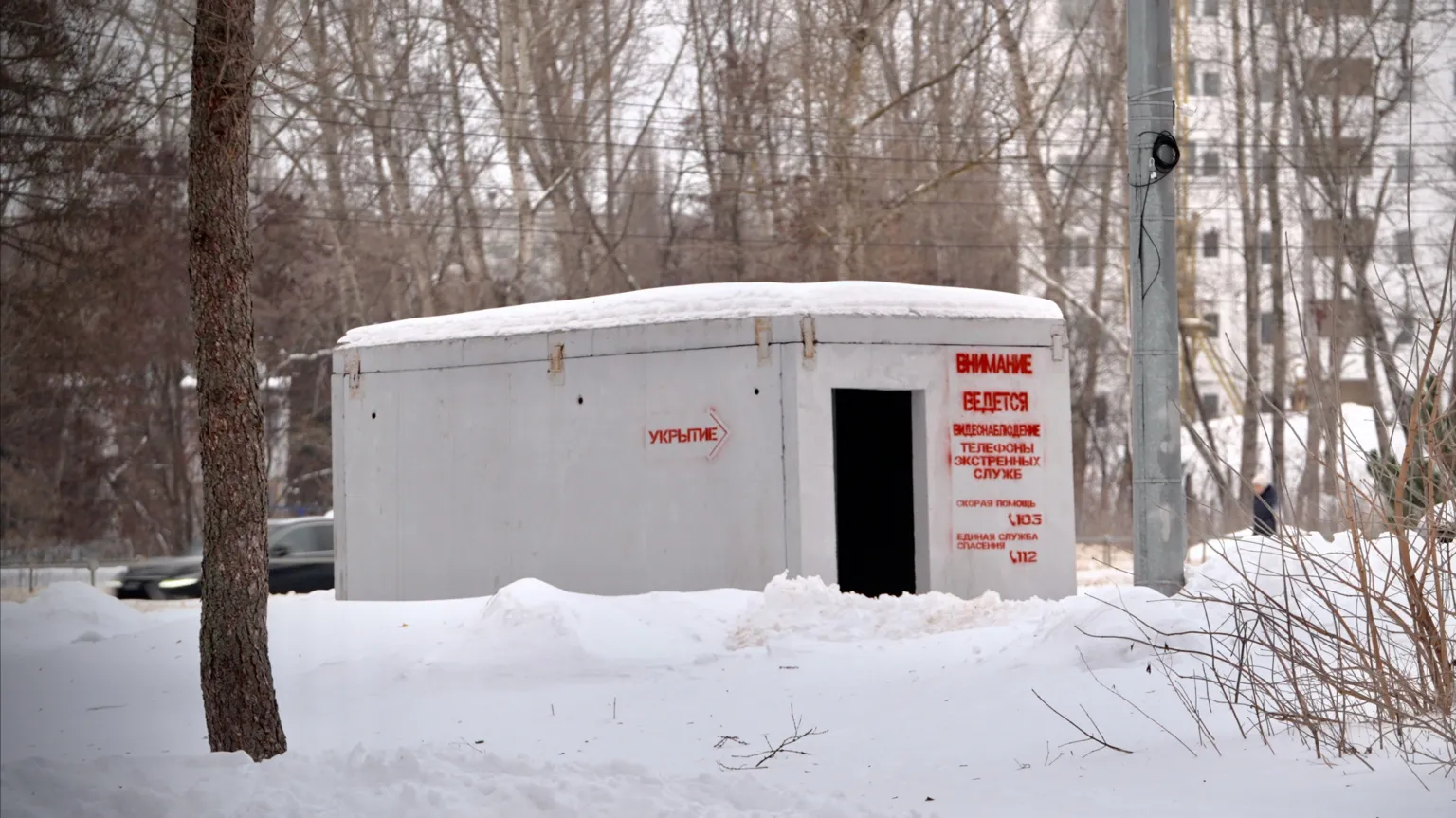
These concrete shelters stand as tangible reminders of President Vladimir Putin's "special military operation." Prior to the Kremlin's full-scale invasion, such shelters were unnecessary, as drone attacks on Russian territory had not occurred.

Residential buildings in Yelets also have designated shelters, typically in basements. Irina explained,
"The sirens go off almost every night. But I don't leave my building. We just go into the corridor where there are no windows."
War Symbols in Everyday Life
Signs of the war permeate everyday life in Yelets. For instance, a local pancake café incorporates the Latin letters V and Z—symbols associated with the "special military operation"—in its name. The sign outside reads:
"Grab a pancake, then the whole world."
This slogan reflects some of Vladimir Putin's statements. In St Petersburg last year, he declared,
"Where the foot of a Russian soldier steps, that's ours."Two years ago in Moscow, an electronic billboard displayed his quote:
"Russia's borders do not end anywhere."
Economic Strain and Government Measures
Wars impose significant financial burdens. With Russia's budget deficit increasing and the economy stagnating, the government raised the value-added tax (VAT) from 20% to 22%. The Finance Ministry indicated that the additional revenue would be allocated to "defence and security."
Russian state television has urged public understanding. TV anchor Dmitry Kiselev stated,
"We live in a time of war: a war forced on us by the West. We have to win it, and we can't get by without a war budget."
Impact on Small Businesses
Small enterprises are feeling the economic pressure. In a Yelets bakery, the aroma of freshly baked raisin bread, scones, and cream pastries is inviting. However, the shop has been affected by Russia's economic downturn and tax increases.
Owner Anastasiya Bykova explained,
"We've had to raise prices because our utility bills, rent and tax bills have all gone up. And the VAT increase means our ingredients are more expensive. Imagine we all have to shut down: our bakery, and the restaurant opposite. We try to make our town look good. But if we close, what's left? Just a dark grey patch."
Life in Lipetsk: War Reminders and Daily Challenges
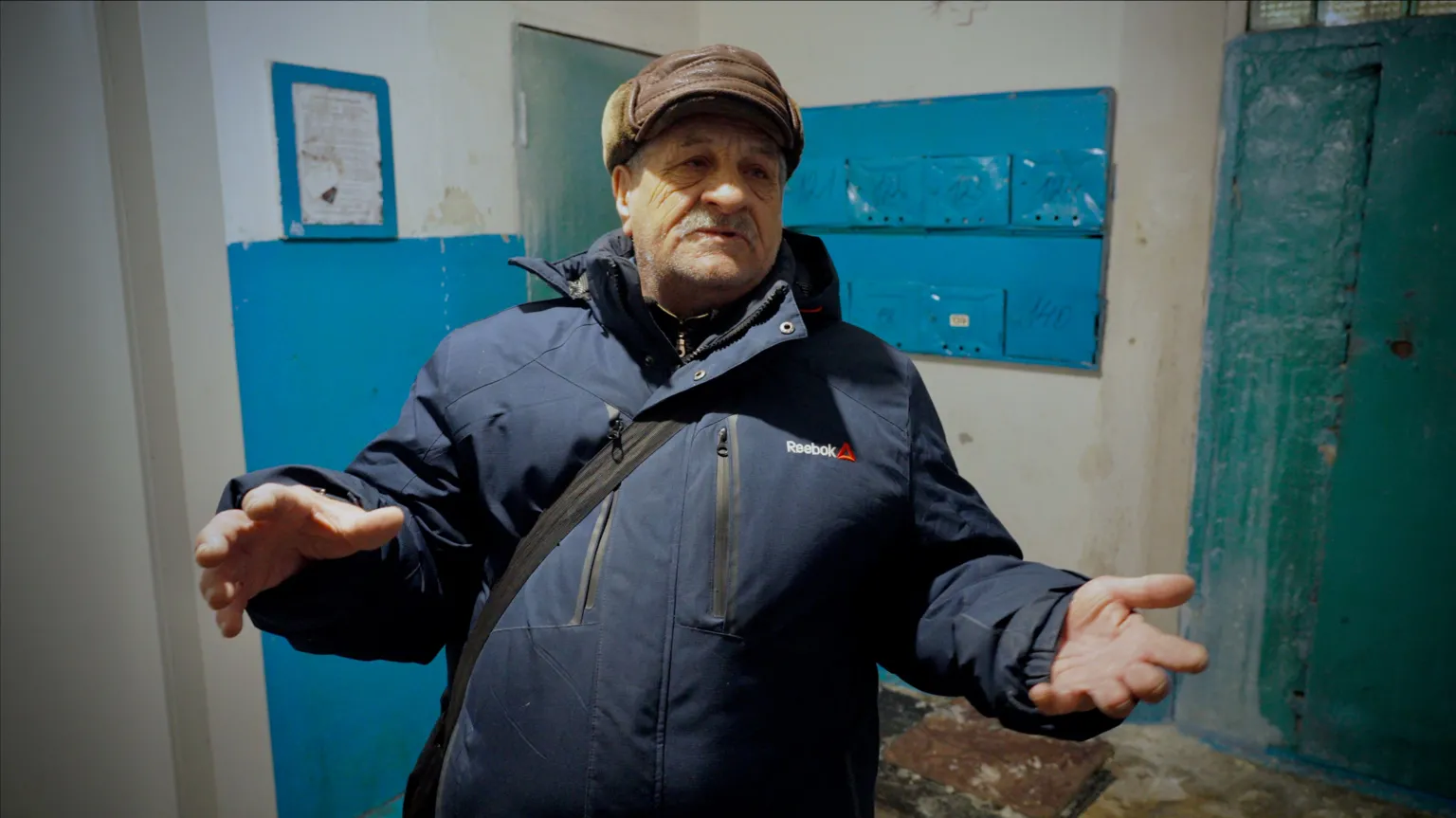
An hour's drive from Yelets, in the regional capital Lipetsk, there are further reminders of the war, including military posters and shelters. However, for pensioner Ivan Pavlovich, immediate concerns are more mundane. In the stairwell of his apartment block, a leaking pipe has caused ice on the wall, and the lift is out of service.
He expressed frustration over the lack of repairs and rising costs, stating,
"If I was younger, I'd go and fight there. The special military operation is excellent. It's just that prices keep rising. Pensions go up, but then prices go up even more. So, what do I gain? Nothing."
He added,
"Of course, we'd live more comfortably if there was no special operation. They spend a lot of money on it. People also give what they can. We need to help. I'm not complaining."
Outlook and Public Sentiment
Many Russians feel that life is becoming more difficult, with few believing they can influence change. As the war enters its fifth year, optimism is scarce. Residents in towns like Yelets are primarily focused on enduring the present hardships and hoping for improved circumstances in the future.


