Farmers fear drought as Italy's longest river begins to dry up
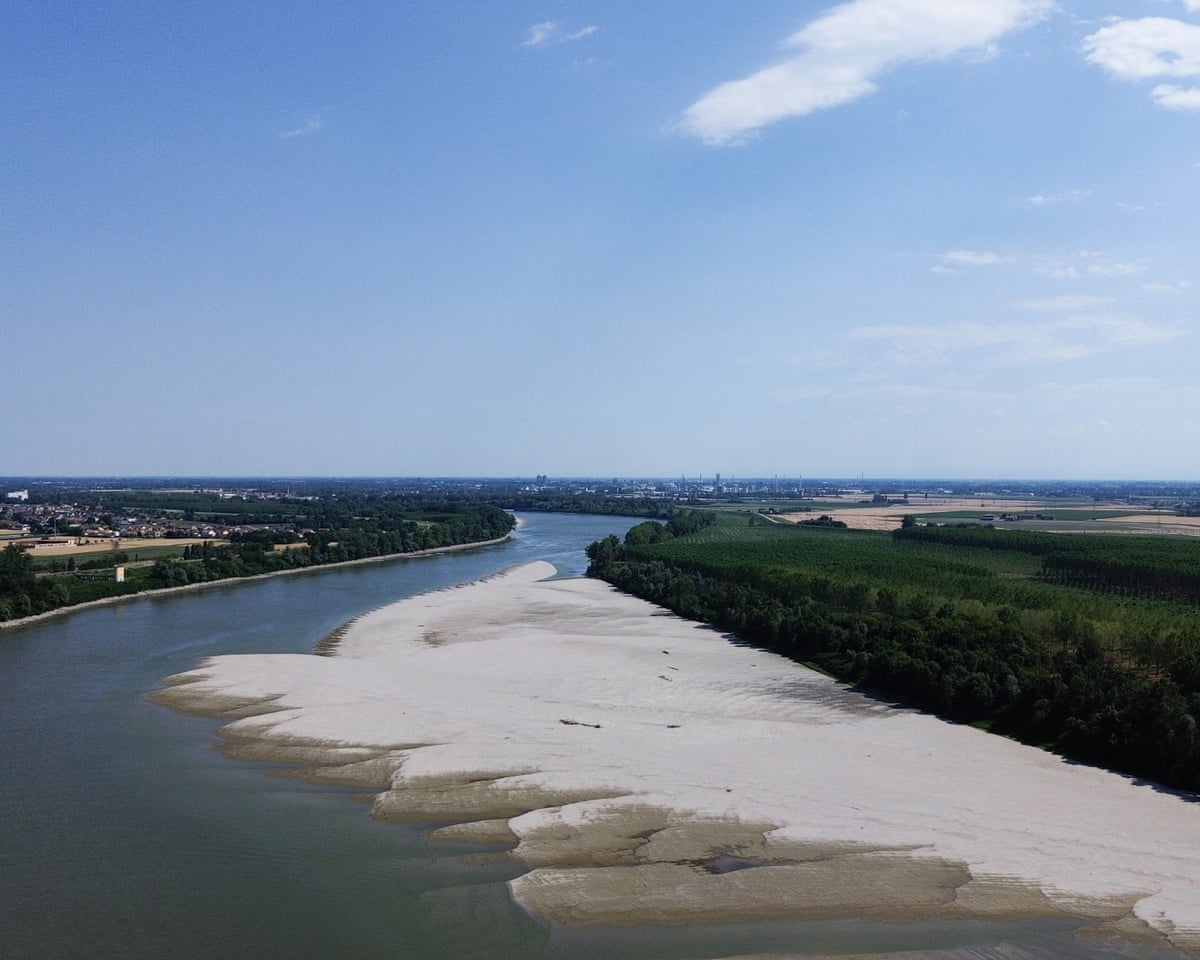
Seawater is intruding into Italy’s longest river as the Po River begins to run dry amid the ongoing heatwave, impacting a key agricultural region responsible for producing milk used in Parmesan cheese.
The Po River has reached historically low levels this early in the year, prompting concerns about a severe drought in July in northern Italy.
On the bank of one of its tributaries, farmer Federica Vidali observed her sunflower field with concern. Although the first blooms of the season have appeared, parts of the field are already dry and cracking. One of the two irrigation canals has been closed to prevent seawater intrusion that could damage crops.
“We’re left with the water that others are willing to leave us. But we’re not second-division farmers!” Vidali told AFP.
The flow of the Po River has drastically declined in a matter of days, dropping below 300 cubic meters per second compared to an average of approximately 1,500 in June, according to Aipo, the interregional river agency.
“It has never dropped so fast, so early,” said Stefano Calderoni of the Italian irrigation association (Anbi).
Sandbanks are increasing, water depths have fallen to barely one meter in some areas, and the remaining fishermen along the river are enduring the heat.
“Before, we used to pass on the left; now the passage is to the right of the sandbank, and it’s very, very narrow,” said Daniela Cuoghi, a surveyor for Aipo.
The numerous Alpine lakes feeding the Po Valley, Italy’s agro-industrial heartland, remain about 60 percent full. However, farmers are heavily drawing from these waterways to irrigate fields parched by the heat.
Although winter precipitation was adequate, the mountain snowpack that typically replenishes the lakes has already melted due to climate change.
“We’re not in a drought situation yet, but at this rate, there’s less than three weeks of water left in reserve,” said Damiano Di Simine, an expert with environmental group Legambiente.
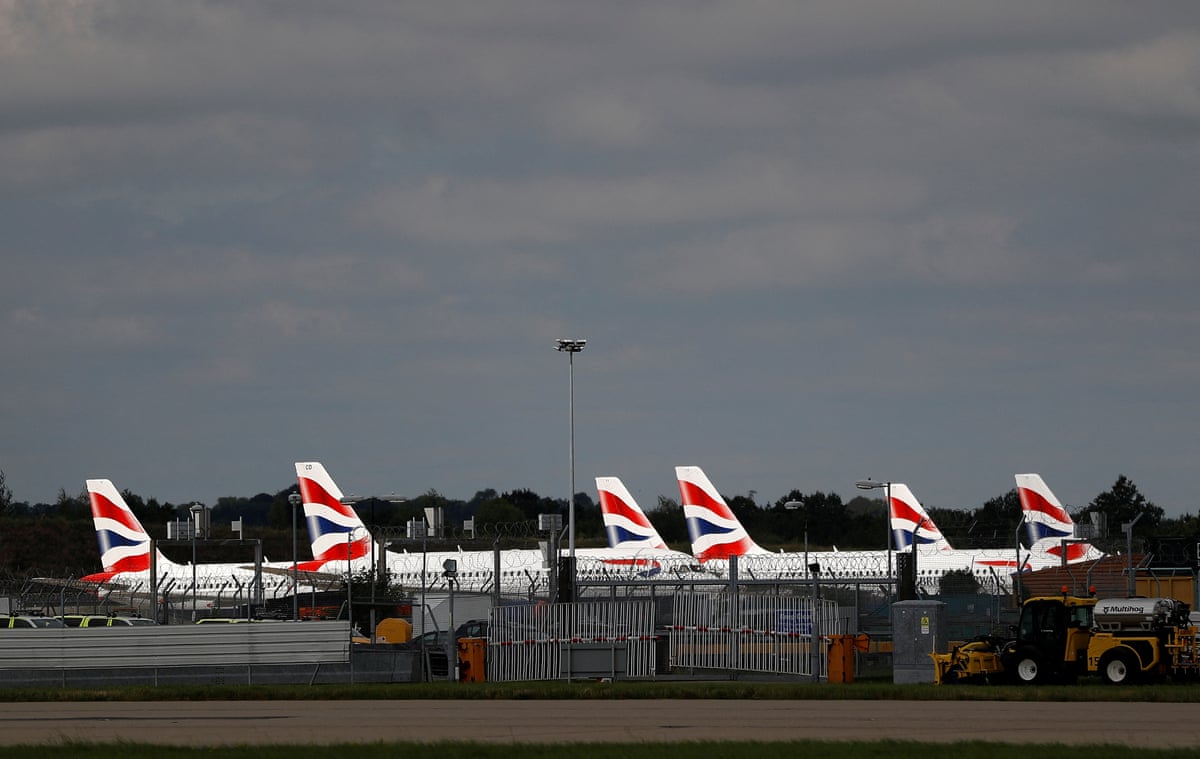
More than 700 flights delayed at London Heathrow and Gatwick airports due to stormy weather
Over 700 flights have experienced delays at London Heathrow and Gatwick airports, some attributed to thunderstorms accompanying the record-breaking heatwave.
Flight tracking website FlightAware reported 379 delayed flights arriving and departing Heathrow and 385 at Gatwick so far today. Additionally, 68 flights were cancelled at Heathrow and 31 at Gatwick.
A Gatwick spokesperson stated:
“Due to ongoing thunderstorms across the network last night, temporary air traffic restrictions were put in place, which resulted in some flights being delayed and cancelled this morning. Passengers should contact their airline for further information.”
has reached out to Heathrow for comment.
Slovakia breaks night temperature record with minimum not falling below 26.3C
Romania has issued a red alert warning that nearly the entire country will face extreme heat from Monday to Wednesday.
Slovakia issued a similar warning and confirmed that Friday night was the warmest on record, with temperatures not dropping below 26.3C.
The Czech Republic, Hungary, and Moldova are also on highest alert for the weekend, with Balkan countries preparing for challenging conditions.
After decades of warnings, why is Europe so unprepared for rising heat?
Despite longstanding warnings and increasing awareness, heatwaves continue to severely impact large parts of Europe.
Several hospitals in England have declared critical incidents due to extreme heat, with transport systems disrupted and wildfires breaking out.
In France, where temperatures have exceeded 40C in some regions, more than four young children have died inside hot vehicles, and two nuclear reactors have been forced to shut down due to insufficient cooling water.
Questions remain as to why Europe remains inadequately prepared for escalating heat risks.
While much of western Europe braces for temperatures above 40C today, countries farther east, typically more vulnerable to climate crises, are experiencing milder weather, writes Helena Smith, ’s Athens-based correspondent.
Greece, unlike much of western Europe, is neither sweltering nor issuing emergency weather warnings. The temperature in Athens was recorded at 31C at noon today, with forecasts predicting 30C at noon on Sunday, according to Meteo, the official weather portal of Athens’ national observatory.
The arrival of northerly winds, a typical summer pattern, has brought some relief but also wildfires. Authorities are actively combating fires that erupted earlier in the day in Thiva, 52 miles (85 km) north of Athens.

Budapest prepares for first Pride event after political change amid heatwave
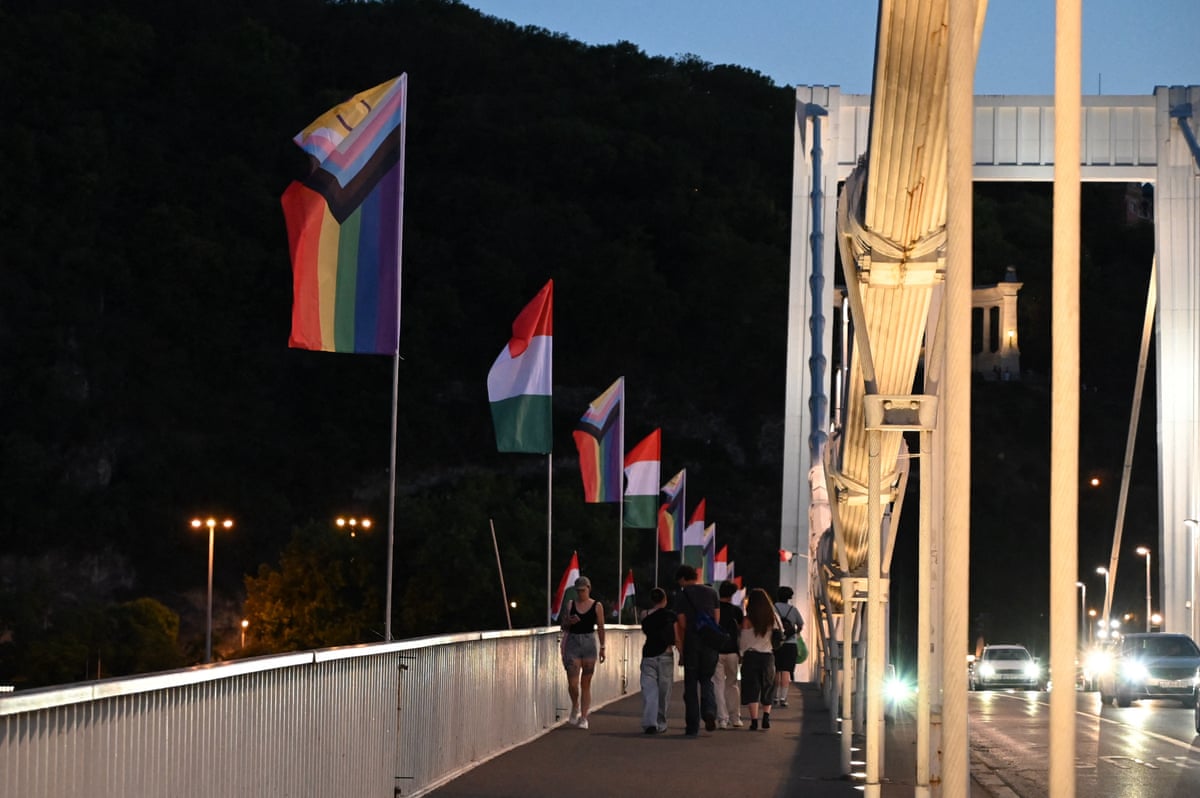
Budapest is preparing to host its first Pride event since the ousting of former leader Viktor Orbán, who had imposed a years-long crackdown on LGBTQ+ rights. Temperatures in the Hungarian capital are expected to reach 38C.
Speaking to ’s European community affairs correspondent Ashifa Kassam, organisers emphasized the event’s significance.

“This year’s event is particularly important because it is about hope, caution and perseverance all at once.”
“Budapest Pride’s hope is that LGBTQ people in Hungary will finally be seen not as political targets, but as whole citizens,” said Petra Buzás, part of the organising team.
Extreme heat persists across large parts of Europe as heatwave moves east
Much of Europe faces another day of intense heat as the heatwave shifts northeast across the continent.
Highest weather warnings have been issued in France, Switzerland, Germany, Austria, and Hungary. Scientists at the Copernicus Climate Change Service describe the heatwave affecting western Europe as "the most severe ever recorded."
In Bratislava, temperatures did not fall below 26.3C overnight, marking the highest minimum daily air temperature recorded in the capital, surpassing the previous record of 24.8C set in 2017. The Slovak Hydrometeorological Institute stated:
“Today the temperature in the warmest locations will reach at least 39C and tomorrow will be even a little warmer.”
The Netherlands Meteorological Institute has issued a red weather alert for much of the country due to extreme heat, with temperatures expected to reach 40C.
The extreme weather is placing healthcare systems under significant strain in several countries, with Spain reporting increased hospital admissions related to heat stress.
Amber warning for extreme heat in the UK
Although temperatures will be lower in the UK, an amber warning for extreme heat remains in effect over parts of East Anglia and southeast England today.
The Met Office forecasts temperatures reaching the low 30s Celsius in these regions.
Families, including parents with newborns, are booking air-conditioned hotel rooms to escape the UK heatwave, with companies reporting a surge in demand.
Data from accommodation reservation website Booking.com shows that since 1 June, the share of searches using the “air-conditioning” filter has tripled across Great Britain, coinciding with the heatwave.
Heartwood Inns, which operates pubs with rooms across the UK, reported 86% occupancy this week, with many sites near capacity. Approximately one-third of inquiries now ask if rooms have air conditioning before booking.
The chain has also noted increased inquiries from parents with newborn babies seeking air-conditioned rooms to help infants sleep comfortably amid the heat.
Germany under high temperature warnings
Germany has issued a high temperature warning across all 16 states, most categorized as “extreme heat.”
The German Weather Service stated:
“The heatwave is set to peak today. Temperatures of over 36C are expected across the board, with localised highs of up to 42C degrees possible.”

Nearly half of European cities breaking heat records, research shows
Analysis by scientists from the Copernicus Climate Change Service found temperatures in the UK, Germany, France, Italy, and Spain were between 5C and 12C above seasonal averages.
The study examined 854 European cities and found that 45% had broken or were forecast to break heat records. Researchers used the wet bulb globe temperature metric, which combines air temperature, humidity, wind speed, and solar radiation to estimate heat stress in outdoor conditions.
Opening summary
The UK is expected to receive some relief from this week’s record-breaking heat over the weekend, while much of the rest of Europe remains gripped by an intense heatwave moving eastward.
Germany provisionally recorded its highest temperature ever yesterday, reaching 41.3C near Saarbrücken close to the French border. Forecasters predict the hottest conditions will spread into central and eastern Europe, including Poland and the Balkans, over the weekend.
The Ironman European Championship in Frankfurt, scheduled for tomorrow, has adapted to the extreme heat by shortening both the cycling and running courses.
“The heatwave is going to peak at the weekend, well over 40C in some parts of Germany,” Karsten Brandt, meteorologist at weather forecasting site Donnerwetter.de, told .
France has borne the brunt of the heatwave, with temperatures exceeding 40C in some regions. The extreme heat has contributed to multiple fatalities in recent days, including dozens of drownings as people sought relief, deaths of children left in hot vehicles, and heat stress-related fatalities.
The Pride march planned in Paris this weekend was postponed after police requested organisers to move the event to ease pressure on emergency services responding to the heatwave.
In contrast, Budapest Pride organisers confirmed the event will proceed as planned despite forecast temperatures of 38C. The march aims to send a message to Hungary’s new government following last year’s ban under former leader Viktor Orbán, highlighting ongoing public support for LGBTQ+ rights.
“This year’s Pride will send an important signal to the new government: these issues are still relevant, and we still face exclusion in many areas of life,” Hungarian transgender activist Pippin Nadori told AFP.
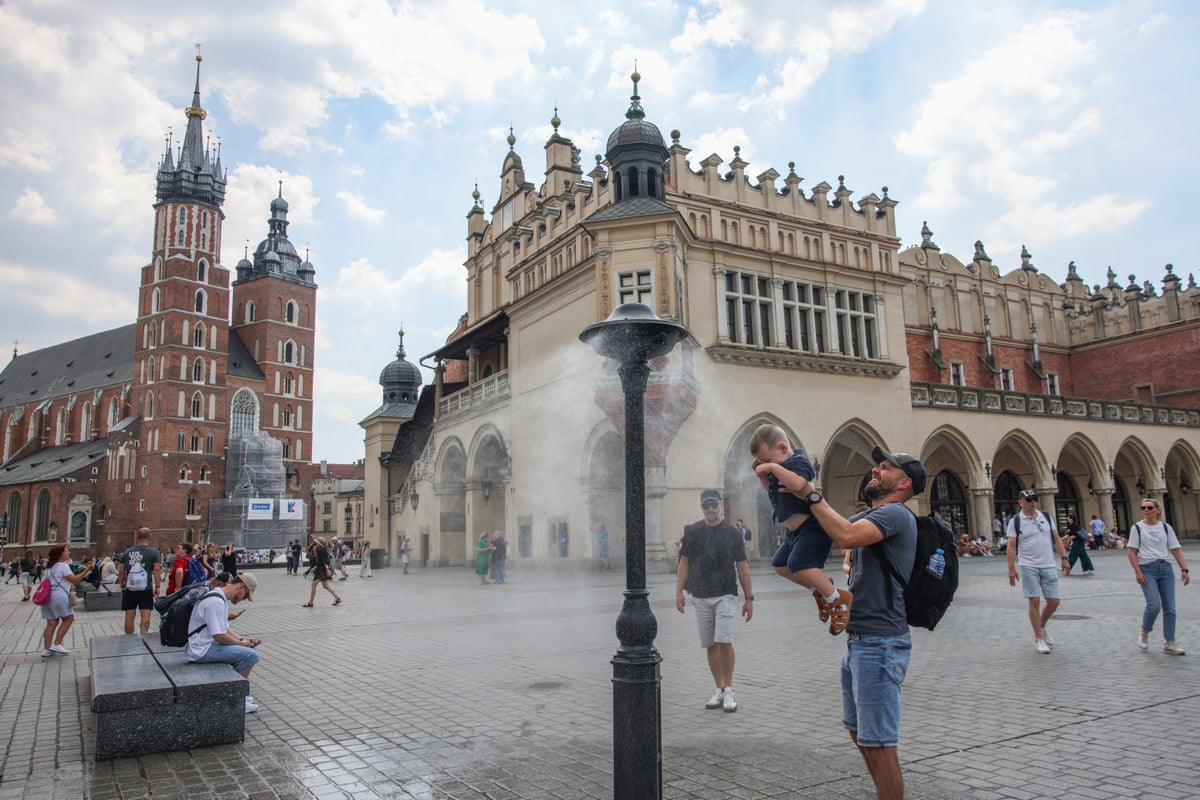
The UK provisionally broke its June temperature record for the third consecutive day yesterday, reaching 37.3C at Santon Downham in Suffolk. Prior to this week, the June record was 35.6C from 1976.
Andy Page, chief forecaster at the Met Office, said the UK will experience a gradual shift in conditions over the weekend, with southeast England retaining the warmest weather the longest. He added that an amber extreme heat warning remains in place for much of today, with temperatures expected to peak in the low 30s.