Dutch schools go 'tropical' and 'cool-down' spots in Amsterdam
Much like the UK, countries across Europe are experiencing intense heat this week as Europe faces a severe heatwave with temperature records expected to be broken in the coming days.
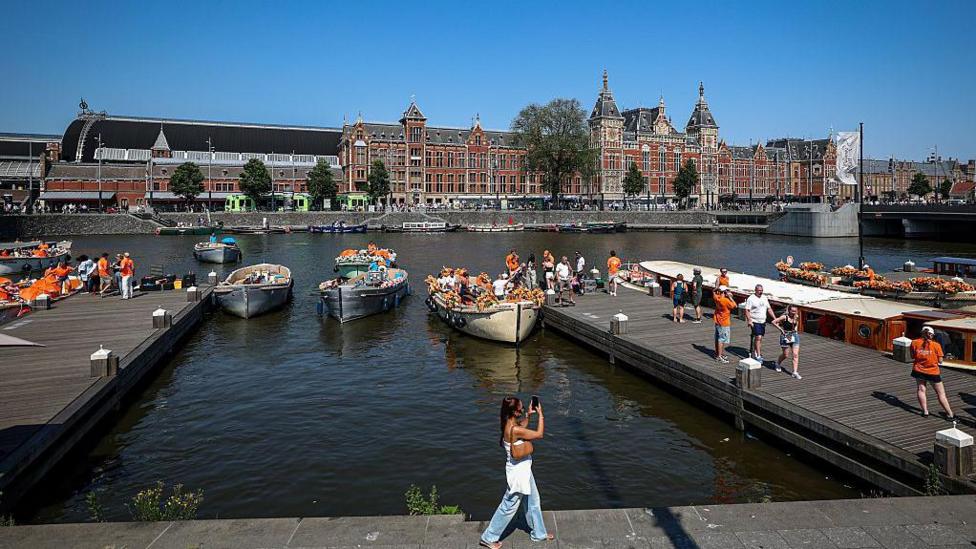
Amsterdam is implementing a network of "cool‑down" spots throughout the city to provide residents relief from the extreme heat. These locations include libraries, city farms, theatres, churches, community centres, and supermarkets, offering seating, drinking water, and toilets. Many of these spots also welcome pets.
During the pilot phase, most of the 12 cool‑down spots are concentrated in Nieuw‑West, the district identified by city modelling as having the highest heat risk. Officials considered factors such as available shade, the number of vulnerable residents including young children and the elderly, and how quickly homes heat up.
Schools are also adjusting their schedules, adopting "tropical" timetables with shorter school days or fewer lessons, more breaks, increased hydration, and enhanced ventilation. Each school determines its own measures as there is no legal maximum classroom temperature. The guiding principle is ensuring pupils and teachers can work in safe and healthy conditions.
Free cinema tickets and a French chalk frenzy
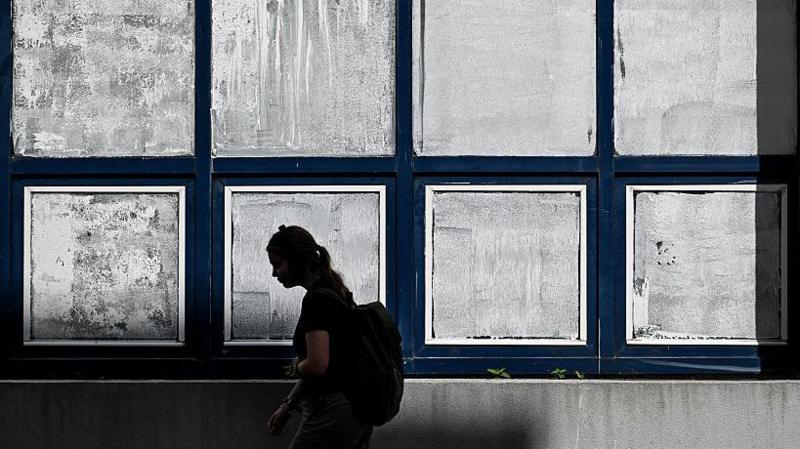
In Nantes, a school has applied chalk to its windows to shade pupils from the heat, reducing indoor temperatures.
In Paris's 10th arrondissement, the town hall is offering free cinema tickets to help residents escape the heat. This initiative involves three independent, air-conditioned cinemas and is available for afternoon sessions only to individuals under 25 or over 65.
Cinemas, libraries, and museums have been identified as key locations for people to seek refuge from the heat. Some towns, such as Lyon, have temporarily waived entrance fees for municipal museums.
French newspapers report a surge in demand for Blanc de Meudon (Meudon Whiting), a chalky powder sold in DIY shops. When mixed with water and painted on windows, it reduces the sun's intensity and lowers indoor temperatures effectively.
Fountains, pools and sprinklers working overtime in Spain
In the north-eastern Spanish region of Aragón, some of the highest temperatures of the heatwave have been recorded. Cities like Zaragoza and Huesca have responded by reducing entry fees for public swimming pools.
Logroño, expecting temperatures up to 40°C on Tuesday, has made swimming pool entry free for the heatwave's duration. Ornamental fountains remain operational until 23:00, and water sprinklers have been activated in several city areas to help residents cool off.
Due to fire risks from extreme heat, some traditional festivities have been modified. For example, the bonfire for the festival of San Juan has been suspended in some locations, and León has cancelled a fireworks display scheduled for the evening.
Many cities have established "heat refuges," air-conditioned public buildings where people can seek relief from the heat. A 2024 law mandates protections for Spanish workers during heatwaves, including prohibiting outdoor manual work during the hottest hours.

Furlough pay for Italian workers - and don't forget to eat pasta
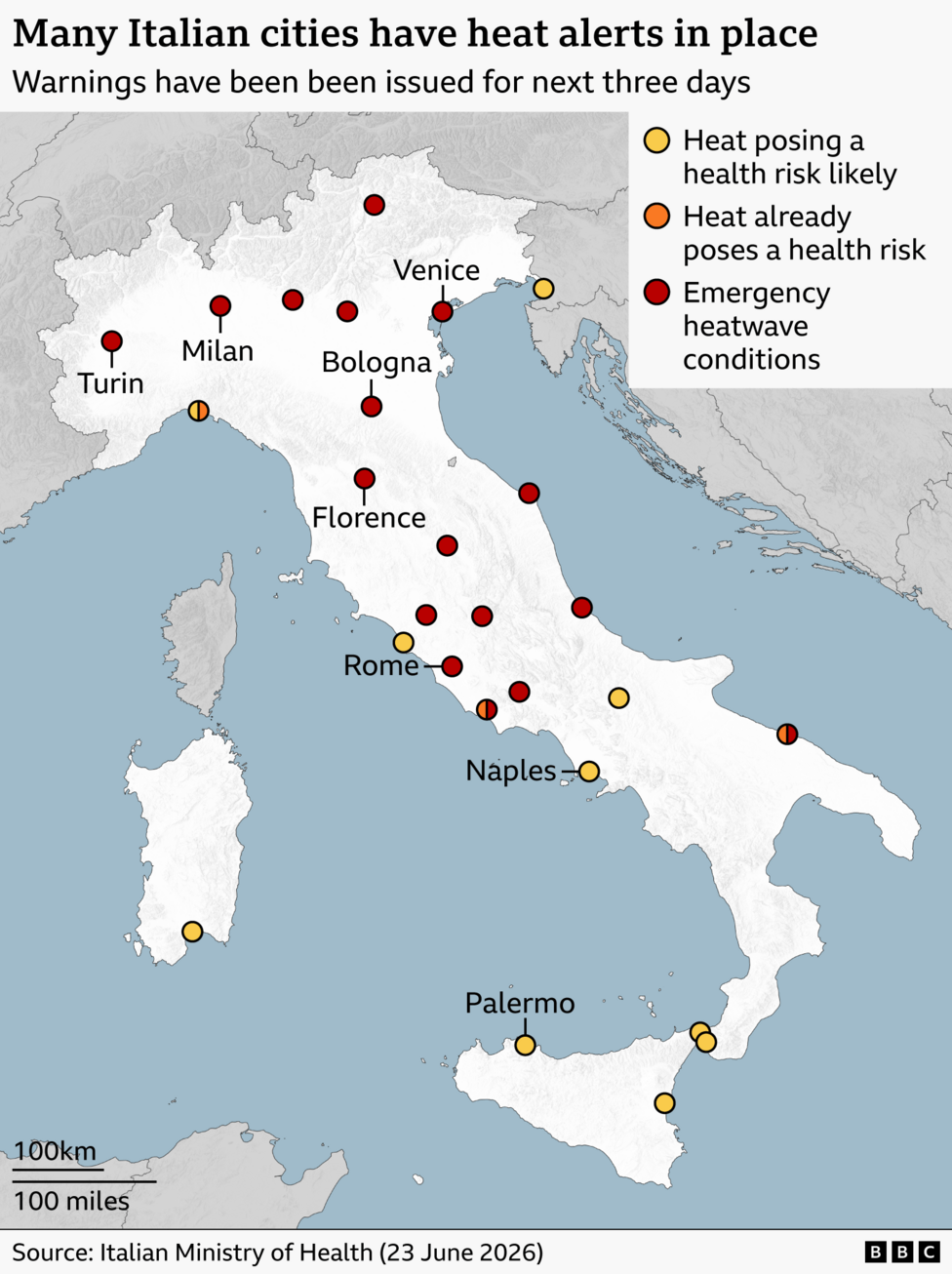
More than a dozen Italian cities are under a red heat warning, with the list expected to grow. The most affected areas are in central and northern Italy.
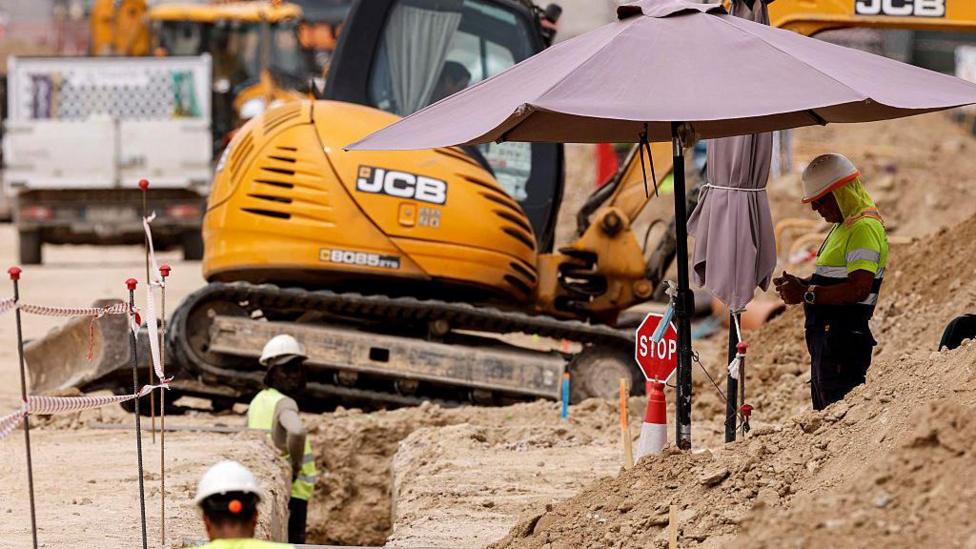
In response, the Italian government has reintroduced measures to assist workers exposed to extreme heat, such as farmers, construction workers, and those indoors with poor ventilation. Certain businesses may suspend or reduce activities during high temperatures and access state funds for furlough payments.
Air conditioning usage is widespread where available, with shutters closed to keep interiors cool. Vulnerable populations are advised to visit air-conditioned public spaces.
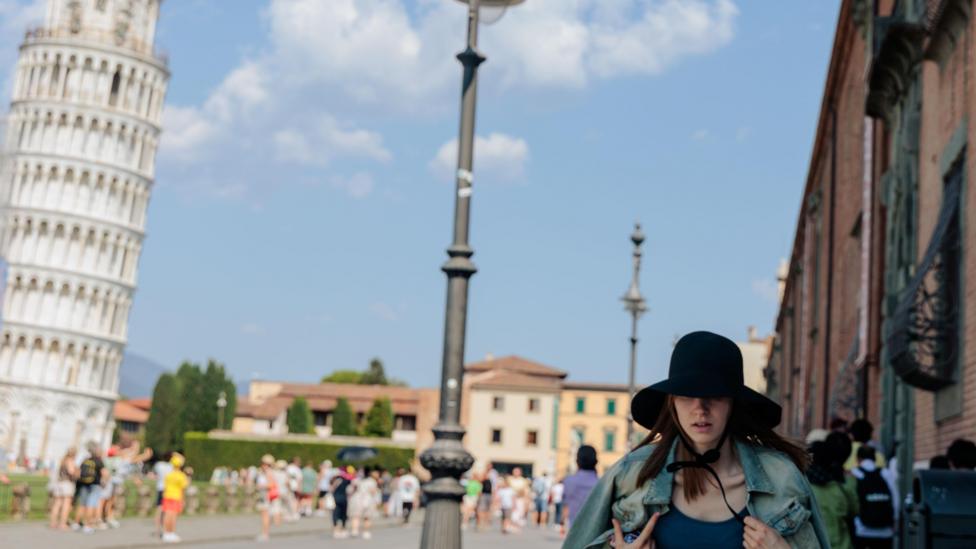
In Palermo, horse-drawn carriage rides for tourists are restricted to evenings or cooler days. In Turin, some restaurants have closed terraces, while in Rome and other cities, outdoor fans and sprinklers operate extensively.
The health ministry recommends choosing pasta over meat and replacing dehydrating beverages like coffee or beer with water.
Old Belgian trains pulled from service and divine cooling for pupils
Belgium is approaching its hottest days of the week, with an orange alert expected nationwide. Temperatures in some areas are nearing the high 30s Celsius, with a chance to break the June record of 36.8°C set in 1947.
The federal government held an emergency meeting on Tuesday to address the situation. Travel is affected as older commuter trains without air conditioning have been temporarily withdrawn from service. Additional services are planned to accommodate crowds heading to the northern coast.
In the Brussels suburb of Tervuren, teenage students took exams inside a church to benefit from cooler conditions. The local pastor commented on social media:
"Kids are doing their best and the Holy Spirit is doing the rest,"
Bermuda shorts for posties in Germany
Germany is preparing for record-breaking June temperatures, potentially reaching 40°C in the west and south-west by Friday.
Deutsche Post has advised postal workers to wear long-sleeved shirts and caps, while DHL Group allows ordering Bermuda shorts from their corporate clothing catalogue.
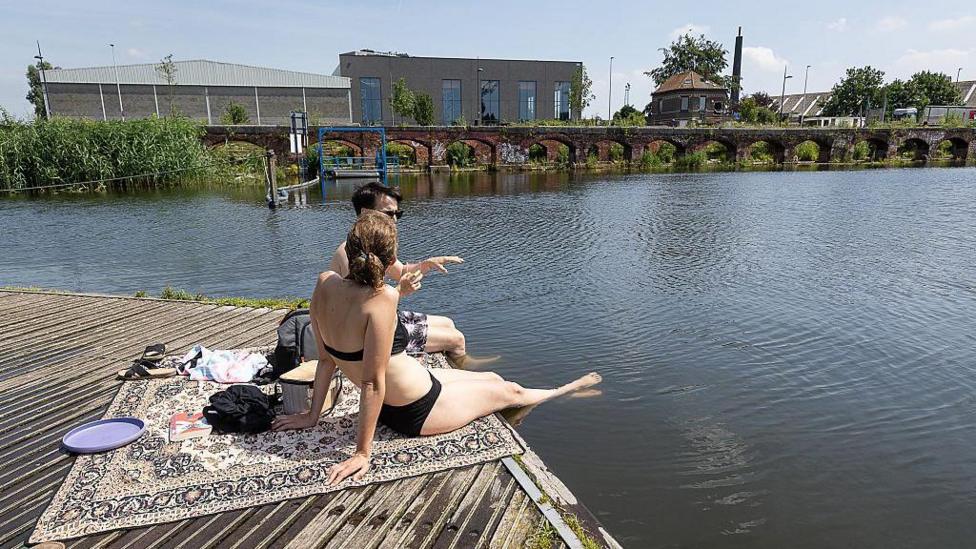
Following several drowning incidents over the weekend, the German Life Saving Association (DLRG) cautions the public about swimming dangers during the heatwave.
The Conservation Association for German Forests warns that the risk of forest fires is significantly increased and prohibits lighting fires outside designated fire pits in or near forests.
DAK health insurance has established a hotline to provide guidance on coping with the heat.
- How to keep your home cool in hot weather
- What are the heat exhaustion and heatstroke symptoms?
- Can you keep your kids off school or refuse to work during a heatwave?