Denmark to go to polls on 24 March, Frederiksen says
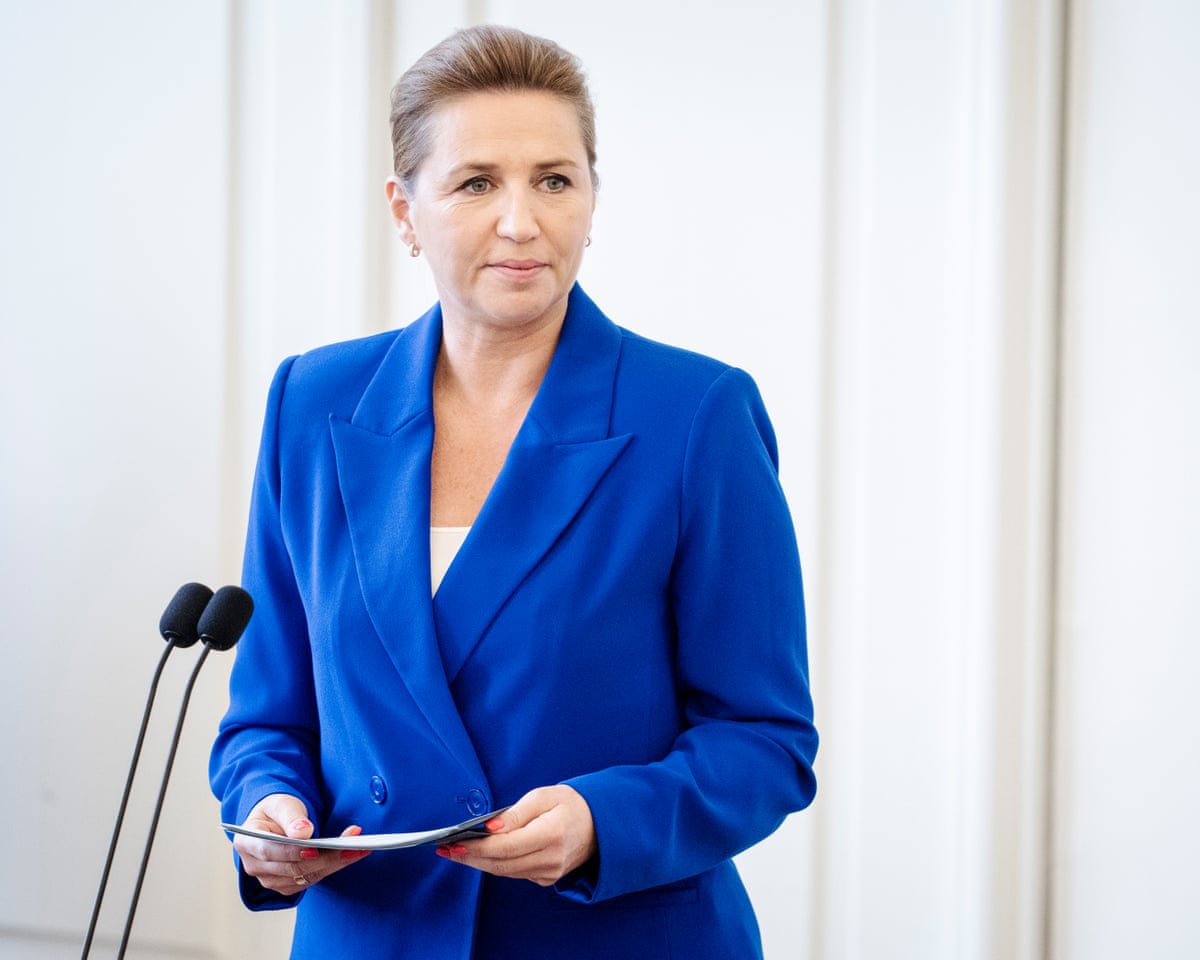
Mette Frederiksen has announced that Denmark will hold general elections on 24 March. The prime minister made this declaration amid ongoing speculation about the timing of the vote, which must take place by 31 October this year.
Observers await a formal commitment from Frederiksen regarding the exact election date, as the announcement aligns with expectations that elections will be held this year.
We will continue to provide updates on this developing story.
Danes 'will soon be going to polls,' PM Frederiksen says
In a special statement to the Danish parliament, Frederiksen remarked:
“Winter has finally let go, and the days are getting longer and brighter. It will soon be spring – and the Danes will soon be going to the polls.”
Denmark's Frederiksen requests 'statement of special nature' in parliament amid election speculation
In Copenhagen, Frederiksen intensified election speculation by submitting a note to the speaker of the Danish parliament requesting the floor for a “statement of a special nature.” This move was shared on social media and is seen as the strongest indication yet of an imminent election announcement.
Further details are awaited.
Belgium prepares to deploy air-defence system over Antwerp port to guard against drone disruption
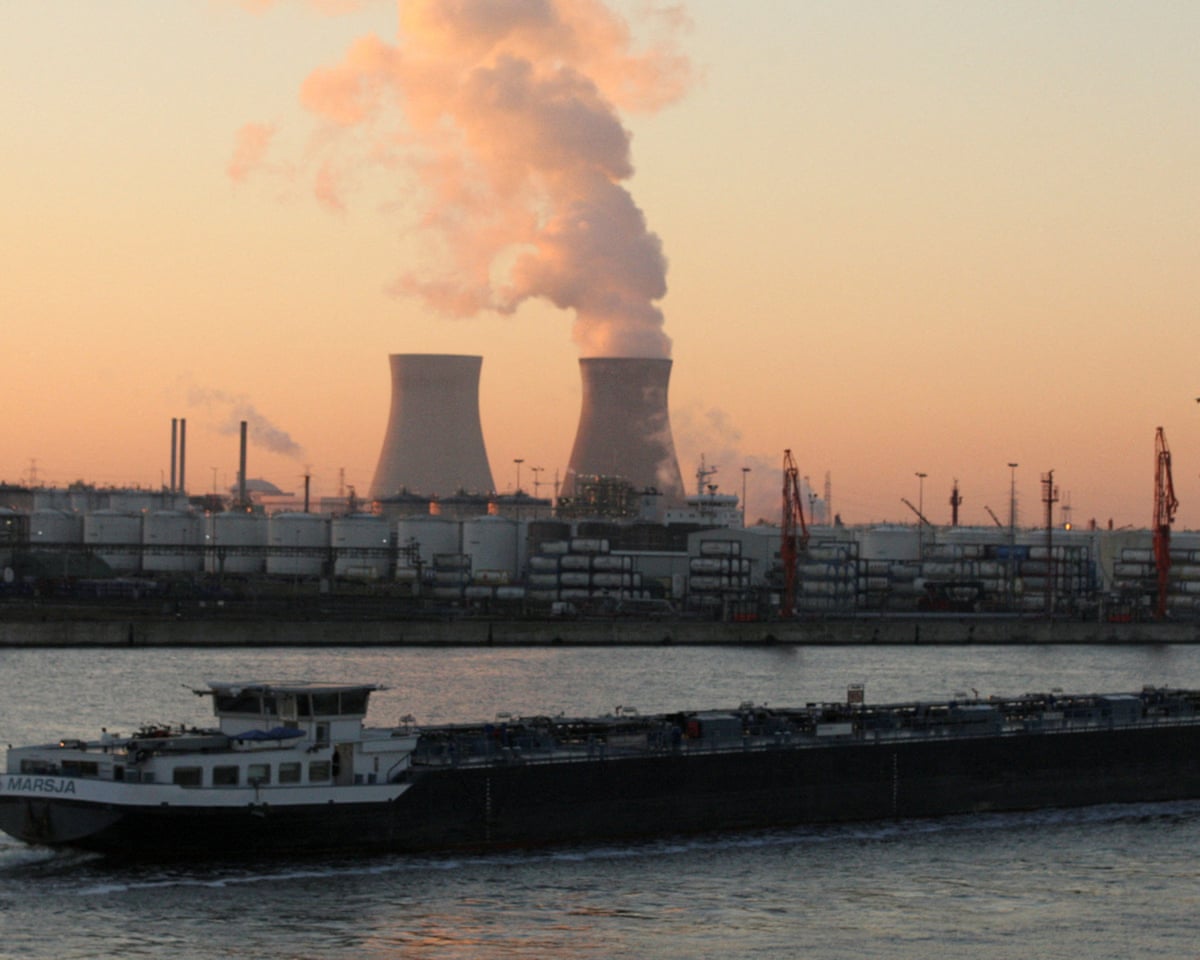
Belgium is preparing to deploy an air-defence system at the port of Antwerp to counter increasing drone threats targeting critical infrastructure, according to .
This initiative follows a series of drone incursions last year that caused temporary shutdowns at Belgian airports and a military airbase. Multiple drone sightings were reported over the port of Antwerp, including areas above nuclear power plants, the BASF chemical complex, and the Europa container terminal, raising concerns about the security of key industrial and energy sites.
A spokesperson declined to provide specific details about the plans, citing operational security, but confirmed that the system will be ordered soon.
Nordic region on high alert over alleged threat against energy infrastructure - media report
The Nordic countries have heightened security measures amid reports of a potential threat to their energy infrastructure. Sweden’s TV4 reported that an actor, believed to be linked to a foreign power, has threatened the energy network across the Nordic region, including Sweden.
Authorities and police units have been placed on high alert and instructed to closely monitor critical infrastructure. The potential incident is reported to be imminent, according to TV4. This report has been widely circulated, though has not independently verified it and has sought comment from Sweden’s signal intelligence agency.
Hungary's Orbán calls for EU 'fact-finding mission' to inspect Druzhba pipeline
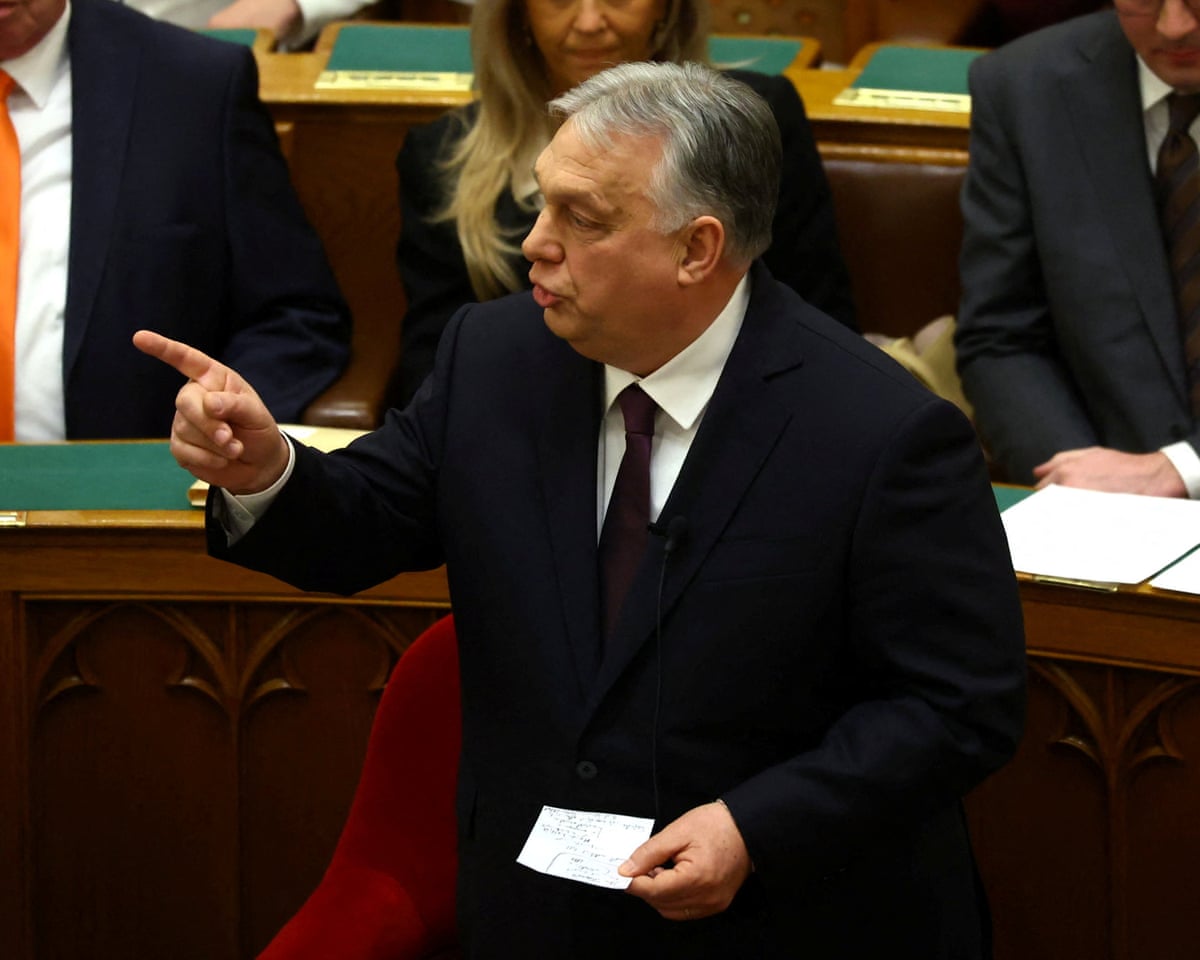
Hungarian Prime Minister Viktor Orbán has called on the European Union to establish a “fact-finding mission” to inspect the Druzhba oil pipeline amid escalating tensions with Ukraine.
In a letter to European Council President António Costa, Orbán stated that the mission aims to “facilitate the timely resolution of this issue,” which has delayed the EU’s €90 billion loan to Ukraine and the adoption of the 20th package of sanctions against Russia.
Orbán requested that experts from Hungary and Slovakia, both affected by the disrupted oil transit via the pipeline, be included in the mission. He assured that Hungary would accept the mission’s findings regardless of the outcome.
Keeping close eye on Denmark amid election speculation
Speculation continues in Copenhagen that Mette Frederiksen may call a general election imminently. The date of 24 March had been anticipated as a potential election day, with the deadline for holding elections being 31 October.
Frederiksen’s arrival at the Folketinget, the Danish parliament, generated excitement among politicians and journalists. She mentioned she was attending to vote on food support legislation “amongst other things” and entered the chamber smiling with a red folder under her arm. She was seen embracing colleagues around the chamber.
Social Democrat Yildiz Akdogan posted on X asking the prime minister:
“Is the election coming?”
US-Ukraine Geneva talks to focus on postwar reconstruction plans
In Geneva, US and Ukrainian negotiators are scheduled to hold talks focusing on postwar reconstruction as part of efforts to end the Russian invasion of Ukraine, reported.
The discussions, centered on the so-called “prosperity package” for Ukraine, were expected to begin around midday. These talks are separate from trilateral negotiations involving Russia, which seek a resolution to the conflict.

The US delegation is also conducting separate talks with Iran in Geneva.
Polish foreign minister Sikorski addresses US-Poland relations and defence spending
Polish Foreign Minister Radosław Sikorski addressed the Polish parliament, emphasizing the importance of the US as Poland’s key military partner while cautioning against complacency.
He stated:
“We view the shifts in the US with understanding, but also with unease. We remember the history of support for Poland from presidents like Woodrow Wilson and Ronald Reagan during the various eras when we fought for our independence.
But we also remember Yalta. After the fall of Nazi Germany, president Franklin Roosevelt sought Stalin’s help in the war against Japan. He secured it, but at the expense of freedom for this part of Europe. The American national interest was served; we were the ones who paid the price.
I submit this for the consideration of those who want international relations to be based solely on a ruthless struggle for narrowly defined interests. It is not for us to define the US national interest. I ask the right side of this chamber: has it not dawned on you that the day before yesterday, the United States – just like China – abstained from the UN general assembly vote on the inviolability of Ukraine’s borders?
If we replace 1945 Japan with today’s China, can we be certain that American interests will remain aligned with Polish ones?
We have been, and will remain, a loyal ally of America – but we cannot afford to be suckers.”
Sikorski highlighted Poland’s increased defence spending and leadership within NATO’s European members, noting billions spent on defence purchases, including from the US.
He also referenced Polish casualties in military operations in Iran and Afghanistan, responding indirectly to recent US comments minimizing non-US contributions.
Sikorski acknowledged shifting public opinion, citing a poll indicating 54% of Poles do not consider the US a reliable ally, with only 35% expressing confidence.
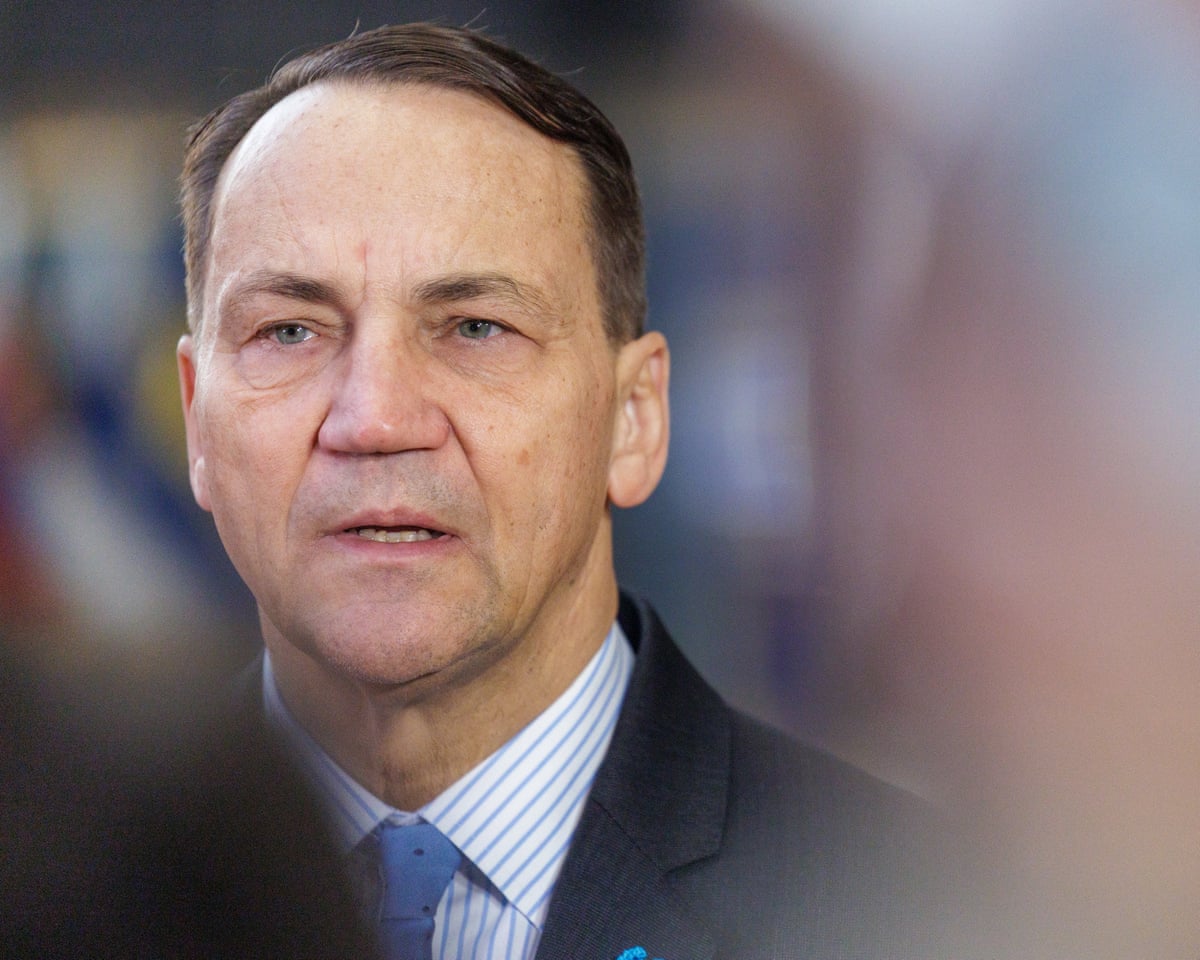
Defending Nato's eastern flank from Russia would cost €1.2tn, Poland says
Polish Foreign Minister Radosław Sikorski warned that defending NATO’s eastern flank against potential Russian aggression would require at least €1.2 trillion ($1.42 trillion), according to a parliamentary speech reported by .
He noted:
“Defending the countries of Nato’s eastern flank in the event of a potential Russian aggression would cost at least twelve hundred billion euros - twenty-four times more than the Polish defence budget.”
Sikorski compared this to the nearly €200 billion the EU and member states have provided to Ukraine since 2022.
He emphasized the strategic importance of a free Ukraine as part of the West to weaken Russian imperialism, stating:
“Despite what its propaganda claims, Russia is by no means winning. Don’t fall for it. Russia is not, and never has been, invincible.”
Sikorski also acknowledged the economic contributions of Ukrainian migrants and refugees in Poland, estimating their addition to Poland’s GDP at PLN 100 billion (€24 billion), equivalent to half of the country’s annual healthcare budget.
Morning opening
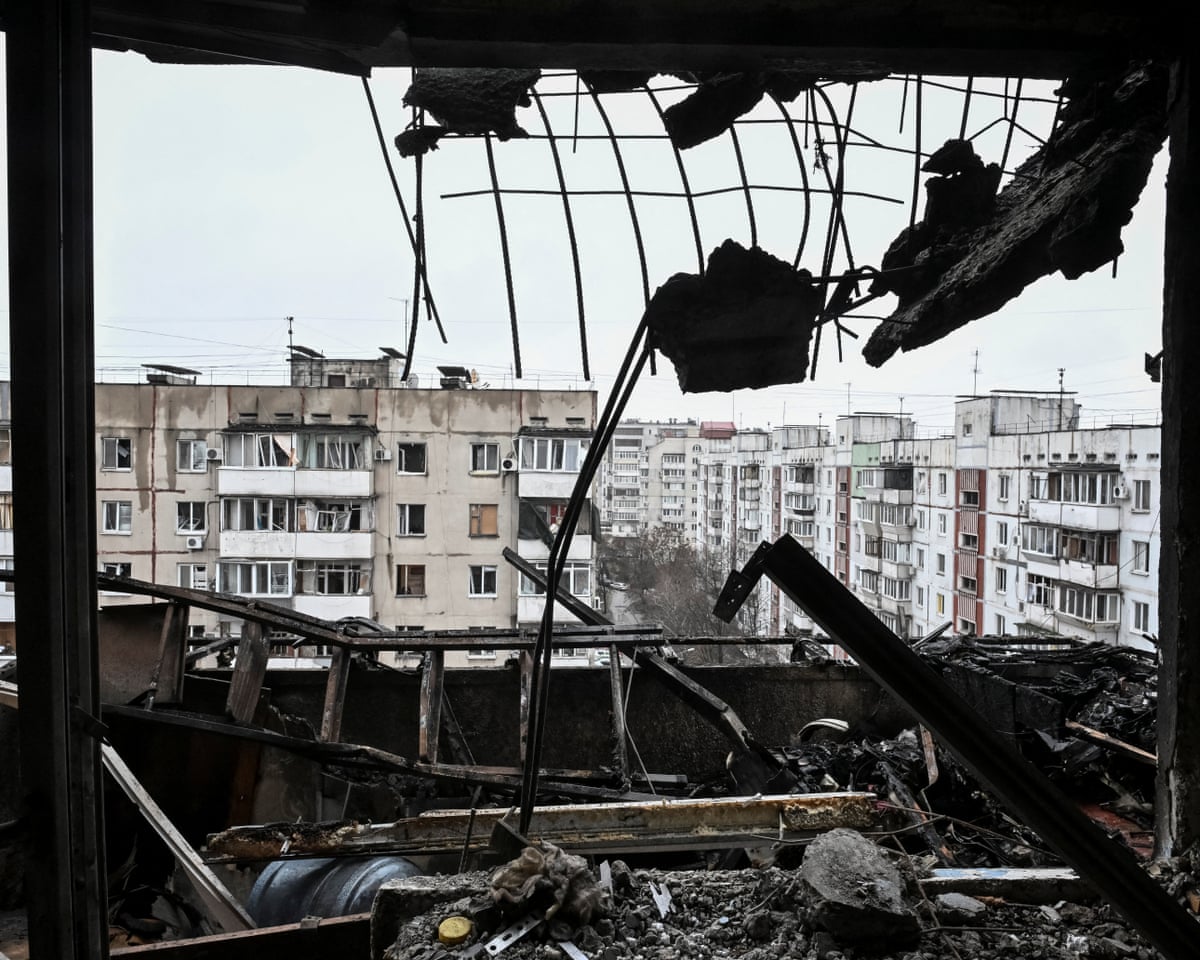
US and Ukrainian negotiators convened in Geneva for further discussions on ending Russia’s invasion of Ukraine amid ongoing attacks on Ukrainian cities.
Overnight strikes injured at least 23 people, with Russia deploying 420 drones and 39 missiles in the latest assault.
Ukrainian Foreign Minister Andrii Sybiha condemned the attacks:
“When the whole world demands Moscow to finally stop this senseless war, Putin bets on more terror, attacks, and aggression.”
Meanwhile, Hungarian Prime Minister Viktor Orbán has escalated rhetoric against Ukraine, making unsubstantiated claims that Ukraine may be planning to disrupt Hungary’s energy system.
Orbán posted an open letter to Ukrainian President Volodymyr Zelenskyy, alleging that Ukraine has sought to involve Hungary in the conflict with Russia, with alleged support from Brussels and Hungarian opposition forces. He accused Ukraine of engaging in “dirty tricks” aimed at creating chaos and supply insecurity in Hungary’s energy sector.
Kyiv has strongly denied these allegations, attributing disruptions to the Druzhba pipeline solely to damage from Russian strikes.
Orbán’s increasingly confrontational language comes ahead of Hungary’s 12 April parliamentary election, where polls indicate he trails the opposition party Tisza, led by Péter Magyar, by up to 20 percentage points among decided voters.
Ukrainian Foreign Minister Sybiha responded:
“It is unacceptable when certain blackmailers in the EU not only block decisions needed for collective defence, but also threaten to halt some energy supplies to Ukraine at a time when our country’s energy system is being brutally bombed.”
It is Thursday, 26 February 2026. This is Jakub Krupa with Europe Live.