

Discovery of Elephant Bone in Southern Spain
An elephant foot bone uncovered by archaeologists during excavations in southern Spain could represent tangible evidence that a group of war elephants once traversed ancient Europe. This discovery might provide the first definitive proof of the legendary battle elephants used by the Carthaginian General Hannibal, according to researchers.
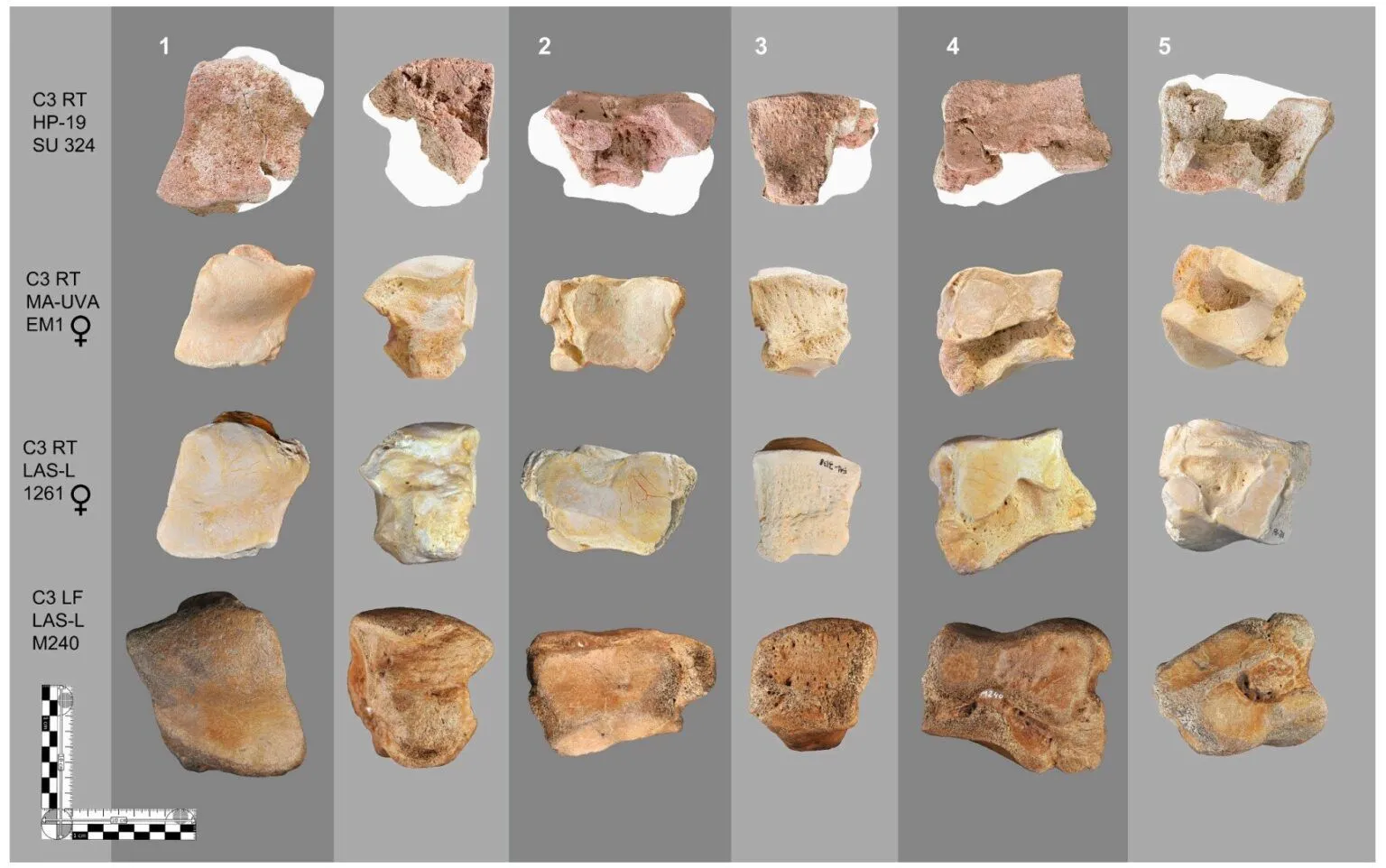
While historical depictions of Hannibal's campaigns against Rome have long suggested the use of elephants in warfare, no physical remains had previously substantiated these claims. The skeletal remains were found during an Iron Age archaeological dig near the city of Cordoba.
Rarity and Historical Context of Elephant Remains in Europe
"Beyond ivory, the discovery of elephant remains in European archaeological contexts is exceptionally rare,"
the team of scientists stated in a paper published in the Journal of Archaeological Science: Reports.
Hannibal is often regarded as one of the most successful military commanders in history. He led his forces from Carthage, located in present-day Tunisia, into Europe. His military efforts spanned three conflicts known as the Punic Wars, fought between 264 and 146 BCE, as he sought dominance over the Mediterranean region.
It is believed that Hannibal transported soldiers and animals, including elephants, from Carthage through Spain and France to invade Italy. Notably, in 218 BCE, he famously crossed the Alps with 37 elephants.
The elephant remains discovered in Spain are thought to belong to an individual that died prior to reaching the Alpine crossing.

Archaeological Excavation and Analysis
The archaeological team, led by Professor Rafael M. Martínez Sánchez, uncovered the elephant bone beneath a collapsed wall at the site known as Colina de los Quemados. Carbon dating techniques were employed to estimate the age of the approximately 10-centimeter cube-shaped bone.
The dating results suggest that the bone dates back to the Second Punic War, which occurred between the late third and early second centuries BCE.
To identify the species, the researchers compared the bone with those of modern elephants and steppe mammoths. The team also discovered artillery, coins, and ceramics during the 2020 excavations, which further indicate that the site was associated with a battle.
Significance and Challenges of Identification
"As non-native species and the largest living terrestrial animals, these imported beasts would have required transportation by ship,"
the academics explained.
They noted that transporting dead animals would have been highly unlikely, and the bone's unattractive nature suggests it was neither decorative nor used for crafting purposes.
Despite these findings, the scientists acknowledge the difficulty in conclusively determining the exact species of elephant to which the bone belonged.
"While [the bone] would not represent one of the mythical specimens Hannibal took across the Alps, it could potentially embody the first known relic − so sought after by European scholars of the Modern Age − of the animals used in the Punic Roman wars for the control of the Mediterranean,"
the researchers concluded in their publication.


