

Aerial View Reveals Avalanche Impact
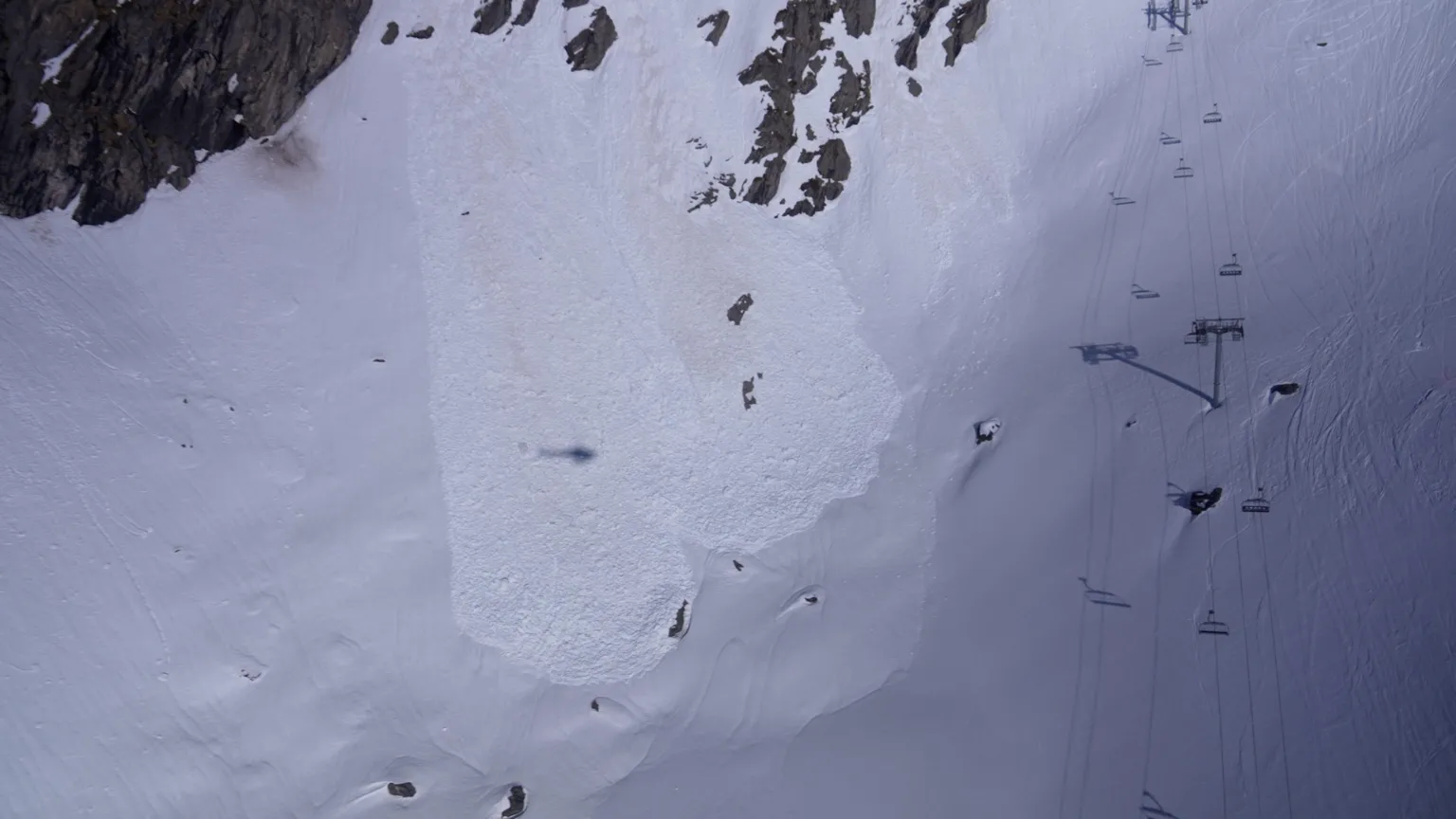
From our helicopter vantage point above the Alps, scars and dimples from recent avalanches are clearly visible across the landscape.
More than 100 fatalities have occurred in the mountains this season, according to the European Avalanche Warning Services, marking a figure not seen in eight years.
As our pilot maneuvers the rescue helicopter over one of the jagged ridges below, we observe skiers resembling ants as they queue at lifts or navigate various pistes.
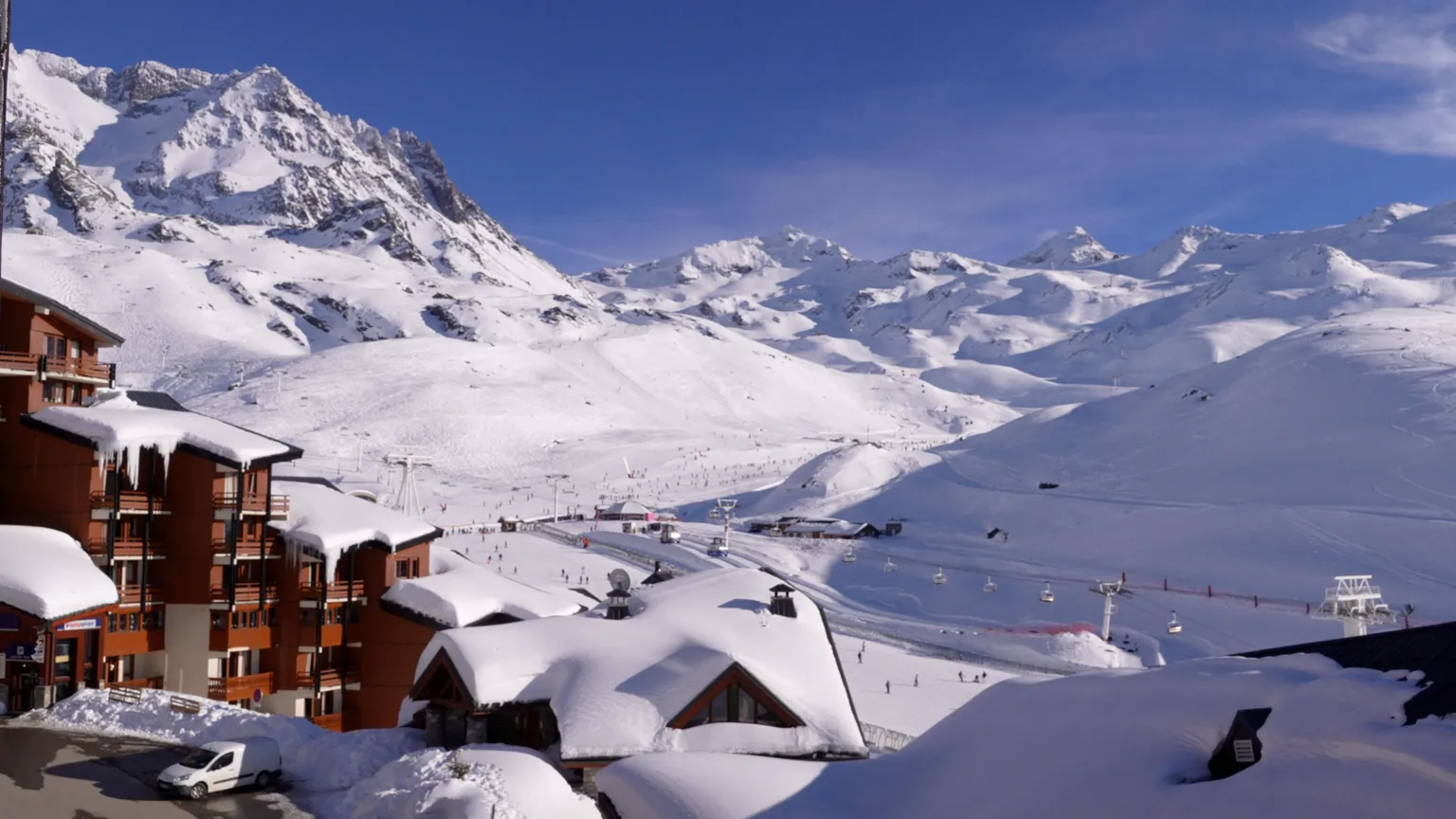
The dense snow covering the Tarentaise, a vast network of valleys in the heart of the French Alps, presents an enthralling beauty.
Changing Climate and Avalanche Risks
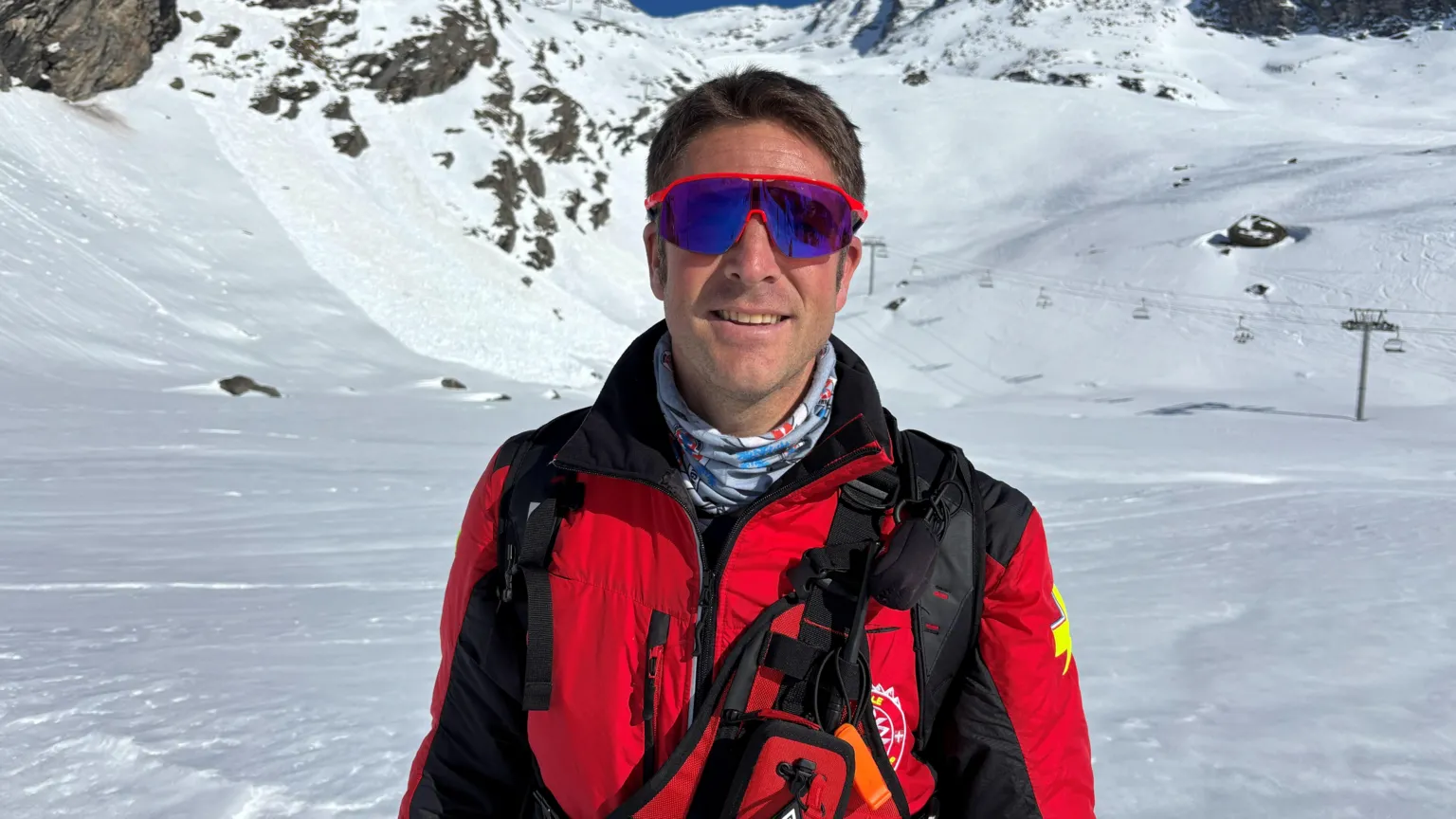
"As with all around the world, the climate is changing,"says Frédéric Bonnevie, our guide and a mountain patroller with 32 years of experience.
He notes shorter winters and that the best powder is now found at higher altitudes.
This season's thick snow cover has been unstable, contributing to a sharp increase in alpine avalanche fatalities.
Bonnevie explains that while conditions on the pistes can be controlled, off-piste areas remain unpredictable and dangerous.
"A lot of the victims are skiers who come here often, are technically skilled, but aren't necessarily connoisseurs of the mountain environment,"suggests Stéphane Bornet, director of Anena, a French snow safety association.
Bornet adds that many victims lacked essential safety equipment such as transceivers or shovels and failed to conduct basic route research.
The Importance of Safety Equipment
Statistics highlight the critical role of safety gear: carrying a transceiver increases survival chances to 70% after an avalanche, according to emergency crews. The first 16 minutes after burial are crucial.
Without a transceiver, rescue operations take longer, require more personnel and equipment, and survival rates drop to 20%.
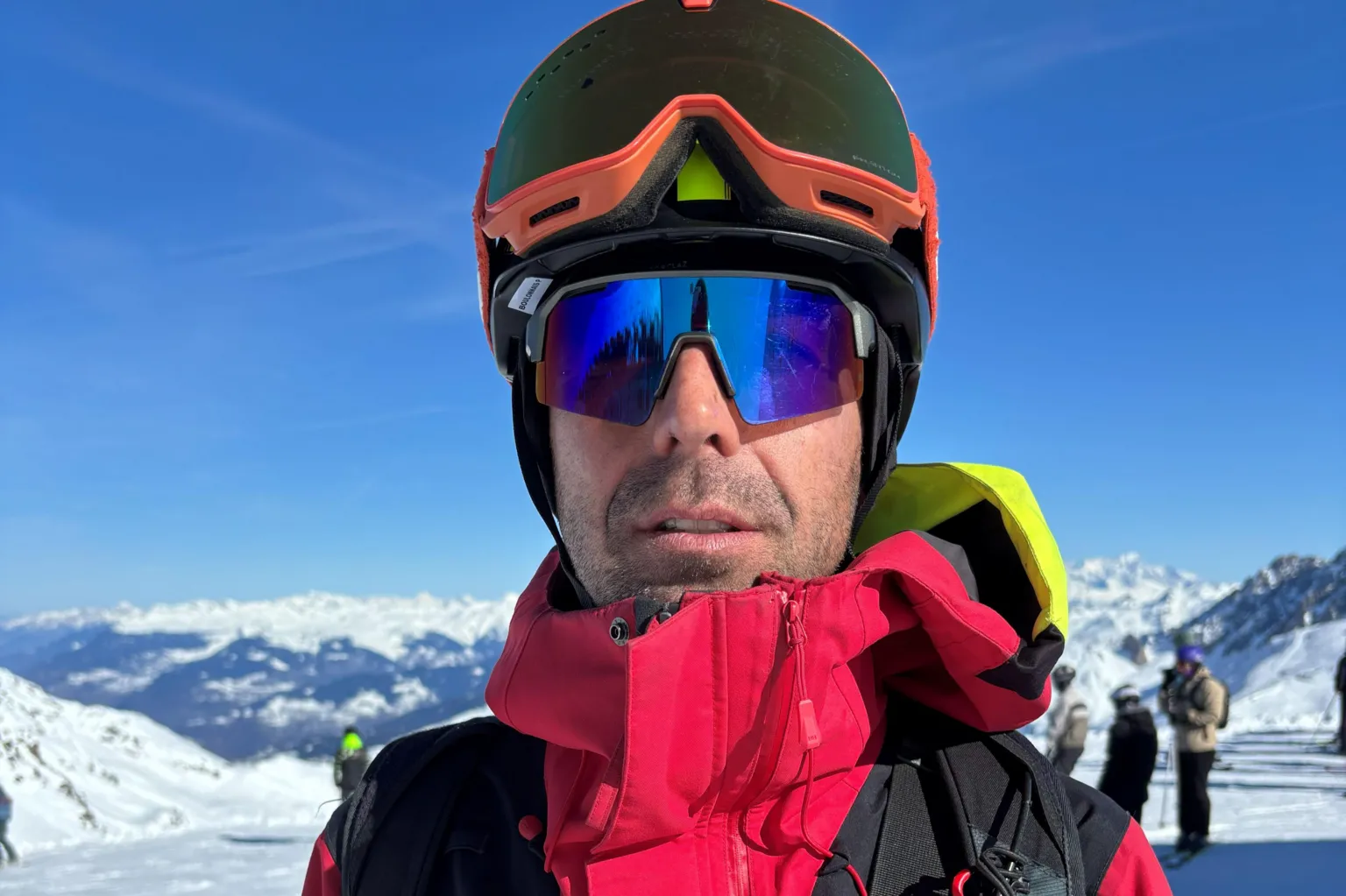
"Most of the time when we're coming, it can be too late,"says Pierre Boulonnais, who has patrolled Val Thorens slopes for 17 years. His extensive experience makes him intimately familiar with snow conditions.
"That's why you need to have all the rescue equipment on you, and to be in a group, but sometimes you can just be in the wrong place at the wrong time,"he adds.
Understanding Snow Conditions
During a conversation, Boulonnais digs a small hole off-piste, demonstrating the difference between wet and dry snow. The effort is exhausting due to the soft powder requiring constant movement to avoid sinking.
After a pause, he explains the snow layers by running a metal ruler through 60cm (2ft) of soft upper snow before reaching the dense compressed layer beneath, which is invisible to the eye.
"If you are trapped under just 50cm of snow of this density, you already have more than a quarter of a tonne on top of you,"Bornet explains.

Recent Avalanche Incidents and Media Coverage
French media have extensively reported avalanche incidents. Recently, two female skiers' bodies were found buried under snow in La Chapelle d'Abondance after their vehicle was left in a car park.
In Isère, 64 people were evacuated by helicopter after their village was cut off by snow. One local described the experience as "like being in the depths of Siberia."
Questions about climate change's impact have arisen, alongside calls for "foreigners and the reckless" to bear rescue costs.
Among millions of annual visitors to these resorts, British tourists constitute a quarter. For those disembarking at 2,800m (9,200ft) altitude, recent avalanche events remain a concern.
"There are lots of avalanche stories on our social media, so we're just feeling a bit twitchy,"admits Bella.
"But the avalanche risk has gone down from a 5/5 to a 3/5, so I feel reassured."
Rescue crews maintain that avalanche risk remains high.
Recent Avalanche Events in Europe
A train in Switzerland was recently derailed after an avalanche struck its side, though no fatalities occurred.
In St Anton, Austria, Diego Gonçalo filmed an avalanche that filled the valley with a snow cloud, resulting in three deaths.
"Everybody was amazed by the sight,"he recalls.
"There was no sound, but then we heard the emergency rescue team arrive; helicopters, ambulances, and the police."
"It's amazing what nature can do and then you realise it can kill you and you can't do anything. You feel so small in such a situation."
Climate Change and Avalanche Patterns
While avalanche deaths have reached similar levels before, there is consensus that climate change is influencing current trends, though its precise impact remains unclear.
Fluctuating temperatures affect snowfall amounts, timing, and locations.
"We had a lot of snow at the end of October, then not enough over the Christmas holidays,"explains Bonnevie, head of the mountain patrol teams.
"So when we had a lot of snow in January, there was a high avalanche risk."
Shifts in Skiing Culture and Behavior
An off-piste instructor with 25 years of experience notes a cultural shift: previously, off-piste skiers waited several days after snowfall for snow to settle; now, they often venture out immediately to maximize short breaks.
Bonnevie concurs:
"The new generation want to be the best, the biggest and the quickest."
Rescuers believe human complacency contributes alongside changing weather conditions. Bornet suggests that human factors are easier to address than climatic ones.
"You have to keep in mind that the mountains are a magnificent playground, a field of adventures,"he says.
"Let's make sure your memories are positive ones."
Additional reporting by Paul Pradier and Marianne Baisnee.


