

NSW minister says plan for new gas exploration about getting fuel to ‘local mums and dads’
Courtney Houssos, the NSW minister for finance and natural resources, spoke to RN Breakfast this morning after the state announced it would open new areas for gas exploration for the first time in over a decade.
Houssos described the plan as an “important step” towards ensuring the state has a “secure energy supply,” while noting that these developments would not provide a short-term solution to fuel shortages, as it could take at least 10 years before any gas is produced. She said:
“We are reading the same forecasts that you are from the Australian Energy Market Operator and others warning us of looming gas shortfalls. So we think that this is the responsible thing to do as a government.”
She acknowledged concerns regarding the plan, including the reduction of exploration licence fees from $50,000 to $1,000, but emphasized that the state has a robust system to address safety, biosecurity, and environmental issues.
“We’re certainly hearing those concerns, but we think this is an important step. We have to make sure that local mums and dads, local households have access to this. And that’s an important point to make.
This is gas that would be unlocked for local mums and dads, local households and local businesses.”
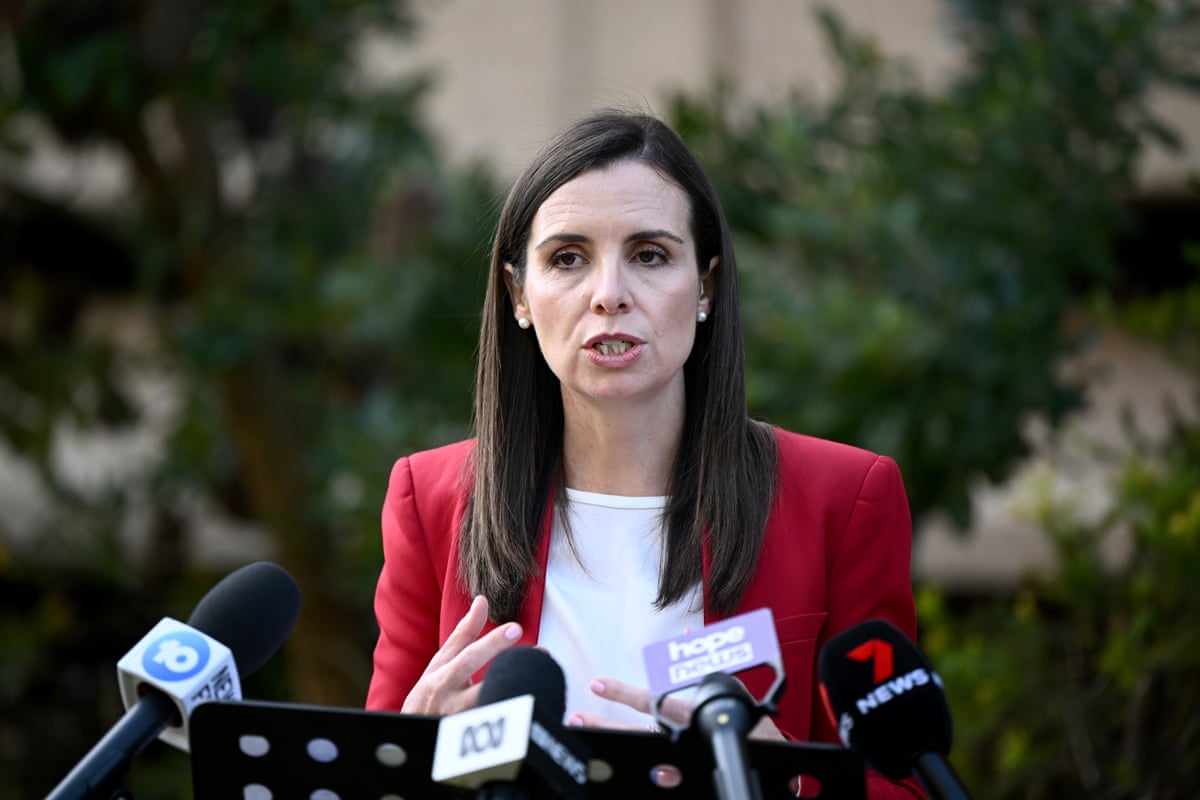
Iran war could result in thousands fewer new homes
The ongoing conflict in Iran could lead to Australia constructing 33,000 fewer homes than initially planned, according to the government’s independent housing adviser.
AAP reports that before the Middle East conflict erupted in late February, Australia was progressing towards its housing supply targets, as detailed in the National Housing Supply and Affordability Council’s annual state of the housing system report released on Thursday.
However, the effective closure of the Strait of Hormuz, which caused fuel prices to surge and disrupted supply chains for building materials such as PVC pipe, has significantly impacted the housing sector.
Before the conflict, the council projected Australia would build 980,000 new homes over the National Housing Accord period ending in June 2029.
Now, the council anticipates that 33,000 fewer homes will be built during this period if the crisis continues and construction costs peak at a 10% increase.
The impact may be more severe as the council’s modelling does not account for consumer sentiment, borrowing reluctance, or broader economic conditions.
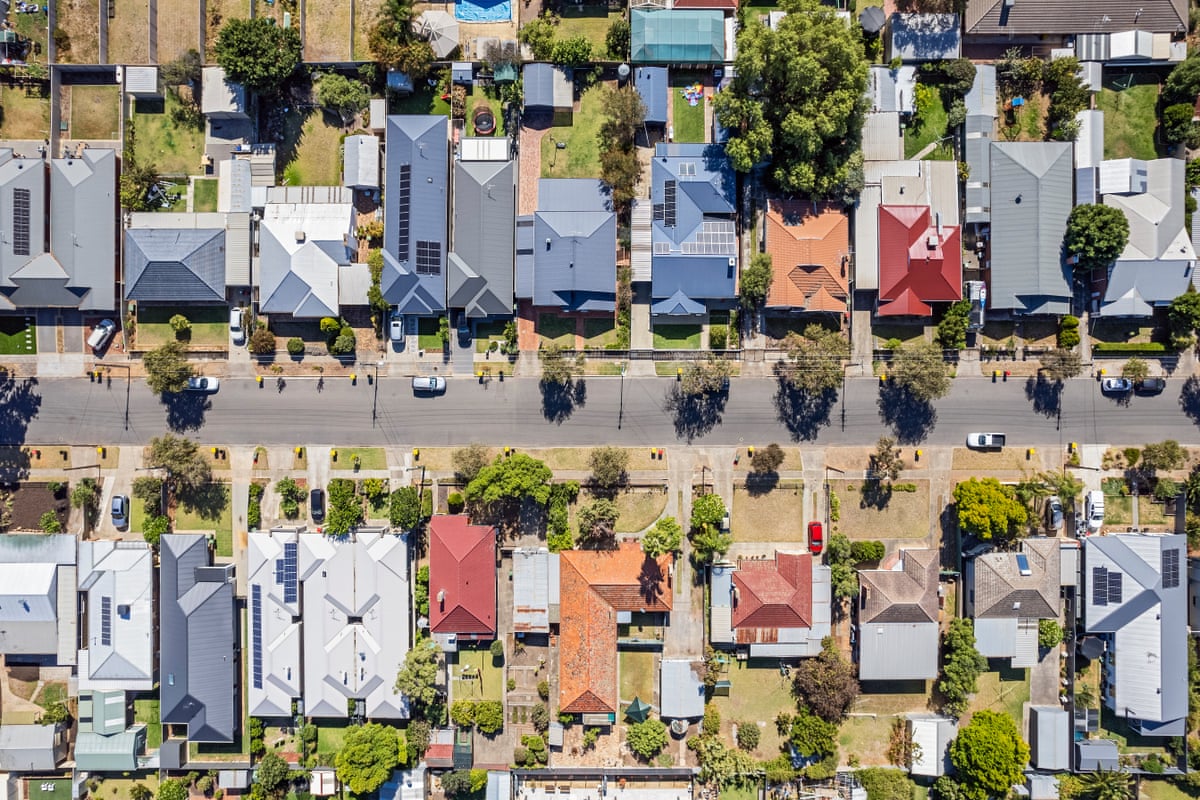
Australia’s use of methamphetamine has doubled in a decade, wastewater monitoring reveals
Methamphetamine consumption in Australia has nearly doubled over the past decade, with stimulant use reaching record levels, according to new wastewater monitoring data.
On Wednesday evening, the Australian Criminal Intelligence Commission (Acic) released its latest annual report based on wastewater samples collected from 64 treatment plants nationwide between August 2024 and 2025.
The report found that consumption of crystal methamphetamine, commonly known as ice, was at its highest recorded level since the program’s inception in 2016.
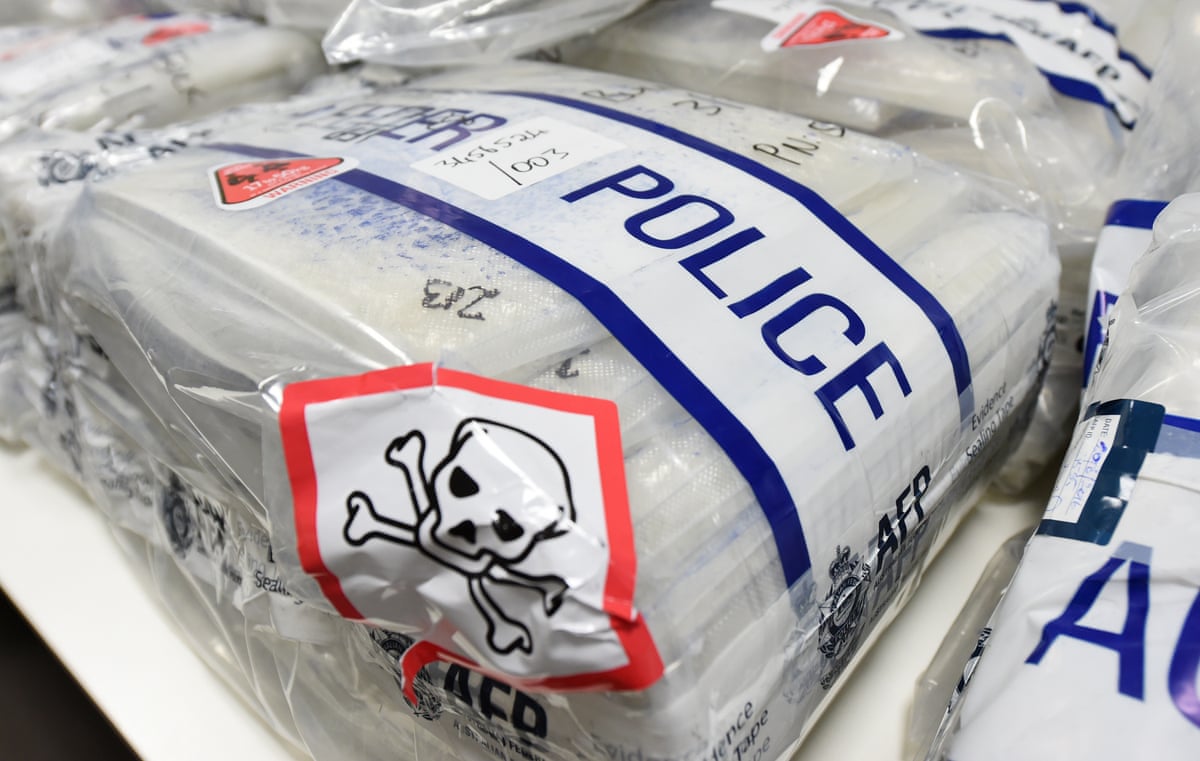
Albanese ruled out a gas export tax on existing contracts yesterday, criticising a ‘populist’ campaign
Prime Minister Anthony Albanese confirmed that the upcoming federal budget would not introduce a new tax on existing gas export contracts, criticizing the “populist” campaign advocating for such a levy.
Speaking to the Chamber of Minerals and Energy of Western Australia on Wednesday, Albanese linked gas exports to Australia’s fuel security amid the global energy crisis, stating:
“The middle of a global fuel crisis is the worst possible time to jeopardise these partnerships, or the investment that underpins them.”
You can about his stance here:
Chalmers understands calls for gas export tax, but says government focused on getting fuel for Australians
Treasurer Jim Chalmers expressed understanding of calls to tax gas exports but emphasized the government’s focus on securing international supply arrangements during the ongoing fuel crisis. He told ABC News:
“I understand that there is a constituency in the Australian community to go further … But there are also, as the prime minister said, really good reasons to prioritise these international supply arrangements particularly during this oil shock.
All of us have been prioritising getting fuel for Australia and for Australians to keep the economy ticking over and that’s why there are good reasons for the comments that the prime minister made yesterday.”
from ’s Adam Morton here:
Chalmers says inflation numbers were ‘confronting’
Treasurer Jim Chalmers described recent inflation figures as “confronting,” noting that Australians are bearing a significant cost due to the war in the Middle East.
He stated his responsibility was to alleviate some of the impact of rising prices, highlighting measures such as the halving of the fuel excise and ongoing efforts to address the cost of living. Chalmers noted that fuel prices were “overwhelmingly the driver of the higher inflation that we saw in the numbers released.”
He added that work on the upcoming budget, due next month, is ongoing, with particular attention to housing and issues affecting younger Australians.
“We’ve been very upfront with people and said when we think about the intergenerational unfairness in the budget, in our economy, in our society more broadly, a couple of the drivers of that are in housing, are in the tax system.”
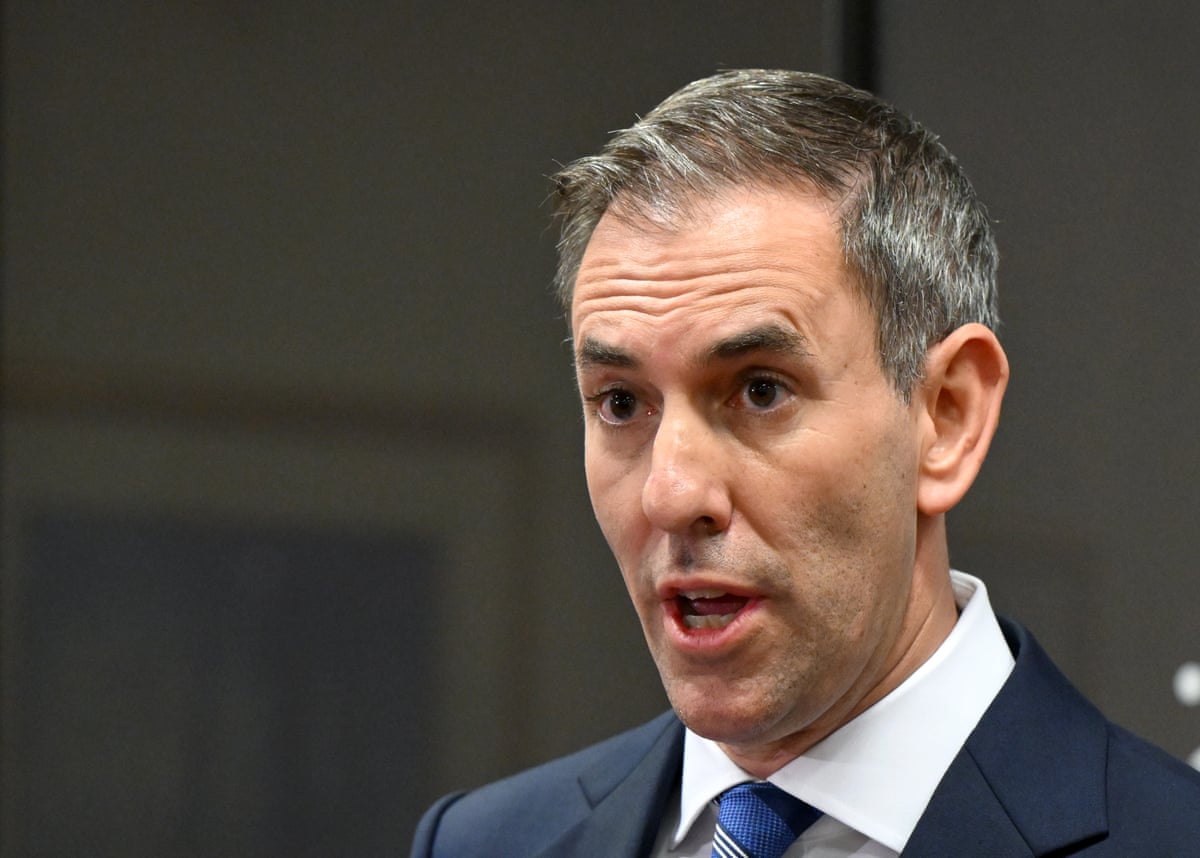
PM maintains Australia providing ‘no support’ to those families
Prime Minister Anthony Albanese stated at a news conference on Wednesday that “we are providing no support for repatriation and no assistance for these people,” according to AP.
At a separate news conference in Beijing, Foreign Affairs Minister Penny Wong said the government has made “very clear that we are not assisting in their repatriation.”
Syria’s information ministry reported that the families, through a lawyer, obtained passports delivered by an unidentified “individual” while still in northeastern Syria, in an area controlled by the Kurdish-led Syrian Democratic Forces (SDF).
A previous attempt to return 34 women and children to Australia from the camp in February was blocked by Syrian authorities.
Australian governments have repatriated Australian women and children from Syrian detention camps on two occasions. Other Australians have returned without government assistance.
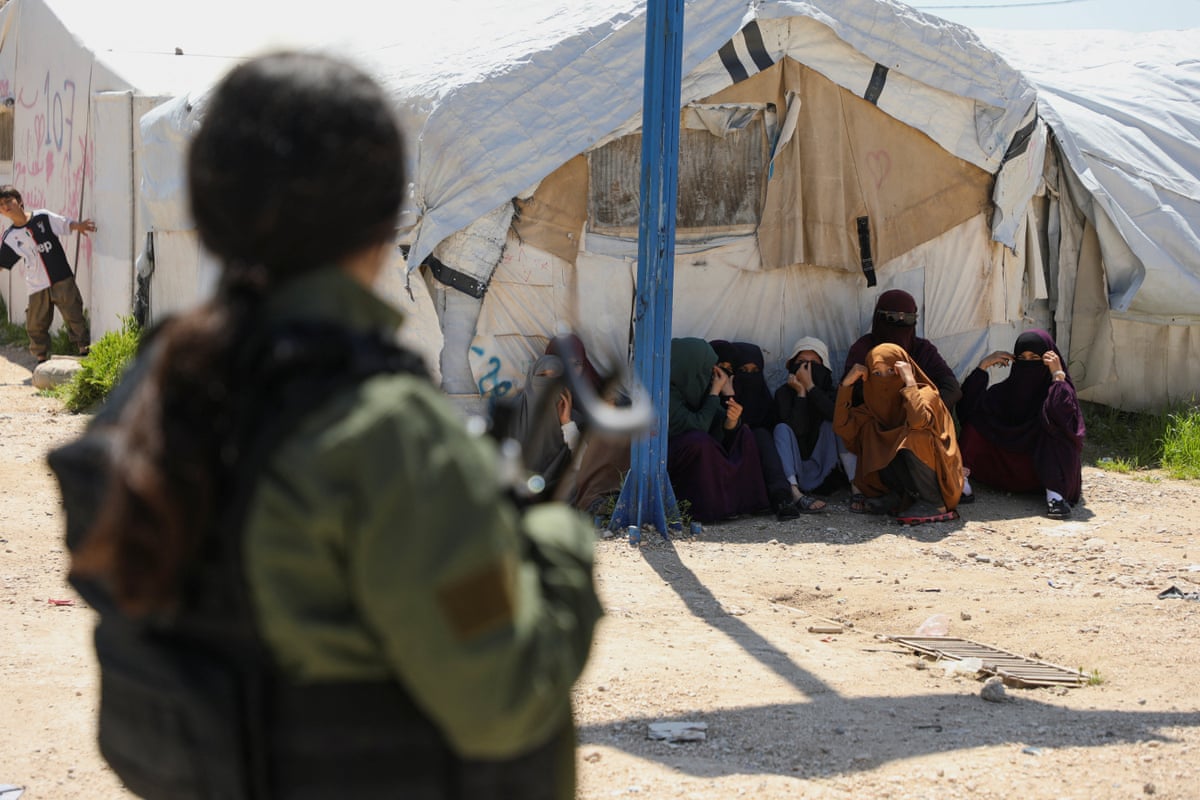
Syria says Australia won’t repatriate families with alleged ties to Islamic State
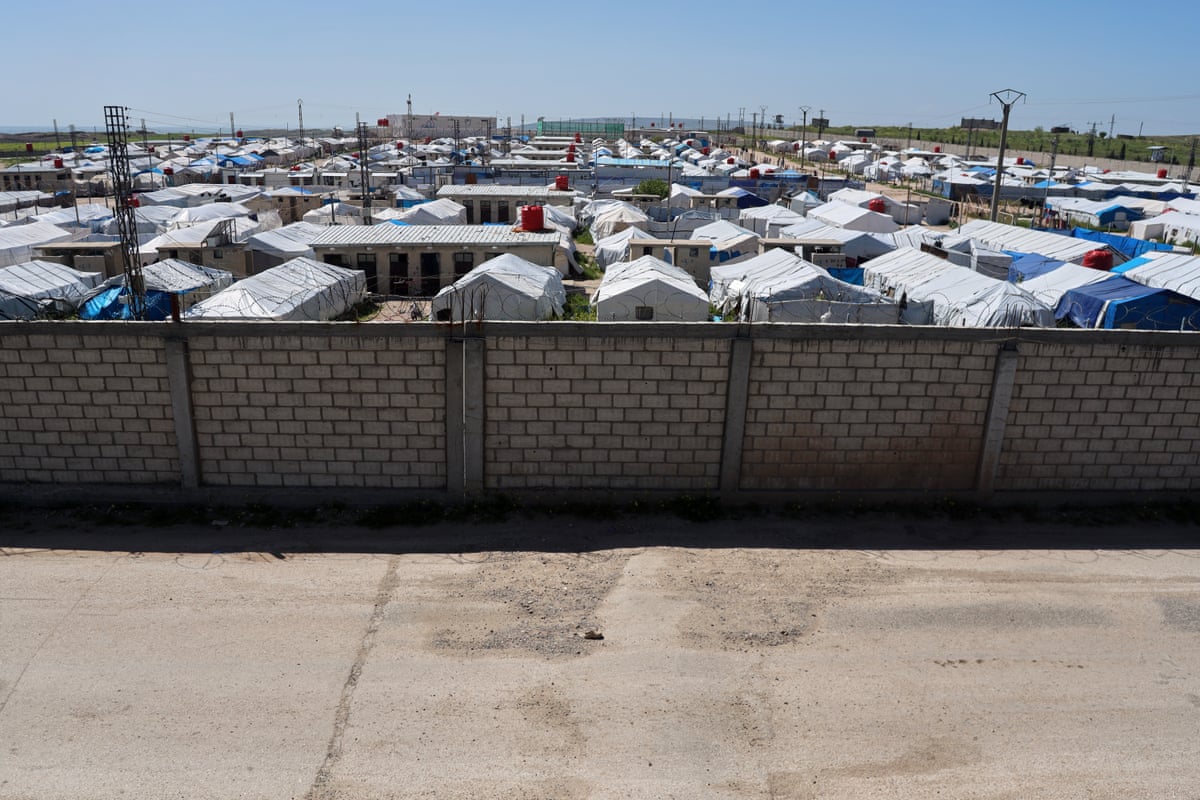
A group of Australian women and children who left a camp in Syria housing people with alleged ties to Islamic State militants remain stranded in the country because Australian authorities have refused their return, Syrian officials stated Wednesday, as reported by the Associated Press.
Thirteen women and children from four families departed Roj camp, a remote facility near the Iraq border housing relatives of suspected militants, last Friday and traveled to Syria’s capital.
An official at the camp said the families were expected to stay in Damascus for approximately 72 hours before being sent to Australia.

In response to an AP inquiry about their status, Syria’s information ministry said that after the families left the camp, the foreign ministry was informed that “the Australian government had refused to receive them.”
The families were turned back before reaching Damascus international airport, according to the ministry’s statement.
Rental market has ‘disappeared’ for those on lowest incomes, Anglicare warns
Anglicare Australia has warned that the housing crisis may become a permanent issue, as its latest rental affordability snapshot reveals that people on the lowest incomes have virtually no access to the private rental market.
The snapshot surveyed nearly 49,000 rental listings across Australia and found that:
- Just 1 rental (0%) nationwide was affordable for a person on jobseeker
- 0 rentals (0%) were affordable for a person on youth allowance
- Only 0.2% of rentals were affordable for a single person on the age pension
- A full-time minimum wage worker could afford just 0.5% of listings
- Even a couple with two minimum-wage incomes could afford only 14.8% of rentals
Anglicare Australia executive director Kasy Chambers stated that the results indicate a system failing ordinary Australians:
“The housing crisis is not a short-term shock. It is a design feature of the system.
For people on the lowest incomes, the private rental market has all but disappeared. There are no affordable homes for young people out of work, and just one across the entire country for someone on jobseeker.
This is what happens when we build a system around investors and hope that housing will trickle down.”
The findings come as the government considers changes to investor tax breaks in the budget. Chambers urged the government to proceed with tax reforms and use the savings to invest directly in housing.
Bondi royal commission interim report to be handed down
An interim report by antisemitism royal commissioner Virginia Bell is expected to be released on Thursday.
Bell was appointed to lead the royal commission following the Bondi terror attack. The interim report is anticipated to focus on intelligence and law enforcement agencies.
According to a spokesperson for the commission, the report will “identify other issues requiring urgent or immediate action” and include recommendations on these matters.
The report will be based on information obtained through submissions, notices to produce, and meetings, rather than public or private hearings.
The first block of public hearings is scheduled to begin on Monday and will concentrate on experiences of antisemitism.
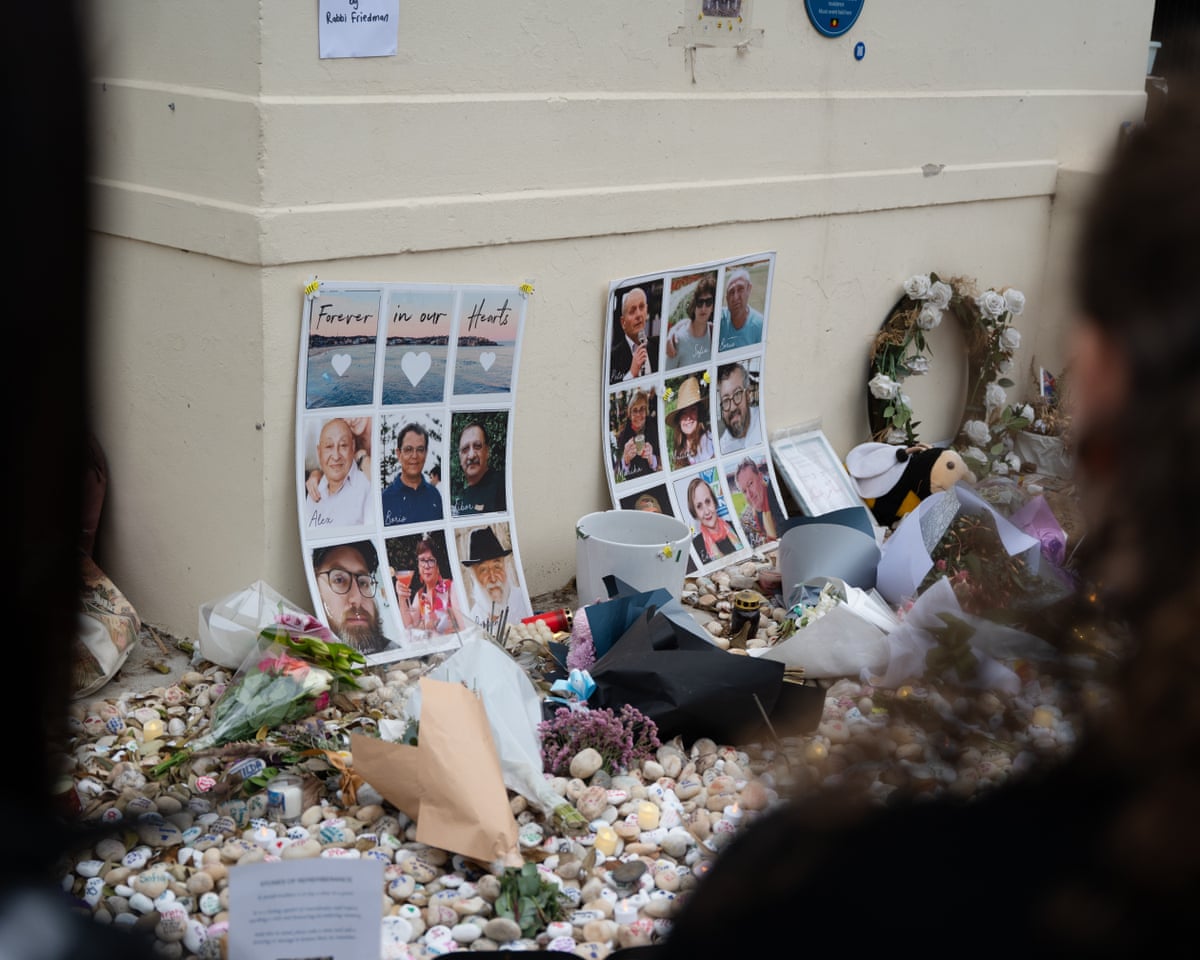
The inquiry was established after the December massacre, in which two gunmen killed 15 people and injured 40 others at a beachside Hanukkah event for the Jewish community.
Naveed Akram, 24, faces 15 charges of murder and 40 of attempted murder related to the attack. His 50-year-old father, Sajid, was shot dead by police.
Australia may need to spend more on Aukus, US committee head says
A senior member of a US Congress committee overseeing the Aukus alliance has indicated that Australia may need to increase spending to ensure American shipbuilders can deliver the promised nuclear submarines.
Australia has already contributed approximately $3 billion (US$2 billion) of the $4 billion (US$3 billion) committed to American manufacturers in 2023, with the overall plan forecast to cost Australia $368 billion by the mid-2050s.
Joe Courtney, a senior US Democrat, stated on ABC’s 7.30 program on Wednesday:
“I don’t think the US$3 billion number, which is in the optimal pathway, is the Ten Commandments. I think that, as this enterprise unfolds, there may be a rationale for Australia to participate more, but, as I said, at this point, the commitment of US$3 billion [and] already the transmittal [sic] of US$2 billion of that commitment is something that most people, certainly on Capitol Hill, still remark and comment very favourably and appreciate.”
Courtney also supported recent reports that British shipbuilders may not be able to deliver the Aukus submarines, indicating that additional investment would be necessary for the UK to fulfill its commitments.
He added that the US Navy’s Vice Admiral Robert Gaucher had informed him days earlier that the US goal of increasing manufacturing to an average of 2.3 submarines per year by 2032 remains on track.
Courtney dismissed former President Donald Trump’s “unfair” and “gratuitous shots” at Australia, stating:
“Aukus is a long-term security agreement. It’s going to take place and evolve … It’s going to be something that will rise above this time that we are living in right now with the Trump administration.”
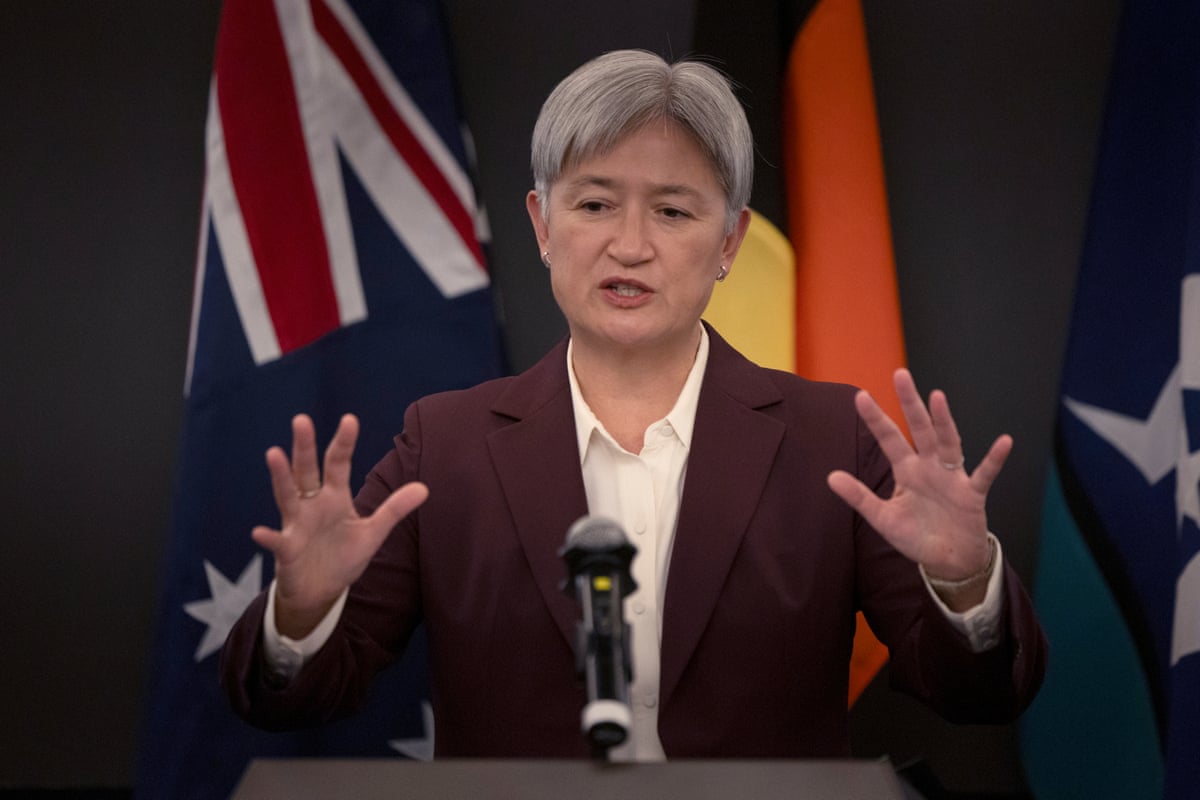
Penny Wong says China has agreed to help with jet fuel exports
Australia’s Foreign Affairs Minister Penny Wong announced that China has agreed to facilitate exports of jet fuel to help alleviate supply disruptions caused by the war in the Middle East, AFP reports.
China, a major exporter of jet fuel and diesel to Australia and other countries, has largely avoided the worst energy impacts of the war due to its substantial oil reserves but paused exports at the conflict’s onset to protect domestic supplies.
“I can confirm … that the Chinese government is facilitating engagement with Australian businesses on jet fuel,” Wong told reporters in Beijing after discussions with her Chinese counterpart Wang Yi and Chinese Vice-President Han Zheng.
She described the move as “an important step, however, it is the first step.”
Earlier in the day, Wong informed Han that refineries in the Indo-Pacific region have been disproportionately affected by the blockage of the Strait of Hormuz.
During the talks, she called for greater reciprocity in trade, emphasizing that Australia’s consistent supply of raw materials and food to China should be matched by a reliable flow of gasoline, kerosene, and fertilizers back to Australia.
“I made the point that the import inputs China supplies to Australia, including jet fuel, support the Australian resources sector, which in turn helps to maintain the flow of commodities that are so important in the bilateral trading relationship,” Wong said at the press conference.
Good morning and welcome to our live news blog. I’m Martin Farrer with the top overnight stories, followed by Nick Visser with the main updates.
Penny Wong has been active on her latest overseas trip, announcing China’s agreement to negotiate jet fuel sales to help ease the global oil crisis.
An interim report by antisemitism royal commissioner Virginia Bell is expected to be released at 9am. We will provide details as soon as it becomes available.


