

US-China Summit: A Delicate Diplomatic Balancing Act
Donald Trump is set to visit Beijing on Wednesday for a highly anticipated summit with China’s leader, Xi Jinping. This visit will be the first by a US president to China in nearly a decade, the last being Trump’s own trip in 2017 during his first term.
During that 2017 visit, China extended extensive hospitality, including a private tour of the Forbidden City and a traditional Peking opera performance, which was described as a "state visit-plus" by the Chinese government.
However, the intervening nine years have seen significant changes in US-China relations, including a trade war, a global pandemic, increased US concerns over Chinese military activities, and renewed trade tensions.
Trump’s upcoming visit comes amid a turbulent geopolitical backdrop. The trip has been shortened to two days and delayed due to Trump’s recent military actions against Iran, which have exposed limitations in US power.
“The idea of an American president going to a summit with our foremost competitor at a time where he has just experienced the most catastrophic strategic debacle in recent memory is going to be a striking moment,” said Michael O’Hanlon, vice-president and director of foreign policy at the Brookings Institution thinktank in Washington. “From a US perspective, this absolutely changes the sense of our ascendance at this point in time and what it means for the relationship.”
The optics of the summit will be closely examined. Trump, who has shown a less hawkish stance on China than in his first term, often emphasizes his personal friendship and trust in Xi, contrasting with his typically abrasive tone toward traditional US allies. Xi, known for employing soft power diplomacy, is expected to flatter Trump while subtly asserting his own strengths and highlighting US vulnerabilities.
Despite any cordiality during the 48-hour summit, tensions remain, especially given the ongoing conflict in the Middle East. The two leaders collectively oversee about 40% of the world’s economic activity, yet mutual distrust persists.
“There is a very prominent mutual distrust between the two countries. Both sides still have profound disagreements on a number of issues, economic and trade issues, military-to-military relations, and Taiwan-related issues,” said Zhao Minghao, professor of international studies at Fudan University.
The summit’s primary agenda items include trade, the situation in Tehran, and Taiwan.
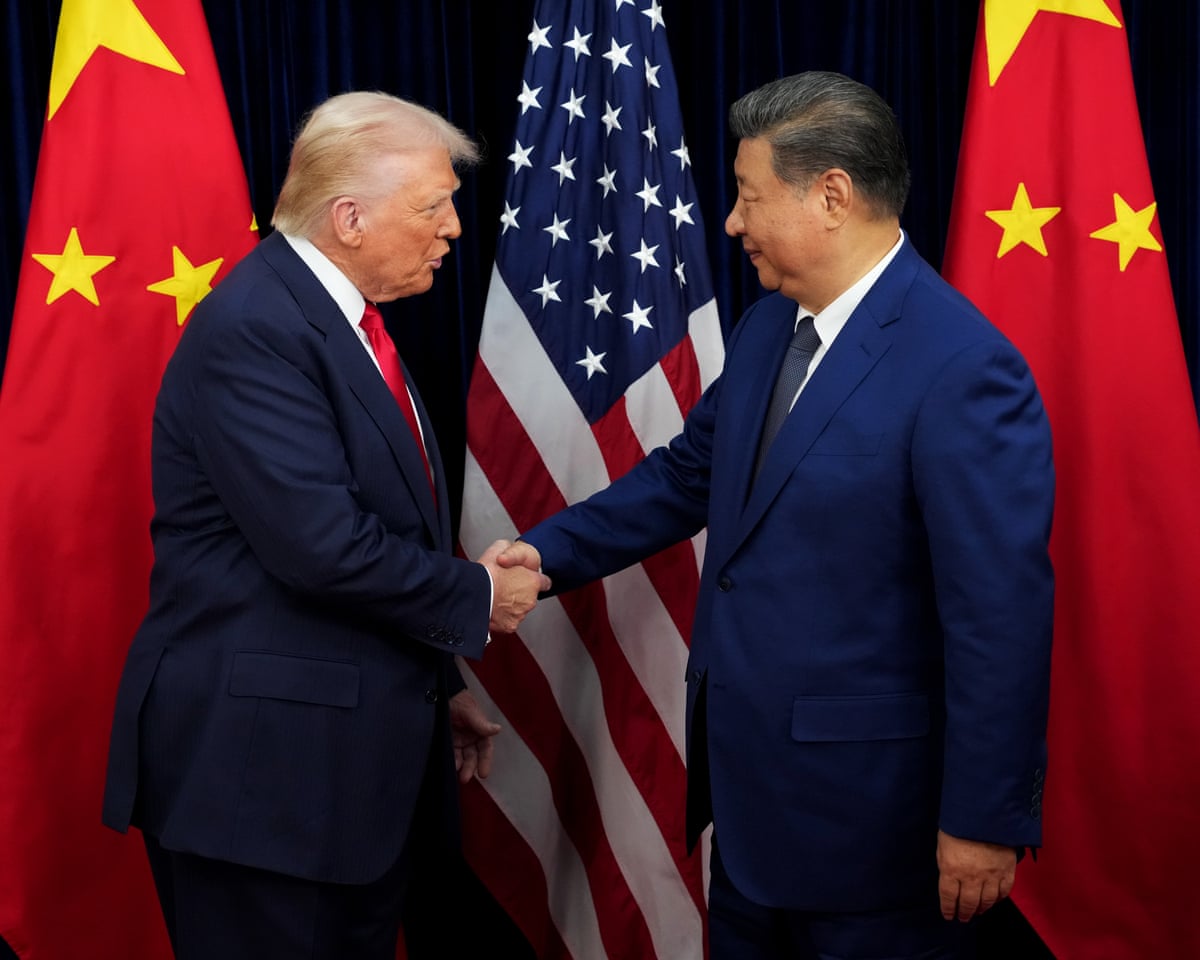
Building Bridges Amid Trade Tensions
The path to the summit began last October when the US and China agreed to a temporary truce in the trade war initiated by Trump. At its peak, tariffs on Chinese goods reached as high as 145%, threatening to severely damage China’s economy, which was already grappling with pandemic recovery and demographic challenges.
China responded by restricting exports of rare earth elements critical to global industrial supply chains and US military technology, causing some US factories to halt operations.
“The Busan meeting established a sense of respect on both sides,” said Jake Werner, East Asia director at the Quincy Institute for Responsible Statecraft. “Trump came into office last year with the sense that he was going to reduce the Chinese and force them to acknowledge his power over them. He discovered that he could not do that because the Chinese were able to fight back effectively.”
Seeking tangible achievements before the November midterm elections, the Trump administration has reportedly invited chief executives from Nvidia, Apple, Exxon, and other major companies to accompany the president. Jane Fraser, CEO of Citigroup, is confirmed to attend.
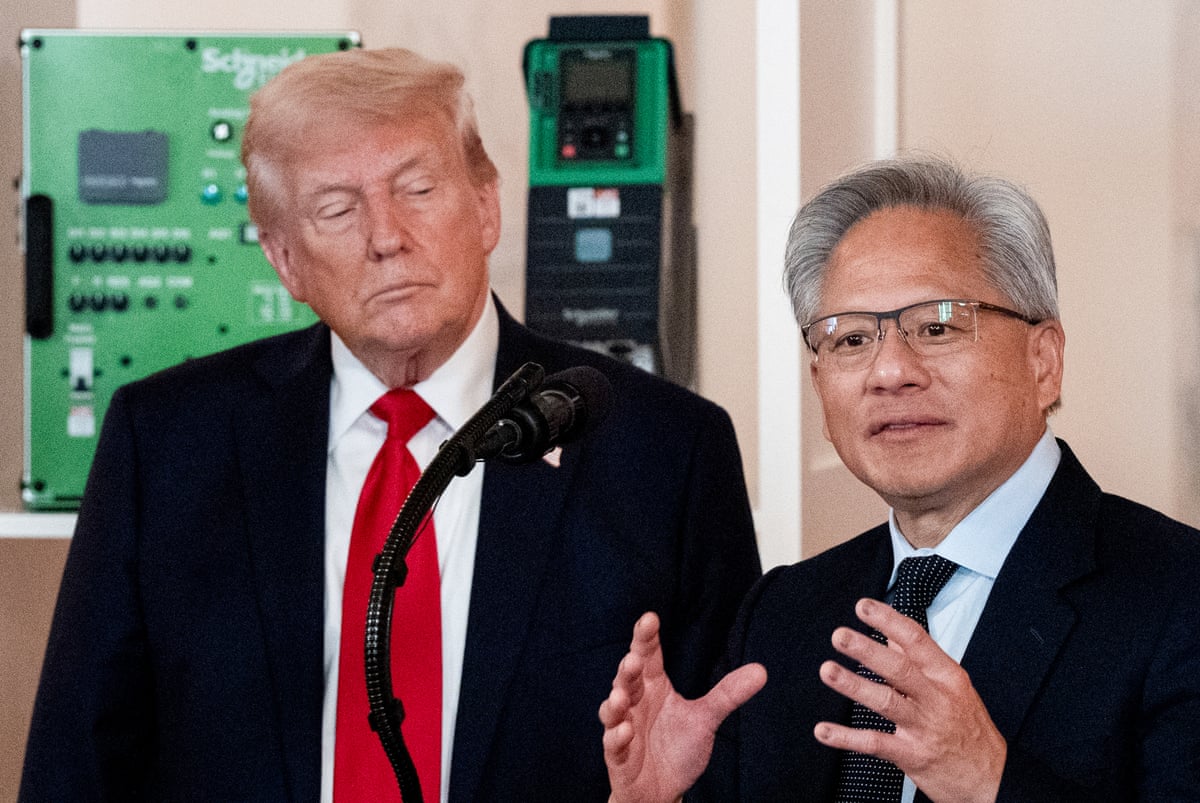
China aims to extend the trade truce, maintain access to US technology, and halt or reverse tightening US export controls. In exchange, it may offer significant investments in the US economy, similar to previous deals with Japan and South Korea.
Beijing is engaged in prolonged negotiations with Boeing for a deal potentially including 500 737 Max jets and dozens of wide-body aircraft. This would be China’s first major Boeing order since 2017 and a notable achievement for both leaders. Agricultural purchases are also under discussion, with Washington pressing China to commit to buying 25 million tonnes of soya beans annually for three years, alongside increased purchases of US poultry, beef, coal, oil, and natural gas.
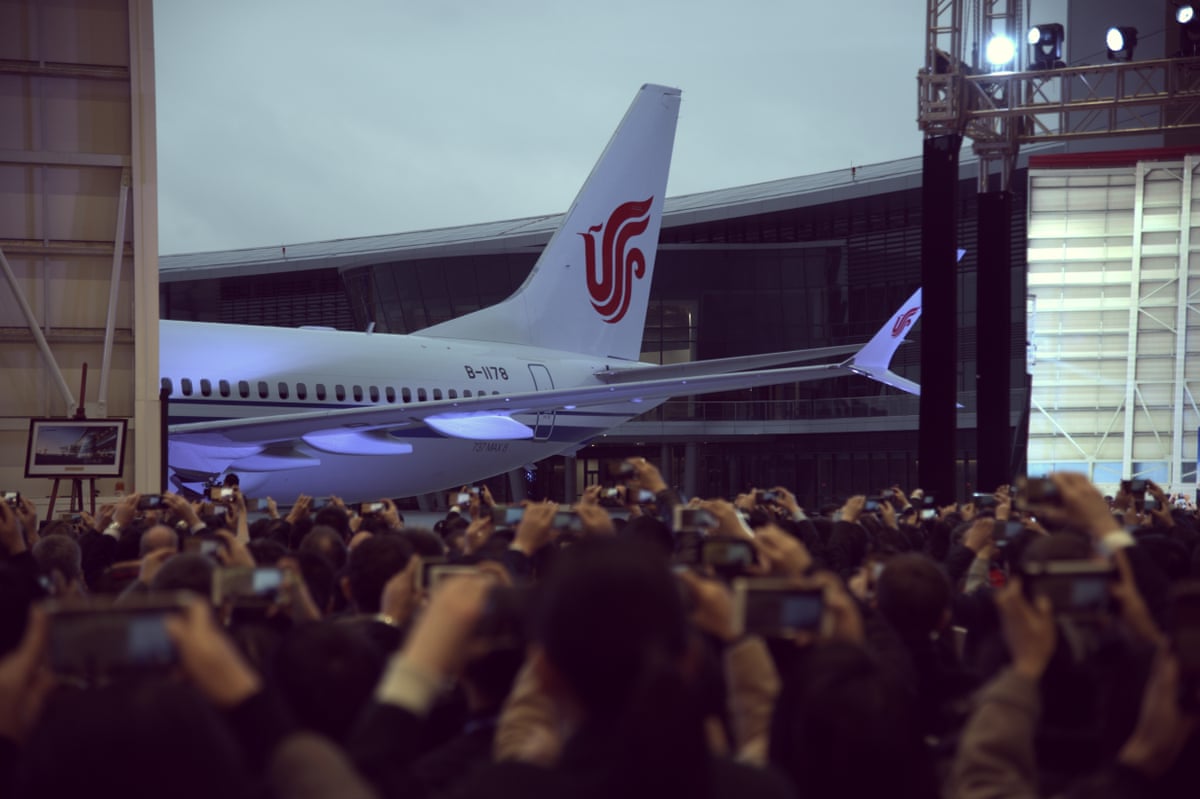
Beyond traditional investments, China holds a significant leverage point in the rare earth mineral supply chain. Analysts suggest Beijing may offer a stable, long-term commercial arrangement—similar to a general license—for US access to rare earths and rare earth magnets, provided they are not used for military purposes.
Iranian Influence and the Middle East Conflict
The war in Iran has shifted the summit’s dynamics, consuming much of Trump’s attention. The conflict has led to the closure of the Strait of Hormuz, through which about 20% of the world’s oil typically flows, posing a serious threat to China’s economy and its delicate Gulf relationships. Trump’s statements on the conflict have fluctuated between declaring the war over and threatening annihilation, causing diplomatic uncertainty. On Thursday, Pakistani officials claimed the US and Iran were nearing a temporary agreement to halt hostilities.

China has been credited with encouraging Iran toward a ceasefire. This week, US Treasury Secretary Scott Bessent called on China to "step up with some diplomacy," effectively requesting Beijing’s assistance in a war initiated by Washington. Meanwhile, US Trade Representative Jamieson Greer criticized China’s continued energy purchases from Iran.
As the largest buyer of Iranian oil, China wields some influence over Tehran and is motivated to avoid a global recession that would reduce demand for its exports, which support its economy.
However, relations between China and Iran remain complex.
“It would be too much to say that China could cajole or twist the arm of Iran,” said Dali Yang, professor of political science at the University of Chicago, describing the relationship as “delicate.”
Xi visited Iran in 2016 but was notably excluded from a key meeting with then Supreme Leader Ayatollah Ali Khamenei, which included then-President Hassan Rouhani. The Chinese government’s released photo omitted Rouhani from the image.
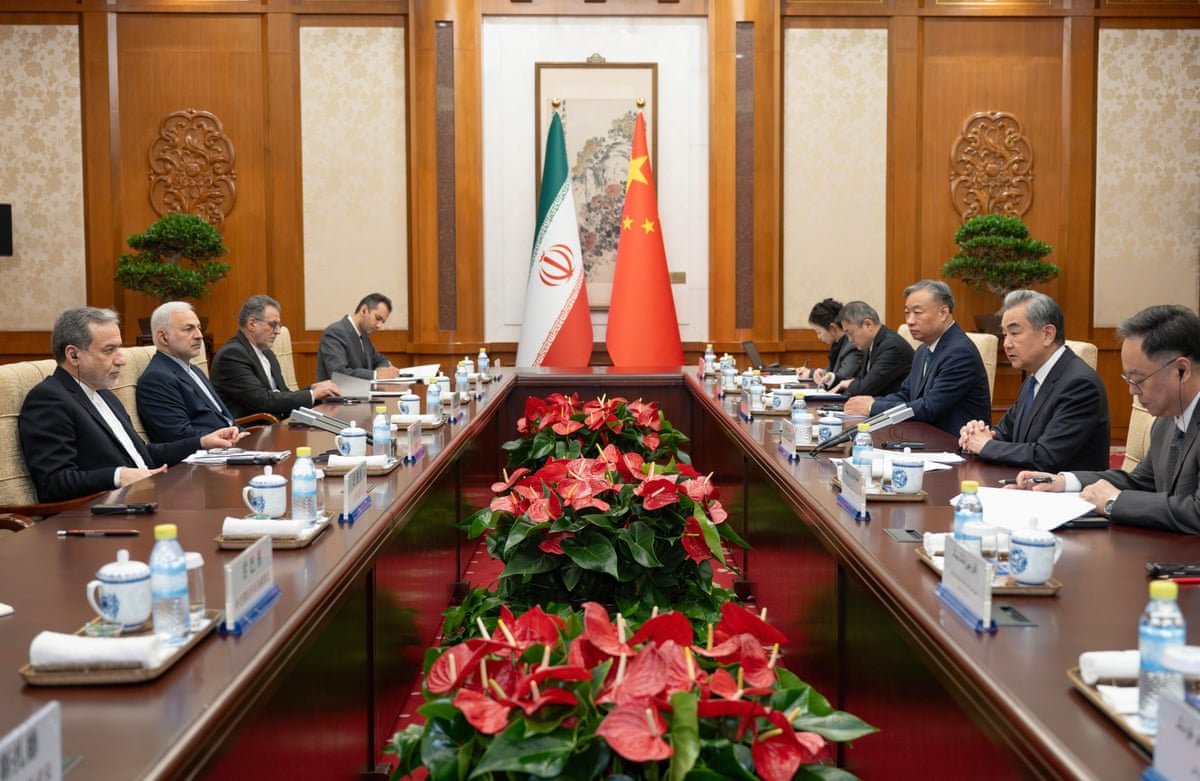
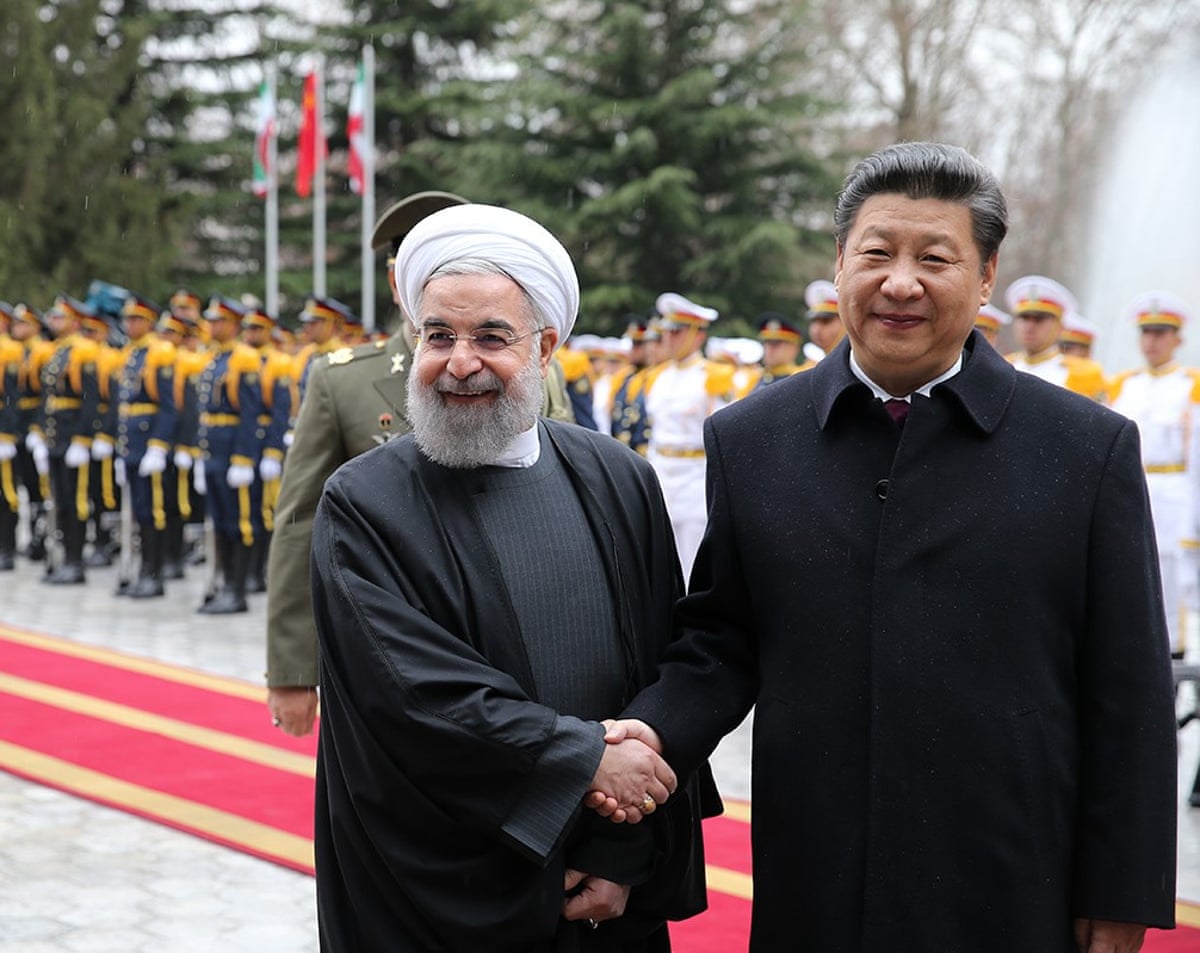
“China knows that the Middle East is not an easy place to try to get things done,” Yang said.
Wang Wen, professor at Renmin University, added, “China cannot control Iran, nor does it possess the absolute power to unilaterally dictate the course of the Hormuz crisis.”
Beijing views the Iran conflict as a crisis caused by the US and, despite its global impact, as a distant issue from China’s borders.
Tensions Over Taiwan
Xi’s primary concern remains China’s regional influence, with Taiwan being the most critical issue. Chinese Foreign Minister Wang Yi recently described Taiwan as the “biggest risk” in US-China relations.
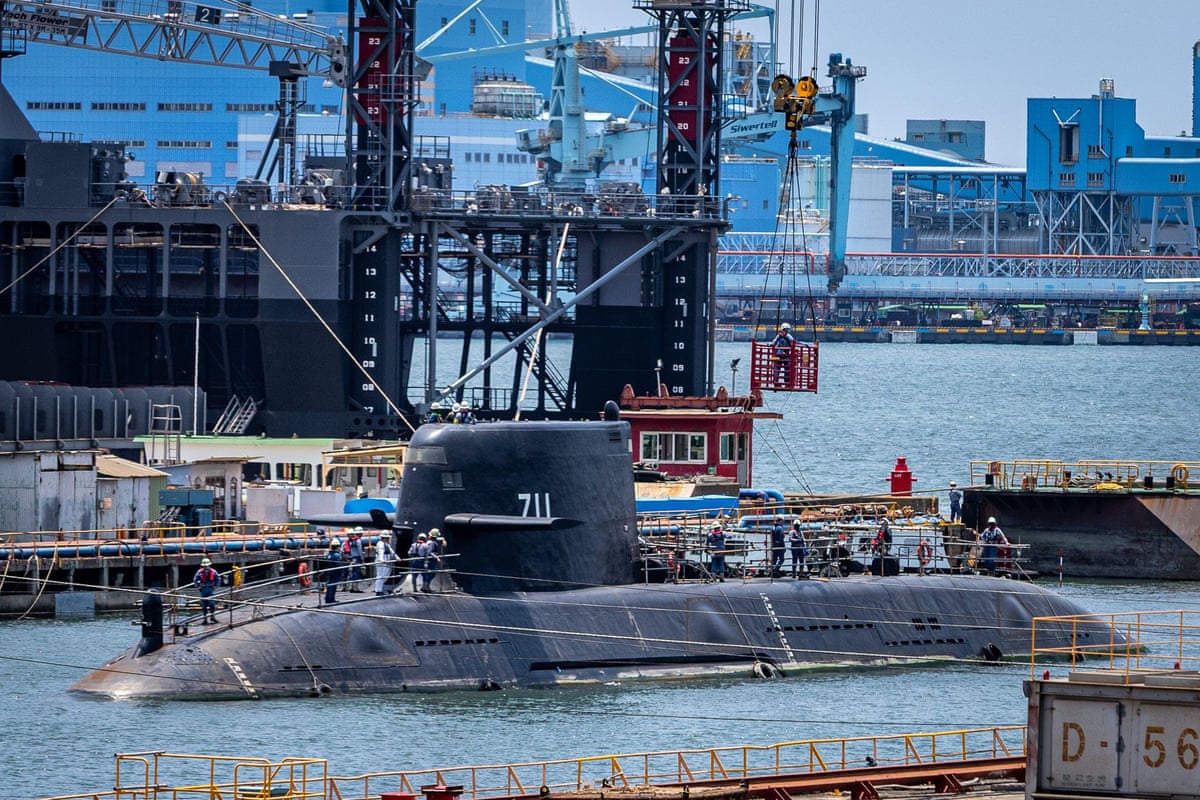
China claims Taiwan, a self-ruled island with 23 million people, as part of its territory and has pledged to take control by force if necessary. The US does not officially recognize Taiwan but supplies it with defensive arms. The threat of military conflict in the Indo-Pacific has intensified US efforts to limit China’s military capabilities.
Trump appears to have adopted a softer stance on Taiwan than previous presidents, viewing it more as an economic competitor, especially in semiconductors, rather than a democratic ally. An $11 billion US arms package for Taiwan has reportedly been stalled by the State Department ahead of the summit.
Beijing may seek US concessions on Taiwan rhetoric, such as changing the official stance on Taiwanese independence from “does not support” to “opposes.”
“While it is rather unlikely that we will see a formal change in declaratory policy on Taiwan … what I think American allies will be watching most closely is for any reporting that suggests that President Trump has acknowledged President Xi’s prerogatives or interests over Taiwan, even if that concession comes in a casual or off-the-cuff way, or indeed that President Xi has persuaded President Trump to delay or in any way change the nature of arms sales to Taiwan,” said Mira Rapp-Hooper, former top White House adviser on the region during Joe Biden’s presidency.
Other topics potentially on the agenda include cooperation to counter the flow of fentanyl and other synthetic opioids into the US. Human rights issues involving figures such as Jimmy Lai and Pastor Jin Mingri remain possible flashpoints depending on Trump’s focus.
One of the most consequential long-term issues is the ongoing AI arms race between the US and China, with concerns that both nations prioritize speed over safety to gain a competitive edge. Xi may use the summit to showcase cooperation on global AI standards, presenting it as a mutual achievement.
Trump enters the talks from a vulnerable position, with his domestic approval ratings low and the Middle Eastern conflict dominating attention. Paradoxically, a successful summit could raise concerns among observers about potential concessions made by Trump.
“I actually think that a very positive, adulatory meeting could be the worst possible outcome in some ways because it’ll spook the rest of the region – it means that we’ve made some kind of accommodation. If Beijing is very happy with how the meeting has gone, that’s probably a worrisome sign in some way for the United States and our position going forward,” said Michael O’Hanlon.
Additional research by Yu-chen Li.


