Anti-war protests surge amid Japan's military policy shift
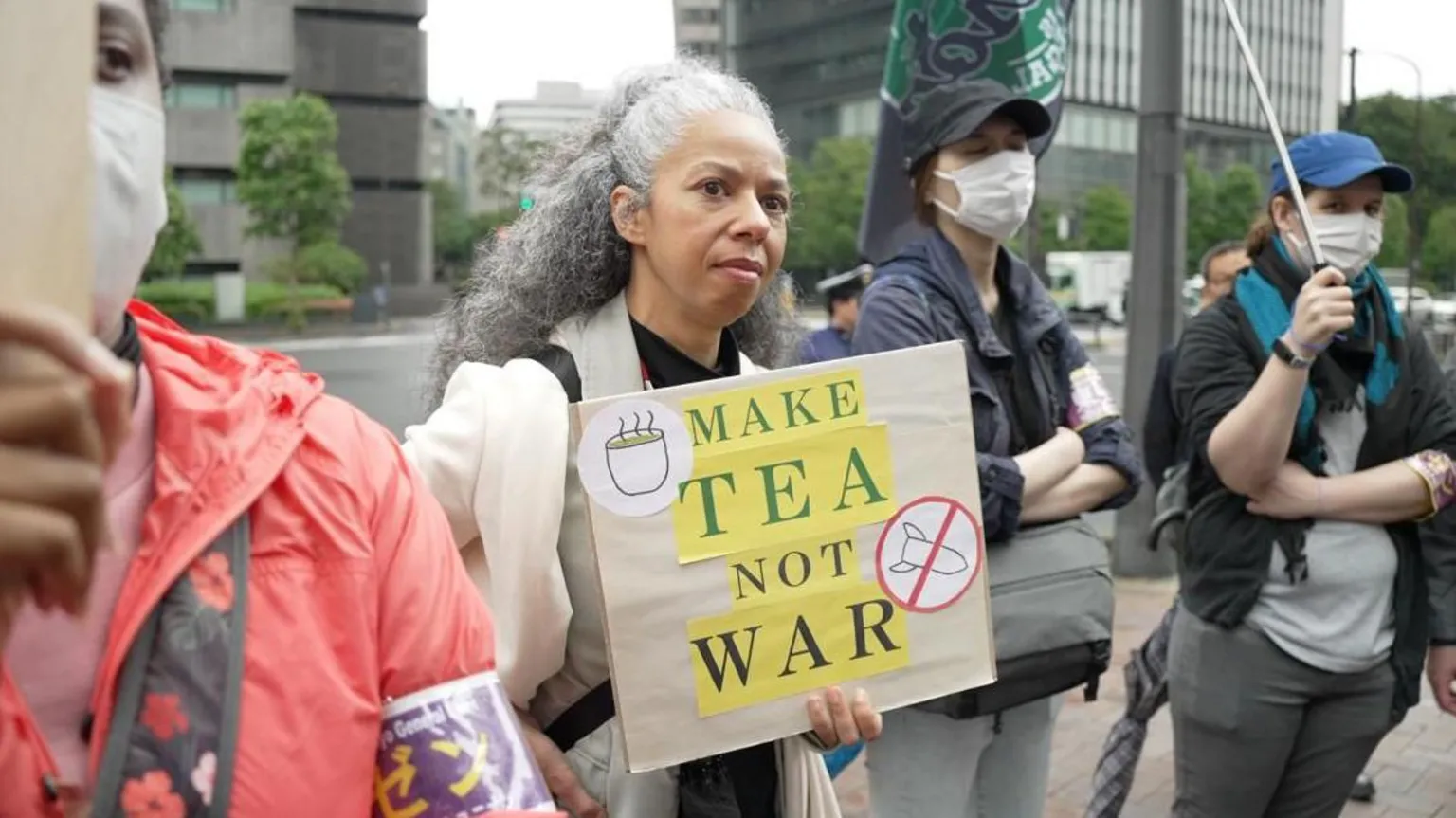
On a rainy street corner in Tokyo, a growing crowd assembled, holding soaked placards and drenched flags. One prominently displayed two large Japanese kanji characters: "No War."
This message is resonating increasingly across Japan, which is currently experiencing its most significant anti-war demonstrations in decades.
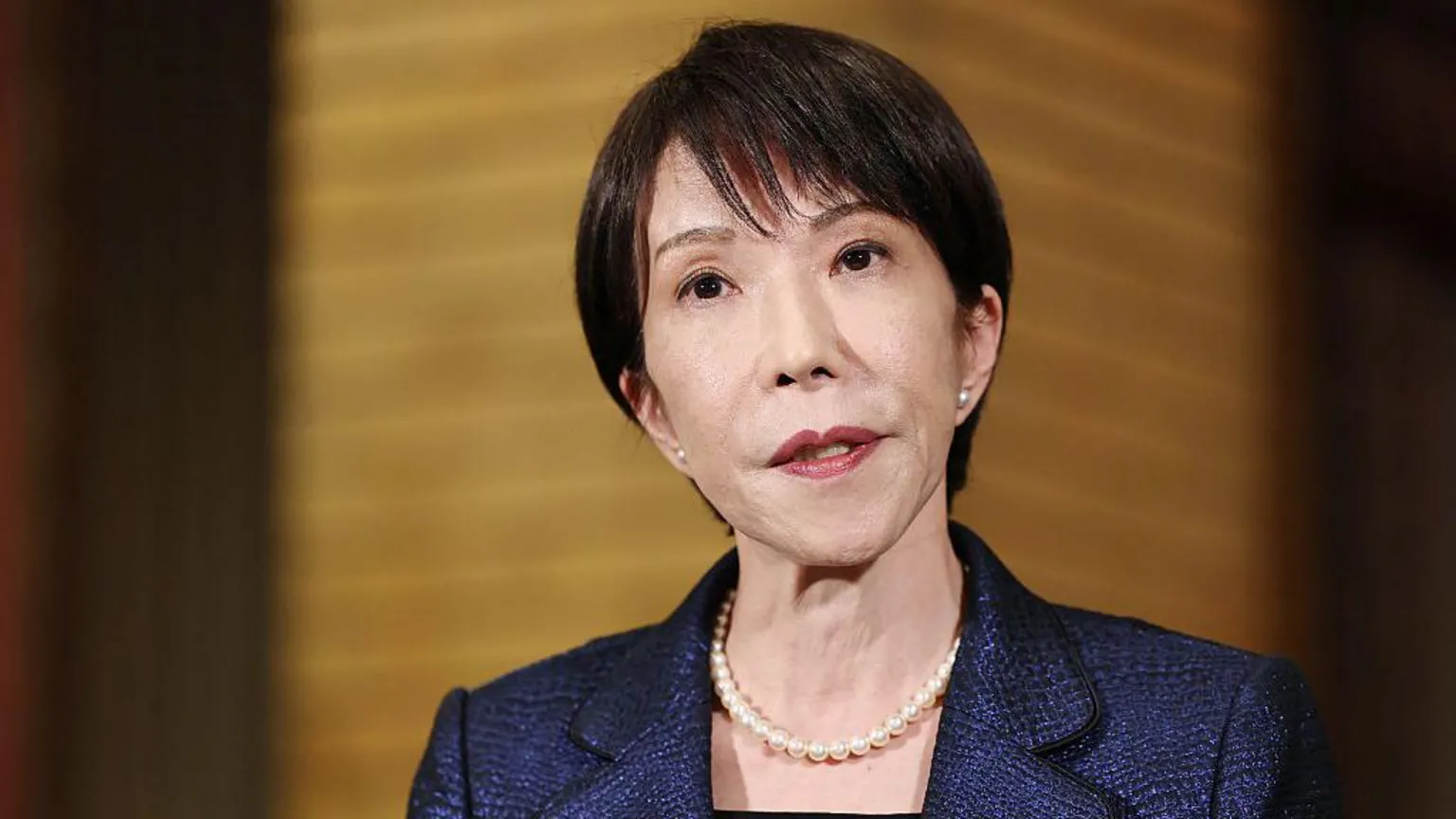
Since assuming office in October 2025, Prime Minister Sanae Takaichi has initiated substantial departures from Japan's post-war pacifist policies, including lifting long-standing bans on arms exports and broadening the nation's military engagement abroad.
The government asserts these measures are essential given the escalating regional tensions. However, many citizens express concern over Japan's evolving military posture.
As apprehension mounts regarding Japan's potential transformation into a war-capable state, protests have gained considerable momentum.
Public demonstrations in Japan are traditionally restrained due to a cultural emphasis on social harmony and avoiding disruption. Thus, large-scale protests typically indicate profound societal issues.
Currently, the debate centers on Japan's national identity.
The Prime Minister's push for change
Following World War II, Japan adopted a constitution that includes Article 9, which renounces war as a sovereign right and prohibits maintaining armed forces.
Prime Minister Takaichi contends that this framework no longer aligns with present realities. Japan's geographic position places it near an assertive China, an unpredictable North Korea, and Russia. Additionally, the United States, Japan's closest ally, has encouraged Tokyo to assume a more active security role.
Takaichi is not the first leader advocating constitutional revisions. Over recent decades, conservative figures, especially within the ruling Liberal Democratic Party, have sought amendments to the 1947 constitution. Former Prime Minister Shinzo Abe notably supported revising Article 9 to formalize the Self-Defense Forces' role.
Under Abe's administration, the Diet passed a contentious security bill in 2015 expanding Japan's armed forces' role, permitting limited self-defense actions, including aiding allies under attack.
On 21 April, the Japanese government made a significant move by lifting the longstanding ban on exporting lethal weapons, citing the necessity for allies to support each other amid a worsening security environment.
This decision provoked strong reactions among the Japanese public.
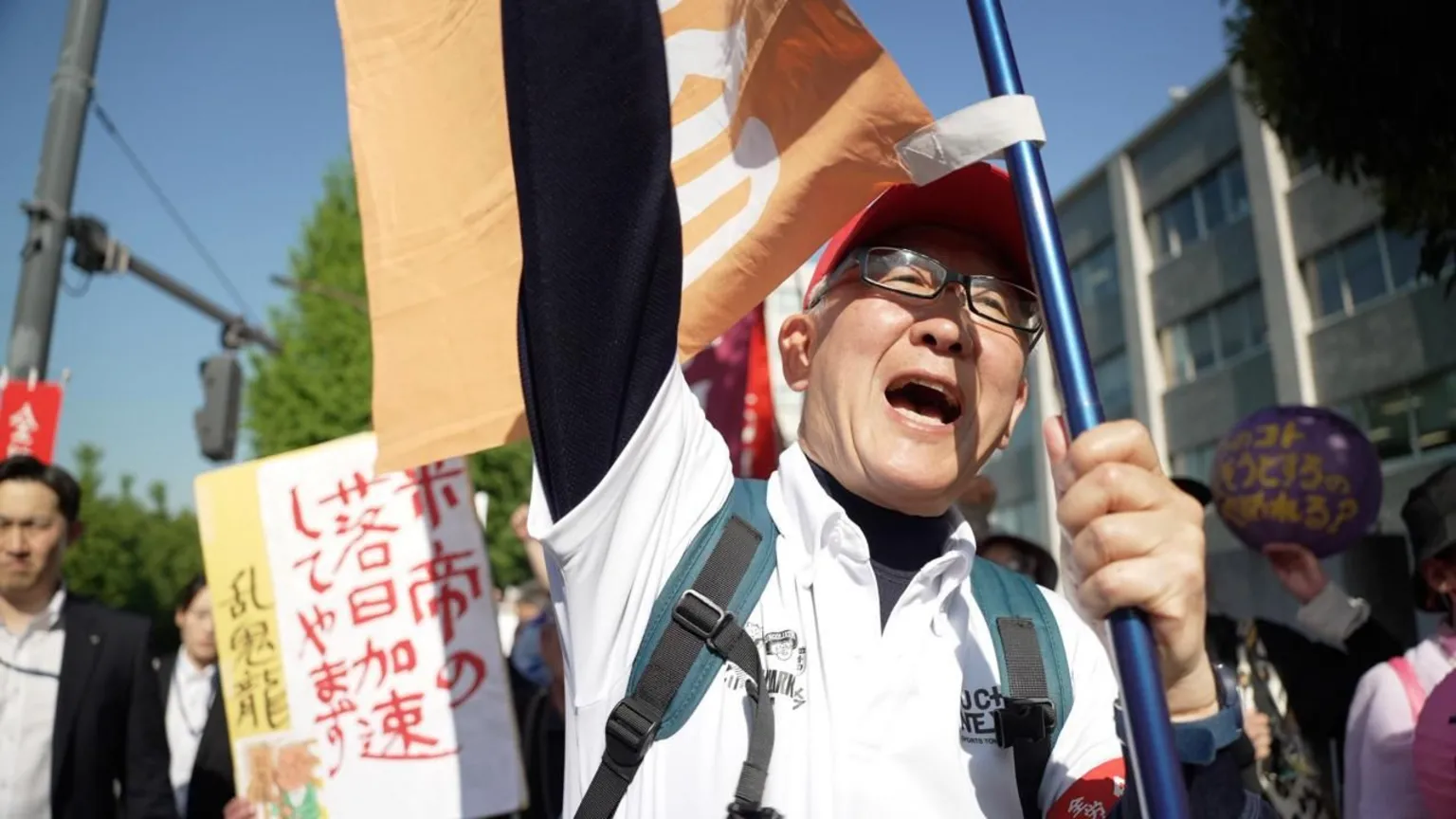
Outside the prime minister's office, as the rain ceased and sunlight emerged, the crowd grew larger and chants intensified. The demonstrators included not only older generations but also many individuals in their twenties and thirties.
Akari Maezono, in her 30s, carried brightly painted paper lanterns advocating peace.
"I'm angry that these changes could be made without properly listening to us, the public," she said.
Nearby, an elderly man stood firmly holding a vivid red banner.
"The Japanese constitution, Article 9 in particular, must be protected at all costs," he stated. "It kept Japan from being drawn into past conflicts like the US-Iran war. Without it, we surely would have entered the war by now."
'No more war'
Japan's 1947 constitution was enacted two years after World War II ended, following the United States' defeat of Japan through atomic bombings of Hiroshima and Nagasaki, which resulted in approximately 200,000 deaths by the end of 1945.

Article 9's pacifist clause renounces war as a sovereign right and prohibits maintaining military forces for war purposes. This clause has since been interpreted to permit the existence of Self-Defense Forces.
Pacifism was regarded as a moral advancement over Japan's wartime militarism.
However, Article 9 was not universally accepted at the time. It was controversial due to perceptions of foreign imposition, particularly by the United States. Critics also expressed concerns about Japan's vulnerability amid Cold War tensions.
For many, especially those with living memories of conflict and the atomic bombings, any move away from pacifism triggers fear. Recently, Hiroshima atomic bomb survivors advocated for nuclear disarmament at the United Nations, calling for a world free of nuclear weapons and war.
Jiro Hamasumi, a hibakusha (bomb-affected person), spoke at the 2026 Nuclear Non-Proliferation Treaty review conference.
"Nuclear weapons were used because we went to war," he said.
"No more war, no more hibakusha," he added.
Concerns that Japan might be drawn into conflict again are evident on the streets. Demonstrations have spread beyond Tokyo, with rallies organized in major cities such as Osaka, Kyoto, and Fukuoka. Attendance reportedly increases weekly, aided by social media platforms like X.
Younger Japanese, who feel they have more at stake regarding Japan's future, actively share information about demonstrations and encourage peers to participate.
While these protests are among the largest in decades, they represent only one facet of the national discourse.
A country divided
Public opinion across Japan remains divided. Recent polls show mixed results, with some indicating rising support for a stronger military to address current global challenges, while others reveal clear opposition.
Proponents of constitutional revision argue that Japan's security environment has fundamentally changed.
They contend that Article 9, drafted after defeat, is overly restrictive and that Japan must be capable of deterring aggression, supporting allies, and responding proactively to regional crises.
For supporters, enhancing the military's legitimacy does not reject pacifism but ensures the country's survival amid global instability.
Opponents caution that incremental changes risk undermining the pacifist clause. They warn that expanding military powers and easing long-standing restrictions could entangle Japan in overseas conflicts.
For many, Article 9 represents not only a legal limitation but a moral commitment shaped by the devastation of past wars.
During the protests, a cashier at a nearby convenience store expressed the division among the populace.
"They're always here," he said, referring to the protesters, with some impatience. Then he added: "Time for a new Japan."
This encapsulates the dilemma Japan faces: whether to maintain a pacifist identity rooted in history or adapt to a more volatile future.
In a nation where change traditionally occurs cautiously and gradually, the pressing question is not only what decision Japan will make but how swiftly it will do so.