

UN Fact-Finding Mission Links El-Fasher Atrocities to Genocide
A United Nations fact-finding mission has concluded that the atrocities committed during the siege and subsequent capture of the Sudanese city of el-Fasher constitute evidence pointing to genocide.
The paramilitary Rapid Support Forces (RSF) seized control of el-Fasher, located in the Darfur region of western Sudan, at the end of October following an 18-month blockade.
This event marked one of the most brutal episodes in Sudan's nearly three-year civil war and provoked widespread international condemnation.
This report represents the closest the UN has come to officially recognizing that genocide is being perpetrated by RSF fighters in Darfur amid the ongoing conflict. The RSF has not issued a response to this latest report but has previously denied similar allegations.
"The body of evidence we collected — including the prolonged siege, starvation and denial of humanitarian assistance, followed by mass killings, rape, torture and enforced disappearance, systematic humiliation and perpetrators' own declarations - leaves only one reasonable inference," said fact-finding mission expert Mona Rishmawi. "The RSF acted with intent to destroy, in whole or in part, the Zaghawa and Fur communities in El-Fasher. These are the hallmarks of genocide."
The report identifies at least three underlying acts of genocide: killing members of a protected ethnic group; inflicting serious bodily and mental harm; and deliberately imposing living conditions calculated to bring about the physical destruction of the group in whole or in part.
Although the investigators were unable to visit el-Fasher directly, their findings are based on over 320 interviews with survivors, statements from RSF commanders, and verified video and satellite imagery.
UK Foreign Secretary Yvette Cooper described the findings as "truly horrific" and announced plans to present the report's conclusions to the UN Security Council on Thursday.
In her statement, Cooper emphasized the necessity of international criminal investigations to ensure accountability for perpetrators, justice for victims, and an end to the arms flows fueling the conflict.
Background of Sudan's Civil War and Darfur Conflict
Sudan's civil war began in April 2023, stemming from a power struggle between the regular army and the RSF over the integration of paramilitary forces into the national security apparatus. The conflict has since expanded nationwide, exacerbated by longstanding local grievances and ethnic divisions.
In Darfur, Arab militias forming the core of the RSF have targeted non-Arab populations they consider adversaries, employing brutal tactics reminiscent of those used approximately 20 years ago. At that time, these militias massacred hundreds of thousands of Darfuris from indigenous African ethnic groups under the regime of then-authoritarian leader Omar al-Bashir to suppress local rebellions.
The report details how el-Fasher was deliberately starved and devastated during the prolonged siege, systematically weakening the targeted population and leaving them vulnerable to extreme violence that ensued.
"Thousands of persons, particularly the Zaghawa, were killed, raped or disappeared during three days of absolute horror," the report states, noting that RSF troops failed to distinguish between Zaghawa civilians and armed groups defending the city.
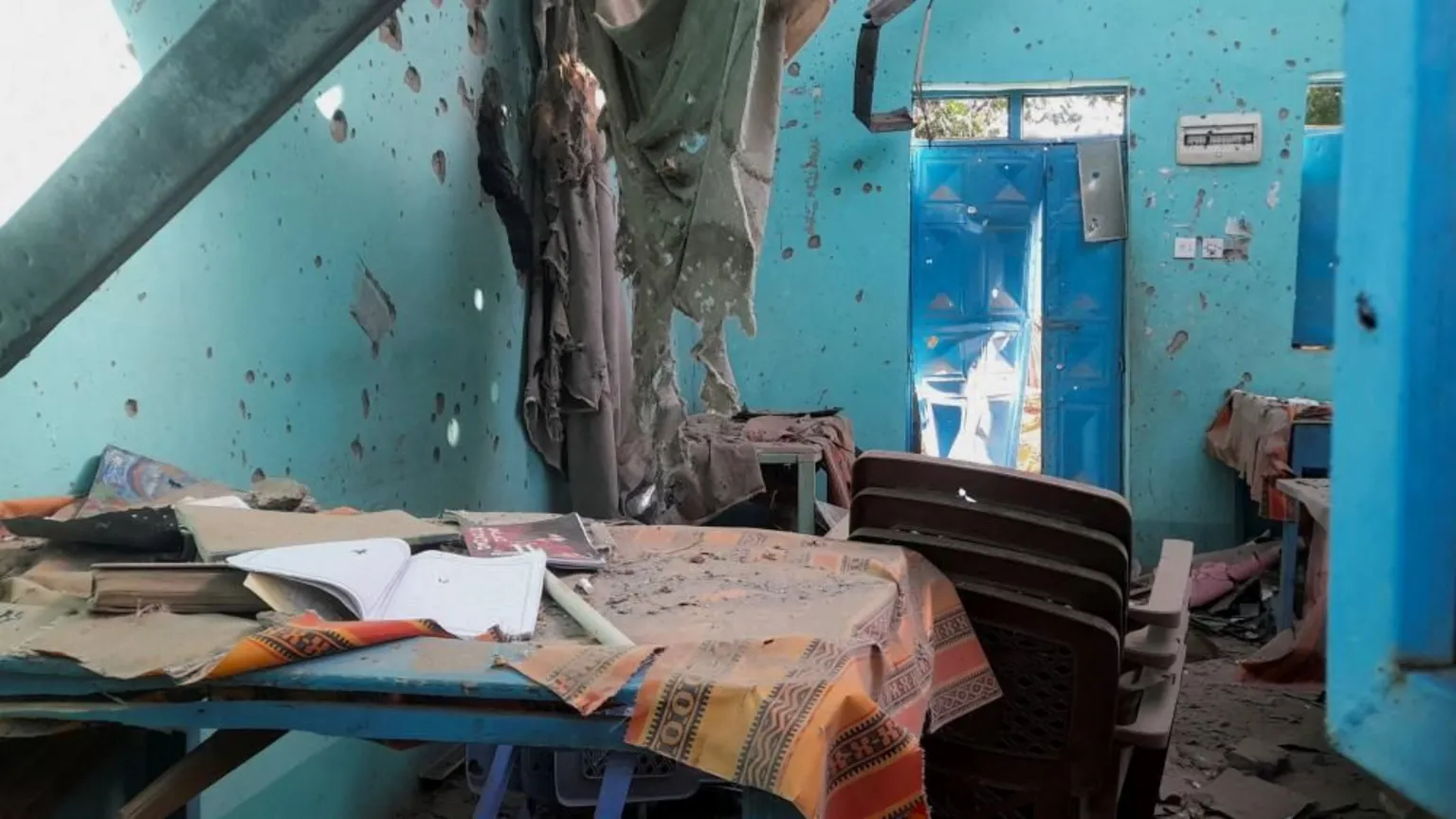
Investigators characterized the RSF's conduct in el-Fasher as an escalation of prior patterns, but on a far more lethal scale. This escalation demonstrates the failure to prevent atrocities despite clear warning signs. The report warns that without prevention and accountability, the risk of further genocidal acts remains serious and ongoing.
Mandate and Accountability Efforts
The Human Rights Council in Geneva mandated the investigative team to identify, where possible, suspected perpetrators to facilitate accountability.

The report names RSF Leader Lieutenant General Mohamed Hamdan Dagalo, widely known as Hemedti, and spokesperson Lieutenant Colonel Al-Fatih Al-Qurashi, citing their public claims and celebrations of the operation.
It notes that General Hemedti acknowledged some "violations" occurred during the city's capture, describing el-Fasher as a "catastrophe," but justified the assault as necessary.
Hemedti also issued directives instructing his fighters not to harm civilians or kill prisoners and promised investigations. However, investigators report that the RSF did not respond to requests for clarification on steps taken or other inquiries.
"The scale, coordination, and public endorsement of the operation by the senior Rapid Support Forces leadership point to a planned and organised operation executed through an established hierarchy and structure, rather than isolated acts," the UN mission stated.
The report identifies one notorious commander known as "Abu Lulu," who was arrested following viral footage depicting his brutality, but notes that the RSF has provided no information regarding any judicial proceedings.
Despite efforts, the UN mission did not receive cooperation from Sudanese authorities. Yvette Cooper condemned obstructions from both warring parties as "shameful and unacceptable."
External Involvement and Arms Embargo
The mission's mandate did not extend to investigating external actors potentially supporting the RSF.
However, the report highlights that the RSF's military campaign was bolstered by foreign mercenaries equipped with "advanced weaponry and communications systems." Investigators are engaging with several states regarding credible information of involvement and intend to report on this in the future.
The United Arab Emirates (UAE) is widely reported as the principal backer of the RSF, although it strongly denies these claims despite extensive evidence from international investigations previously deemed credible by the UN.
Abu Dhabi's role came under increased scrutiny following the el-Fasher massacre, yet there has been no public pressure from the UN, the United States, or the United Kingdom on the UAE.
The Emirati foreign ministry condemned "in the strongest terms the grave violations" documented by the investigators, while also condemning atrocities committed by Sudanese armed forces.
It emphasized that the fact-finding report made no mention of Abu Dhabi and denied supporting "baseless claims associating the UAE with violations of international law in Sudan."
Calls for International Action
The investigators urged the international community to fully enforce the existing arms embargo on Darfur and to extend it to the entire country; to prevent the transfer of weapons and other support to parties implicated in serious violations; to ensure accountability through targeted sanctions; to fully cooperate with the International Criminal Court; and to consider establishing a judicial mechanism working alongside it.
Yvette Cooper stressed the importance of the fact-finding mission's plans to continue investigating reported breaches of the arms embargo and supported extending and enforcing it.
"Most important of all we need global action and pressure in pursuit of a ceasefire, and essential humanitarian access with support for survivors," she said.
Cooper also highlighted the systematic and widespread sexual violence, describing it as "a war against women's bodies."
UN Security Council and Ongoing Conflict
The upcoming UN Security Council session aims to advance efforts toward a humanitarian truce, which has remained elusive despite significant civilian suffering. Both warring parties portray the conflict as existential and continue fighting with increasingly sophisticated weapons supplied by foreign backers.
"The world is still failing the people of Sudan," Cooper said. "When the stories started to emerge about the horrors of el-Fasher it should have been a turning point, but the violence is continuing. Today, in the Security Council, the UK as President will make sure the world does not look away."


