Introduction to the Scam
A dog with rust-coloured fur lies at the side of a road. He appears peaceful, but as the TikTok video pans from his face to the rest of his body, severe injuries to his hind legs become visible.
The dog is not resting; he is panting, presumably in pain.
Text on the 15-second clip informs viewers that this dog "got into an accident" and urges them "to save his life" by donating through an online link.
In the three weeks following the video's initial posting on 8 January last year, this dog was featured in hundreds of other fundraising campaigns by at least a dozen accounts.
A social media user from the UK named the dog Russet, reflecting the colour of his coat. Thousands of dollars were raised for his treatment, yet he never improved.
BBC Africa Eye has uncovered that this dog in Uganda was used as a prop in a scam soliciting donations for animals in distress, part of a covert industry profiting from cruelty.
While it is impossible to conclusively determine the cause of Russet's injuries, BBC World Service journalists pieced together parts of his story, indicating he endured prolonged suffering regardless of the cause.
This story connects a town in Uganda with animal lovers thousands of miles away, who are coaxed into donating through emotional images, falsehoods, and exploitation of Western stereotypes about Africa, such as endemic poverty and widespread indifference toward animal welfare.
However, it is dogs like Russet who bear the greatest cost.
Mityana: The Hub of Sham Dog Rescue Shelters
Russet was filmed in Mityana, a trading centre approximately 70km (43 miles) from Uganda's capital, Kampala.
The town has gained notoriety among online animal rescue activists worldwide for one reason: sham dog rescue shelters.
Ugandan scammers have recognized the popularity of dogs in Europe, North America, and Australia, and how social media's obsession with dogs can be monetized.
"There are young men in the [Ugandan] countryside who are always looking for anything to do on the internet," Bart Kakooza, chairman of the Uganda Society for the Protection and Care of Animals, tells the BBC.
"On the other side, in the Western world, people are very passionate about animals. These young men realised they can make money if they can get a dog."
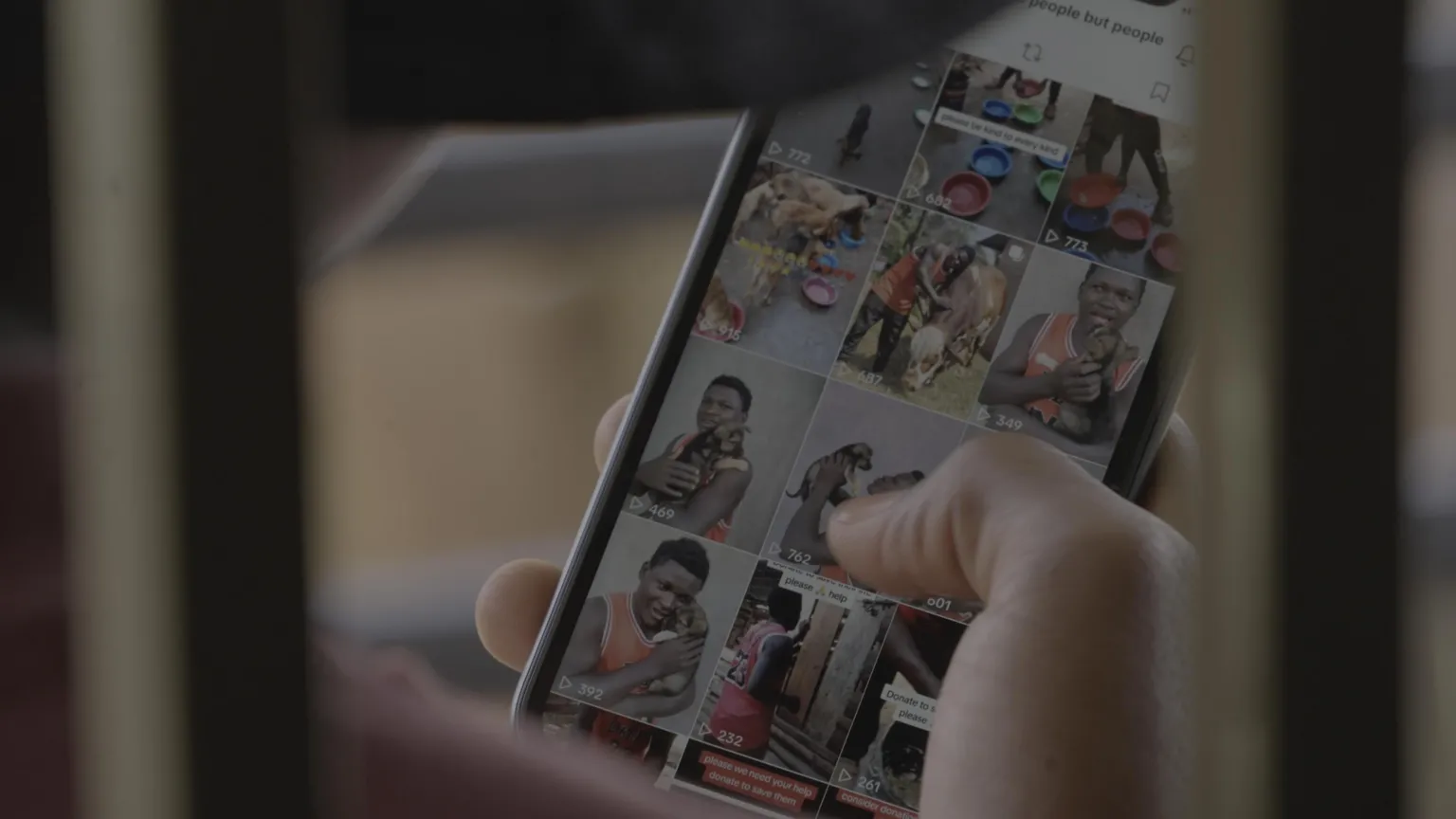
It is difficult to ascertain how many social media accounts operate from Mityana. Collectively, they have inundated Instagram, TikTok, Facebook, and YouTube with videos of pitiful-looking animals—mostly dogs and cats, but also rabbits—with commentary pleading for donations to shelter, feed, and treat them.
A typical video shows a person presenting dogs in a makeshift structure, accompanied by messages such as "our dogs are hungry," "it's another day without food at the shelter," and "please help us."
The clips often exploit what content creators believe will resonate with viewers' existing perceptions of Africa, portraying it as a place where food is scarce and young dog lovers must struggle against societal hostility and neglect to protect animals.
Data analysis by BBC Africa Eye suggests these videos have been effective in converting views into donations.
Over the past five years, research shows that more than $730,000 (£540,000) has been raised for animal shelters in Uganda through hundreds of fundraisers posted on the donation platform GoFundMe.
Nearly 40% of all fundraisers analysed by the BBC were connected to Mityana.
In the town, the sham dog shelter business is an open secret. Several residents told the BBC it is easy to identify the con artists.
"When you see a young man driving a Subaru [a status symbol car in the area], you just know he is a scammer," one resident said.
"The scammers are the most respected here in Mityana," another added.
However, few residents are willing to speak openly about specific shelter operations due to fear of retaliation. The BBC deployed an undercover team to Mityana.
The journalists posed as newcomers interested in entering the online dog-shelter content business.
They discovered that some establishments in the area are rented out to multiple content creators.
The shelters charge an entrance fee to film with the owner's dogs. The videos are then posted on the scammer's social media accounts and affiliated online fundraisers, usually GoFundMe or PayPal links.
This means the same physical shelter and the same dogs are used by several different accounts to solicit money.
Undercover Findings at a Sham Shelter
The BBC team gained access to one such shelter, run by a young man who introduced himself as Charles Lubajja.
At the shelter, journalists found about 15 dogs confined in the same cage, lying in their own waste. Many appeared severely underweight and lethargic.
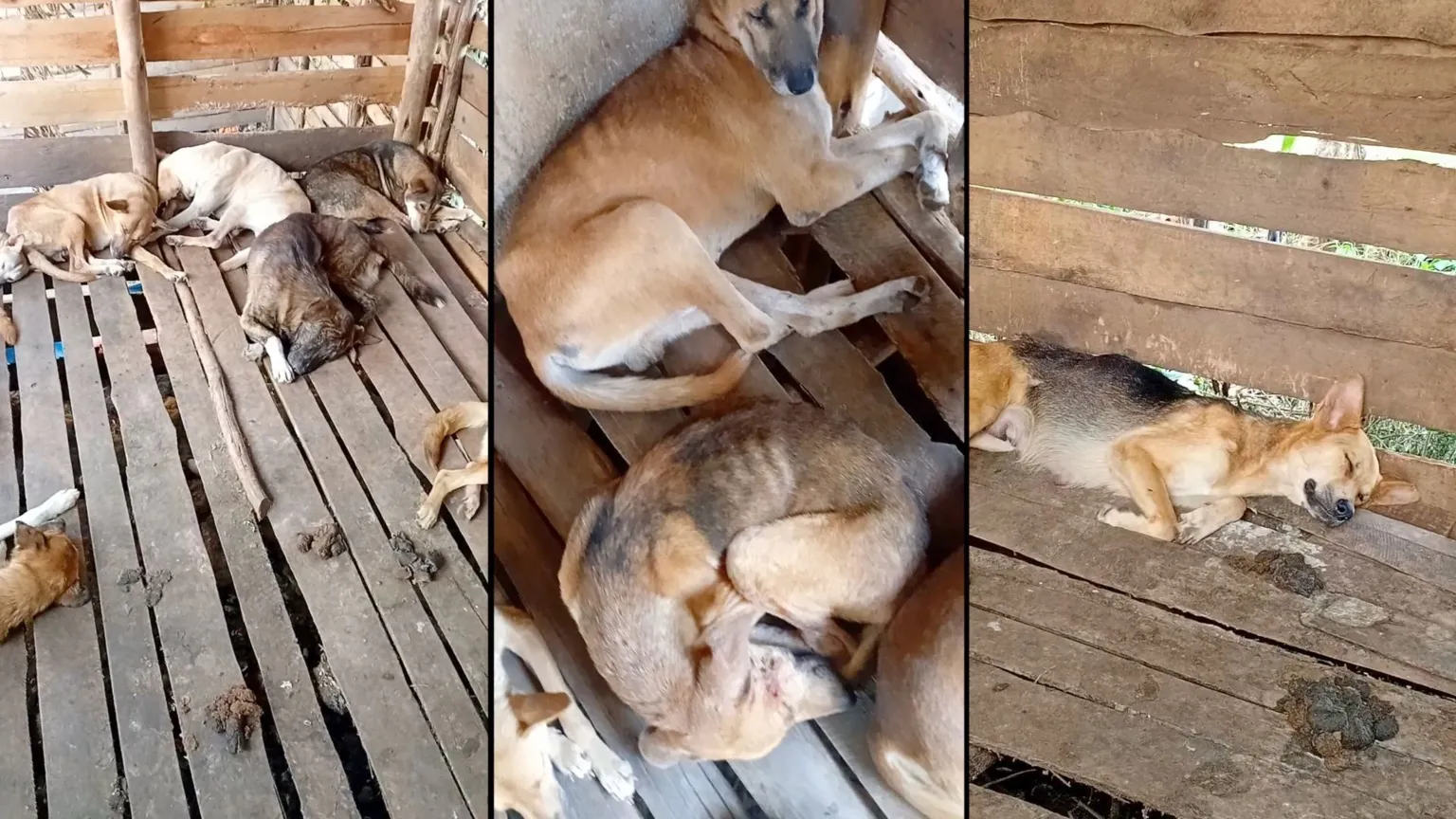
Lubajja told the undercover reporters that the shelter primarily exists to generate money from social media viewers abroad under false pretences. He shared advice on increasing revenues and some of the tricks used, including:
"Once you receive the GoFundMe money, you use it to buy a car or build a house," Lubajja said while being secretly filmed.
"Once you get a white donor, don't treat them as a brother. You have to squeeze them [take their money]. Drain them."
As fake operations like Lubajja's proliferate online, an increasing number of donors realized they had been deceived. Initiatives emerged to combat the scammers.
Campaigners' tactics include raising awareness among potential contributors and naming and shaming accounts believed to be the worst offenders.
Online activists also claim that beyond neglect, deliberate harm is inflicted on animals in Mityana's shelters.

A campaign gaining traction due to its aggressive style is We Won't Be Scammed, which has an Instagram account with around 20,000 followers.
During undercover filming, Lubajja mentioned the campaign and described it as the scammers' "biggest problem."
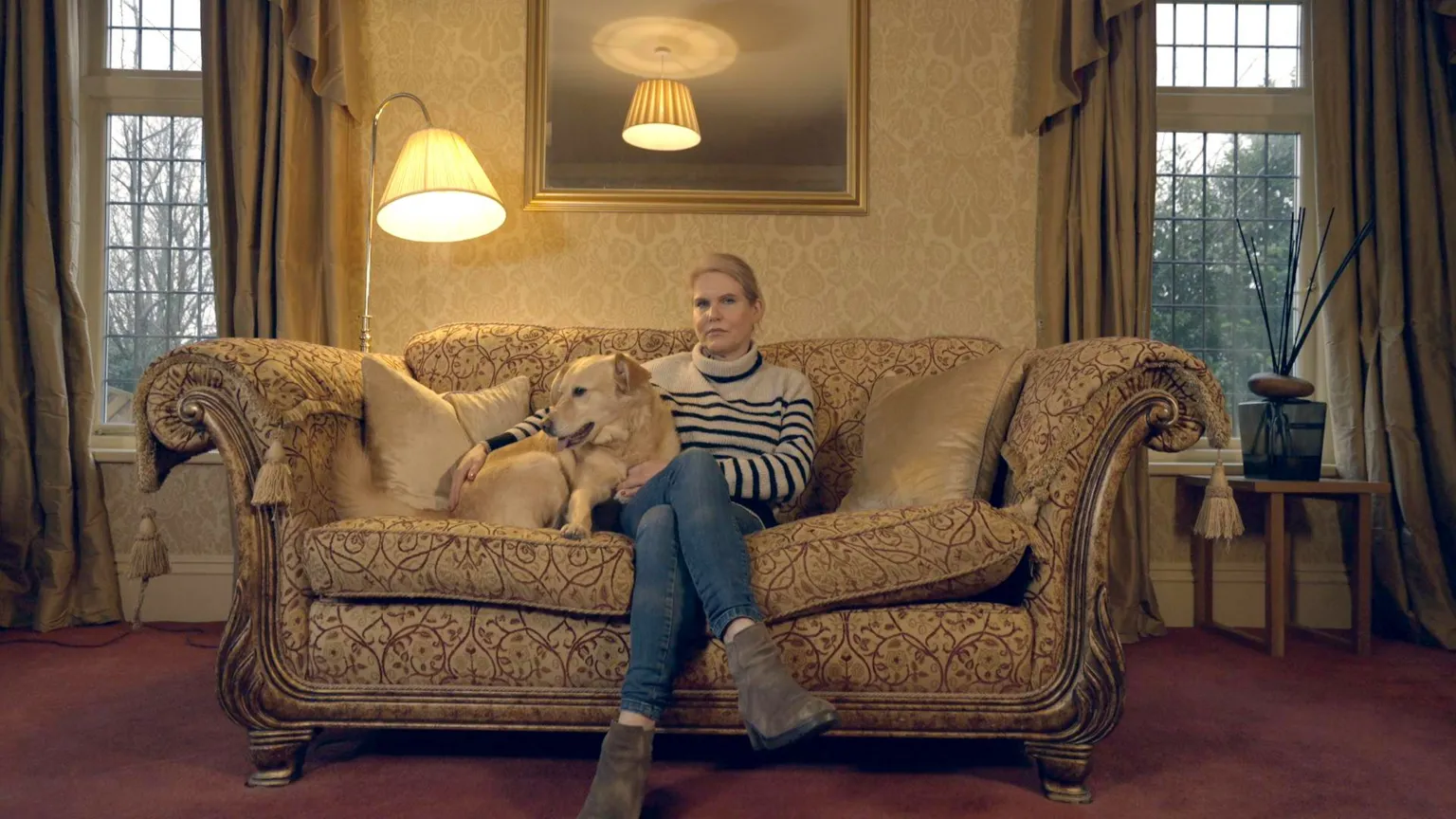
What Lubajja likely did not know is that the account is run by Nicola Baird, a 49-year-old woman living approximately 10,000km away in Yorkshire, northern England.
Activism Against the Scam
Nicola Baird, founder of We Won't Be Scammed, is determined to stop the abuse.
"The scammers, I just have hatred for them," she told the BBC. "They are the epitome of evil."
Like others in her network of 20 activists, Baird was once a victim. She sent money to a man in Mityana claiming his dog needed surgery after a traffic accident.
After receiving photos and videos of the dog's alleged surgery, Baird grew suspicious. Veterinary doctors she consulted confirmed the images appeared more like abuse than veterinary care.
"That's when I thought: 'Oh my goodness, I've enabled this abuse.'"
"And that's when it became a real passion to stop the abuse because I felt like they were abusing [my dog] Sebi - they're abusing part of my family."
This experience shaped Baird's belief that animal injuries shown in social media videos—including burns, cuts, and even missing limbs—have been deliberately inflicted, a view shared by other online activist groups monitoring accounts linked to Mityana.
Lubajja confirmed to the undercover team that there have been instances where scammers intentionally injured dogs.
"When they ran out of content, some people started cutting the dogs and asked for money," he said.
However, he added that this tactic backfired when some donors recognized the abuse and warned others.
"[Scammers] no longer cut the dogs [because] they lost money when the white people realised."
Baird acknowledges that scammers' tactics have evolved due to increased scrutiny but maintains that dogs are still deliberately harmed and remain at risk.
"All that pain is just for a few donations," she said. "No animal should have to live like this."
Russet's Story and Treatment
We Won't Be Scammed and other activists believe Russet, the dog filmed at the roadside and featured in numerous fundraising videos, had his legs deliberately broken.
During undercover filming, Lubajja was shown a video of Russet and identified him as one of his dogs. When pressed for details, he claimed the dog had been involved in a traffic accident just outside the shelter.
However, this may not have been accurate.
After Russet's initial social media appearance, his image was posted on several different accounts, seemingly as he was passed from one scammer group to another.
Approximately three weeks later, a British social media user and donor, who wished to remain anonymous, negotiated Russet's release from the scammers to a veterinary clinic in Kampala.
Dr Isa Lutebemberwa went to Mityana to retrieve the dog and brought him to his clinic for treatment, funded by the UK donor.
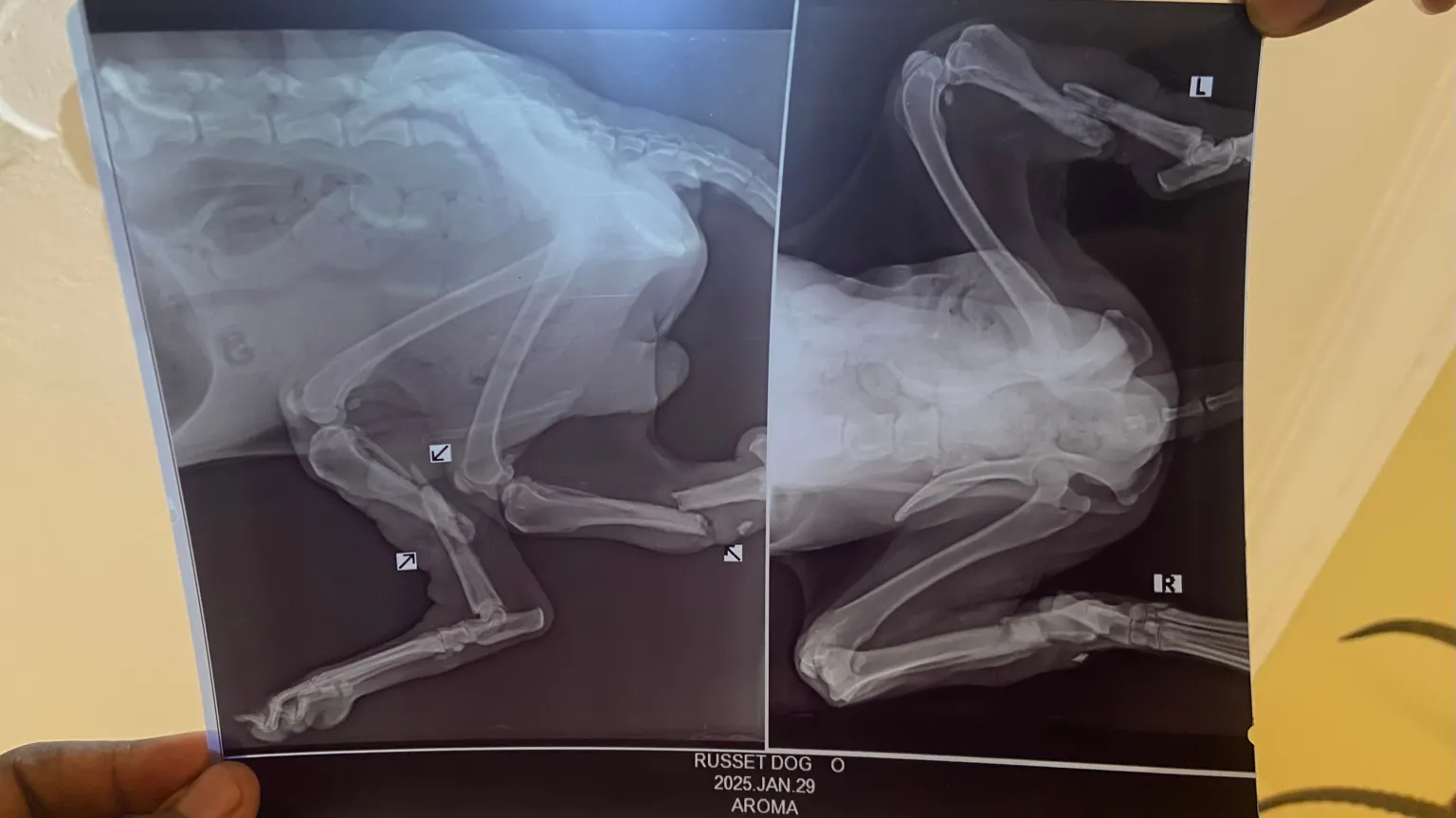
Dr Lutebemberwa expressed doubt that Russet's injuries were caused by an accident. Describing an X-ray of Russet's lower body, he said:
"If you look at these bones, all of them were broken almost in the same position.
"If you are interested in breaking a bone, it's the position you would go for, because it is the weakest."
Lutebemberwa operated on Russet. The dog survived the surgery but died a few days later.
"If you looked in his face, you would see that he had endured a lot of suffering," Lutebemberwa told the BBC. "Given everything he had gone through, he did not deserve to die."
"Russet showed me the pain a dog which is out there can go through."
Responses and Accountability
The BBC contacted Lubajja, who had told undercover journalists he owned Russet, for comment on the investigation's findings.
When shown images of Russet with the allegations, he said he did not recognize the dog and denied injuring animals. He acknowledged that content creators pay to film at his shelter.
Dr Lutebemberwa and other Ugandan animal activists, including Kakooza, partially blame international donors for the suffering of dogs in Mityana's shelters, stating that donors often give impulsively and without sufficient scrutiny.
"People who are donating money are causing the problem of animal cruelty here, because they keep on fuelling it, they are fanning the fire," Kakooza said.
Baird agrees that donations may have inadvertently caused harm:
"I think the message that we have to take from Russet's abuse is the donations prolonged his agony. Had people not donated, Russet would not have suffered as long as he did."
Most animal activists in Uganda and internationally believe that increased awareness among social media users and potential donors would reduce donations to Mityana's shelters. This would decrease scammers' income and the business's appeal among young people, leading to fewer new dogs being captured for scams.
However, few can propose concrete solutions for the dogs currently held in these shelters.
Law Enforcement and Future Actions
Mityana police informed the BBC that a 2023 operation rescued 24 severely injured dogs kept in poor conditions at a sham shelter in town and transferred them to Kampala for treatment.
Three suspects arrested during the operation were charged with animal cruelty before being released. Their case was later closed, and they received a warning.
An international coalition of activists, including Kakooza, is pursuing private prosecutions to address the issue. One case is already underway.
"We hope this case will be a deterrent for many other people who wish to continue operating in this illegal trade," Kakooza told the BBC.
If you are outside the UK, you can watch the documentary on YouTube or listen to the podcast here.
For more news from the African continent, visit BBCAfrica.com.
on Twitter @BBCAfrica, on Facebook at BBC Africa, or on Instagram at bbcafrica.