Rising Anti-Migrant Sentiment in South Africa
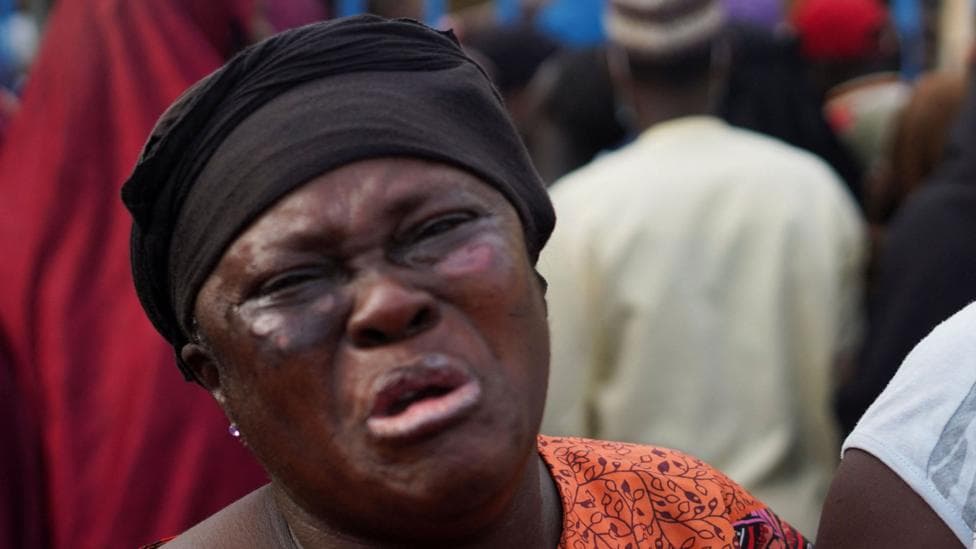
Nigeria has reported that two of its nationals were killed in South Africa during a period marked by increasing hostility towards foreigners. The Nigerian foreign ministry issued a statement confirming that Emeka Charles Iroegbu was "reportedly killed" on 28 June by police officers employing "gruesome interrogation techniques." On the same day, shop owner Musa Yunana Joe was killed by unidentified assailants.
The South African authorities in Pretoria, the nation's capital, have not yet issued any comments regarding these incidents.
Nigeria's foreign ministry highlighted that these killings occurred amid a surge in anti-migrant sentiment in South Africa. This hostility has resulted in approximately 25,000 citizens from various African countries being repatriated by their home nations, including around 700 Nigerians.

Protesters within South Africa have called on the government to intensify efforts to control illegal migration, arguing that foreigners are occupying jobs and unfairly accessing public services.
Details of the Killings
According to Nigeria's foreign ministry, Iroegbu was reportedly killed in Pretoria by officers from the Tshwane Metro Police Department. Joe was attacked outside his shop in the city of eMalahleni on 28 June.
In response, Abuja has placed the South African government "on notice," warning that "all options remain on the table... if the uncultured and provocative trend of intolerance and apartheid-style behaviour of South Africa against foreigners is not addressed."
Nigeria has also indicated it will seek compensation from South Africa for its citizens who have departed the country, and has begun documenting Nigerian-owned businesses and properties left behind.

However, at a media briefing on Friday, South African cabinet minister Khumbudzo Ntshavheni stated that her government would not provide compensation. She added that Nigerians could sell any registered properties they left behind on the South African market.
"We would be interested to know where the drug dens of Nigerians are, so they can show us where they have been holding the drugs so we can clean the drugs in South Africa quite urgently."
Nigeria's foreign ministry strongly condemned this statement on Sunday, describing it as "unacceptable."
"Such derogatory, unprofessional and uncensored generalised public statements by highly placed government officials constitute hate speech," the ministry said.
Protests and Government Response
Police reported that protests across South Africa on Tuesday were peaceful.
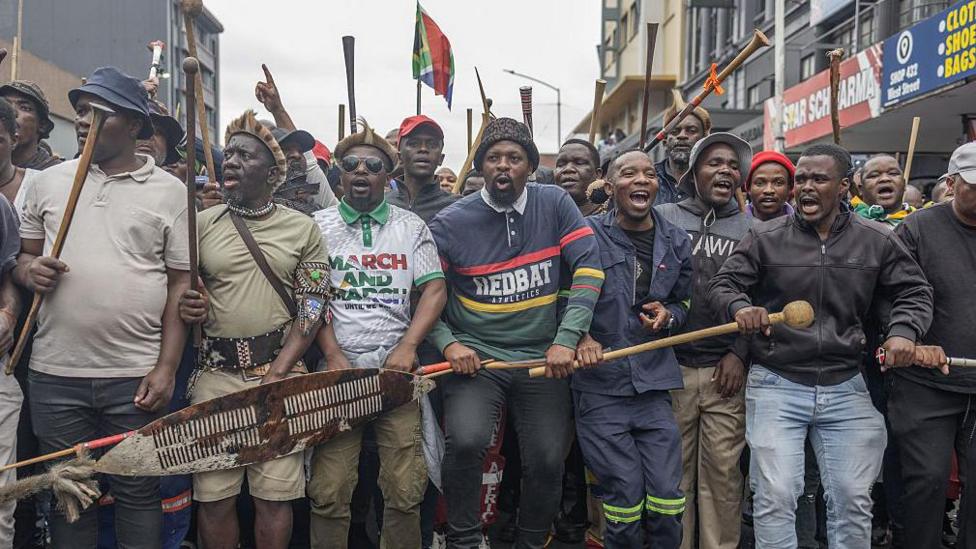
Some anti-migrant groups in South Africa had set a deadline of 30 June for undocumented foreigners to leave the country. Ahead of this deadline, countries including Ghana, Malawi, and Nigeria repatriated some of their citizens.
South Africa faces one of the highest unemployment rates globally, exceeding 30%, which has contributed to the rise in anti-migrant sentiment in recent months. Despite this, the country remains the continent's most developed economy and continues to attract individuals from poorer nations seeking employment, often in low-paid positions.
Additional Context and Resources
For further insights, see related coverage such as Ndileka Mandela's reflections on anti-migrant protests, discussions on South Africa's asylum laws, and reports on uniformed groups targeting foreigners.
More news from the African continent is available at BBCAfrica.com.
Follow updates on Twitter @BBCAfrica, Facebook at BBC Africa, or Instagram at bbcafrica.