Kaliluni Primary School's Decline
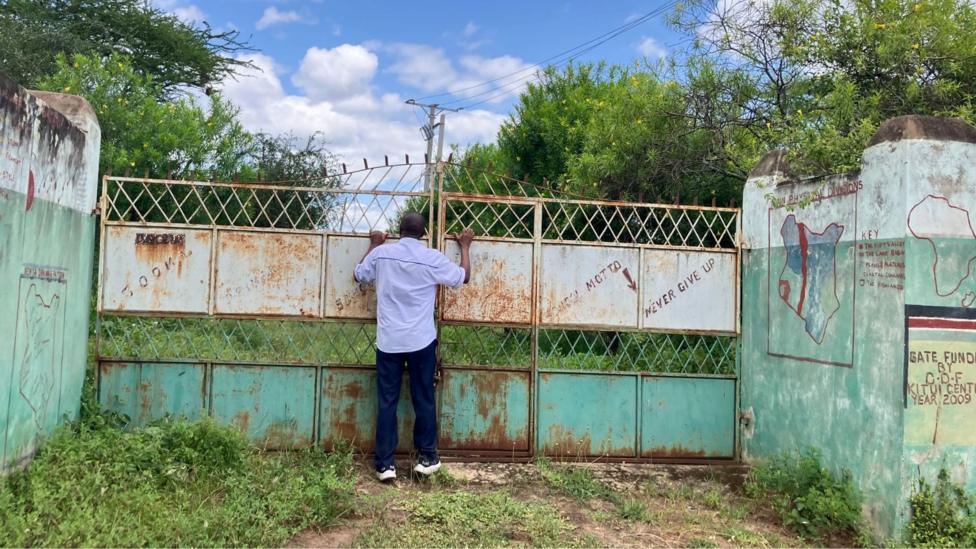
Kaliluni Primary School in southern Kenya has experienced a dramatic decrease in pupil numbers over the past three years. Once bustling with over 200 children, the school now has only five pupils enrolled. On a recent visit, the school was deserted except for cows grazing among broken classroom doors and empty chairs.
On the day of the visit, neither the remaining pupils nor the sole teacher were present. The school compound appeared neglected, with books scattered across classroom floors. A schoolgirl in uniform was seen walking home alone, highlighting the school's decline.
"I feel bad missing lessons all those days while pupils in other schools are still in class,"said 12-year-old Maureen Mwisiwa, who has been attending school alone for the past week.
Maureen's mother, Josephine Muasya, along with other parents, plans to transfer her to a better-equipped school where most of her friends now attend. The new school is located 8km (5 miles) away on rough roads. Due to the absence of public transport in this remote area of Kitui county, more than 200km east of Nairobi, children take a shortcut over rugged terrain, resulting in a walk of just over an hour compared to the 10 minutes it took to reach Kaliluni Primary.
"I was hoping the government would restore operations here - bring more teachers and facilities to accommodate the new curriculum - but there is no hope,"Muasya said.
She was referring to Kenya's 2017 education reform introducing Competency-Based Education (CBE), a less exam-oriented, more creative and practical teaching approach. However, this reform has had a severe impact on rural junior schools like Kaliluni Primary, with over 2,000 schools nationwide facing possible closure due to declining enrolment.
Changes in Kenya's Education System
Previously, primary schools taught children up to grade eight, after which students aged around 14 moved to senior school. Under the new system, primary education ends at grade six, followed by a new junior secondary school stage covering grades seven to nine, which includes more science and practical subjects.
Primary schools were expected to accommodate these intermediary grades, with students transitioning to senior school at approximately 15 years old. This shift required under-resourced primary schools to expand facilities, including classrooms, science laboratories, and to hire additional teachers with subject specializations and new learning materials.
"Infrastructure gaps are acute. Many rural schools lack basic facilities such as laboratories, yet learners are expected to pursue science and technical pathways,"said Mark Kasyoki, an education expert.
He cautioned that while the new curriculum aims to address educational inequality by being free for all children, it could inadvertently exacerbate disparities if the challenges are not urgently addressed.
Impact on Other Schools in Kitui County
Other schools in Kitui county have also been affected. Sooma Primary School closed in 2023 after enrolment dropped to six pupils, and Manooni Primary School closed the following year with only three pupils registered. These closures occurred quietly without farewell events, as children gradually moved to better-equipped schools.
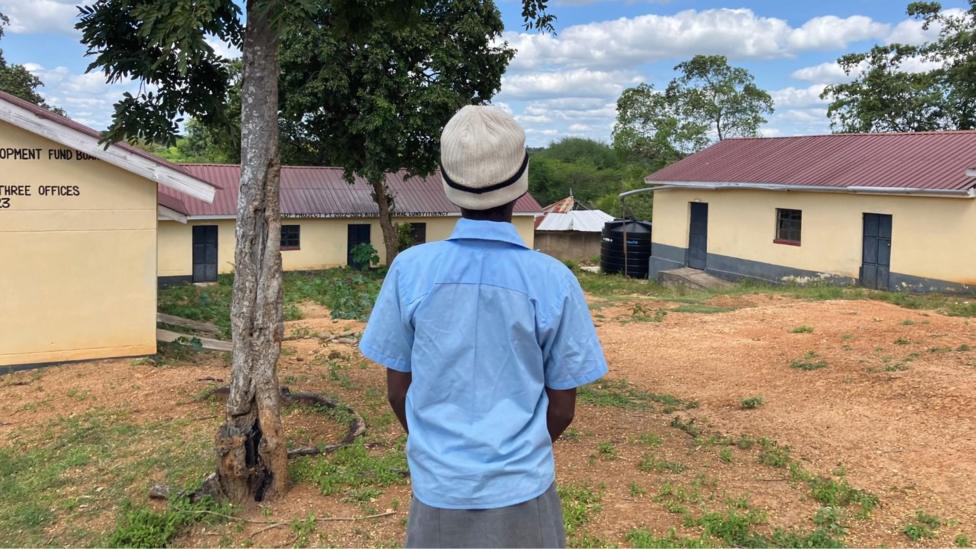
"The CBE curriculum should strengthen schools, especially for low-income communities, not weaken them,"said Tabitha Katingu, a mother who transferred her two children, resulting in a 3km walk to school.
"We want the best for our children. If a school has not enough trained teachers and other required facilities - why would we waste time there?"
Teachers have also expressed frustration. One Kitui county teacher stated,
"The challenge is not that teachers are unwilling to embrace CBE. It's that many of us have not been adequately prepared for it. The training has been inconsistent, especially in rural schools."
Additional Factors Contributing to School Closures
Some residents attribute school closures not only to the curriculum changes but also to demographic and economic factors. Fewer children are being born, and many families are relocating to urban areas for better employment opportunities.

"Young people want to marry, but life is hard. Everything is expensive, and many fear they cannot provide for a family. That is why there are fewer children growing up in our villages nowadays,"said Sarah Mumbua from Kilukuya village.
Those who find jobs in towns often move with their families, further reducing the number of school-age children in rural communities.
According to 2023 national statistics, approximately 70% of Kenyans lived in rural areas. However, UN-Habitat projects that by 2050, more than half of Kenya's population will reside in urban areas if current trends persist.
Effects on Rural Secondary Schools
The decline in pupil numbers is also impacting rural secondary schools. Government data indicates that 2,700 of Kenya's 9,605 public secondary schools, mostly in remote areas, have fewer than the minimum required 150 learners. Earlier this year, ten secondary schools were closed after teachers arrived to find no students enrolled, according to local media reports.
In January, about 1.1 million pioneer grade 10 students—the first full cohort to have completed the new system—advanced to senior school, a milestone celebrated by the government.
Government Response and Challenges
Education Minister Julius Ogamba acknowledged the rural enrolment challenges, announcing earlier this year that 2,145 public primary schools would close or merge to optimize resources. He also announced a nationwide audit, setting a minimum enrolment threshold of 45 students for a primary school to remain operational.
"It makes no sense to have a school with just 10 students when you need a headmaster, a classroom, a watchman and a teacher. It doesn't make sense. This tells us that we need to face reality,"Ogamba said.
"We now need to change course and ensure that our schools have all the necessary facilities and the right number of students."
However, closures have led to overcrowding in other schools struggling to accommodate the influx of students.
Dr Emmanuel Manyasa, head of Usawa Agenda, a Kenyan education research non-profit, warned against closing too many schools, citing risks of overcrowding and safety issues. He stated,
"CBE is a good curriculum but we're failing in the implementation. We skipped critical early stages like a cost and implementation plan. We have been just crisis-managing the transition, which is not sustainable."
Bernard Musyoki, a teacher with seven years of experience in rural Machakos county bordering Kitui, shared similar concerns. After his community school merged due to low enrolment, he transferred to a larger institution.
"We are moving from one extreme to another,"he said, referring to overcrowded classes.
Musyoki advocates for government measures to cap pupil numbers per school and distribute teachers more evenly to support the new system.
"Every child, whether they are in a small rural school or a large one, deserves equal access to teachers, classrooms and learning materials,"he added.