

UK's First Geothermal Power Plant Activated
The United Kingdom has initiated its first geothermal power plant, introducing a novel renewable electricity source by utilizing hot water extracted from underground.
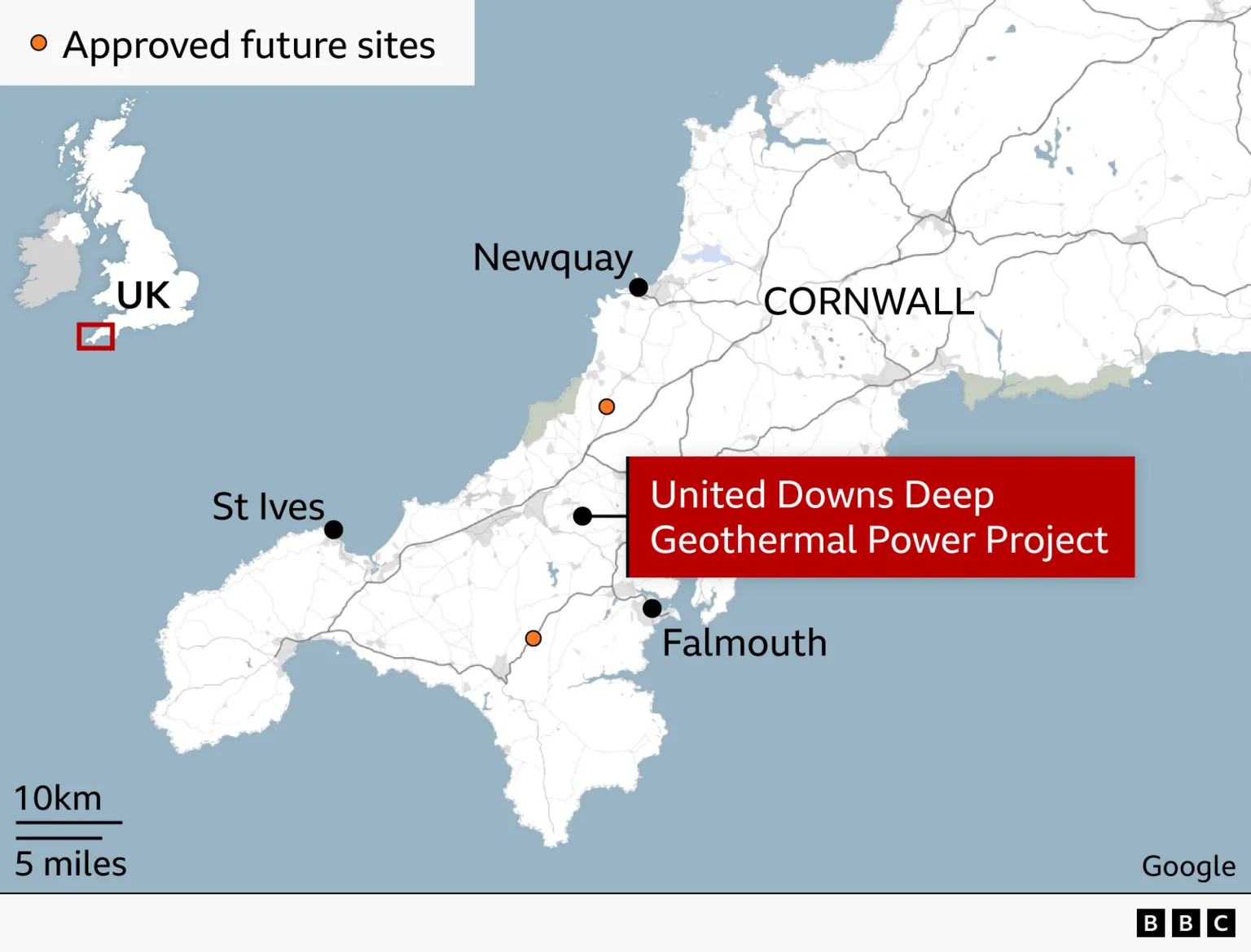
On Thursday morning, the Cornish facility will commence operations after nearly 20 years of development. This project involved Geothermal Engineering Ltd (GEL) drilling the deepest onshore well ever in the UK.
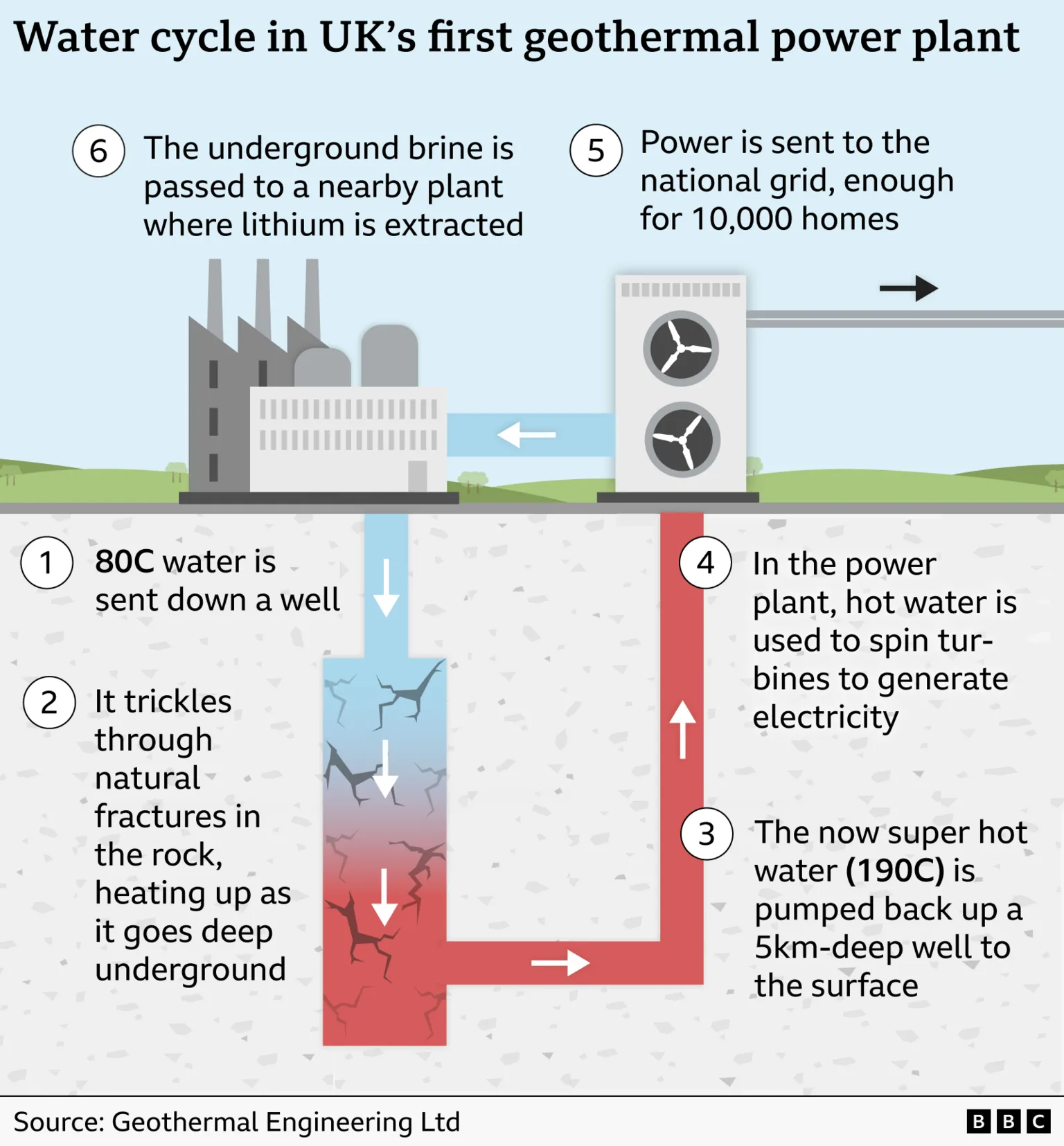
The super-heated water, warmed by subterranean rocks, will drive turbines to produce electricity sufficient for 10,000 homes. Additionally, the plant will provide the UK's inaugural domestic supply of lithium, a critical mineral essential for green technologies.
Geothermal Energy Explained
The British Geological Survey (BGS) described this achievement as a "major step forward" for geothermal energy, though they noted that the high costs associated with drilling may hinder replication of similar projects.
Geothermal energy harnesses the Earth's internal heat by drilling below the surface to access a renewable and continuous energy source for heating and electricity generation.
Temperatures increase with depth; shallow geothermal systems provide sufficient heat for warming homes and businesses, as seen in parts of the UK where ground source heat pumps are used. For example, Southampton supplies heating to hundreds of homes via a local network.
However, this project has drilled to much greater depths—approximately three miles below the surface—where temperatures reach nearly 200°C, sufficient for electricity generation.
"You drill deep boreholes into the ground, and then fractures within the granite rock are used to circulate the water that pick up the heat [that is] used for electricity production,"explained Dr. Monaghan, head of geothermal at the British Geological Survey.
Granite rock is particularly suitable for this technology due to its effectiveness in retaining and conducting Earth's heat.
This marks the first time such deep drilling has been accomplished in the UK, as it is both technically challenging and financially demanding. The project has incurred costs of £50 million to date, financed by private investors and the European Union.
Project Development and Significance
Ryan Law, CEO of GEL, expressed enthusiasm about the milestone, stating,
"[I'm] tremendously excited after 15 years of hard graft, difficulties, we're finally there."
He emphasized geothermal power's importance for the UK, highlighting its price stability compared to gas and its ability to provide continuous, 24/7 electricity, unlike intermittent renewable sources such as wind and solar.
The electricity produced at the United Downs site has been contracted to Octopus Energy, which will distribute it through the national grid to supply up to 10,000 homes.
"This project is a genuine game-changer. For the first time, we're tapping into 'always-on' green power in the UK, providing a steady stream of clean, home-grown energy,"said an Octopus Energy spokesperson.
GEL plans to develop two additional sites into power plants. However, one proposed site has been initially rejected due to environmental concerns, with the company currently appealing the decision.
Funding for the initial site combined private investment with £15 million from the European Development Fund, which the UK accessed while part of the EU.

Geothermal Potential Across the UK
Deep geothermal electricity generation is also technically feasible in Scotland and Northeast England, though no approved plans currently exist for these regions.
"We have a great energy resource, underneath our feet in the UK, but we're not maximising its potential,"said Anne Murrell, head of industry body Geothermal UK.
She noted that while the cost of deep geothermal is comparable to other electricity generation methods, the upfront investment is substantial.
"The challenges we have include investment, and to unlock investment and increase investor confidence, we need a supportive government policy framework - geothermal needs to be recognised by government as a key part of our energy strategy,"she added.
In late 2023, the UK government appointed Lord Whitehead as the country's first geothermal minister, signaling increased interest in the sector.
Prior to the plant's activation, Lord Whitehead described the event as a "groundbreaking moment for UK energy innovation."
Current Geothermal Use and Future Prospects
Most geothermal industry growth currently focuses on expanding shallow geothermal applications due to lower costs. Approximately 30,000 ground source heat pumps are installed in UK homes, supported by government grants to reduce expenses.
Businesses and local authorities have also adopted geothermal technology. For example, Gateshead Council utilizes heat from flooded mines to warm hundreds of homes. It is estimated that a quarter of UK homes are situated above abandoned coal mines, which could be similarly exploited.
In Europe, ambitions are greater; the Netherlands aims to heat a quarter of its homes with geothermal energy by 2050.
The International Energy Agency reports rapid global growth in deep geothermal electricity investment, increasing by 80% annually since 2018, partly driven by rising electricity demands from technology companies.
"Data centres have major power needs, and we all know that this is very challenging for our current and future anticipated grid,"said Ms. Murrell.
"What's happening worldwide is companies like Google, Meta, Microsoft are looking to geothermal to provide the energy for their data centres."
Excess heat generated by data centres can be reinjected underground using similar geothermal systems.
Lithium Extraction and Green Technology
Geothermal electricity projects can also offer additional benefits, such as supplying critical minerals needed for the green transition.
GEL will extract lithium carbonate alongside heat from the underground fluid, marking the UK's first commercial source of this essential mineral used in electric batteries.
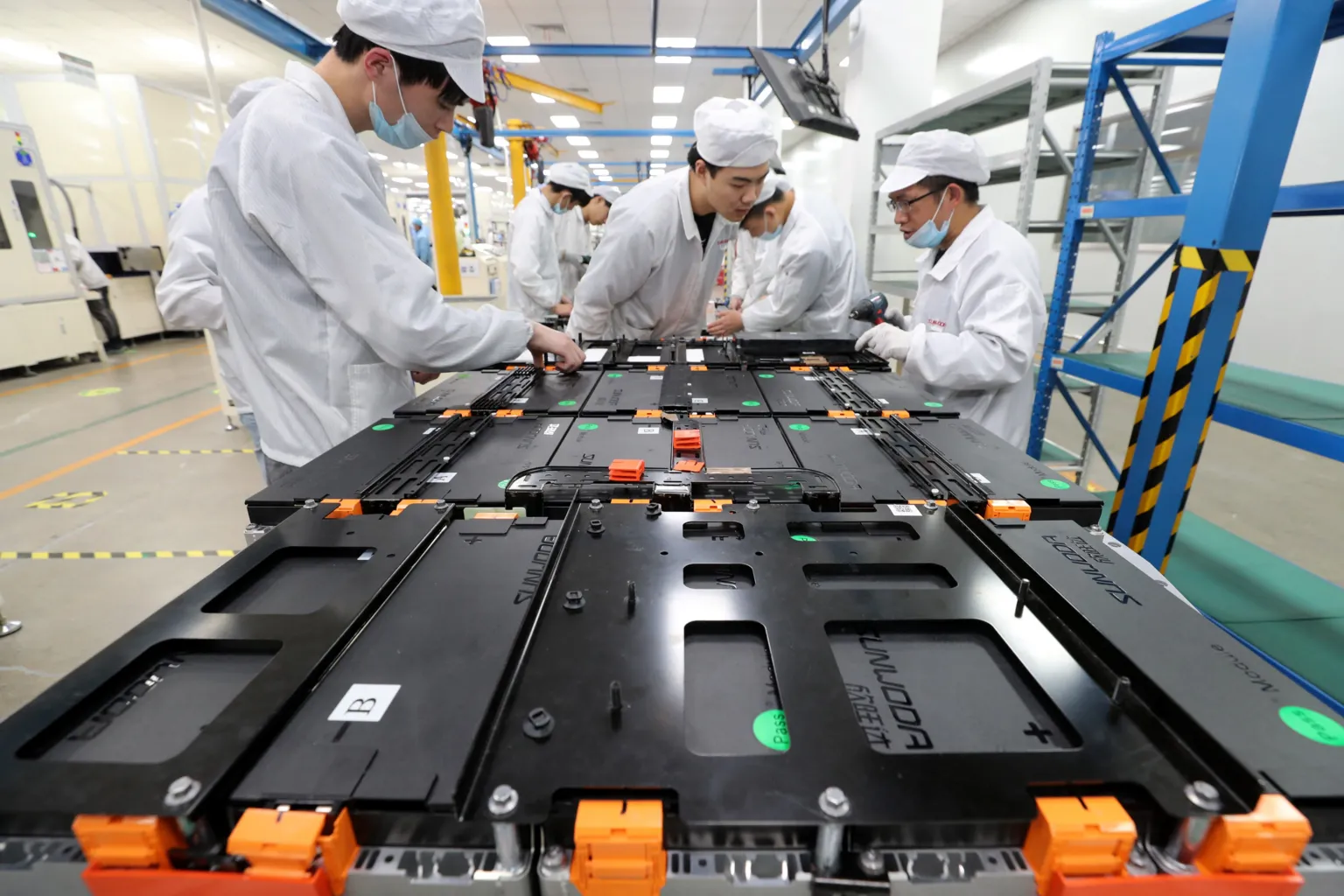
The site is expected to produce 100 tonnes of lithium annually—enough for batteries powering approximately 1,400 electric vehicles. GEL aims to scale production to 18,000 tonnes per year.
With the expansion of green technologies, the UK's lithium demand could increase between 12 and 45 times during the 2020s, according to the British Geological Survey.
The UK government contributed a £1.8 million grant, covering 50% of the initial lithium extraction costs.
Newsletter Invitation
Readers are invited to to the Future Earth newsletter for exclusive insights on climate and environmental news from the BBC's Climate Editor Justin Rowlatt, delivered weekly via email. International readers can for the global edition.



