New AI Agency Established to Harness Technology's Potential
A new artificial intelligence agency has been established in Scotland with the objective of leveraging the capabilities of one of the most discussed technologies in recent years.
The Scottish government anticipates significant growth in the AI sector, projecting it could contribute an additional £23 billion annually to the national economy by 2035.
While ministers have previously engaged with emerging technologies such as blockchain and non-fungible tokens (NFTs), artificial intelligence, supported by over a trillion dollars of investment from major technology companies, presents a distinct opportunity.
This raises questions about how the government envisions AI impacting Scotland's public services and economy in the future, as well as how it plans to address the associated risks and controversies of this rapidly evolving field.
Rapid Developments and Everyday AI Interactions
AI tools have advanced swiftly in recent years. Many individuals interact with AI daily through features such as search engine result summaries, smartphone autocorrect, photo editing software, and voicemail transcription.
Beyond personal use, algorithms influence entertainment choices, travel destinations, and even dating preferences.
Governments are increasingly considering AI as a means to support overstretched public services and budgets by enhancing planning and reducing costs.
AI Scotland: A National Flagship Agency
The Scottish government has launched AI Scotland, a dedicated agency positioned as a "national flagship" to guide strategy and foster the growth of local AI companies.
The agency's five-year strategy highlights the presence of leading AI firms in Scotland and notes that others are relocating to the country.
Wordsmith AI, for example, continues Edinburgh's legacy as a legal industry hub by developing tools for contract drafting and review, achieving a valuation of $100 billion just 18 months after its inception.
Two data companies, CoreWeave and DataVita, are key collaborators in a £2.5 billion AI computing campus in Lanarkshire, part of a "growth zone" that CoreWeave describes as "one of the most advanced AI sites anywhere in the world."
Another firm, AI Pathfinder, supports an industrial park in Irvine, North Ayrshire, which it projects could attract £15 billion in investment.

Leading AI Research in Scotland
Scotland is also home to significant AI research initiatives. The University of Edinburgh hosts ARCHER2, the UK's national supercomputer, and following a brief controversy involving its cancellation and reinstatement by the UK government, it will soon accommodate a £750 million supercomputing centre.
The National Robotarium at Heriot-Watt University is advancing medical and offshore robotics, having incubated 14 companies since its establishment.
Healthcare Innovations Using AI
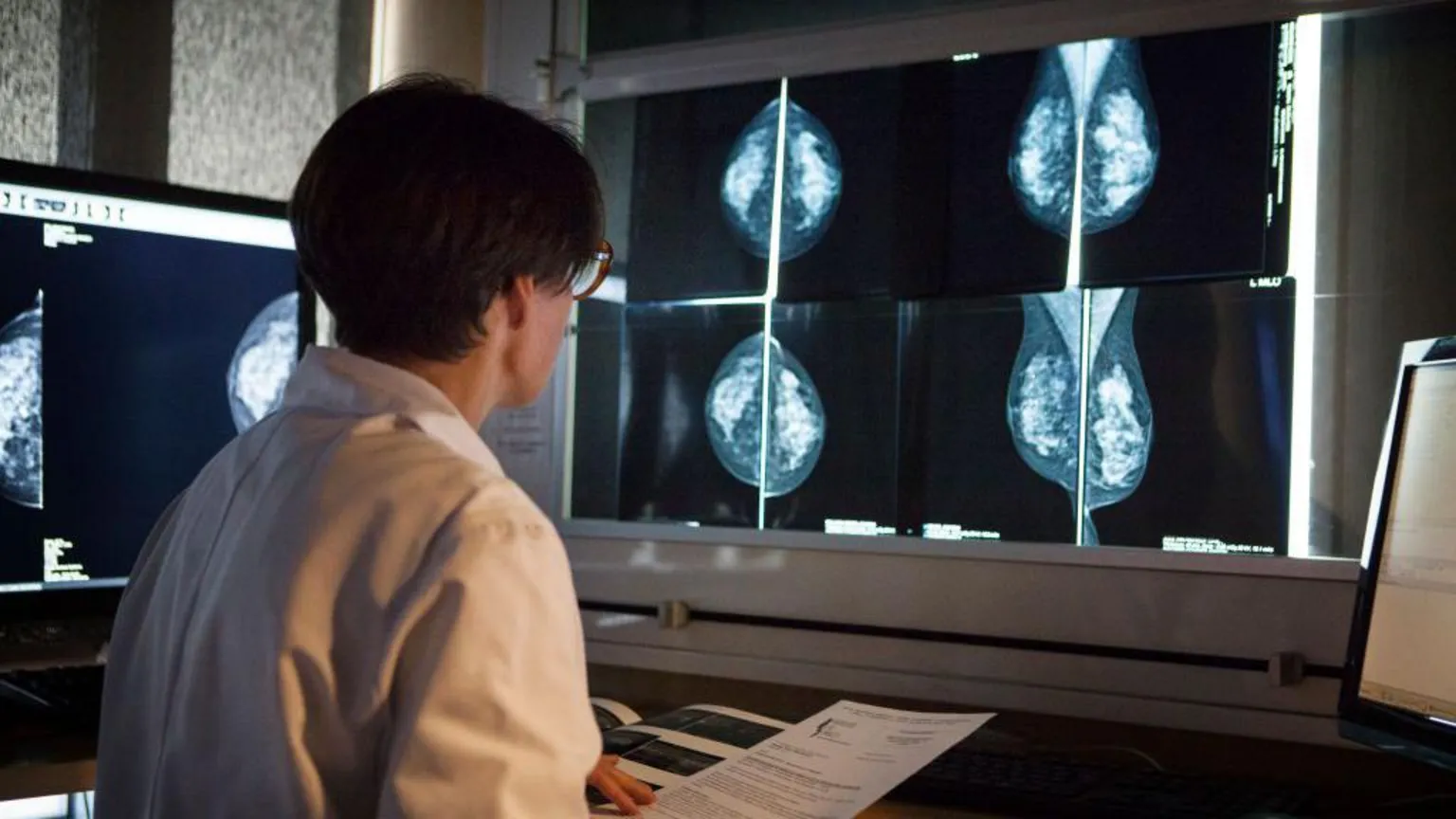
Healthcare represents a prominent area for AI applications in public services. A recent study demonstrated that AI tools could enhance cancer detection rates, accelerate diagnoses, and reduce clinical workloads.
This study, led by the University of Aberdeen and NHS Grampian, focused on breast screening procedures.
In the UK, women aged 50 to 70 are invited for mammograms every three years, with approximately two million tests conducted annually. Each mammogram is reviewed by two radiologists, and patients are recalled for further testing if results are uncertain; however, 20% of cancers are still missed.
Various health studies have utilized AI's image recognition capabilities to assist in scan analysis, quickly identifying subtle areas of concern that may be overlooked.

The study found that replacing the second radiologist with software called Mia improved cancer detection by 10.4%, reduced result waiting times from 14 days to three, and decreased doctors' workload by over 30%.
This approach maintained the safeguard of human radiologist review while maximizing technological benefits.
Another project at the University of Edinburgh is developing an AI tool for opticians to detect early signs of dementia by analyzing retinal photographs.
AI Applications Beyond Healthcare
Various public bodies are exploring AI to enhance administrative efficiency and decision-making.
The Scottish government conducts regular "CivTech" funding rounds for innovative companies, with one round last year specifically targeting AI projects.
Investments included products to assist teachers with administrative duties, an automated drone-based system to monitor puffin populations, and software designed to identify toxins that could cause cancer in firefighters.

Potential and Challenges in AI Development
The AI sector offers substantial growth potential; however, concerns persist.
Ethical issues arise regarding AI model training and usage, exemplified by the controversy over the Grok chatbot, which was used to remove clothing from images of women without consent.
Questions also exist about AI's impact on future employment and creative industries, where significant disruption is anticipated.
The government acknowledges these challenges, emphasizing "responsible" and "ethical" AI use in its strategy document.
"It is already working with unions to make sure jobs are created rather than lost. A Future Jobs Panel is to be set up to assess impact on the workforce and to help with skills planning."
"Its agency is being set up precisely to make sure there are 'guardrails in place to avoid an unethical impact of AI'."
Environmental Considerations
AI data processing demands significant energy and water resources.
Recently, a proposed data centre in Edinburgh was rejected by the city council due to environmental concerns. Subsequently, councillors endorsed a moratorium on similar developments pending government guidance on "green data centres" as part of planning policy.
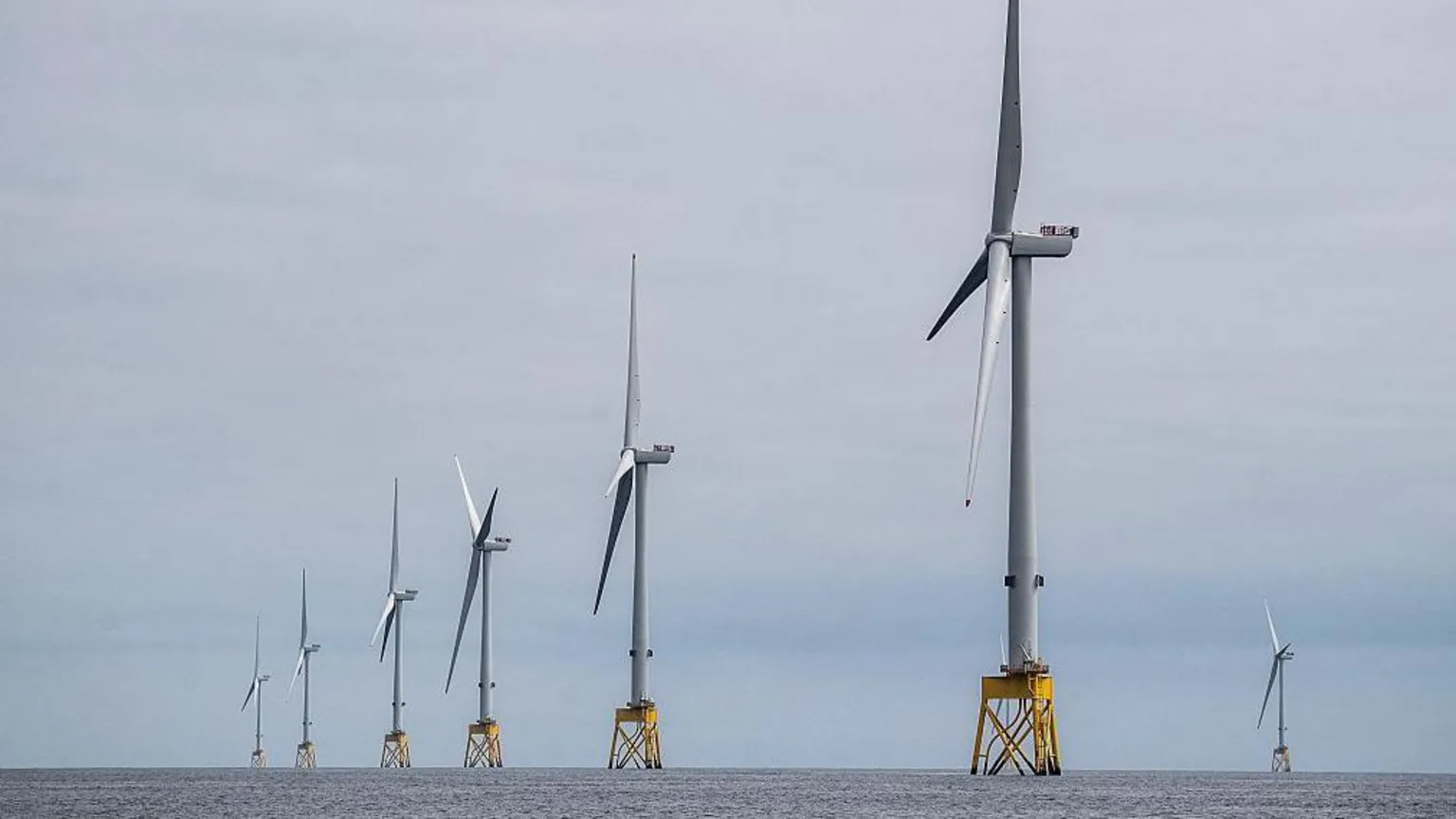
Ministers contend that Scotland is well positioned to address these environmental challenges due to its abundant renewable energy resources.
In 2024 alone, Scotland produced 38.4 terawatt hours of renewable electricity, with an additional 26.4 gigawatts of onshore and offshore wind and solar capacity planned.
One of the world's largest offshore wind farms is currently under construction off Scotland's east coast.
While the national grid infrastructure faces challenges in transmitting electricity from remote generation sites to southern population centers, utilizing this energy for local data centres is a potential solution.
Ministers also propose redistributing heat generated by large processing centres into district heating networks for homes.
Looking Ahead
Some of these ideas remain conceptual, but the government recognizes the rapid pace of AI development and the need to engage proactively.
Deputy First Minister Kate Forbes stated, "AI is happening" and emphasized the choice to "reap benefits or allow it to disrupt our lives."
AI is already influencing the economy and society, and the government aims for Scotland to actively participate and capitalize on its potential rather than passively experience change.