The Decade-Long Journey of Orchid Breeding
Bringing a new orchid variety to market can require a decade of dedicated effort. Despite the lengthy process, the potential rewards are substantial, as the global orchid market is valued at hundreds of millions of dollars. However, competition to develop the next stunning orchid is fierce, making both laboratory research and greenhouse cultivation critical components in the race to create new types.
Genetic Challenges and Innovations
Centuries of human intervention through selective breeding and propagation have resulted in a complex and often problematic genetic background for many commercial orchids. Floricultura, a leading Dutch orchid breeding firm, describes this genetic background as a "disaster," complicating the prediction of traits in new plant breeds.
To address this, Floricultura and its competitors have developed genetic markers associated with specific traits such as colour, shape, disease resistance, and flowering longevity. These markers enable breeders to accelerate selective breeding by screening young plants early in their development and discarding those that do not meet desired criteria.
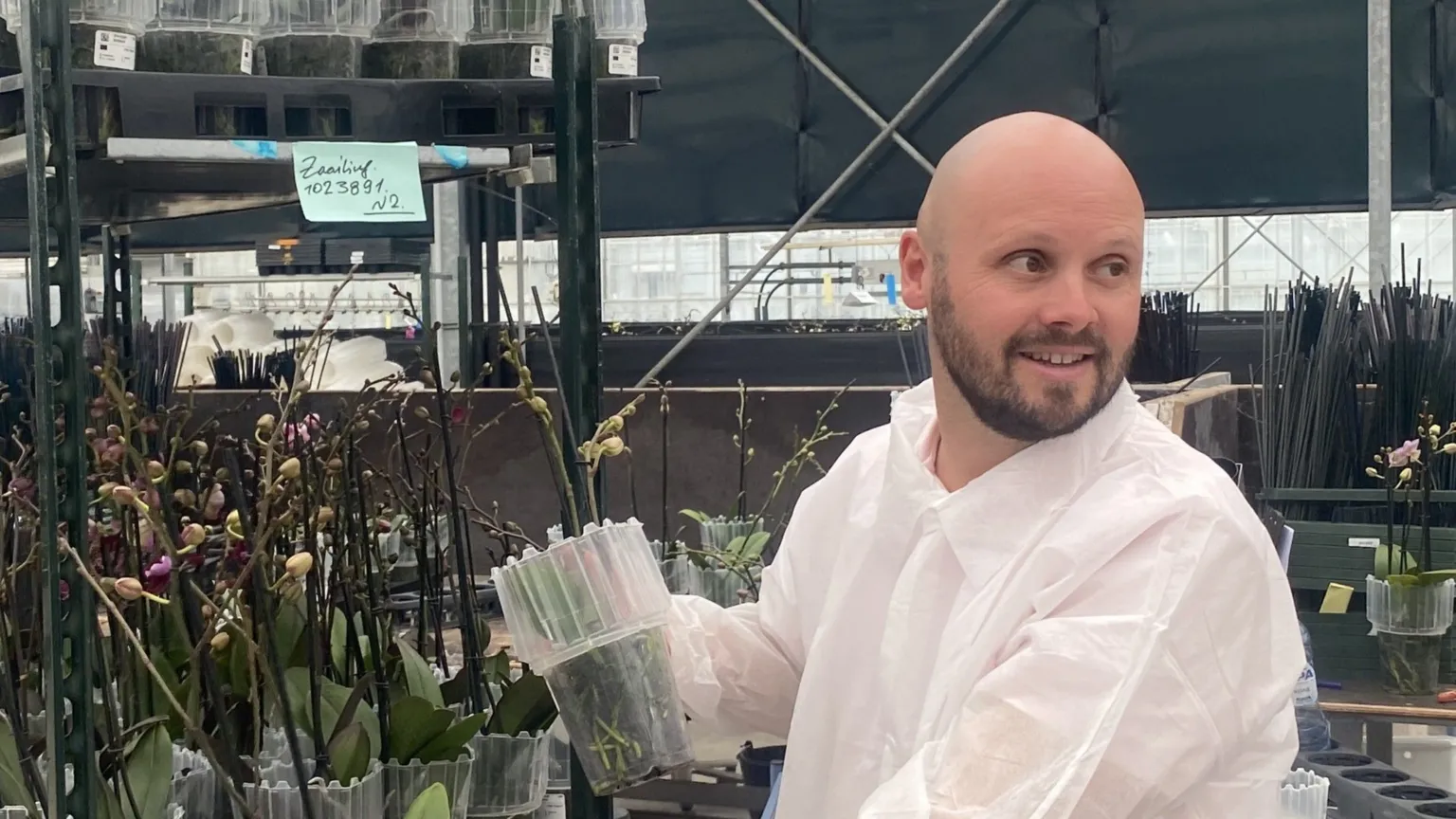
"If a few thousand cross breeds [come] from the lab, we can screen them based on the marker and just select the ones that have the marker that you search for," says Wart van Zonneveld, Floricultura's research and development manager.
"It's an indication of a certain trait that you want or you do not want, depending on what's easier to find."
Proprietary Techniques and Research
The so-called "novel breeding techniques" remain closely guarded secrets. Each company develops its own unique genetic markers and processes, which are vital for creating exclusive orchid varieties.
"We keep it to ourselves because it's lots of investment," van Zonneveld explains.
Paul Arens, an ornamental plant breeding researcher at the Netherlands' Wageningen University, emphasizes that despite technological advances, the foundation of breeding remains traditional.
"It's still breeding, you have to make a cross, and we cannot just pick out a piece of DNA and put it back that easily," Arens says.
"The foundation is still what we are doing for 100 years already. You take two plants, you look at their characteristics, and you make a cross. But [the breeders] have white lab coats, [and] they're doing all kinds of research with markers, with genomics, on plant health."
Protecting Intellectual Property
Genetics also play a crucial role in protecting intellectual property rights for new orchid varieties. In Europe, breeders' rights apply, while in the United States, patents are used.
"If a company makes a new orchid, then [it] would like the sole right to commercialize this orchid," Arens says.
"Otherwise, somebody else can just buy it in the shop, multiply it and sell it himself.
"But the breeders' rights researcher has to make sure that a new variety is distinct from anything that's already in the market... it has to be distinct, it has to be stable, and it has to be uniform."
While breeders' rights and patents are granted based on physical descriptions rather than DNA analysis, DNA testing is essential in comparing new plants with existing varieties to determine eligibility for protection.
"It's just like what we do in forensic science. You run markers that are at different positions in the DNA and that gives you a pattern and then you have a chance to match it or not," Arens explains.
Floricultura’s Role in the Orchid Market
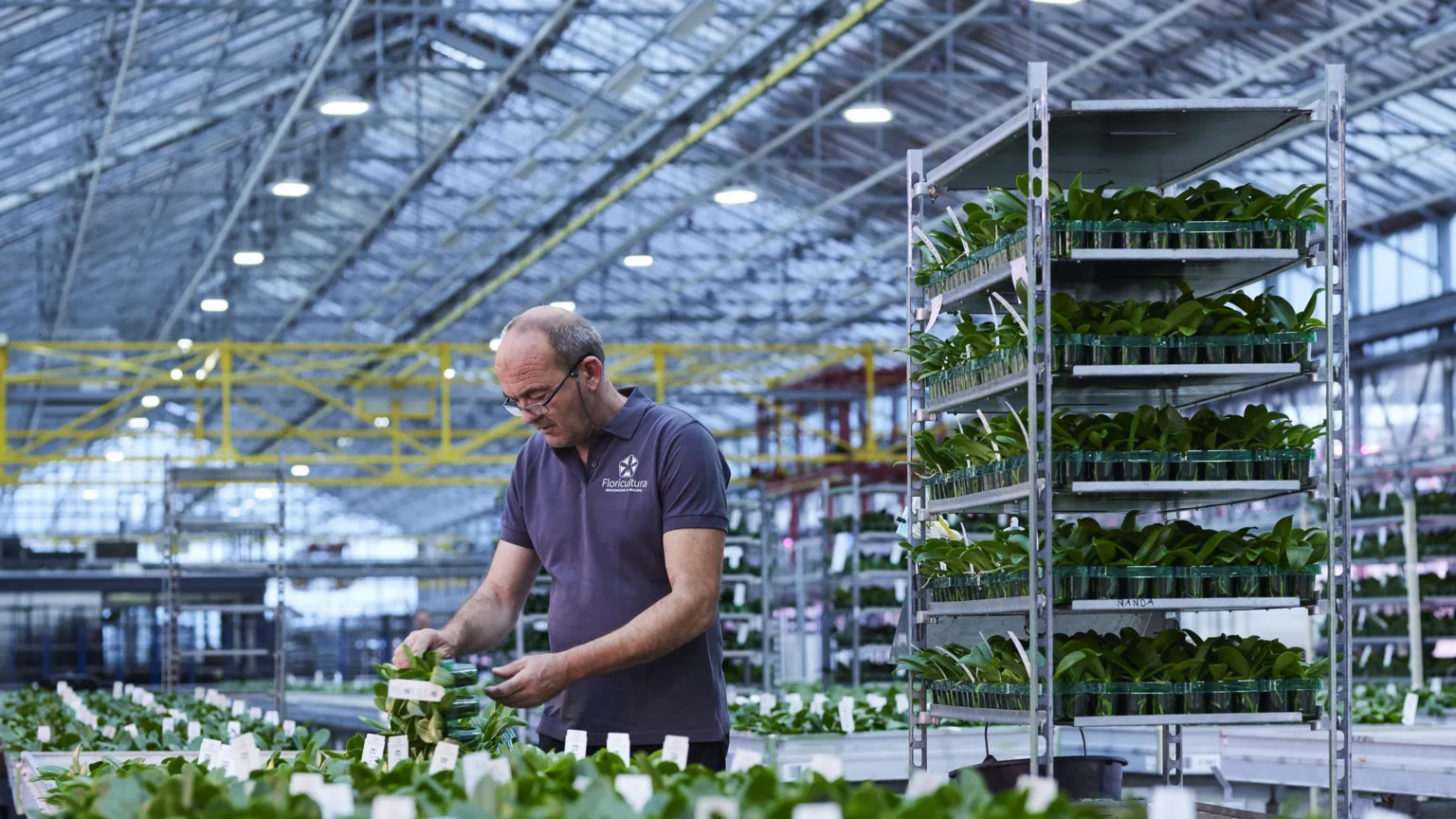
Floricultura does not sell orchids directly to the public or garden centres. Instead, their business focuses on producing and developing new varieties, which they then sell to cultivators who grow the plants on a large scale.
The company currently offers more than 180 varieties in its catalogue, with several hundred more in development to meet the continuous demand for novelty and innovation.
"You can't stop, because it takes so long to develop new varieties," says Stefan Kuiper, Floricultura's breeding manager.
"You have to go on, [or] you will be behind the rest."
Growth and Selection Process
After genetic screening and initial selection, the first generation of new varieties—siblings from parent orchids—requires approximately three years to grow, initially under laboratory conditions and subsequently in greenhouses. However, the development process extends beyond this period.

Breeding, says Paul Arens of Wageningen University & Research, "is the art of throwing away", meaning discarding plants that do not meet breeding goals, while also multiplying those that do.
The next generation of plants will not be siblings but exact clones of the selected survivors.
"In the beginning, everybody had the seedlings, so the crossing and then the seed pods give plants, but we at Floricultura introduced meristems," Stefan Kuiper explains.
Meristems are cells that enable continuous plant growth throughout life and are utilized to clone the surviving plants.
Kuiper refrains from disclosing further details about the cloning technique, citing trade secrets similar to those surrounding genetic research.
The cloned seedlings undergo cultivation and growth over several years before reaching another selection stage.
Resource-Intensive Cultivation and Sustainability Efforts
Orchid cultivation demands significant resources, including consistent heat, light, water, and nutrients over extended periods. While genetics and technology can accelerate some aspects, the plants must still be allowed to grow fully to confirm traits such as flower shape, size, colour, stem count, and disease resistance before further selection.
Young plants are transported by airfreight to India and by lorry to Poland for evaluation before returning to Floricultura’s facility in Heemskerk, North Holland. The site encompasses more than seven hectares of greenhouse space dedicated to development and production.
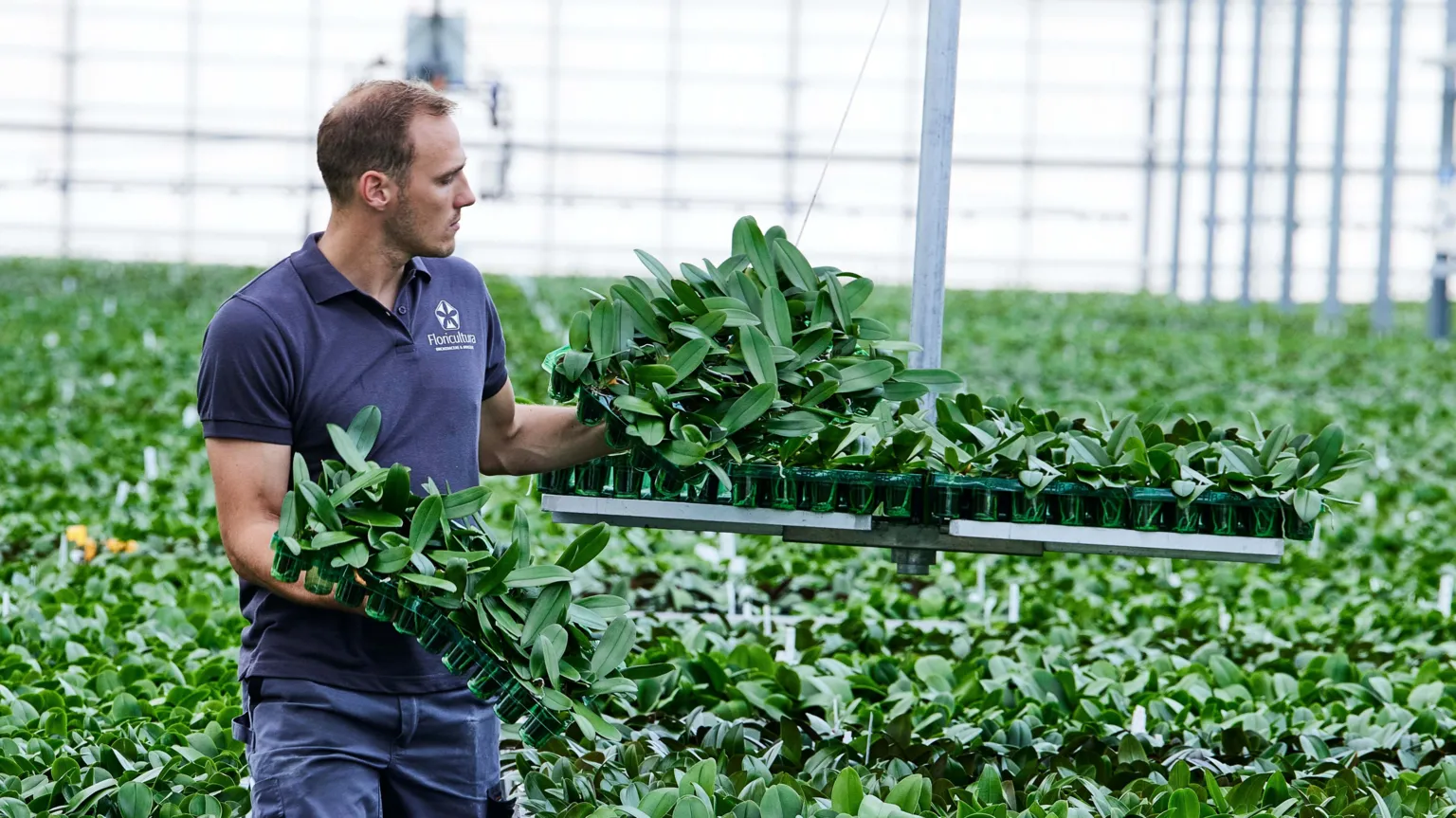
Floricultura harvests rainwater from greenhouse roofs and, in response to changing weather patterns, has begun recycling this water along with its nutrients for secondary use.
Wart van Zonneveld highlighted the company’s geothermal well, which pumps water from 3 kilometers below the surface at 102°C. This energy source is so abundant that Floricultura is exploring sharing it with the local council for district heating projects.
Automation extends beyond monitoring; trays of plants move on rollers within the vast greenhouses, sequentially advancing through cultivation stages.
The Human Element in Breeding
Despite technological advances in developing new varieties, cloning, and assessment, the final decision on which varieties enter Floricultura’s catalogue after nine years of work remains a human judgment.
A plant may meet all genetic criteria and exhibit desired traits, but it must also be aesthetically appealing to succeed commercially—a decision made by breeders like Stefan Kuiper and his colleagues.
"Breeding is a little bit [like] gambling", Kuiper says, emphasizing that the human element remains integral to the process.