Concerns Rise Over Smart Glasses Privacy
Issues surrounding the emerging wave of "smart glasses" are increasingly coming to light. Despite these concerns, several leading technology companies are preparing to sell millions of these devices in the near future.
Women have reported being approached by men wearing Meta's Ray-Ban smart glasses—devices equipped with AI capabilities—while at the beach, in shops, or simply standing outside. These men often record the women's reactions to casual questions or pick-up lines without their knowledge or consent.
The women typically only become aware of these recordings after they gain popularity and sometimes attract abuse online. Legal options are limited, as public photography is generally permitted. One woman told the BBC that when she requested the removal of a secretly recorded video, she was informed that removal was "a paid service."
Meta Dominates the Smart Glasses Market
Meta's smart glasses currently dominate the market, accounting for an estimated 80% of AI or smart glasses sales. The company was the first major tech player to release such a product in recent years.
Produced in partnership with EssilorLuxottica, these glasses maintain the classic Ray-Ban aesthetic. They incorporate a nearly invisible camera within the frames, small speakers embedded in the arms, and lenses capable of displaying information to the wearer. Users can start recording video or capture photos with a simple touch on the frames.
The camera's discreet design can lead even wearers to be unaware of when and what they are recording, as well as the destinations of those recordings.
Privacy Issues and Legal Actions
Reports emerged from Kenya where workers assigned to review videos captured by Meta's glasses for AI training purposes encountered graphic content, including sexual acts and bathroom usage. Subsequently, two lawsuits were filed by glasses owners. One lawsuit claimed that individuals were unaware such videos had been recorded, while the other alleged that videos were shared by Meta for review without users' knowledge.
Meta has stated that users are informed about the possibility of human review under certain circumstances through its terms of service.
Despite these issues, sales continue to increase. Meta reports that over seven million pairs have been sold to date.
"They're some of the fastest-growing consumer electronics in history," Mark Zuckerberg, Meta's chief executive, stated earlier this year.
Tracy Clayton, a Meta spokesperson, emphasized responsible use of technology.
"We have teams dedicated to limiting and combating misuse, but as with any technology, the onus is ultimately on individual people to not actively exploit it."
Other Tech Giants Enter the Market
Other major technology companies are preparing to enter what could become a significant new product category for the industry.
Apple is reportedly developing its own smart glasses, potentially launching them next year. Snap plans to release an updated version of its smart glasses, called Specs, within the current year.
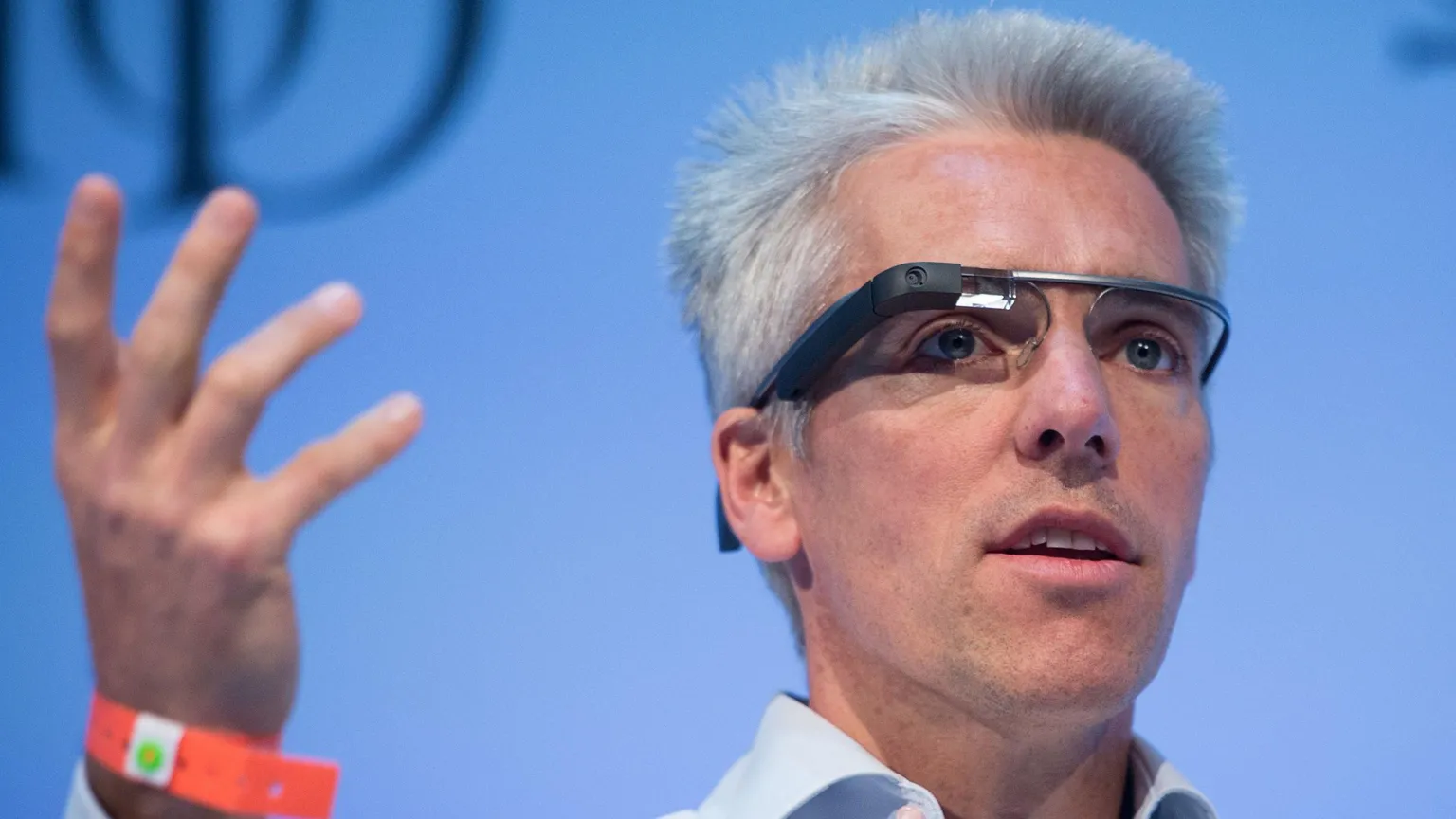
Google is also set to re-enter the smart glasses market, more than a decade after its initial Google Glass product was withdrawn from the public due to privacy concerns and high costs.
All these devices are expected to combine artificial intelligence (AI) and augmented reality (AR) technologies, similar to Meta's glasses, which typically require integrated cameras.
Practical Uses and User Experiences
While privacy concerns are significant, smart glasses also offer practical benefits. Mark Smith, a partner at the advisory firm ISG and a tech-savvy early adopter, wears his Meta Ray-Bans daily.


"I've used them around the world, in all kinds of places. The basic features are great," Smith said.
Smith appreciates the glasses not for groundbreaking technological advances but for convenience. He uses them while washing dishes to listen to music or podcasts without blocking ambient sounds, finds taking phone calls easy, and enjoys capturing photos or videos quickly while traveling without needing to access his phone.
However, Smith acknowledges some privacy concerns.
"The small light that turns on when the glasses are recording appears dim in daylight and often goes unnoticed," he said. "Most people seem to have no idea I'm wearing anything other than normal eyeglasses."
Market Growth and Regulatory Challenges
If AI or smart glasses from multiple companies achieve sales comparable to Meta's, researchers predict that as many as 100 million units could be sold in the coming years.
This growth raises challenges for enforcing norms and laws that typically prohibit recording in sensitive locations such as courthouses, museums, movie theaters, hospitals, and bathrooms, as millions of eyeglasses would effectively function as cameras.
David Kessler, an attorney leading the US privacy practice at Norton Rose Fulbright, noted that many corporate clients are already addressing these issues.
"There are some pretty dark places we could go here," Kessler said. "I'm not anti-technology in any sense, but as a societal matter...will I need to think [of being recorded] anytime I go out in public?"
Facial Recognition and Privacy Implications
Meta reportedly plans to integrate facial recognition technology into an updated version of its glasses. This would enable wearers not only to record individuals surreptitiously but also to identify them rapidly.
Meta markets its glasses with the tagline: "Designed for privacy, controlled by you." The company advises users not to record individuals who express a desire not to be recorded and to turn off the glasses entirely in sensitive environments.
However, these recommendations are frequently disregarded.
Social Reactions and Misuse
An increasingly common use of the glasses involves recording pranks on unsuspecting individuals. Wearers, often young men, have been documented obtaining signatures on fake petitions, convincing retail workers to smell unpleasantly scented candles, and stealing food at drive-thrus while recording their escape.
People often react negatively upon realizing someone is wearing smart glasses.
Online influencer Aniessa Navarro recounted feeling ill when she discovered during a personal waxing session that her technician was wearing Meta's glasses. The technician claimed they were neither charged nor recording and that prescription lenses required their use.
Andrew Bosworth, Meta's chief technology officer, addressed the stigma surrounding daily use of smart glasses on Instagram recently.
He responded by saying that the sheer number of Meta Ray-Bans sold "suggest that these are widely accepted."
David Harris, a former Meta AI researcher now teaching at UC Berkeley and advising on AI policy in the US and EU, anticipates that this generation of AI smart glasses will encounter similar challenges that led to the failure of Google Glass over a decade ago.
"Technology like this is fundamentally an invasion of privacy and it's really going to face more and more backlash," he said.
Signs of Backlash
Evidence of growing resistance is emerging. In December, a man posted a video complaining that a woman he had been recording on the New York City Subway damaged his Meta glasses. Contrary to his expectations, the internet community praised the woman as a hero.