Transforming Food Waste into Cheese-like Products
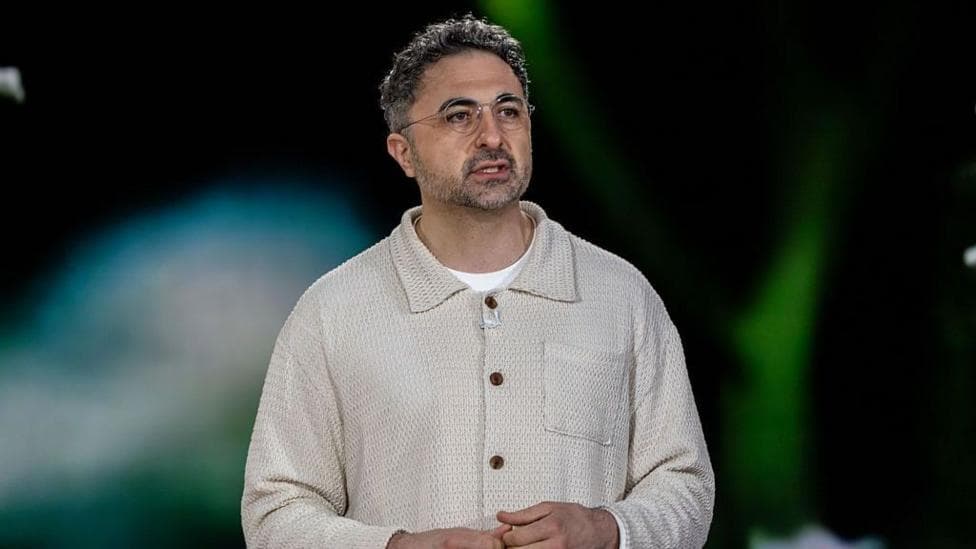
Vayu Hill-Maini's laboratory at Stanford University in California has developed a novel cheese alternative that tastes like traditional cheese but is produced from food waste.
The bioengineer leads experiments involving fungal fermentation to create this product.
"One of the most amazing things that we found recently is that we could take waste and add a few other ingredients in a fungal fermentation and create this delicious cheese that is like a Pecorino or Parmigiano," he says.
Fermentation is a biological process where organisms convert carbohydrates such as starch or sugar into substances like alcohol, typically without oxygen.
Common examples include baking and brewing, where yeast converts sugar into ethanol and carbon dioxide.
However, fermentation is not limited to substrates like wheat flour or barley; a wide variety of materials can serve as fermentation substrates.
Modern biotechnology companies are leveraging food industry by-products, often discarded or undervalued, and applying fermentation to transform them into valuable products.
Utilizing By-products Through Fermentation
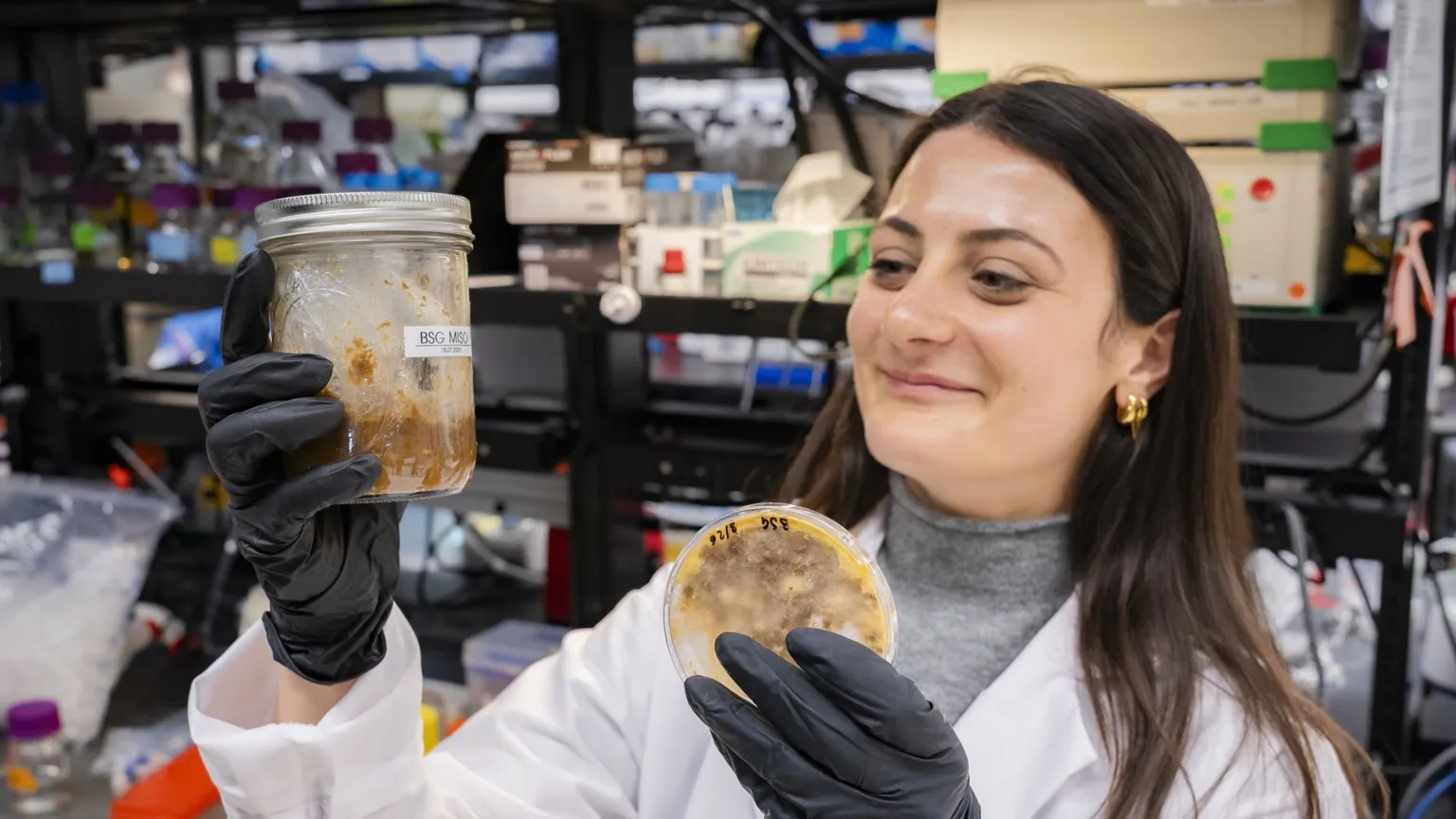
UK-based Fermtech is one such company that converts cocoa shells, usually discarded, into a cocoa powder alternative through fermentation.
"If you were to sniff a bag of cocoa shells, you would be really struck by the intense chocolatey nature of it," says Andy Clayton, Fermtech's CEO.
He adds, "It's a shame that by-products of the food industry are composted or burnt, rather than using microorganisms to break down the hard bits of the plant and make it bioavailable for humans, while retaining the flavours."
Expanding the range of substrates used in fermentation can reduce costs, benefit the environment, and enhance flavor profiles.
"We're kind of like flavour miners," Clayton remarks.
Maximizing Use of Pea Components
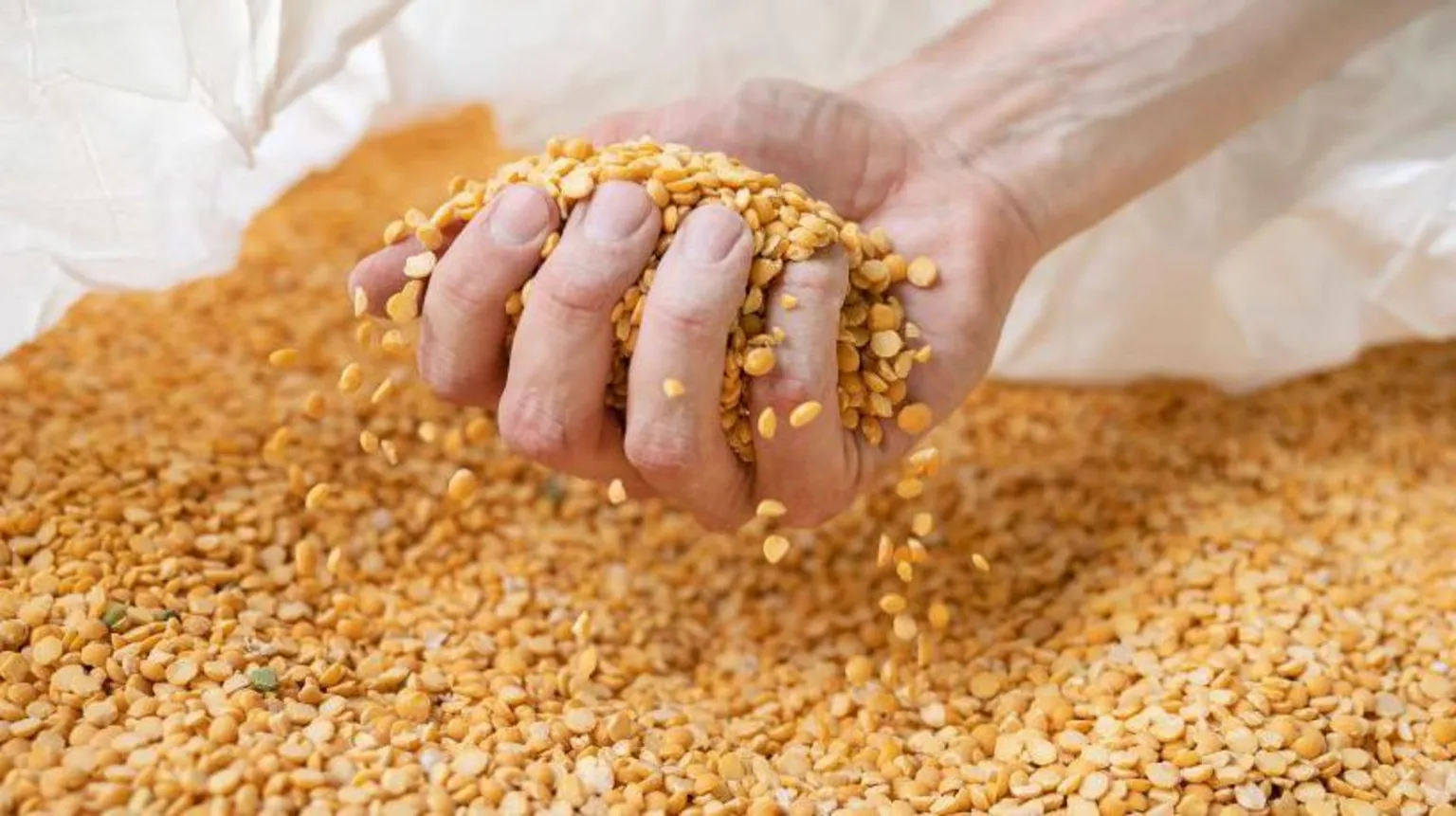
Peas contain approximately 25% protein, which has become a popular plant-based protein source.
The remaining 75% of the pea, including starch and fiber, presents an opportunity for fermentation.
"That makes a perfect substrate for fermentation," says Bosco Emparanza, CEO of Spain's MOA Foodtech.
MOA Foodtech collects environmental data and substrate availability, sequencing genomes of microorganisms suitable for food applications.
Using this data, their AI platform predicts optimal substrate and microorganism combinations to maximize yields.
"When we started the company, we were able to develop one bioprocess in two weeks," Emparanza explains. "Nowadays, the platform can develop 300 bioprocesses per hour."
With this technology, MOA Foodtech identified microorganisms that efficiently utilize leftover starch and fiber from pea protein production.
These by-products are typically sold cheaply for animal feed or discarded, but MOA Foodtech aims to reintegrate them into the human food supply.

Accelerating Fermentation for Pet Food
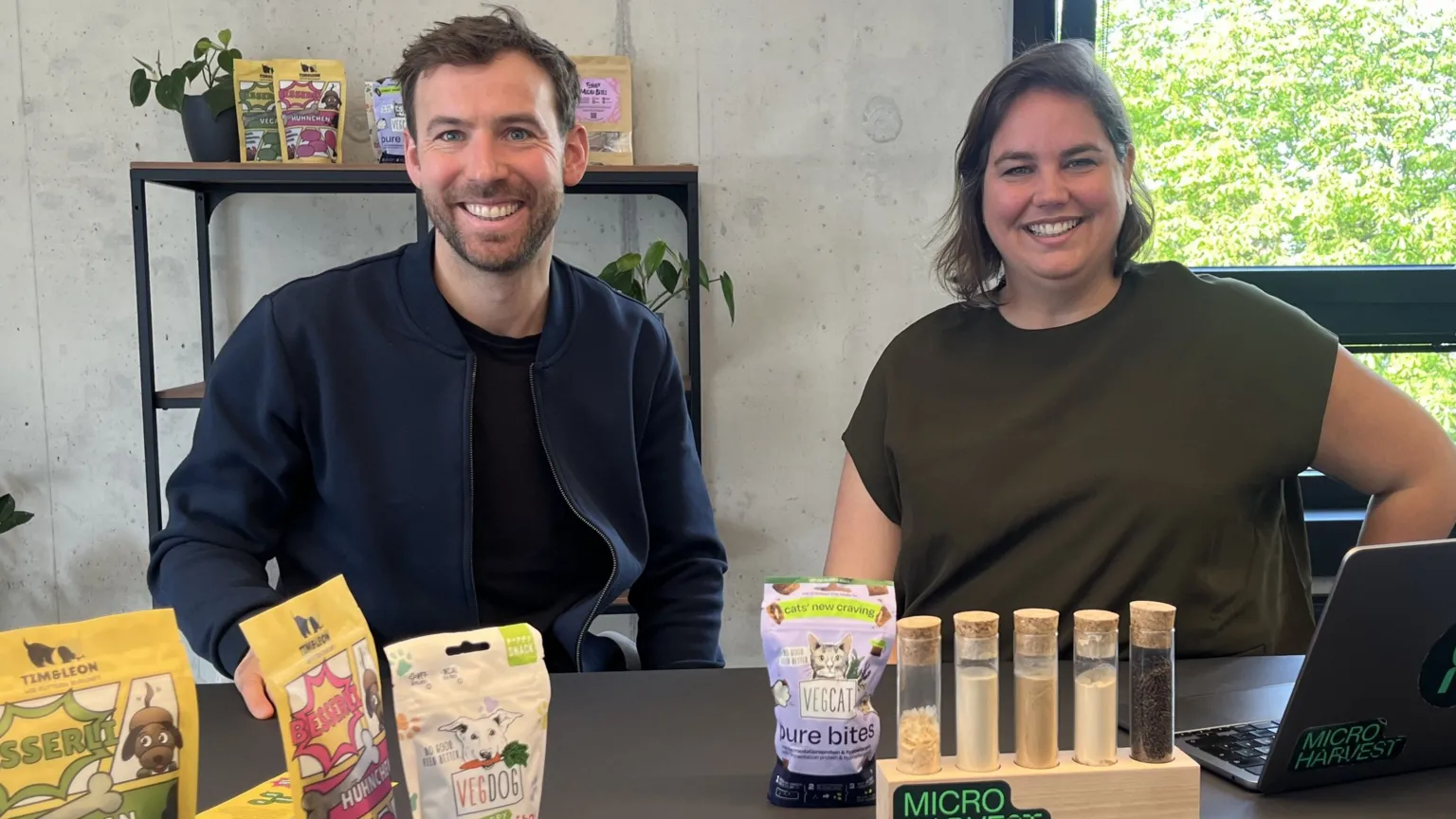
Germany's MicroHarvest has developed a proprietary process to accelerate fermentation.
The company uses sugar industry by-products such as molasses, which are not commonly consumed in Germany.
Instead of these by-products being given to farmers for cattle feed, MicroHarvest collaborates with sugar producers and pet food manufacturers to convert these streams into high-quality pet food.
Katelijne Bekers, CEO and co-founder of MicroHarvest, describes their cat snack Vegcat as having an umami flavor without the bitterness often found in plant-based proteins.
Innovations in Asia: Mottainai Food Tech
Singapore-based Mottainai Food Tech focuses on utilizing unconventional and underappreciated ingredients that are nutritious and widely available across Asia.
The company’s name is inspired by the Japanese term "mottainai," which expresses regret over waste, akin to the phrase "waste not, want not."
Mottainai has developed a meat substitute called Jiro Meat, made from okara, the soy pulp typically discarded after tofu and soymilk production.
They have also initiated a plant-based tuna project.
The company experiments with various microorganisms to reduce undesirable flavors and enhance desirable ones such as umami and sweetness.
Singapore provides a supportive environment for such food innovation.
"In five years' time, we hope to be able to have a wide range of ingredients" based on the company's fermentation platform, says Daryl Pek, co-founder of Mottainai Food Tech.
Precision Fermentation at Stanford
Back at Stanford, Hill-Maini's lab is advancing precision fermentation, which involves genetically engineering microorganisms like molds to produce specific materials during fermentation.
This approach allows precise control over food aesthetics, aroma, flavor, and digestibility.
For example, some waste products are rich in cellulose, which humans cannot digest, but fungi can break down cellulose and convert it into protein.
"They become kind of a bioconversion machine where they can remove some of those complicated molecules that the human gut cannot digest and convert them into more digestible substances," Hill-Maini explains.
Hill-Maini hopes their work will inspire others to reconsider food waste, emphasizing the importance of moving beyond laboratory research.
The lab includes a chef in residence and an R&D culinary innovation kitchen to ensure their food experiments appeal to consumers.
Regarding the Pecorino-like cheese, the lab used a Neurospora mold but has not disclosed the specific waste substrate used, keeping it confidential until publication.
"You can grate it, it's salty, it has a nice texture, it can be added to pasta. And it's just really cool to see… the fermentation can help it become delicious," Hill-Maini says enthusiastically.