Introduction of New Funeral Methods in England and Wales
Human composting and water cremation are being considered for introduction in England and Wales, according to a recent report by the Law Commission.
Currently, burial, cremation, and burial at sea are the only funeral methods formally recognized by law in these two nations.
Water cremation, also known as alkaline hydrolysis, was introduced in Scotland in March, marking it as the first UK nation to adopt this method as an alternative to traditional cremation and burial.
The Law Commission has recommended that the UK and Welsh governments should have the authority to approve and regulate emerging funeral and burial methods through secondary legislation.
Details of Water Cremation and Human Composting
Water cremation involves wrapping the deceased in a silk or woollen shroud or other biodegradable material, then placing the body in a chamber containing hot water and chemicals to accelerate decomposition.
Following the process, the remains can be returned to the next of kin, similar to ashes after cremation.
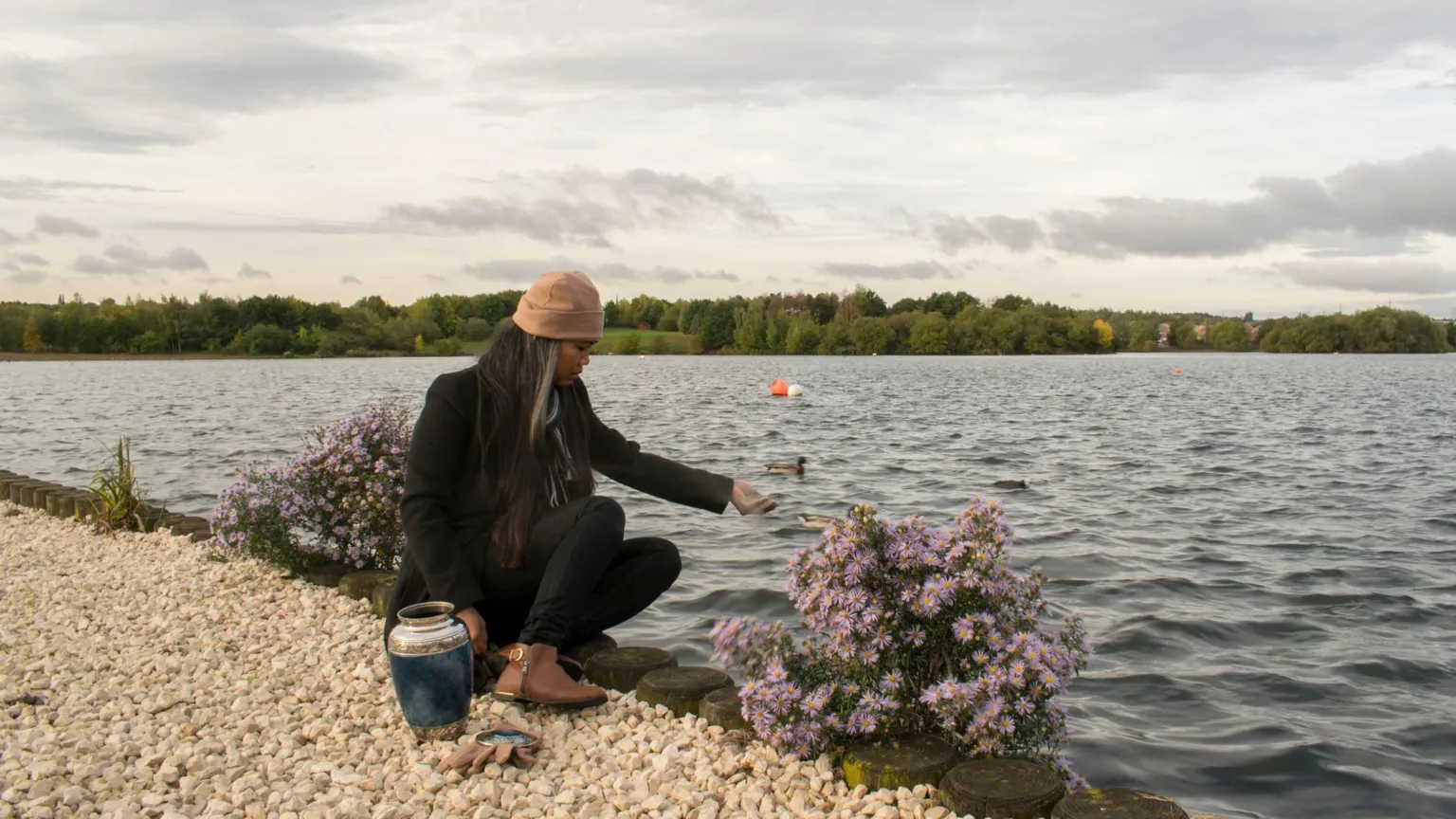
Human composting, also referred to as terramation, entails placing the deceased in a specially designed container filled with wood chips, straw, and other organic materials. Over several weeks, the body decomposes into soil.
Kristoffer Hughes recently returned from the United States, where terramation is legal in several states. He believes this practice offers a "deeply ecological and spiritually meaningful" alternative to cremation or burial.
Hughes, a broadcaster, author, and leader of the Anglesey Druid Order, has three decades of experience working for coroners across the UK and internationally as a specialized mortuary technician.
He visited Return Home, located south of Seattle in Washington state, which is the world's first large-scale human composting facility. His visit was part of an S4C documentary series titled Marw gyda Kris (Dying with Kris), where he studied the composting process in detail with the aim of establishing a similar facility in Wales.

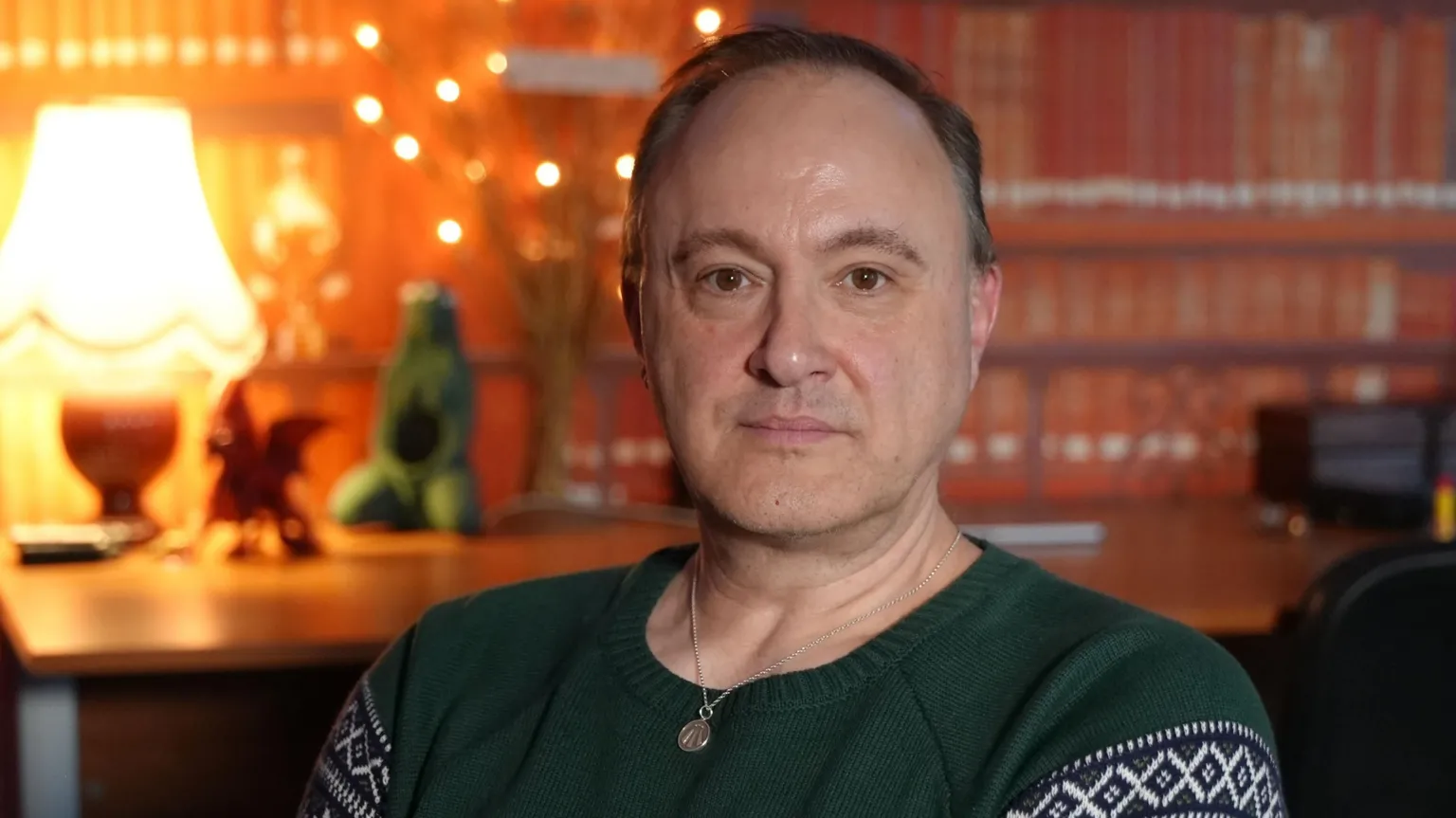
"Cremation produces significant carbon emissions and traditional burial takes up land and resources," said Hughes.
"Human composting gives us another option - one that's deeply ecological and spiritually meaningful.
"At the end of the process, you become soil that can grow forests, feed gardens, and nurture new life. It's the most beautiful continuation I can imagine."
Legal Framework and Government Recommendations
The Law Commission's report emphasizes the need for a clear legal framework to accommodate new methods of handling deceased bodies. However, it states that decisions regarding which methods to adopt should be made by governments.
The report suggests that the UK and Welsh governments should be empowered to respond to new funeral methods as they emerge without the necessity of passing primary legislation for each new method.
Ministers are advised to consider environmental protection, public health, public safety, and the dignified treatment of human remains when evaluating new methods.
The report also assures that none of the recommendations would compel anyone to use a particular method, thereby safeguarding individuals' religious and cultural practices.
Furthermore, it stresses the importance of an effective oversight system to ensure compliance with regulations, including the inspection of facilities.
Commissioner for Public Law Professor Alison Young said: "Everyone deserves the right to have their wishes respected after death, and those who love them deserve confidence that the law will protect that.
"Our recommendations create a clear, future-proof legal framework that gives government the tools to approve new options safely, with proper oversight and without affecting existing choices."
Addressing Burial Space Shortages and Modernising Laws
Earlier in the year, the commission proposed recommendations aimed at tackling burial space shortages while ensuring strong safeguards for grieving families.
These recommendations included modernizing laws that have remained largely unchanged for over 170 years, allowing graves older than a century to be reused in cemeteries across England and Wales. The report specified that war graves should remain protected.
Industry and Government Responses
The National Society of Allied and Independent Funeral Directors (SAIF) welcomed the latest report, noting a "significant cultural shift" with more families seeking "meaningful, dignified farewells that align with their personal values – particularly around environmental sustainability."
SAIF's chief executive, Terry Tennens, stated:
"Whether it is alkaline hydrolysis or human composting, people deserve to have these options available to them.
"By establishing a common-sense path towards regulation, this report has given funeral profession innovators the commercial confidence they need to start planning investments in the future of the sector.
"It also means that families who choose a new funerary method will be able to do so safely in the knowledge that it meets a regulatory standard."
A Ministry of Justice spokesperson commented: "The government will carefully consider the Law Commission's recommendations, before responding in due course."