

Introduction
Researchers are actively developing new drought-resistant hop varieties to preserve the distinctive character of Czech pilsner amid rising temperatures and droughts.
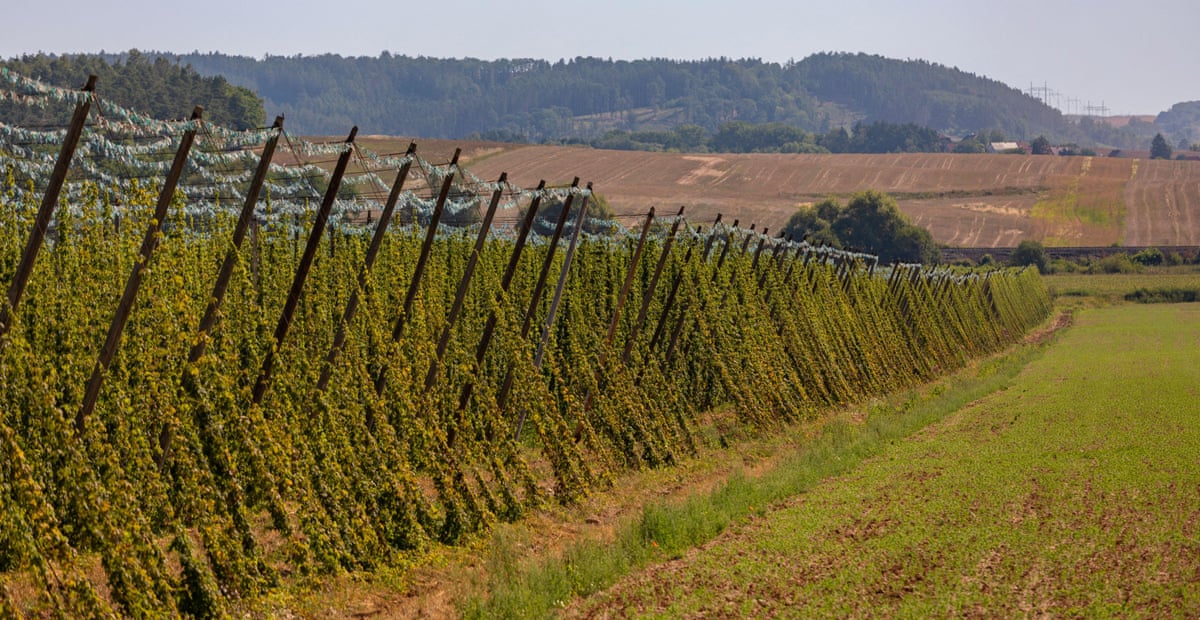
Czechia, known for having the highest beer consumption per capita globally, has recently faced challenges due to droughts and heatwaves. These climatic changes have complicated the cultivation of Saaz hops, a crucial ingredient in the nation’s renowned beer.
Breeding Climate-Resilient Hops
At the Hop Research Institute, scientists are pioneering the creation of climate-resilient hop varieties that show promise in adapting to Czechia’s increasing heat and the country’s adherence to traditional brewing methods.
“I see a very bright future for Czech hops,” said Dr Vladimir Nesvadba, the institute’s top breeder. “We have bred new drought-resistant varieties – Saaz Shine, Saaz Comfort, and others – that are performing well on hop farms and in Czech breweries.”
Global Importance of Saaz Hops
Saaz hops enjoy a reputation that extends far beyond Czechia, with approximately 80% of the country’s Saaz production exported to breweries worldwide. For example, BarrieHaus Beer Co in Tampa, Florida, imports Saaz hops for its Czech-style pilsner, “Bublina,” which won the 2024 World Beer Cup. Jim Barrie, the brewmaster, notes that Saaz “has a character that’s difficult to truly replicate.”
Impact of Climate Change on Saaz Hops
Recent years have seen rising summer temperatures and reduced rainfall in Czechia, adversely affecting the Saaz variety. These conditions limit water availability for the plants and hinder their ability to cool during hot summers. Dr Pavel Donner of the Hop Research Institute explains,
“Czech cultivars, Czech genetic resources, are not habituated to live in such high temperatures.”
Only about 25% of Czech hop farms have irrigation systems, leaving them vulnerable to inconsistent rainfall. The combination of heat and water scarcity results in fewer hop cones and reduced alpha acid content, a compound responsible for bitterness in hops. Lower alpha acid levels require brewers to use more hops to maintain bitterness, potentially altering the beer’s flavor profile. This variability poses challenges for brewers who depend on consistent hop quality when placing annual orders.
Challenges for Brewers
Jim Barrie from BarrieHaus Beer Co highlights the difficulties caused by recent droughts and heatwaves:

“We’ve definitely seen more year-to-year variation in alpha acid levels, aroma intensity, and overall availability, especially with drought pressure in Czechia. For example, I haven’t seen a Saaz varietal over 2.5% in years,”
he said, referring to the diminished alpha acid levels in drought-affected hops.
“This last crop of Saaz was the least appealing sensory-wise since we opened in 2019.”
The decline in hop quality and yields may have contributed to a reduction in Czech hop imports to the US following a severe drought in 2022.
Current Growing Season and Uncertainty
This year is particularly critical as Czechia enters the hop-growing season amid the driest spring since records began in 1961. Dr Donner remarked,
“We don’t know what’s coming. The estimations can be made in June or July. Until then we just depend on the weather.”
Innovations in Hop Breeding
Dr Nesvadba’s breeding efforts are vital in addressing these challenges. Collaborating with home brewers to test new cultivars, he has developed three drought-resistant varieties based on the original Saaz hop that can thrive with less water and higher temperatures.
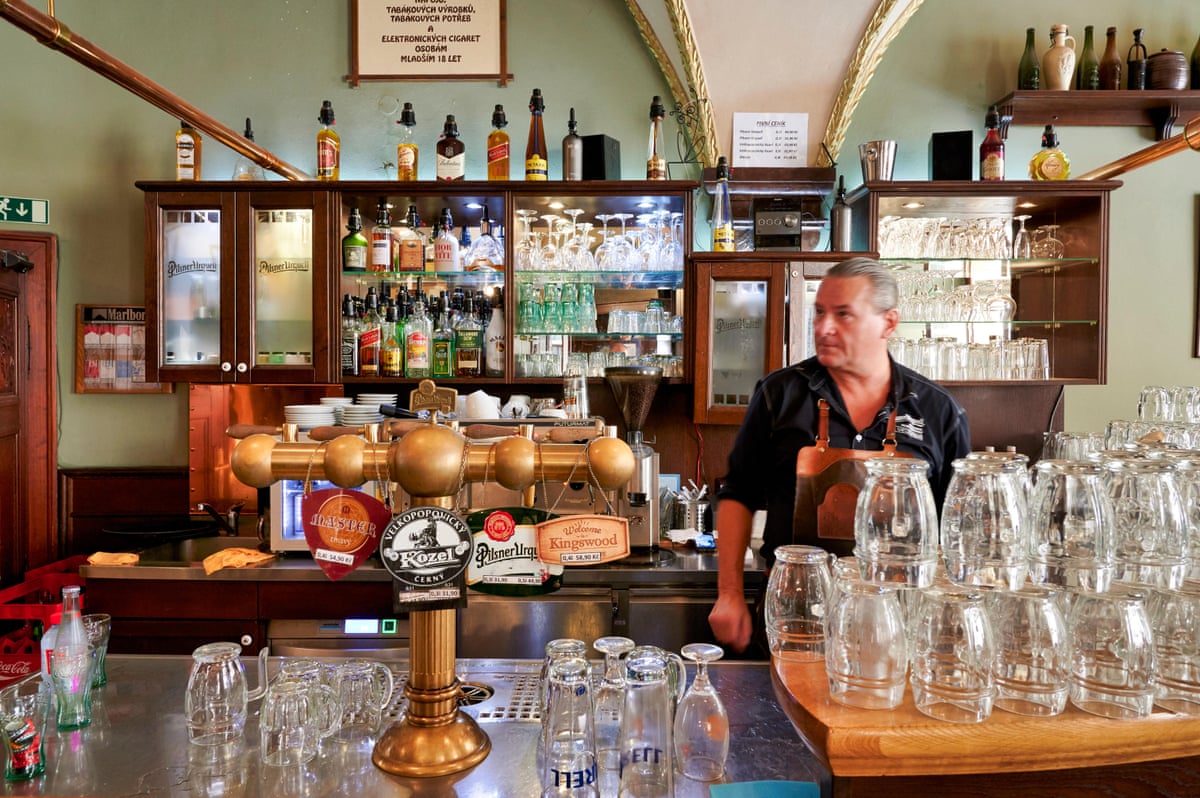
Earlier this month, Nesvadba introduced a new lager brewed with the “Saaz Shine” variety at the Hákův brewery’s pub in Prague. Prior to the keg tapping, dozens of craft beer enthusiasts gathered eagerly to sample the new cultivar. As Nesvadba raised the first glass of the drought-resistant beer in the dimly lit basement bar, the crowd applauded and queued to fill their mugs. This event demonstrated the enthusiasm for innovative hop varieties even in Czechia, a country deeply rooted in beer tradition.
Expanding Hop Cultivation to New Regions
The new hop varieties are also inspiring innovation in regions without a traditional hop industry. Sardinian agronomist Federico Puddu spent a month working with Nesvadba, aiming to learn breeding techniques to develop native Sardinian hops suitable for the island’s hot, dry climate—conditions typically considered unsuitable for hop cultivation.
“A lot of people say to me that I am crazy,” said Puddu. “The usual question is: ‘How can you even think about hops in Sardinia, in that heat?’ But the point is that heat and drought are becoming a problem for hops everywhere.”
Puddu views these new varieties as an opportunity not only for hops to adapt to climate change but also to expand hop agriculture into new regions.
Future Prospects for Brewers and Growers
Nesvadba’s work is promising for brewers like Barrie, who seek product consistency but are open to new cultivars. Barrie commented,
“There’s a lot of innovation happening with growers, who are currently developing more drought-resistant and climate-resilient hop varieties. Hopefully these new varieties will be as appealing as the highly sought-after classic varieties like Saaz.”
Preserving the Legacy of Original Saaz
Despite the development of new varieties, Nesvadba emphasizes the enduring value of the original Saaz hop:
“The new Saaz Shine and Comfort varieties will never replace the original Saaz,” Nesvadba said. “Saaz is our gold.”


