Artemis II Inspires Cambridge Space Enthusiasts
A group of students aspiring to be the first in Europe to launch a rocket into space have expressed their inspiration from NASA's Artemis II mission, which recently completed a flight around the moon.
Members of the Cambridge University Space Flight Society described the "incredible" Artemis II expedition as the first of its kind witnessed in their lifetimes, noting that the last manned moon mission occurred in 1972.
"Artemis II, which splashed down in the Pacific Ocean on Saturday, heralded a new era in space exploration," said Elisabeth Rakozy, co-president of the society.
The society, which comprises around 100 members, aims to surpass the Kármán line — the internationally recognized boundary of space located 100km (62 miles) above Earth — within the next two years.
The Artemis II mission set a record for the farthest distance humans have traveled into space, reaching 252,756 miles (406,771 km) from Earth.
Cambridge University Space Flight Society's Ambitions and Achievements
Founded in 2006 primarily by engineering students, the society has had the 100km space boundary goal in mind since its inception.
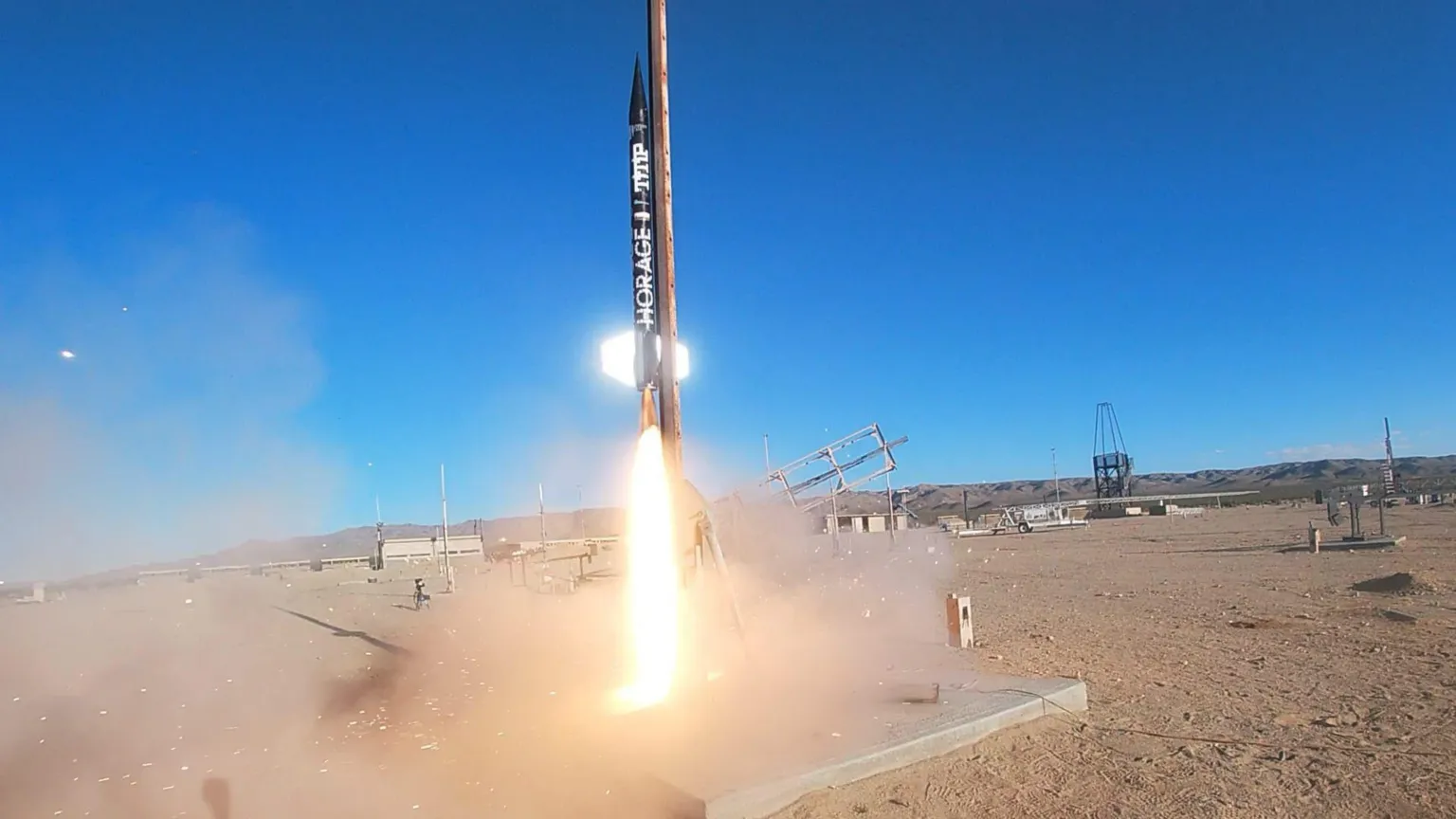
Over the years, the group has constructed several rockets and engines, including Griffin I, which students claim is capable of reaching an altitude of 150km (93 miles) if launched successfully.
The society has conducted launches of rockets and high-altitude balloons from sites in Cambridge and the United States, receiving support from the Massachusetts Institute of Technology (MIT).

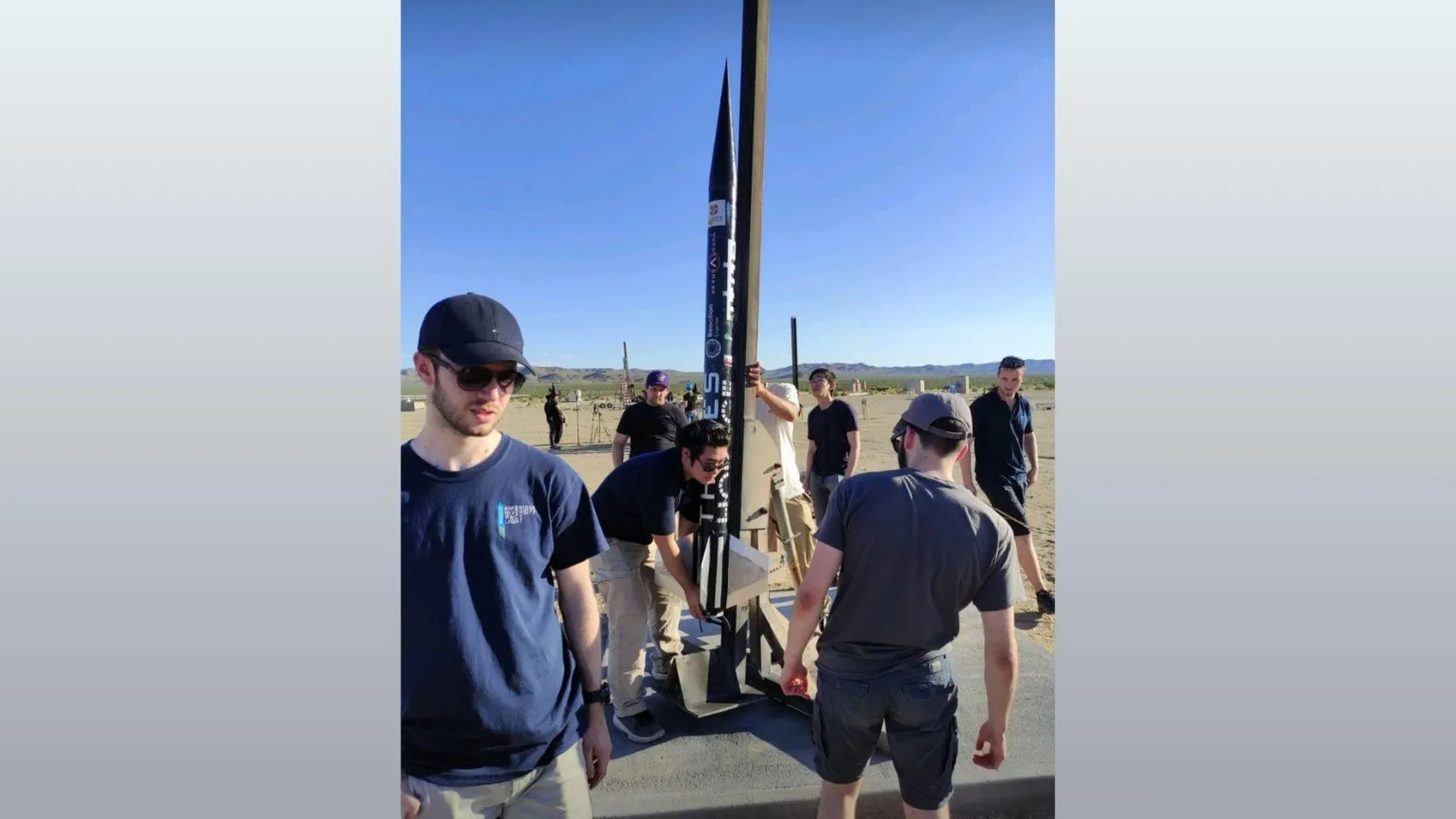
The COVID-19 pandemic temporarily slowed progress, but the society has since regained momentum.
"We're going to be launching more rockets soon," said Ben Sutcliffe, 22, co-president of the society, during an interview with BBC Radio Cambridgeshire.
Recent months have seen advancements in logistical arrangements, insurance, and licensing, with plans to launch a rocket in Scotland underway, according to Rakozy.
"I will be watching from the sidelines when the society achieves its aims," Rakozy added, noting that she has accepted a position with US aerospace manufacturer Relativity Space, which will commence after her graduation.
"Watching each test flight is an amazing, but nerve-wracking, feeling," Sutcliffe remarked. "It's sort of like seeing your baby being launched off into the sky and praying that all of your engineering design was done properly."
Do you have a story suggestion for Cambridgeshire? Contact us below.
Follow Cambridgeshire news on , Facebook, Instagram, and X.