

Introduction of Humanoid Robots at BMW
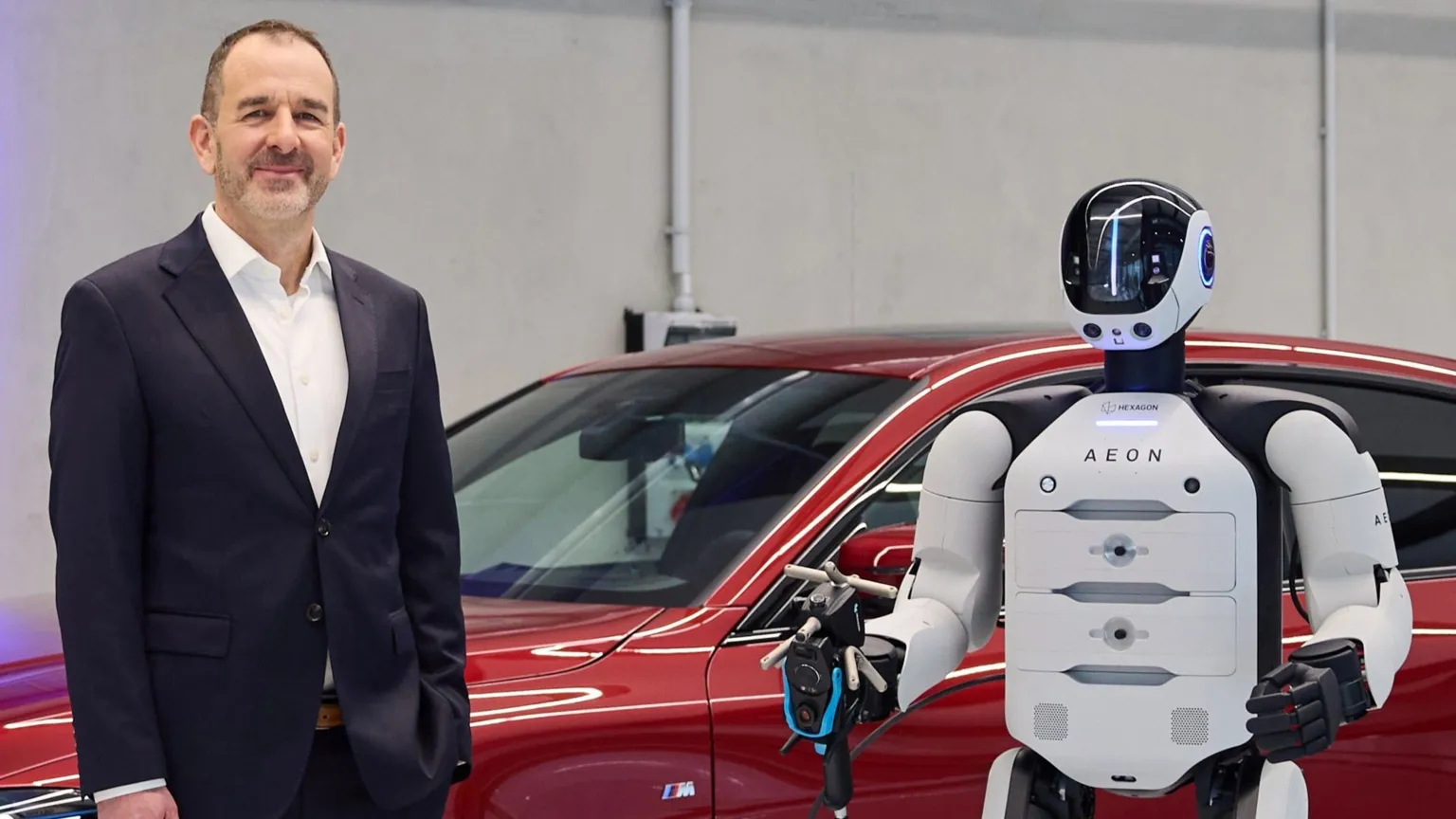
BMW is set to deploy humanoid robots for car manufacturing in Europe for the first time. Two robots developed by Hexagon Robotics are scheduled to begin production work this summer and are currently undergoing test deployment at BMW's Leipzig factory.
"This will be the future of automotive production,"said Michael Nikolaides, head of process management and digitalisation at BMW.
Rationale Behind Humanoid Robots
While robot arms and automation have been integral to the automotive industry for decades, BMW's move towards humanoid robots is driven by their adaptability. Nikolaides explained that the humanoid form allows robots to be placed in any workplace currently occupied by humans, as they share similar size and capabilities.
"If you have a humanoid form, you can pretty much set it to any workplace where a human is working today because it has the same size and the same capabilities,"he said.
With the cost of robots decreasing and the expense of redesigning assembly lines remaining high, it is more economical to use robots compatible with existing human workflows. Bill Ray, distinguished VP analyst at Gartner, elaborated:
"When a robot costs 17 million, you'd re-organise your factory around the robot, but it doesn't anymore. So now you want to fit it into your existing way of working."
Specifications and Capabilities of Aeon Robot
The Hexagon robot, named Aeon, is humanoid in shape, standing 1.65 meters (5ft 5in) tall and weighing 60 kilograms (9 stone 6lbs). It can reach a top speed of 2.4 meters per second and carry loads of up to 15 kilograms for short durations or 8 kilograms continuously.
Aeon is equipped with 21 sensors, including cameras, radar, a microphone, and force and torque sensors to facilitate manipulation tasks.
Training Methods and AI Integration
At BMW, Aeon robots were trained through a combination of teleoperation—where sensors capture human movements—and simulation within a digital twin of the factory using Nvidia software. In simulations, the robot was assigned tasks and repeatedly executed them to identify optimal solutions, employing reinforcement learning.
Teleoperation was used for specific actions such as picking up parts, enabling the robot to learn the variety of human approaches to such tasks.
Arnaud Robert, president of robotics at Hexagon, highlighted the rapid advancements in robot training, particularly imitation learning, where robots learn by observing tasks performed by humans through videos or movement sensors. This method can reduce training time from months to days.
"The best translation [from the human to the robot] is when the teacher and the student have the same form factor."
Robert envisions a future where robots could watch humans performing tasks like packing boxes and then seamlessly join in, estimating this capability to be one or two years away.
Bill Ray from Gartner predicts that within three to five years, robots will be able to follow simple voice instructions to perform tasks effectively.
Operational Details and Roles at BMW
Aeon robots have a battery life of three hours, whereas a typical shift lasts eight hours. To address this, the robots are designed to autonomously swap their batteries in approximately three minutes, including travel time to and from charging stations.
At BMW, the robots will primarily feed parts to manufacturing tools and perform pick-and-place tasks during battery assembly. Although Aeon robots are multifunctional, they are expected to maintain consistent tasks similar to human workers.

Nikolaides emphasized the potential of humanoid robots to assist with repetitive or physically demanding work and to mitigate labor shortages.
"We know that staff will be short in a matter of years, and humanised robots help,"he said.
"When we automised the production of cars in the '70s, everybody said this will lead to a lot of job losses, but the opposite was the case. There were new jobs created by this new technology, and that's the way we look at [humanoid robots]."
Industry Adoption of Humanoid Robots
Other automotive manufacturers are also exploring modern robotics. Toyota plans to use Digit humanoid robots from Agility Robotics following successful trials. Chinese company Xiaomi has tested its own humanoid robots in electric vehicle production.
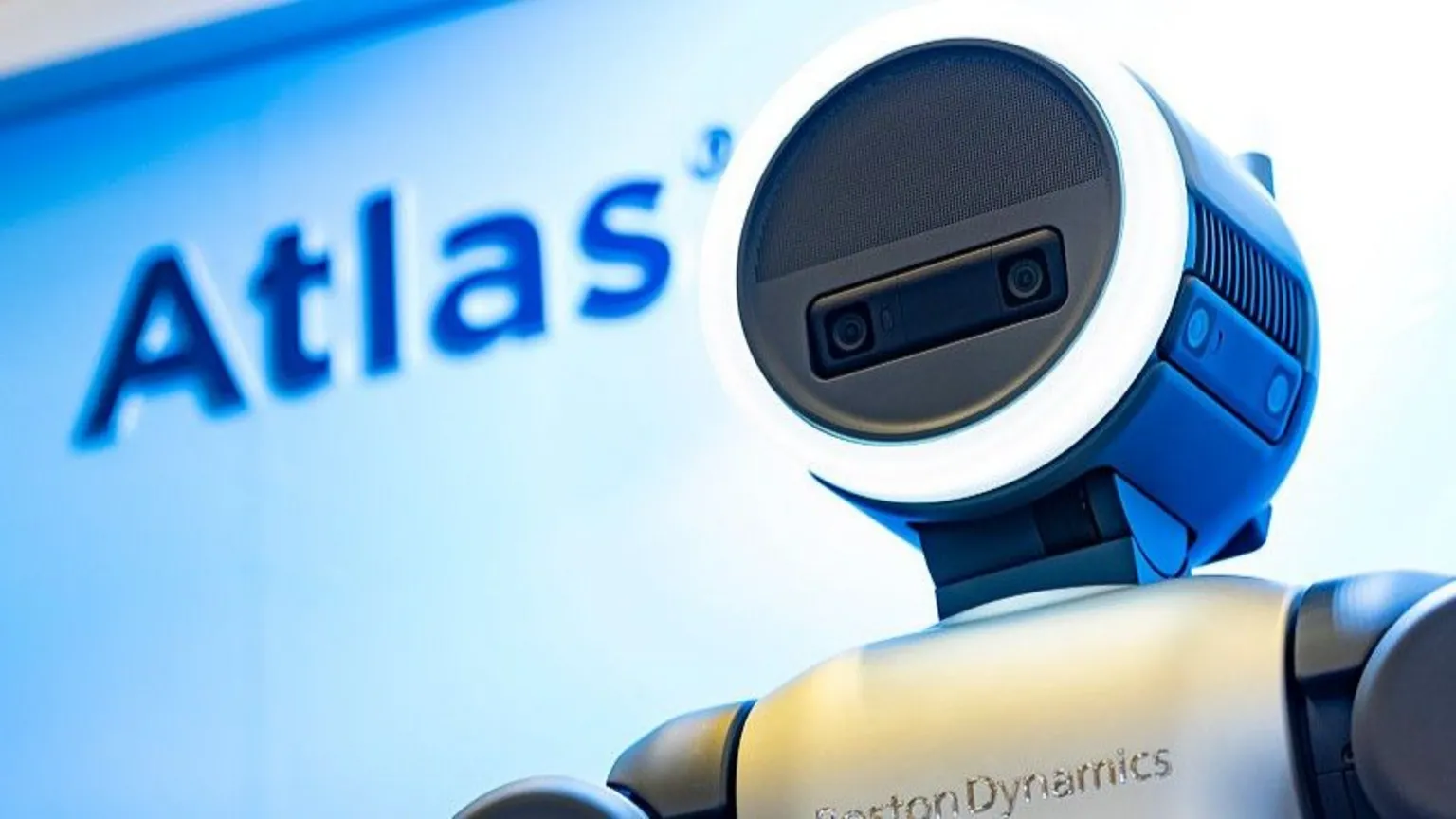
Hyundai employs Spot robots for industrial inspection and has announced plans to use Atlas humanoid robots, both developed by Boston Dynamics, in which Hyundai holds a majority stake.
BMW has prior experience with humanoid robots in Spartanburg, USA, where the Figure O2 robot assisted in building 30,000 model X3 cars, matching human work pace.
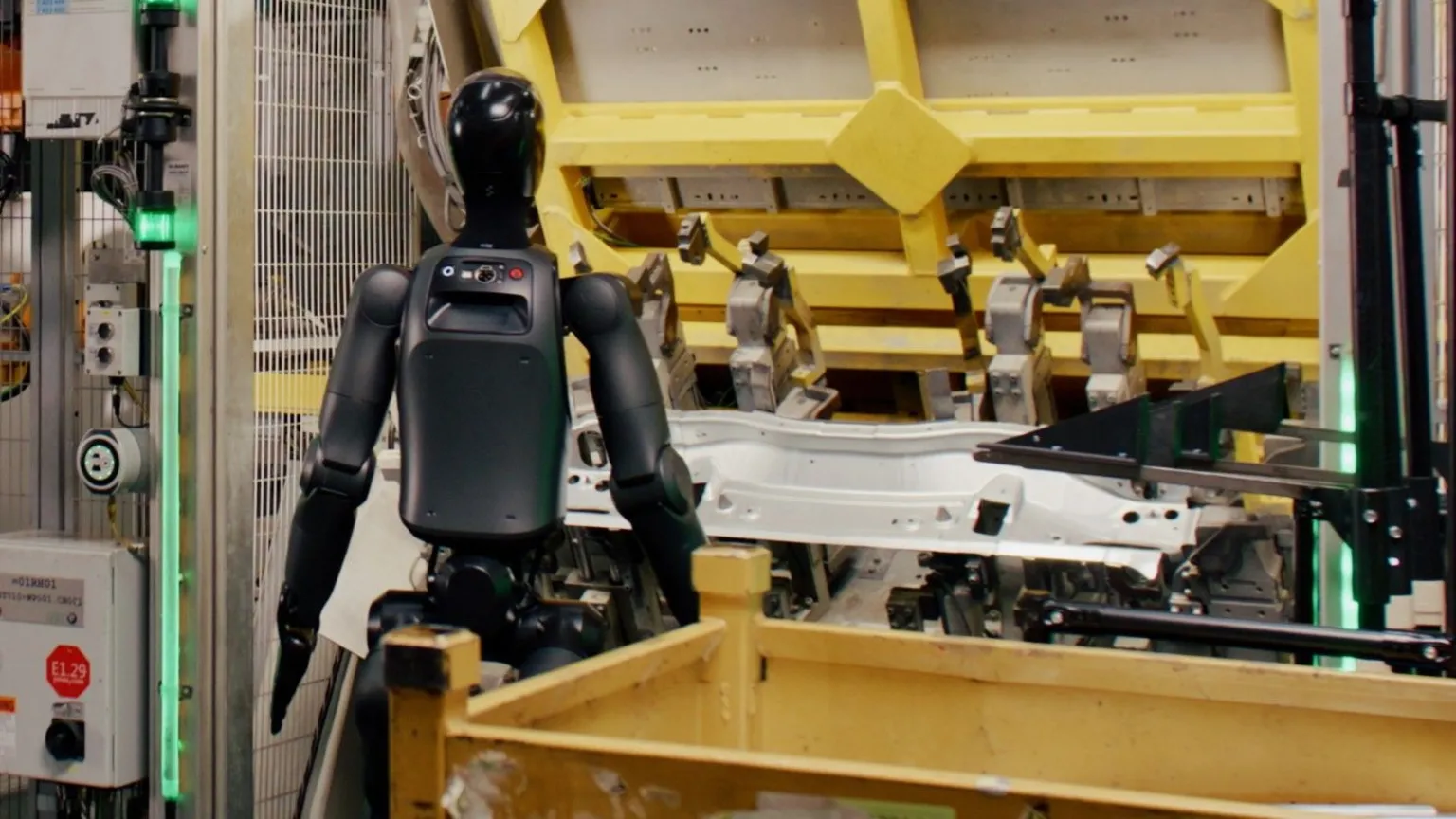
Nikolaides noted that AI-based robots handle variability better than traditional machinery. For example, if sheet metal positioning shifts slightly, standard industrial robots might fail, but humanoid robots can analyze the change and continue working.
Design Differences and Additional Robotics Use
A key distinction between the Figure and Aeon robots is mobility: Figure walks, whereas Aeon uses wheels instead of feet. Nikolaides explained that wheels are more practical on a shop floor as Aeon can roll between workstations efficiently.
BMW has also utilized Boston Dynamics' Spot robot, shaped like a dog, as a maintenance watchdog capable of navigating stairs and basement areas housing machinery.
Reception and Human-Robot Interaction
The robots have been positively received by BMW staff. Nikolaides anticipates that employees will give the robots names, as has been customary with older non-humanoid robots.
"If it doesn't have a name, it's a machine,"said Bill Ray.
"If it gets it wrong, it's broken. If it has a name, then people expect it to make mistakes. People forgive it. One of the things we say to companies is to give your robots names."
Aeon does not have a human face but features a display on the front of its head that shows symbols, such as a line when performing a task and a circle when listening. Robert noted ongoing development of this visual language to ensure Aeon communicates naturally with humans.
Challenges and Expectations
While humanoid robots are increasingly entering workplaces alongside humans, Ray cautions that their capabilities have been overhyped, especially in high-profile demonstrations.
"The primary use case for a humanoid robot today is to walk on stage and artificially inflate your share price,"he said.
"Robots dancing or whatever: That's not that difficult to do."
Ray warned of the risk of overestimating robots' abilities. Observing a humanoid robot walking might lead one to assume it can run, climb, or jump, but currently, it cannot perform these actions. He emphasized the importance of managing expectations when deploying such robots.


