

Background and Relocation
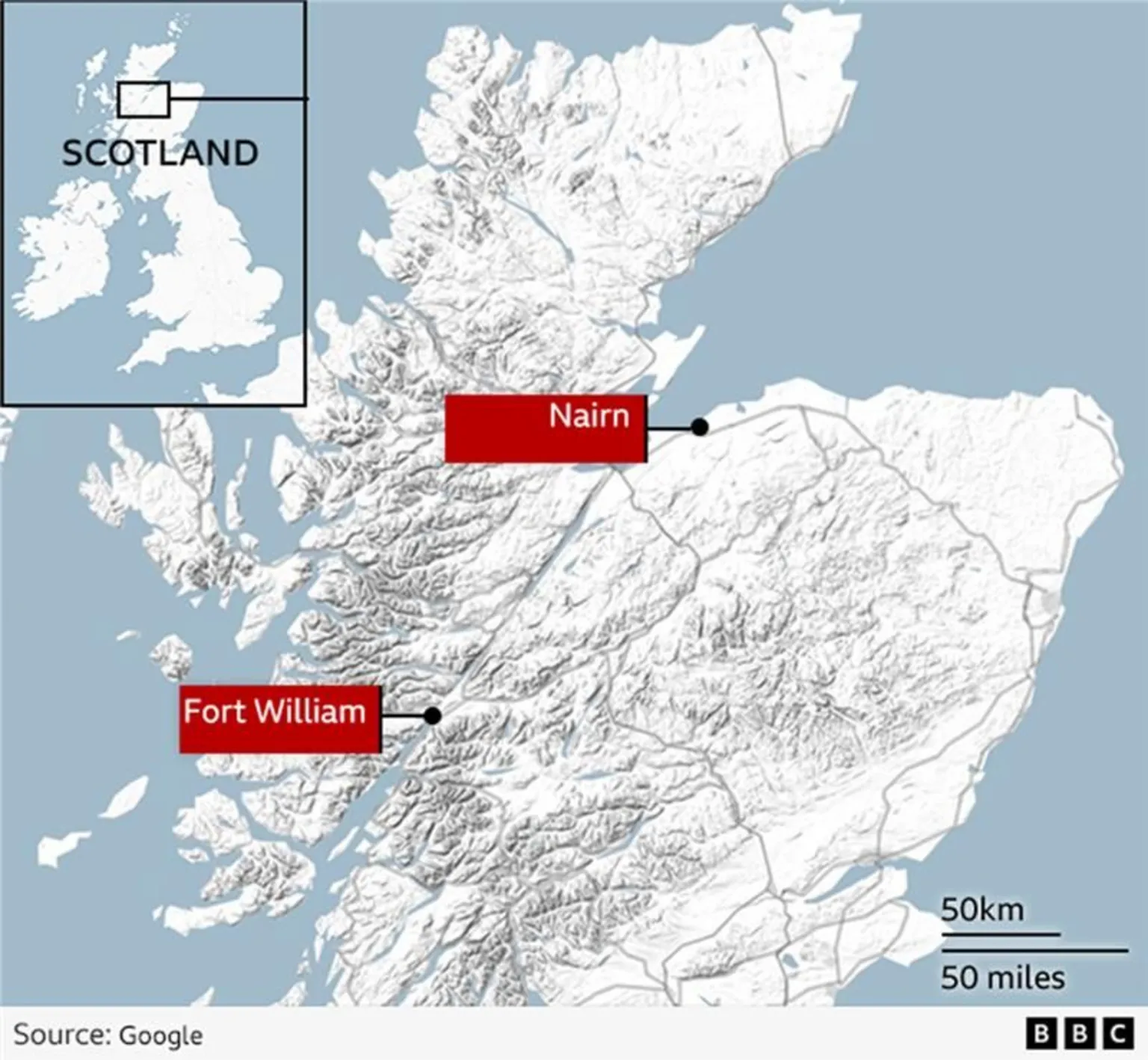
A 29-year-old woman with cerebral palsy, Iona Grant, has reported being "chucked" into a care home approximately 100 miles from her family home following the collapse of her NHS-funded care package. NHS Highland initially informed her that this arrangement would last only a few weeks; however, nearly five months have passed since her transfer to Nairn.
Iona had been living "relatively independently" in her home in Fort William but was informed that the necessary care could not be provided after a minor operation in October. She accused the health board of insufficient efforts to facilitate her return home. NHS Highland declined to comment on individual cases and advised patients with concerns to contact its feedback team.
Details of Iona's Care and Independence
Cerebral palsy is a neurological condition affecting movement and coordination. Iona, who uses a wheelchair, had previously received home support. Following her operation in Glasgow, she was told that two carers were required for her aftercare, but NHS Highland was unable to provide this level of support.
"They gave me five days notice before they chucked me up here [in Nairn]," Iona said.
"I lived independently within reason. I had my carers coming in four times a day.
"I was independent. I cooked my own food. I did my own shopping. I did whatever I needed to do."
While Iona described the care home staff as "lovely," she expressed a strong desire to return to her own home. She believes she is the youngest resident at the care home and among the few capable of living almost independently.
Communication and Duration Issues
Iona highlighted poor communication as a significant issue during her stay.

"They said it would only be for a couple of weeks but then said 'you'll be staying up here until after Christmas'," she said.
"Then they said by email it would only be a month I would be at the home for and that's been nearly five months."
"They've not really done much to try and get me home."
Impact on Family and Personal Life
During her time away, Iona's 14-year-old dog, Diesel, passed away. She was deeply saddened by being unable to be with her pet in his final days.
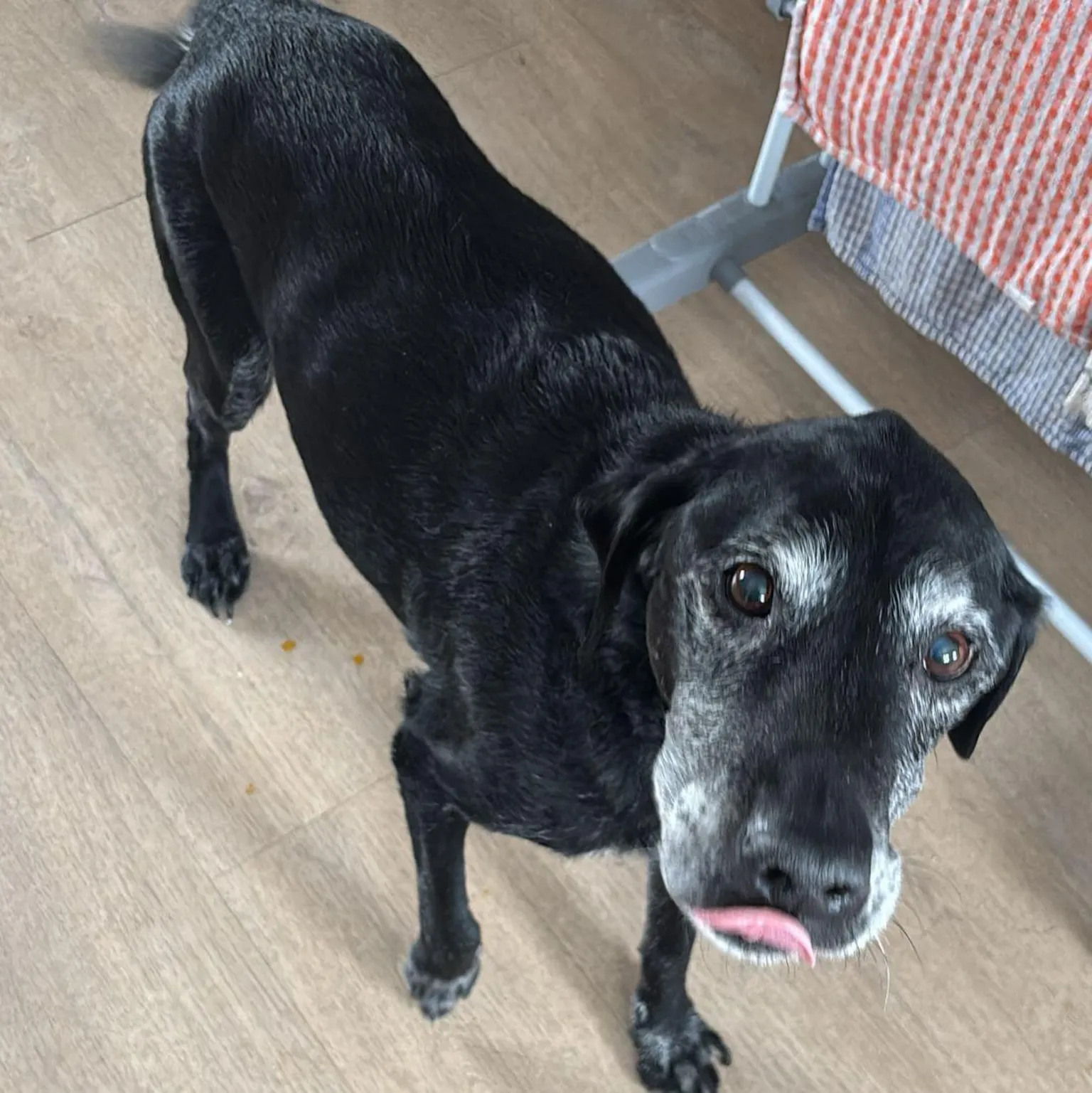
Her father, Stewart Grant, who cared for Diesel and resides in Kinlochleven—22 miles from Fort William but 104 miles from Nairn—described the difficulty of visiting Iona due to reliance on public transport.
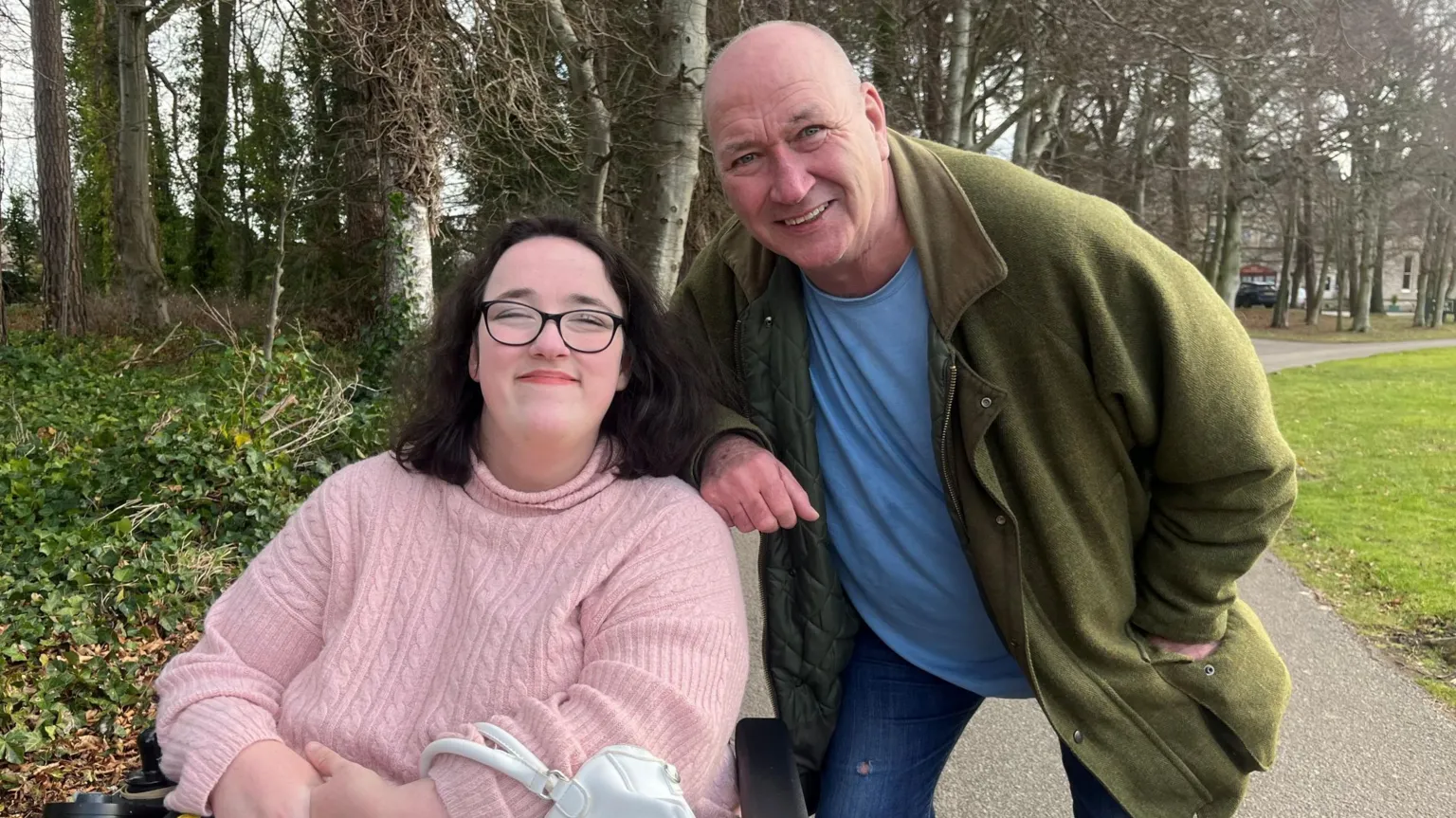
"It's absolutely dreadful," he said.
"We've had no Christmas together. It was my birthday in January – no birthday."
He added he would not be able to celebrate Iona's 30th birthday next week.
NHS Highland's Response
NHS Highland stated it collaborates closely with health and social care professionals, partner organisations, individuals, and families to provide appropriate care.
A spokesperson said:
"Due to patient confidentiality and privacy it would not be appropriate for us to comment on individual cases however we would encourage the individual concerned to contact our feedback team."
Political and Sector Reactions
Kate Forbes, Deputy First Minister and SNP MSP for Skye, Lochaber and Badenoch, was made aware of Iona's situation in December and has engaged with NHS Highland to emphasize the importance of securing a care package.
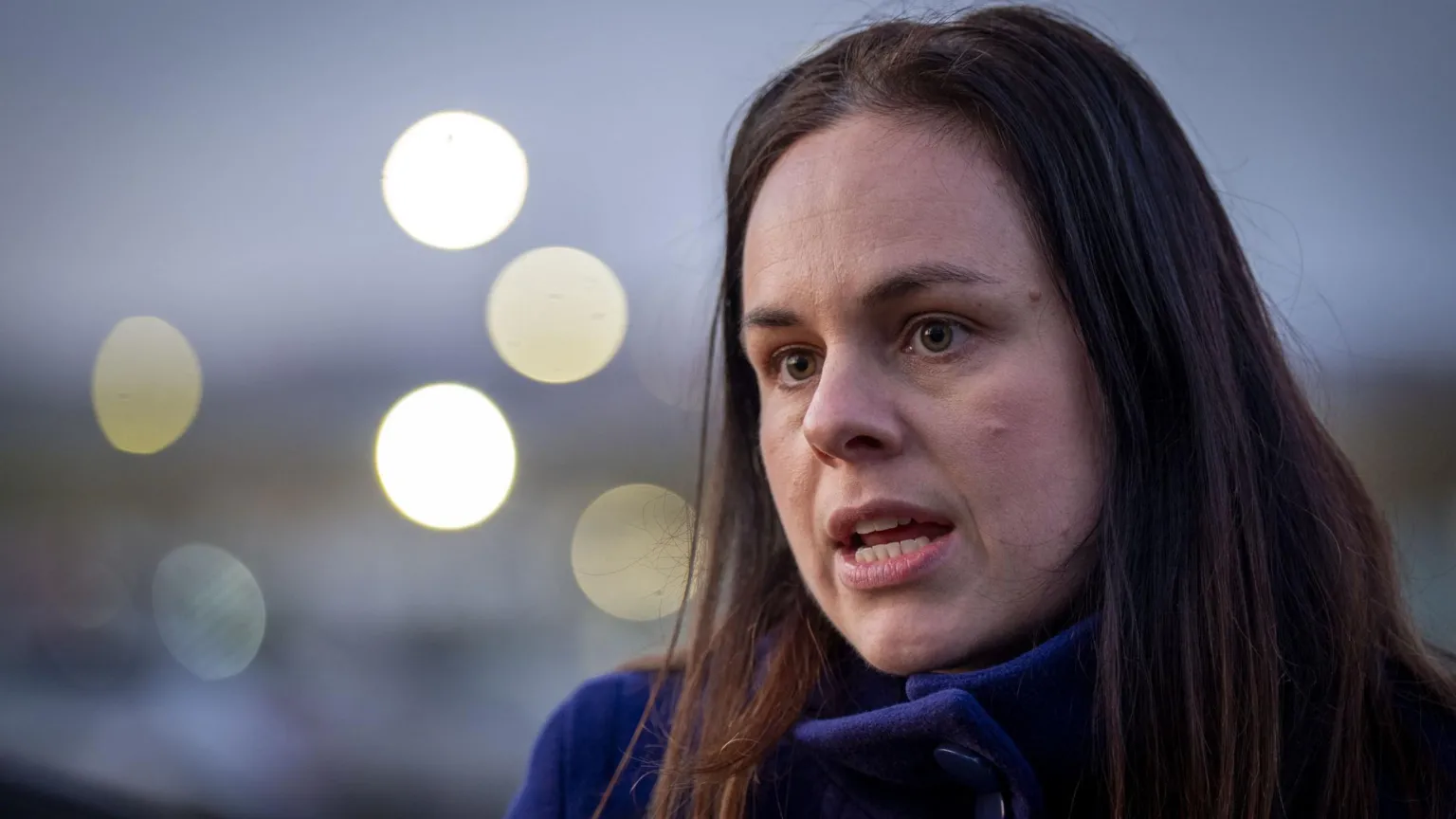
"This issue has had a significant impact on Iona, and it is why I took immediate and urgent action with NHS Highland," Forbes said.
"I am disappointed that it has not been resolved yet and I have continued to follow up with NHS Highland to ensure Iona has carers in place to help her live as independently as she possibly can at her home."
Scottish Care, representing the independent social care sector, noted an increase in cases similar to Iona's due to staff shortages and funding limitations.
Chief executive Donald Macaskill said such cases were not unique and people were being "taken away" from their families and communities.
"No matter how good that care and support is, they are not where they want to be, where they need to be, and where they should be," he said.
He added: " What matters is that people are able to live independently to live their life to the full, where they belong and where they come from.
"And if that means that we need more resource and a greater focus on ensuring that we can deliver services in remote and rural communities, then we need to do that."


