

Adopting Bird During Lockdown
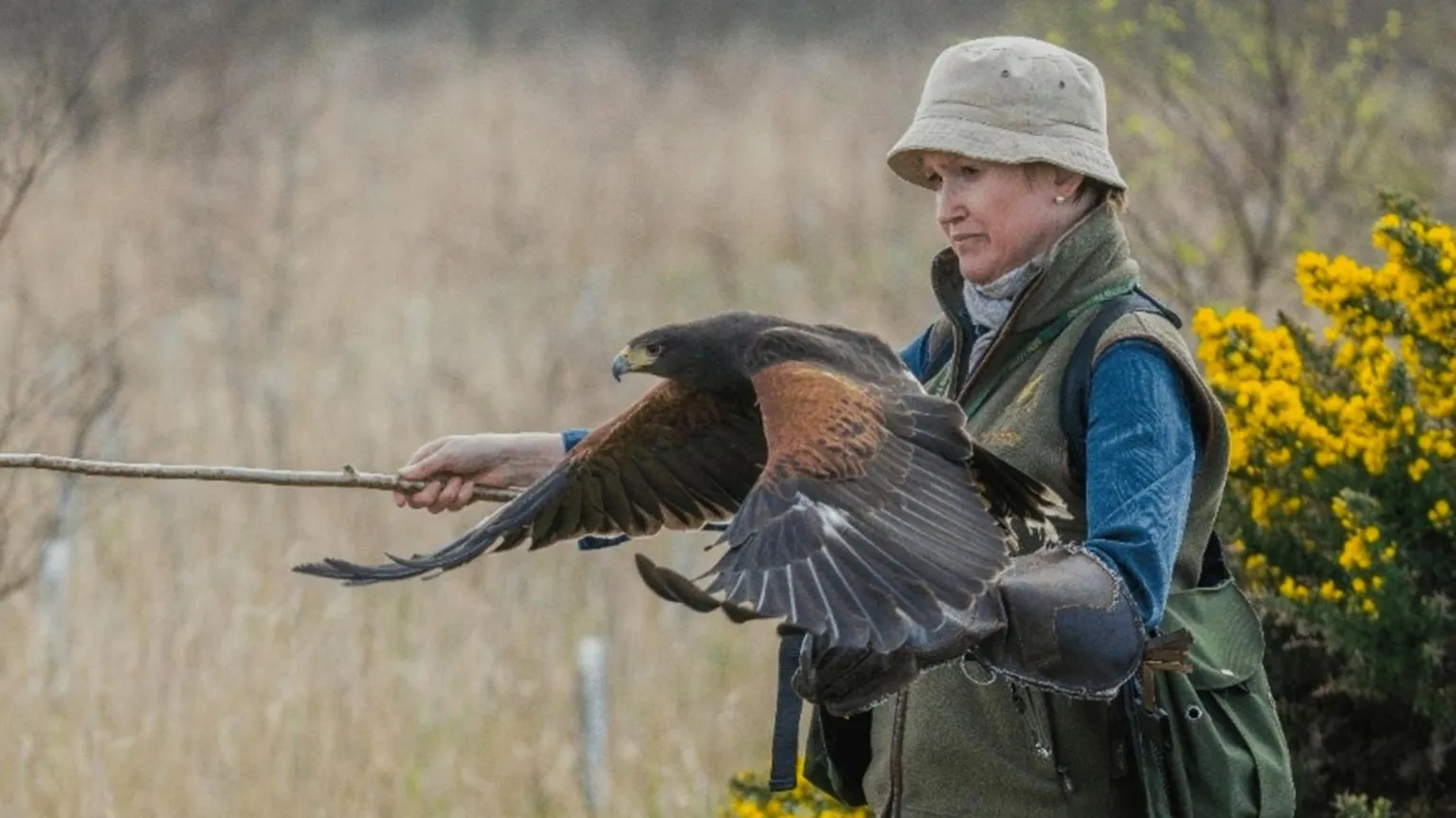
Six years ago, when the first Covid lockdown began, many people tried baking sourdough or following online fitness routines. Candida Meyrick chose a different path by adopting a Harris Hawk fledgling, which she credits with helping her rediscover herself after recovering from breast cancer.
Encouraged by her youngest child George, who was eight at the time, Candida embraced a lifelong passion by flying her hawk daily. The bird, named Bird, became central to her healing journey.
A New Chapter with Bird
In early 2020, Candida and George began training a bird of prey at the Gleneagles Falconry Centre. A few months later, Bird hatched as the only viable chick from her clutch and needed a home.
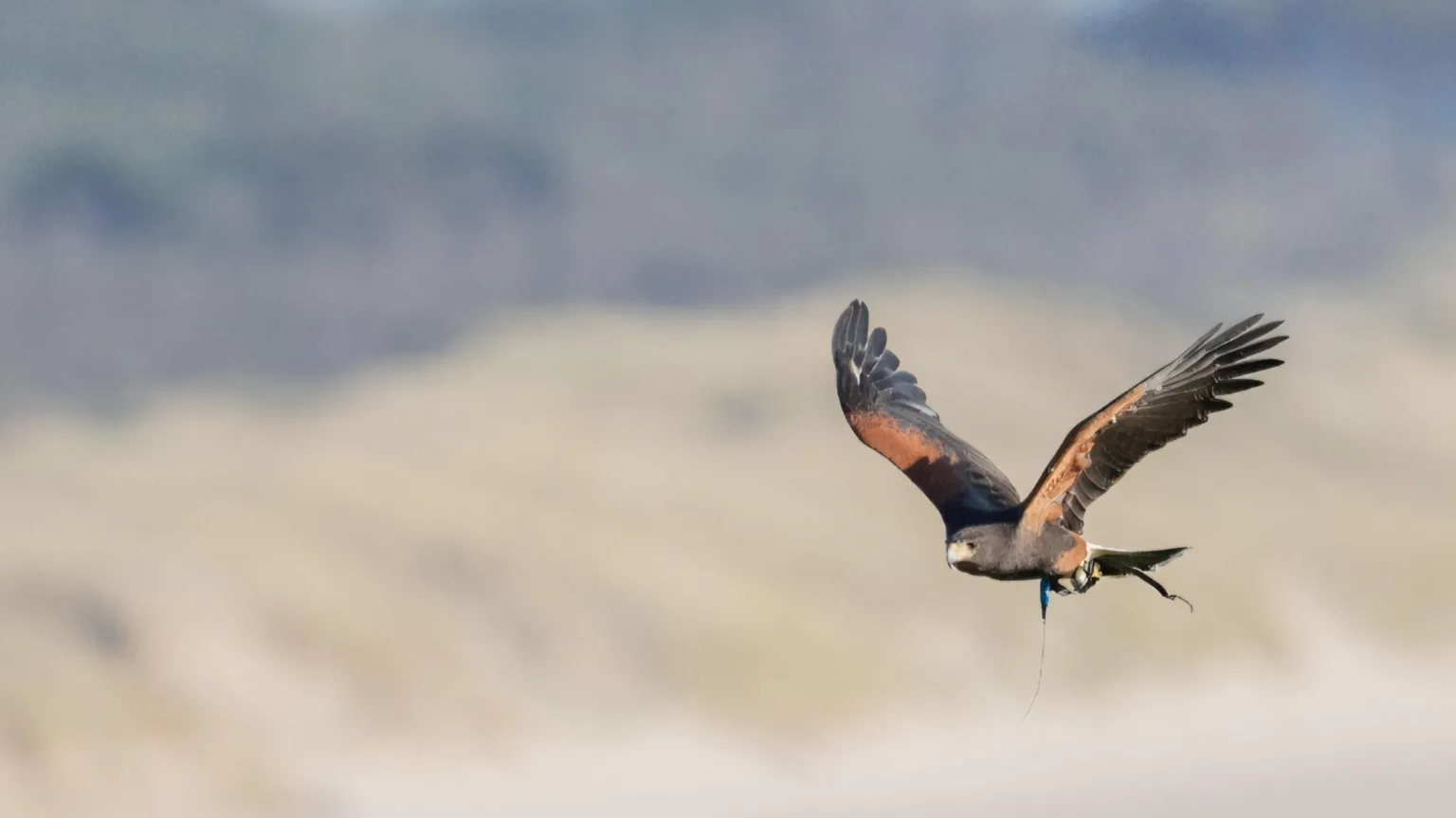
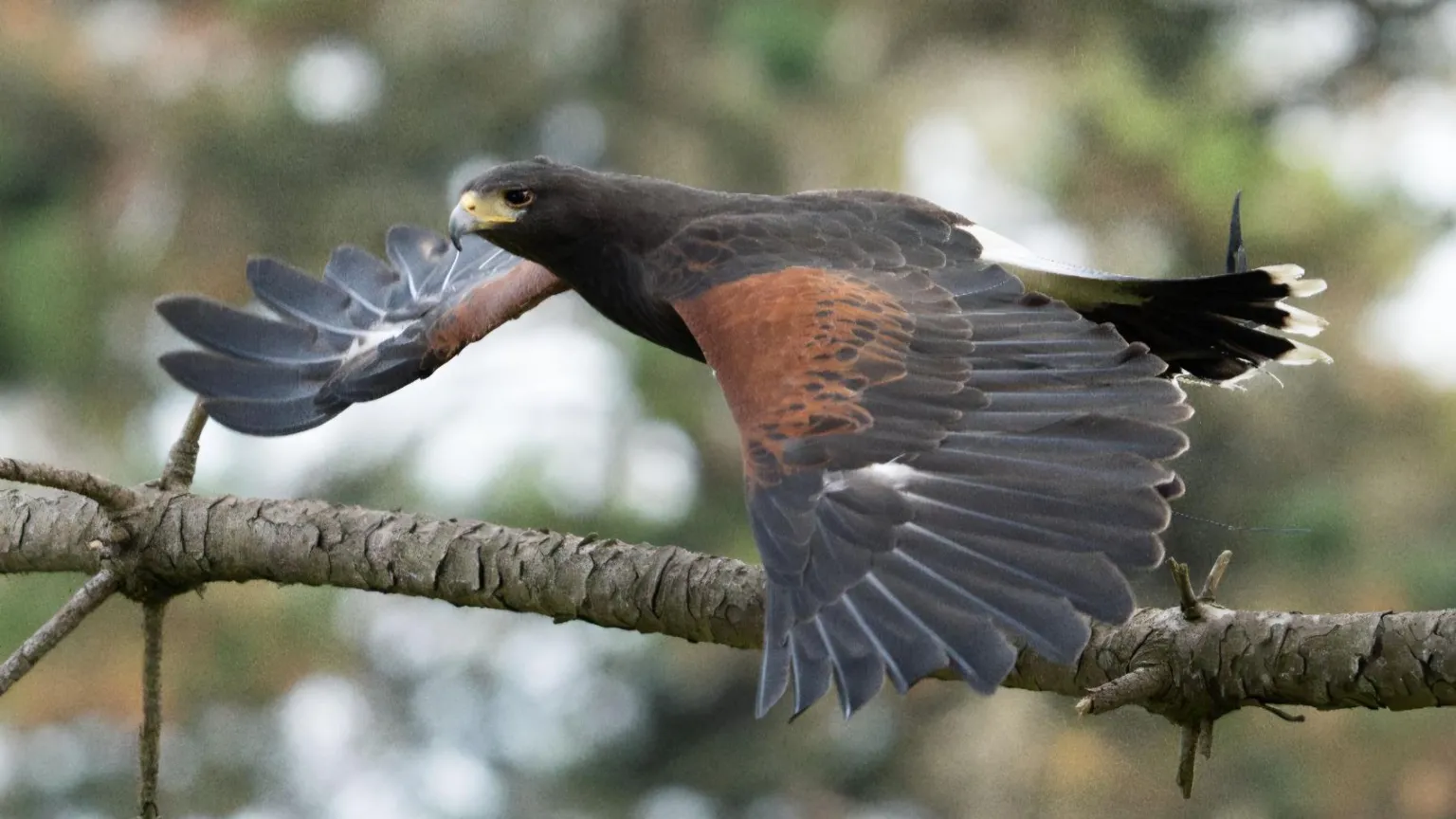
Bird’s full pedigree name is Sophia Houdini White Wing. The hawk has a wingspan of 1.5 meters (5 feet), can fly horizontally at speeds exceeding 35 mph (55 km/h), and possesses eyesight estimated to be eight times sharper than a human’s.
Bird requires at least two hours of flight daily to search for prey, which ranges from mice to pheasants. However, successful flights focus more on honing Bird’s skills than on making a kill.
Training and Bonding
Training began immediately upon Bird’s arrival at Candida’s Bodorgan Hall estate on Anglesey in 2020.
"This cardboard box arrived, bristling with energy and whilst it didn't weigh much, it was palpably full of her presence - a definite predator, whose distant ancestors are dinosaurs.
I remember her arrival so clearly - the way she stamped briefly in the box - making her presence known."
The 11-week-old fledgling appeared "punk-looking," with feathers sticking up in various directions and disproportionately large talons.
The process of "manning," which involves getting the bird accustomed to sitting on a glove, was undertaken with assistance from falconer Richard Boyce.
Bird’s name derives from her mother, Sophie, and "Houdini" reflects her early ability to untie knots and hide. The surname White Wing relates to her breeding line, and Bird is believed to be the last female of this lineage in the UK.
Ideal Environment and Personal Reflection
Candida was fortunate to have an ideal hunting territory for Bird, including woodland, fields, and sand dunes.
In 2020, Candida faced a pivotal moment in her life. Having been five years clear of cancer and with her children growing up healthily, she confronted the challenge of moving forward.
"I was five years clear of cancer and my children were growing up healthily, so I had to confront what letting go would look like.
The doctors told me this was a significant point in my recovery, so it was now or never.
As a published novelist, I felt I really had to write factually about this life-changing experience of flying Bird. In so many ways, she is an ongoing part of my health journey."
Candida described Bird as giving her "freedom."
"Letting your hawk go each day - or letting your children go so they can flourish - is a real case of 'feel the fear and do it anyway'."
Challenges and Natural Healing
Bird sustained a leg injury during a confrontation with a stoat. While Candida sought veterinary advice, Bird instinctively sought out wild thyme and white willow, natural antiseptics and painkillers, despite previously only consuming meat.
"While she had a wounded leg, she sought out wild thyme and white willow, in other words a natural antiseptic and painkiller, but I had no idea how a hawk would instinctively understand that - up until now she'd only ever eaten meat."
Legacy and Future Hopes
Candida hopes her passion for falconry will continue beyond her and Bird’s lifetimes.
"Bird was in many ways my son's vision, but it reignited a lost spark from my father, who painted beautiful bird studies.
My children are now focused on their own passions - tennis, physics, geopolitics - but I love the thought that the seed of falconry is sown.
Hopefully, if one day they decided they'd like to have a hawk with their own children, I'd like to think they could call on my knowledge and enthusiasm to help them."


