WHO Declares Ebola Outbreak a Public Health Emergency
The World Health Organization (WHO) has officially declared the Ebola outbreak in the Democratic Republic of Congo (DR Congo) a public health emergency of international concern.
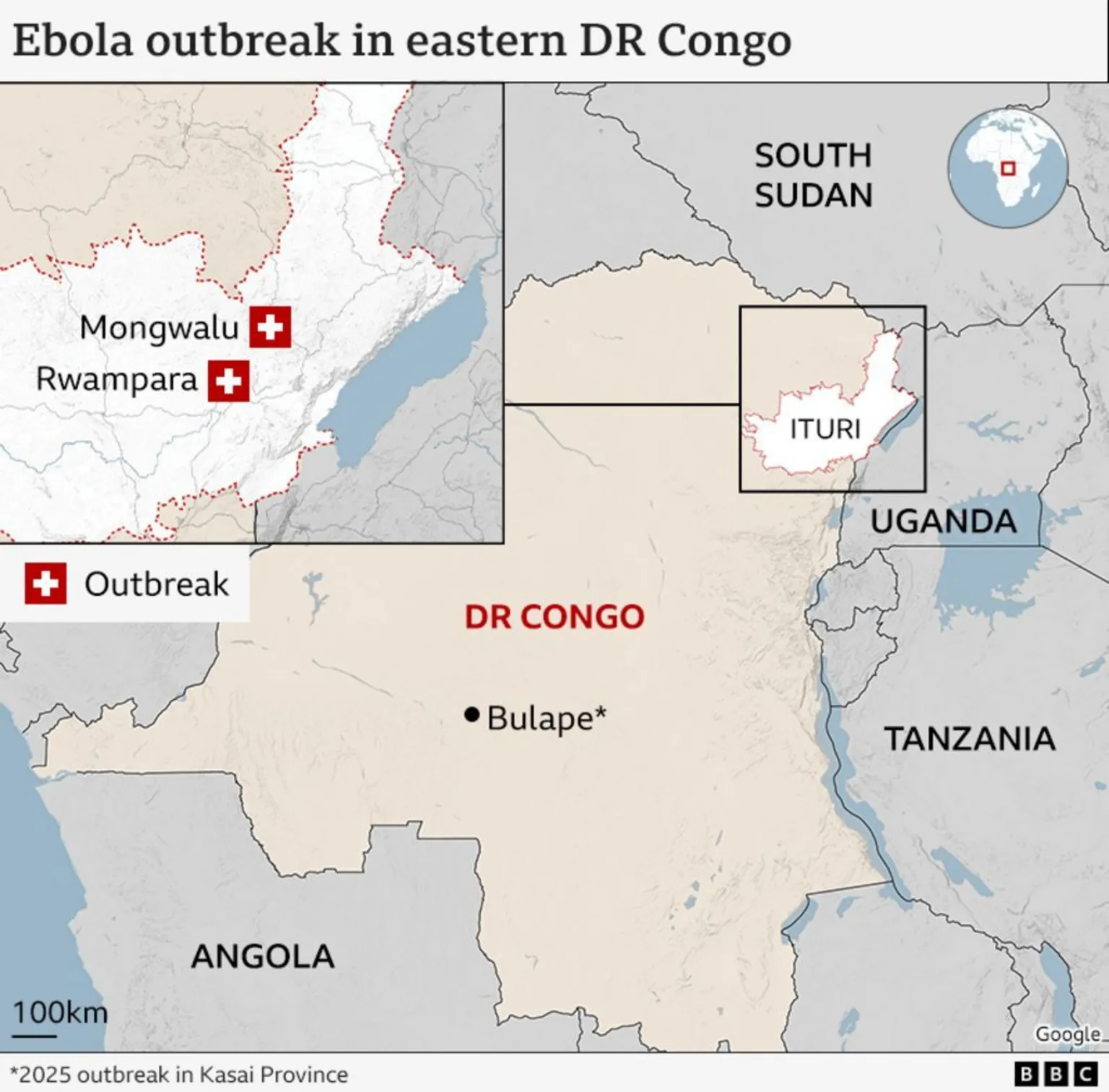
The outbreak is located in the eastern Ituri province of DR Congo, where approximately 246 suspected cases and 80 deaths have been reported. Despite this, the WHO stated that the outbreak does not currently meet the criteria for a pandemic emergency.
However, the agency cautioned that the outbreak could potentially expand beyond the currently detected and reported cases, posing a significant risk of local and regional transmission.
The Ebola strain involved in this outbreak is caused by the Bundibugyo virus. The WHO noted that there are no approved drugs or vaccines for this particular strain.
Initial symptoms of the infection include fever, muscle pain, fatigue, headache, and sore throat. These are typically followed by vomiting, diarrhoea, rash, and bleeding.
The WHO confirmed eight laboratory-verified cases of the virus, alongside additional suspected cases and fatalities across three health zones: Bunia, the capital of Ituri province, and the gold-mining towns of Mongwalu and Rwampara.
One confirmed case has also been reported in Kinshasa, the capital city of DR Congo, believed to be a patient who recently returned from Ituri.
The virus has extended beyond DR Congo’s borders, with two confirmed cases reported in neighbouring Uganda. Ugandan authorities reported that a 59-year-old man who died on Thursday tested positive for the virus.
According to a statement from the Ugandan government, the deceased patient was a Congolese citizen, and his body has been repatriated to DR Congo.
The WHO highlighted that the ongoing security challenges and humanitarian crisis in DR Congo, combined with high population mobility, the urban setting of the outbreak hotspot, and the prevalence of informal healthcare facilities, increase the risk of wider spread.
Countries bordering DR Congo are considered at high risk due to trade and travel connections.
The WHO recommended that DR Congo and Uganda establish emergency operation centres to enhance monitoring, contact tracing, and infection prevention efforts.

To reduce transmission, the agency advised that confirmed cases should be isolated and treated until two Bundibugyo virus-specific tests, conducted at least 48 hours apart, return negative results.
For countries neighbouring affected regions, governments are urged to strengthen surveillance and health reporting systems.
The WHO also emphasized that countries outside the affected area should not close borders or impose travel and trade restrictions, stating that
"such measures are usually implemented out of fear and have no basis in science".
WHO Director-General Dr Tedros Adhanom Ghebreyesus cautioned that there remain
"significant uncertainties to the true number of infected persons and geographic spread"of the outbreak.
Background and Transmission
Ebola was first identified in 1976 in what is now DR Congo and is believed to have originated from bats. This current outbreak marks the 17th occurrence of the disease in the country.
The virus spreads through direct contact with bodily fluids and through broken skin, leading to severe bleeding and organ failure.
There is no proven cure for Ebola, and the WHO reports an average fatality rate of approximately 50%.
Regional Concerns and Response
The Africa Centres for Disease Control and Prevention (Africa CDC) has expressed concern about the high risk of further spread due to the urban environments of Rwampara and Bunia, as well as mining activities in Mongwalu.
Africa CDC’s Executive Director, Dr Jean Kaseya, emphasized that
"significant population movement"between the affected areas and neighbouring countries necessitates coordinated regional response efforts.
Over the past 50 years, around 15,000 people have died from Ebola in African countries.
DR Congo’s deadliest outbreak occurred between 2018 and 2020, during which nearly 2,300 people died.
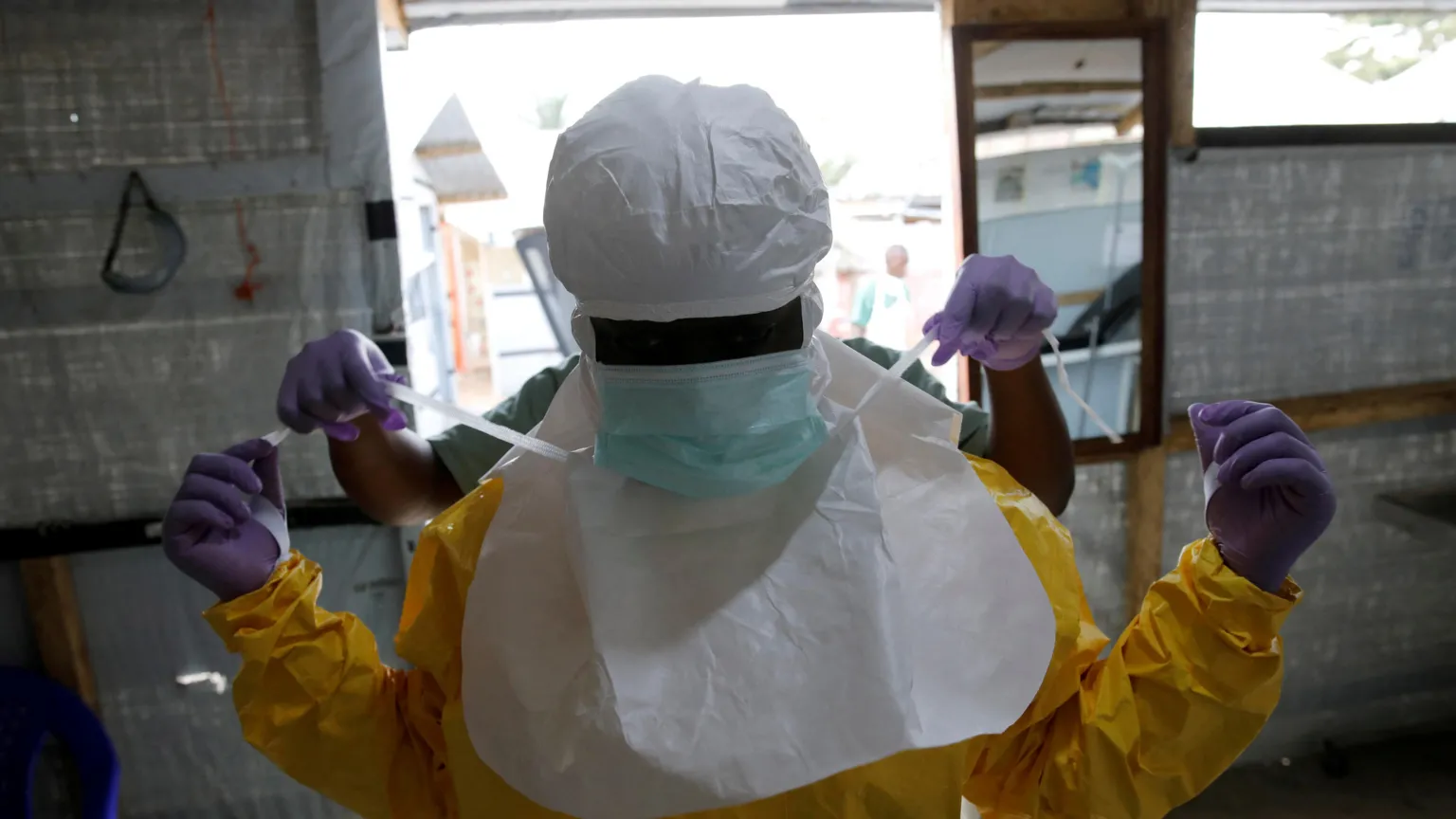
Last year, an outbreak in a remote region resulted in 45 fatalities.
Geographical Context
The affected zones of Bunia, Mongwalu, and Rwampara are situated in Ituri province, which borders Uganda, South Sudan, Tanzania, and Angola.