

Warning: This article contains discussion of suicide
The morning after Annika Waheed attempted to take her own life, her period began. The overwhelming despair she had felt lifted, and she described the sensation as a "weight of the world" being removed.
"Did I really do that?" she asked her sister, who had held her close to keep her safe as she slept off the overdose attempt.
Annika experiences suicidal thoughts for two weeks each month, but as soon as her period starts, the darkness fades abruptly, allowing her to "see and function again".
"How can my hormones do this to me?" she questions.
The 42-year-old has lived with premenstrual dysphoric disorder (PMDD) for over eight years.
PMDD is a mental health condition characterized by severe psychological and sometimes physical symptoms. It can affect women at various stages of life, often coinciding with significant hormonal changes such as puberty, childbirth, or menopause.
Similar to premenstrual syndrome (PMS), PMDD occurs during the luteal phase—the one to two weeks before menstruation—but its effects are considerably more severe.
While PMS may cause tiredness, irritability, and bloating, PMDD can induce intense anxiety, depression, and psychological distress. Physical symptoms like fatigue, headaches, and joint pain may also occur, but a mood-related symptom is required for a PMDD diagnosis.
'There is nothing you can do about it'
The International Association for Premenstrual Disorders (IAPMD), a global research charity, estimates that over one million women in the UK may be affected by PMDD, though only a small proportion have been diagnosed.
Suicide is a complex issue, but some studies indicate that individuals with PMDD are more likely to experience suicidal thoughts and attempts than the general population.
"PMS can be really hard," Annika says, who also suffers from physical symptoms such as heart palpitations, severe backache, and bloating. "But this? This is something else.
"It is like the Grim Reaper coming for us every month. You can feel it, and there is nothing you can do about it."
PMDD is believed to result from a severe negative reaction to natural hormonal fluctuations before menstruation. This reaction is primarily driven by changes in progesterone, which peaks, and fluctuating oestrogen levels, triggering feelings of despair, loss, and lack of control.
Despite limited scientific understanding of why PMDD affects some individuals, researchers in Scotland have developed an innovative suicide prevention tool to help clinicians identify women exhibiting PMDD symptoms.
"For so long, women have lived with this condition and not had any idea what could be causing it," says Dr Lynsay Matthews from the University of the West of Scotland, who led the research. "Even though the menstrual cycle plays such a huge part in a woman's health, it is often not brought up in doctors' consultation rooms."
Matthews explains that asking women about their menstrual cycles can help doctors and patients recognize patterns and determine if mental health issues are linked to the cycle.
The model, now available for clinical use, provides essential insights into how women with PMDD may respond differently regarding suicide risk compared to the general population.
The next step is to evaluate the tool's effectiveness in supporting women, with hopes for NHS-wide implementation.
If you have been affected by the issues raised in this article, the BBC's Action Line provides a list of organizations offering support.
Dr Helen Wall, a GP in Bolton specializing in women's health, notes that doctors "still struggle to relate things to a woman's periods."
"We have to listen to women's stories and understand what is happening in the context of their hormones."
She adds that the healthcare system poses challenges: "We get 10 minutes, 15 minutes maximum with a patient.
"Many women with PMDD will present when they are in crisis, and they have nowhere else to turn. It is difficult to get a full history and understand the complexities in such little time."

More women are sharing their PMDD experiences on social media, with #PMDD posts viewed over 230 million times on TikTok.
One such individual is Katie Cook, diagnosed with PMDD in 2025 at age 21 after a decade of struggling with physical and mental health issues.
She believes PMDD began when she started menstruating at age 12, marking the start of an internal battle.
"It's like I'm Jekyll and Hyde," she explains.
During the luteal phase before her period, Katie experiences darkness, body aches, sensitivity to light and sound, and overwhelming feelings.
Initially, her GP attributed her severe mood swings to adolescence.
Katie began tracking her mood and symptoms monthly, recognizing patterns. In her first university year, a GP mentioned PMDD, and "everything started to make sense."

The struggle to get a diagnosis
Receiving a diagnosis can open up treatment options, but Annika emphasizes that simply "being understood" is a validating experience.
Reflecting on the research led by Matthews, Annika wonders if earlier recognition of PMDD might have prevented her crisis.
"Absolutely," she says, "I wouldn't have been gaslit by doctors.
"If doctors understand, then patients understand. I could have explained these suicidal thoughts to my friends and family and I might have been able to safeguard me from myself."
Various treatments can be tailored to PMDD, but finding an effective one often involves trial and error.
Options include antidepressants, contraceptive pills, and devices like the Mirena coil to regulate hormones.
More extreme interventions include chemical menopause or, in some cases, ovary removal to halt the natural hormone cycle.
Annika is currently receiving hormone-blocking injections to stop her menstrual cycle as treatment. However, she notes that as the medication wears off, she quickly feels anger, fury, or despair depending on her cycle stage.
Living with PMDD has made pregnancy and parenthood impossible for Annika, as chemical menopause eliminates her chances of conceiving.
"There are times I imagine an alternative life, where I could have become a mum, but PMDD has snatched that from me."
At 31, Lily Rose Winter, part of the growing online PMDD community, is considering chemical menopause.
It took years for Lily to receive a PMDD diagnosis, and despite trying many treatments, none have significantly alleviated her monthly symptoms.
"I am learning to reframe it. Instead of trying to be positive and saying I should be feeling OK, I tell myself it's OK that I don't feel grateful to be alive today, and it will pass. I have to be patient."
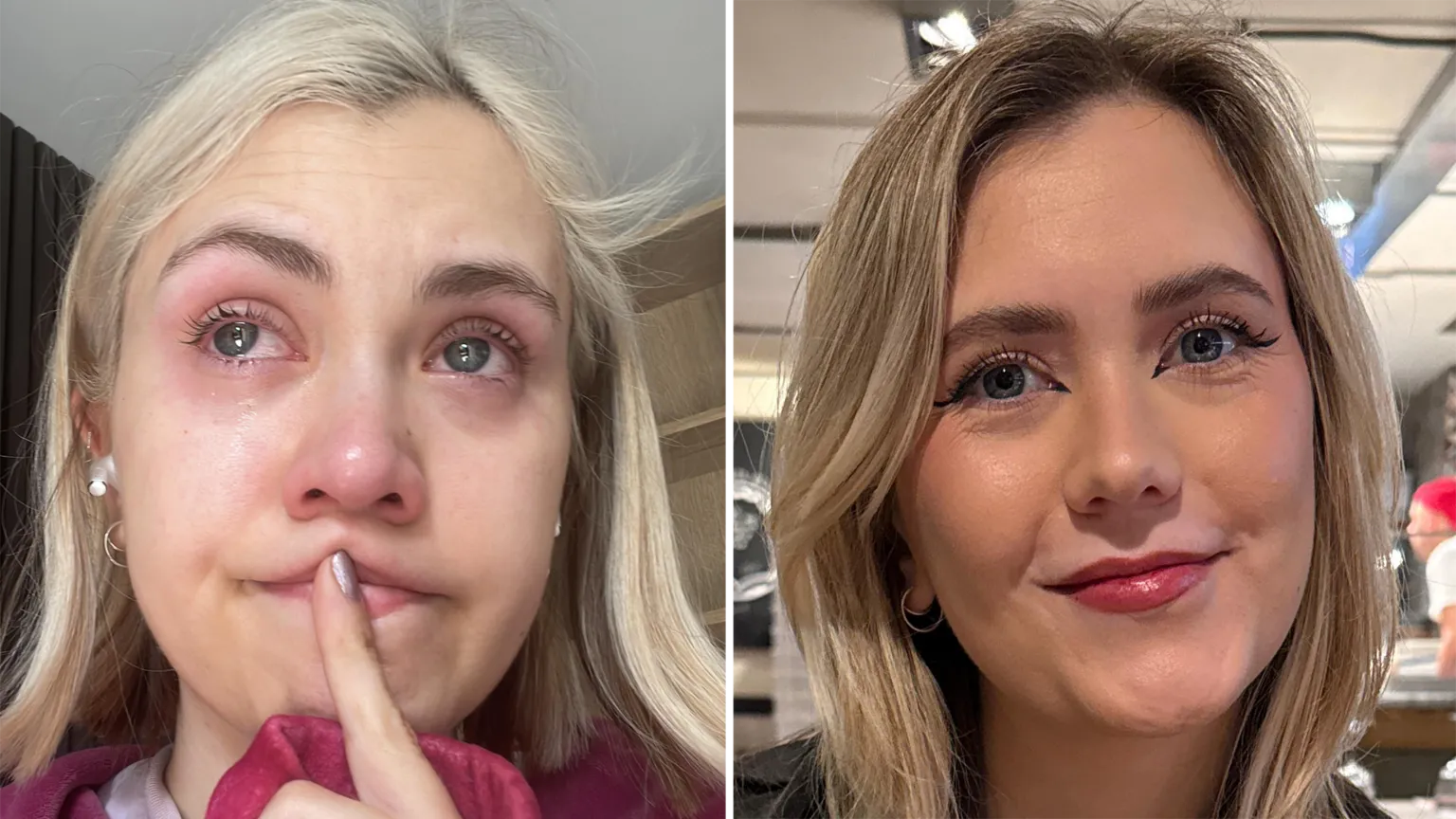
The government acknowledges that women with PMDD "have been failed for far too long." A spokesperson for the Department of Health and Social Care stated,
"Too often their symptoms are dismissed or normalised, and that has to change."
They added that the renewed Women's Health Strategy will "ensure women are listened to and taken seriously from their very first appointment" and are referred to the appropriate healthcare professional "first time."


