

British Army Medical Team Deployed to Remote Island
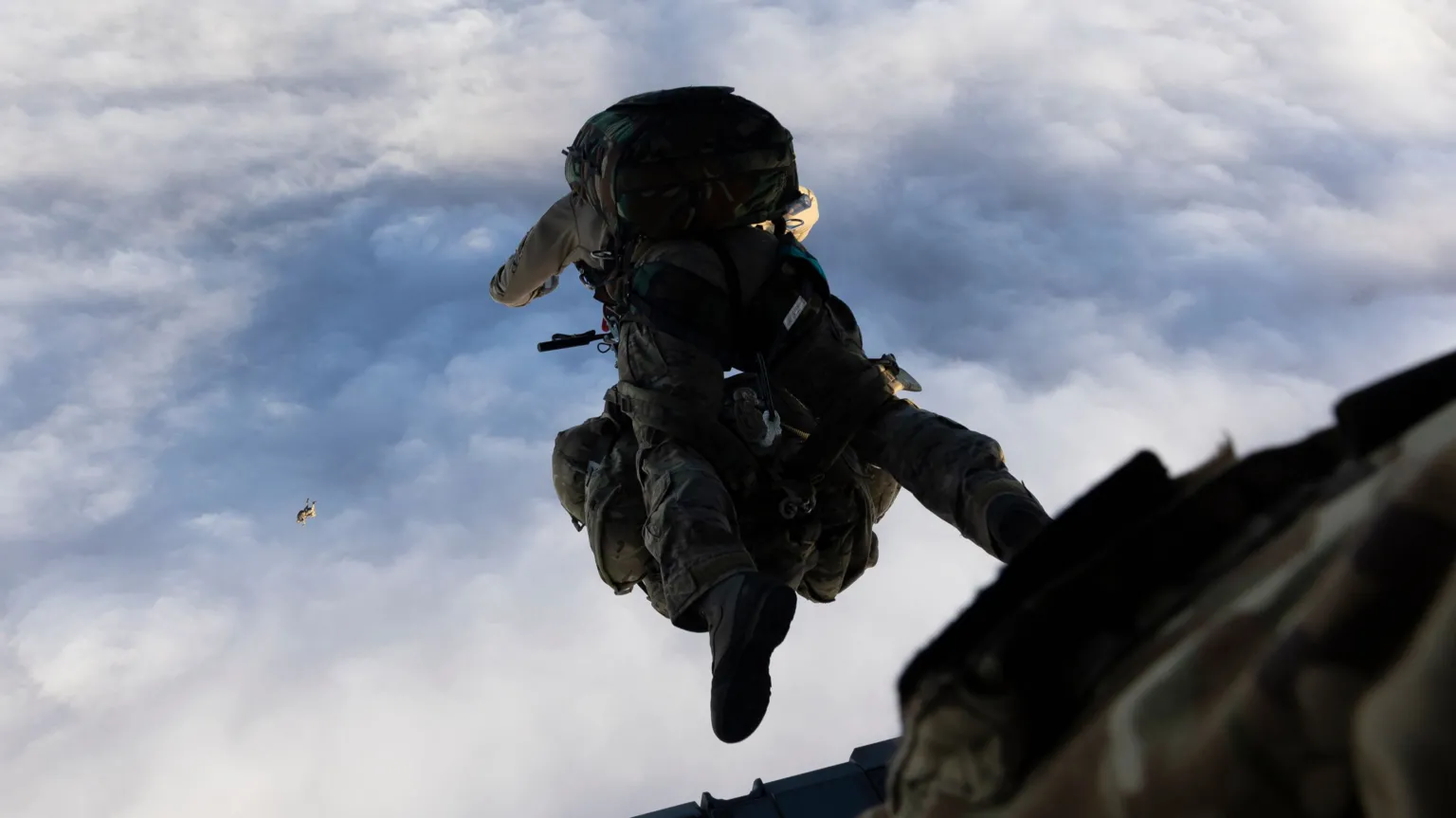
British Army medics have parachuted onto the remote Atlantic island of Tristan da Cunha to assist a British national suspected of having hantavirus.
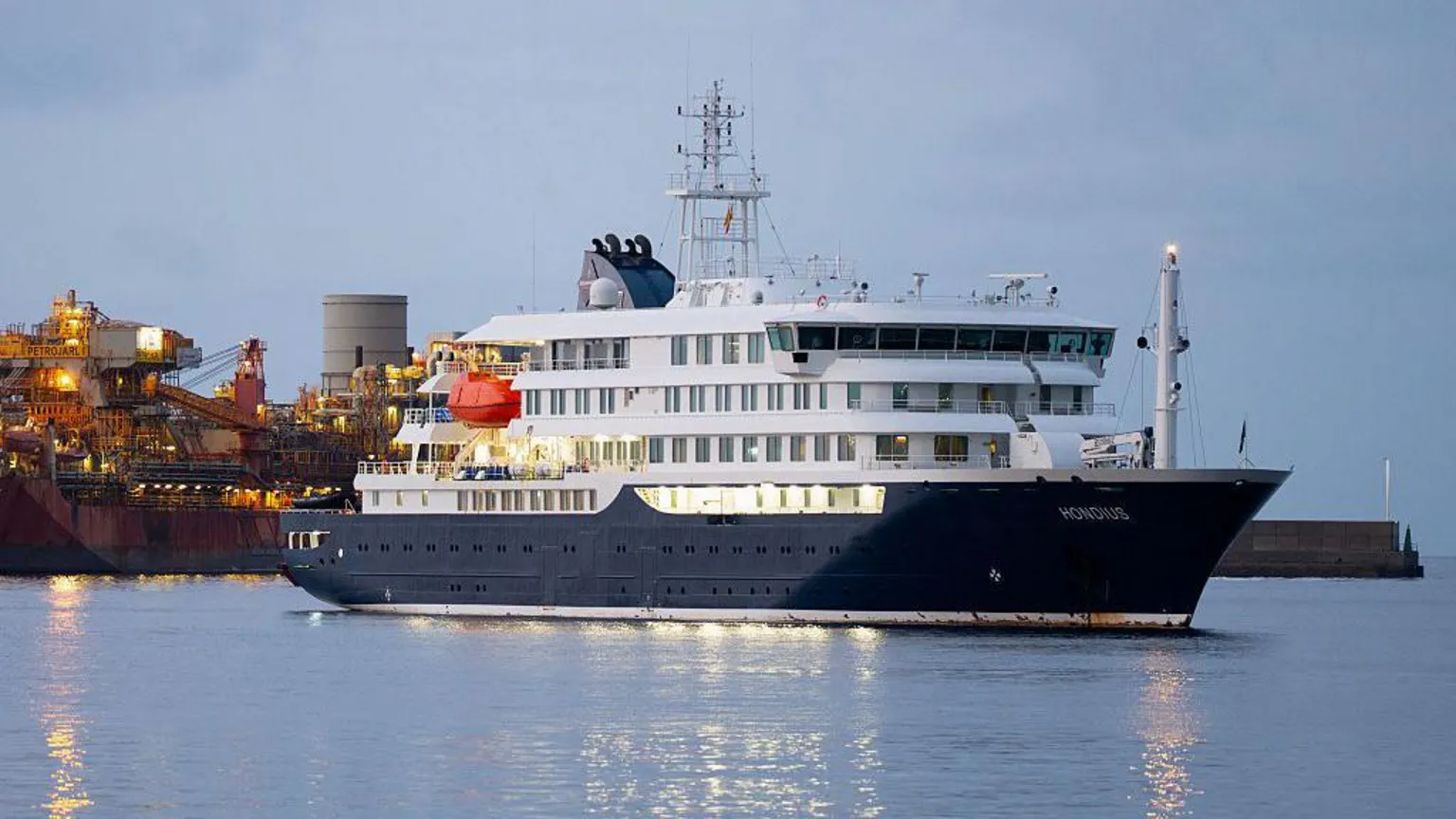
The individual disembarked from the MV Hondius, a cruise ship affected by a deadly hantavirus outbreak, in mid-April at Tristan da Cunha, Britain's most remote inhabited overseas territory, where he resides.
He began exhibiting symptoms two weeks after leaving the vessel and is currently in stable condition while isolating. To date, six cases of hantavirus have been confirmed, including two other British nationals receiving treatment off the ship.
Oxygen supplies were also air-dropped by an RAF A400M aircraft on Saturday, as the island's medical resources were reported to be at a "critical level," according to the Ministry of Defence (MoD).
MV Hondius Arrives in Tenerife Amid Outbreak
Nearly a month after the first death aboard the MV Hondius, the vessel has arrived in Tenerife, where arrangements are underway to disembark over 100 passengers for repatriation.
Three fatalities have been reported in the outbreak, two of which were confirmed to be caused by hantavirus.
Understanding the Hantavirus Outbreak
Hantaviruses are a group of viruses transmitted by rodents. While most hantaviruses do not spread from person to person, the Andes strain—identified among several individuals aboard the Dutch cruise ship—does have this capability.
The British man living on Tristan da Cunha left the MV Hondius on 14 April, according to the World Health Organization (WHO).
He reported diarrhoea on 28 April and developed a fever two days later. He remains in stable condition and is isolating.
Military Medical Team Parachutes onto Tristan da Cunha
A team comprising six paratroopers and two medical clinicians from the 16 Air Assault Brigade parachuted onto Tristan da Cunha, an archipelago in the South Atlantic Ocean known as one of the world's most remote islands. The team flew from RAF Brize Norton.

Two paratroopers performed tandem jumps with an intensive care nurse and an intensive care doctor, who will provide medical support to the island, which typically has a two-person medical team.
This marks the first occasion the UK military has parachuted medical personnel for humanitarian support, the MoD stated.
Official Statements on the Operation
"This extraordinary operation reflects our unwavering commitment to the people of our overseas territories and to British nationals, wherever they are. The safety and well-being of all members of the British family is our number one priority." – Foreign Secretary Yvette Cooper
Tristan da Cunha, with a population of 221, lacks an airstrip and is accessible only by boat. The MoD noted that average winds often exceed 25 mph, creating challenging conditions for the paratroopers.
"There have been incredibly challenging circumstances. I want to pay a huge tribute to our brave personnel for carrying out their task with the utmost professionalism and composure under pressure." – Minister for the Armed Forces Al Carns
Current Status of Hantavirus Cases
The WHO has confirmed six cases of hantavirus and two suspected cases, including the British man on Tristan da Cunha.
Two British nationals with confirmed hantavirus infections are receiving treatment in the Netherlands and South Africa.
No other British nationals remaining aboard the MV Hondius are reporting symptoms; however, they continue to be monitored by the UK Health Security Agency (UKHSA).
Meanwhile, two British citizens who disembarked at St Helena on 24 April, prior to the confirmation of the first hantavirus case, are voluntarily self-isolating in the UK.
The remaining 22 British passengers are scheduled to fly home from Tenerife on a charter flight.
Upon arrival, they will be taken to Arrowe Park Hospital in Wirral, Merseyside, where they will isolate for 45 days. The UKHSA will monitor and test them as necessary.
The MoD has stated that the risk to the general public remains very low.


