

Severe Infection After Stepping on Dog Biscuit
A woman diagnosed with Type 1 diabetes at the age of seven has shared her experience of how stepping on a dog biscuit resulted in the amputation of her right leg.
Jayme Stephen, 39, noticed a dent on the sole of her foot caused by the dog biscuit. Within days, she experienced intense pain and swelling that caused her foot to triple in size.
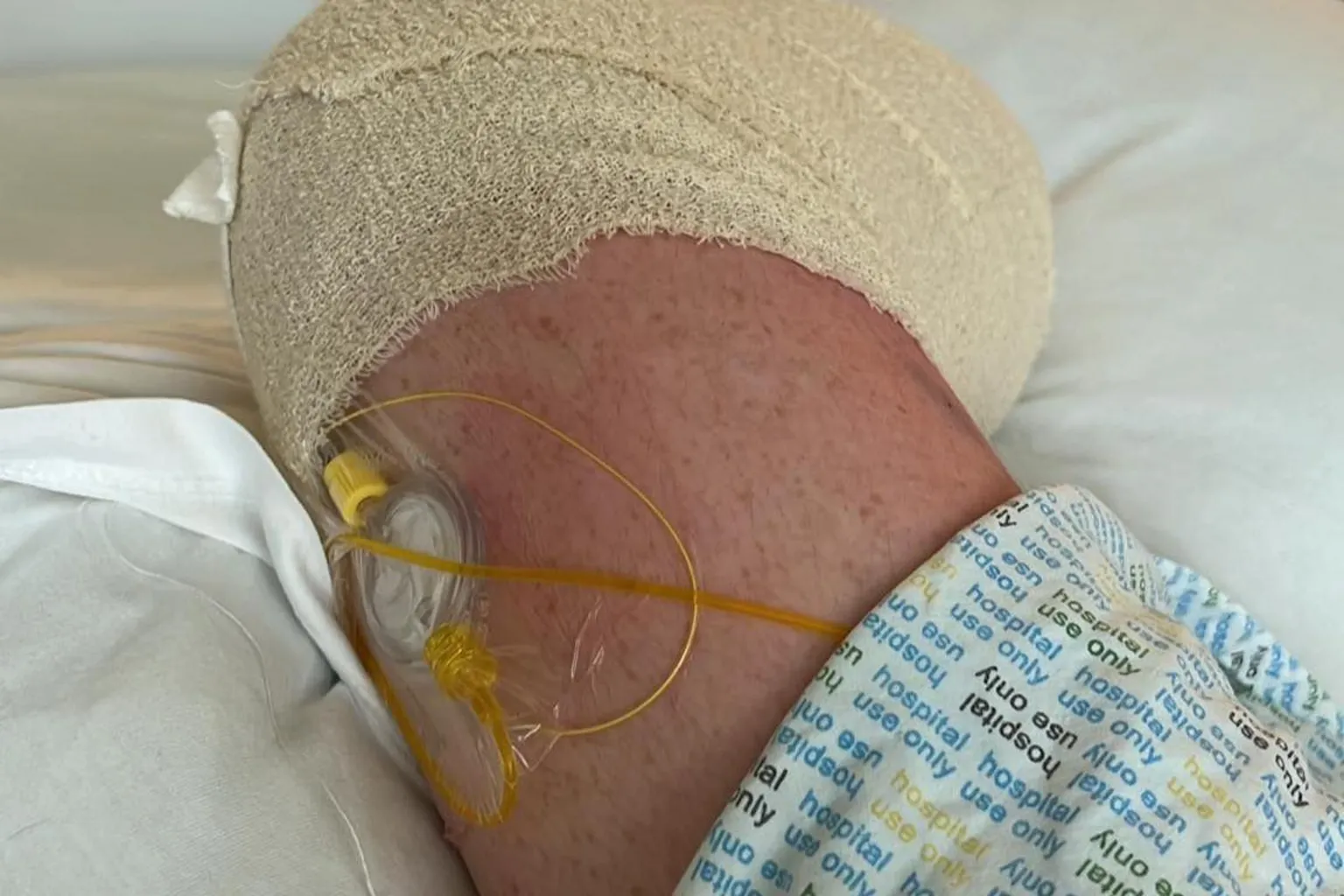
She was diagnosed with sepsis, a rapidly spreading infection, and was urgently admitted to hospital. Over five days, Jayme underwent three major surgeries to save her life, which ultimately led to the loss of her leg.
Jayme, who enjoys kayaking and outdoor activities, expressed that she had long felt that her diabetes was gradually taking a toll on her health. Now, as an amputee, she is determined to reclaim an adventurous lifestyle.
Hospital Treatment and Life-Changing Surgery
In October 2024, Jayme from New Pitsligo was transported by ambulance to Aberdeen Royal Infirmary, where she was immediately taken into surgery.
The medical team initially removed all dead tissue from her foot to evaluate the extent of the damage.
A second operation involved opening the sole of her foot from top to bottom to conduct a thorough examination, revealing that most of the nerves had died.
Upon regaining consciousness, Jayme anticipated the grave news before the surgeon spoke.
"When they first took me down to the theatre, they didn't know what was going to transpire and neither did I.
But the second time I came around and they explained the situation I knew I was going to lose my leg.
Before the surgeon could speak I told him: 'You are going to take my leg aren't you?' and he said 'Yes... I'm sorry Jayme but we have to cut off your foot. It is life or death.'
They could see how quick the infection was spreading and had my leg amputated in less than an hour."
Diabetes and Amputation Risks
Diabetes is a leading cause of lower limb amputations in adults. According to the charity Diabetes UK, the condition results in more than 180 amputations each week.

Having lived with Type 1 diabetes since childhood, Jayme was aware that amputation was a potential risk but never anticipated it would happen to her.
She began losing sensation in both legs about ten years ago but had not encountered serious complications until the week she developed sepsis.
During this period, Jayme also struggled with the psychological burden of managing her illness.
"I was in such a bad way with my anxiety, every time I went near the front door I just wanted the world to swallow me up.
It got to the point where I couldn't leave my bed.
I used to be a person who loved the outdoors, canoeing, kayaking and white water rafting to where I am now and I just want to get back to that."
Adjusting to a New Reality
Unaware that her life would change so drastically a decade later, Jayme faced new challenges with resilience and a renewed perspective.
"I was one of those people who thought I was untouchable, but look at me now.
But once I lost my leg and realised life goes on and how precious that is - I thought 'I have to at least try.'
I actually ended up buying myself a canoe after I lost my leg because all I want to do is get back to outdoor activities," she said.

Her 19-month recovery journey has included adapting to life as a full-time wheelchair user while escaping a toxic relationship.
As she works toward a more active lifestyle, Jayme faces challenges related to public perception and treatment as a wheelchair user.
"I can't deal with people feeling sorry for me, and it is difficult when strangers just stop and stare at me.
I may have lost my leg but I am still a person. I would rather people just ask if it is okay to ask me what happened.
Don't make me feel uncomfortable because you are uneducated."
Raising Awareness About Diabetes and Foot Care
Jayme emphasizes the importance of awareness among people with diabetes regarding the risks of seemingly minor injuries and how quickly they can escalate.
"You don't know how your body will react to a trauma like that.
Don't leave it to chance. It was always a risk I was aware of but I never thought it would happen to me."
Jenn Hall, National Director at Diabetes Scotland, explained that minor foot issues can develop into ulcers, infections, and in severe cases, amputations for individuals with diabetes.
This is due to long-term high blood sugar levels damaging blood vessels that supply nerves to the feet.
"Most foot problems can be prevented by taking care of your feet, checking them regularly, and having them checked as part of your annual diabetes review.
It's vital that all people living with diabetes know how to look after their feet and look out for the signs of foot problems.
It's also crucial that people with diabetes know how important it is to seek medical attention if they spot any signs of foot problems.
Fast access to a footcare team is vital for reducing amputations."


