

Life-Altering Diagnosis
When Patrick Malone received a diagnosis of a rare and incurable cancer in May 2024, he said that "absolutely every aspect" of his life changed immediately.
"It was heartbreaking and very scary because you realise fairly quickly that it's terminal and the prognosis is suspect,"
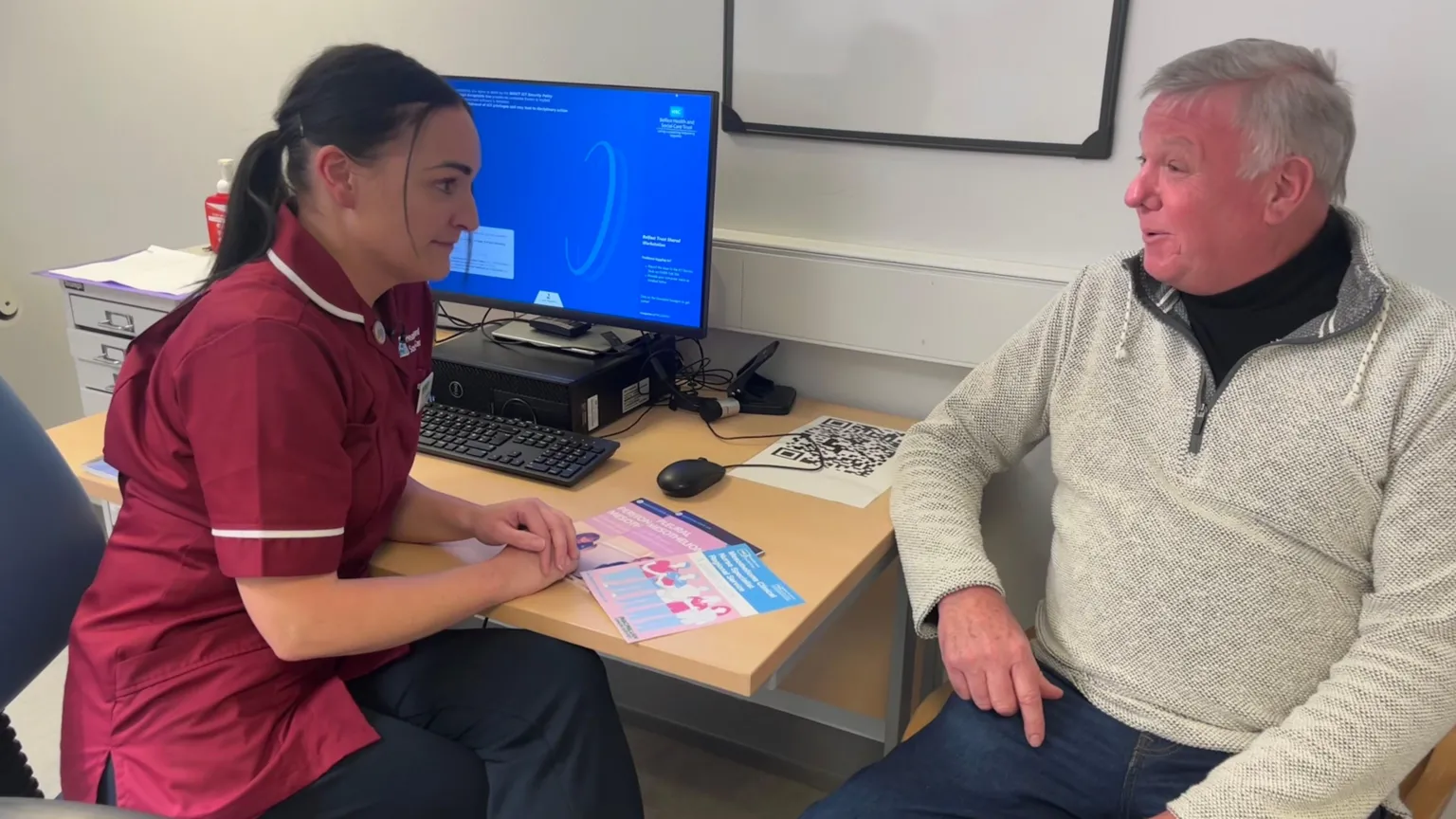
Nearly two years later, Patrick describes a newly established support service for mesothelioma patients as "invaluable" for both himself and his family in coping with the diagnosis.
Thanks to access to immunotherapy treatment, the 66-year-old’s cancer has diminished and stabilized, which he says "buys me a lot of time."
Understanding Mesothelioma and Support Services
Mesothelioma is commonly linked to asbestos exposure. Although there is no cure, early involvement of specialist nursing and coordinated care can significantly improve patient outcomes.
"It's something Patrick said was 'a big plus point at the time when there really wasn't any plus points'."
"Nobody will realise how good [the service] is until maybe they either get cancer or know somebody that has it," he added. "And then it becomes apparent and very much needs to be built into your new life living with the disease."
A retired civil servant, Patrick noted that he never worked directly with asbestos during his career. However, he recalled a particular government building where he frequently accessed a "really dusty and really murky" basement used for file storage.
That building was eventually closed after asbestos was discovered.
Asbestos use in construction was banned entirely in 1999, reducing current exposure risks, but many older buildings still contain asbestos materials.
"I assume my time there has exposed me to asbestos dust on more than one occasion," Patrick said.
He has filed a compensation claim but finds it difficult to accept that performing his job "most likely" led to his cancer diagnosis.
Specialist Nursing and Regional Support
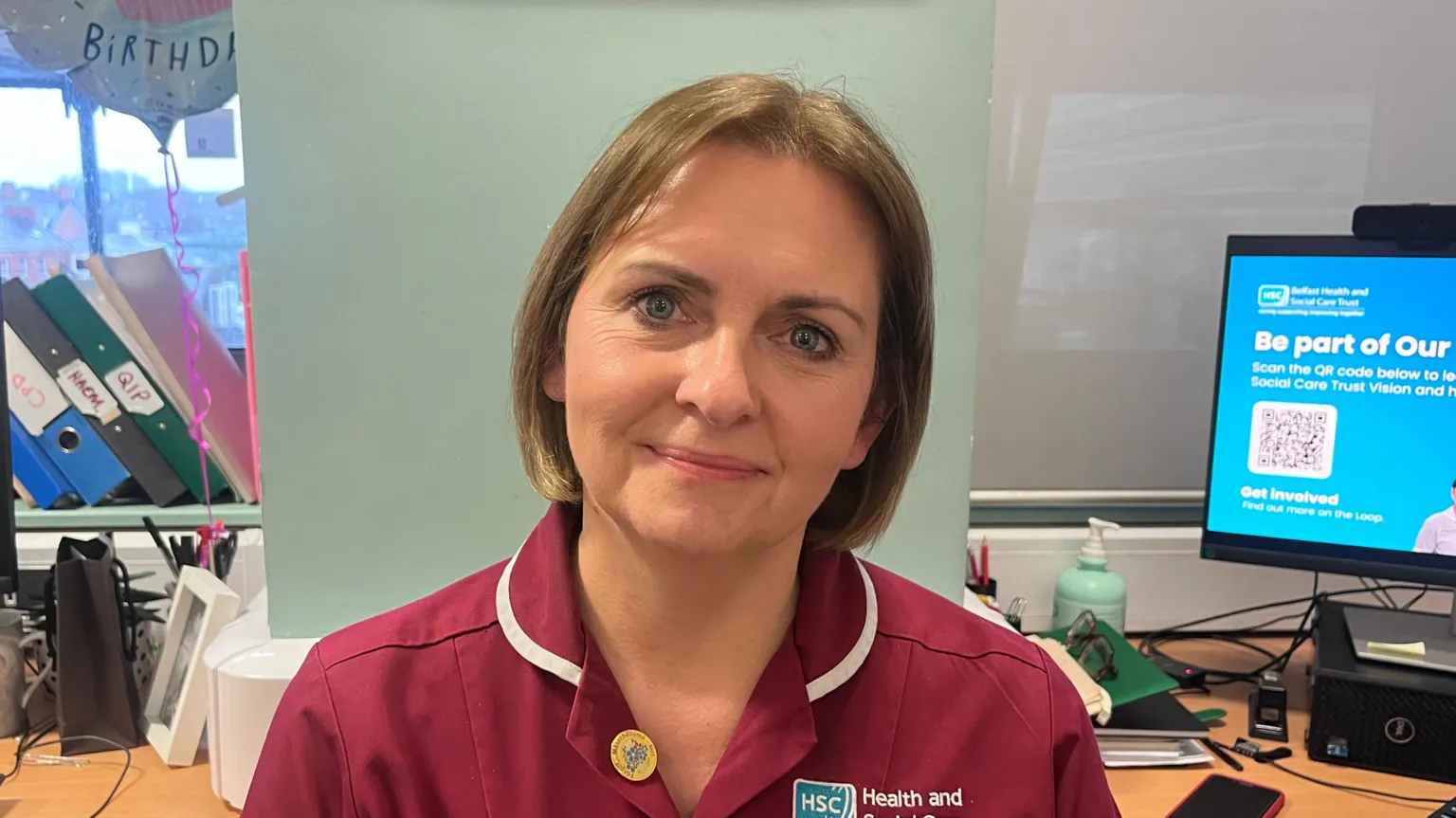
Carol Johnston, one of only two mesothelioma clinical nurse specialists in Northern Ireland, explained that the long latency period between asbestos exposure and diagnosis can be difficult for patients to accept, as many may have contracted mesothelioma through routine work decades earlier.
"It can feel like a late diagnosis, but it's not - it's just prolonged in how it behaves and how it presents itself," she said.
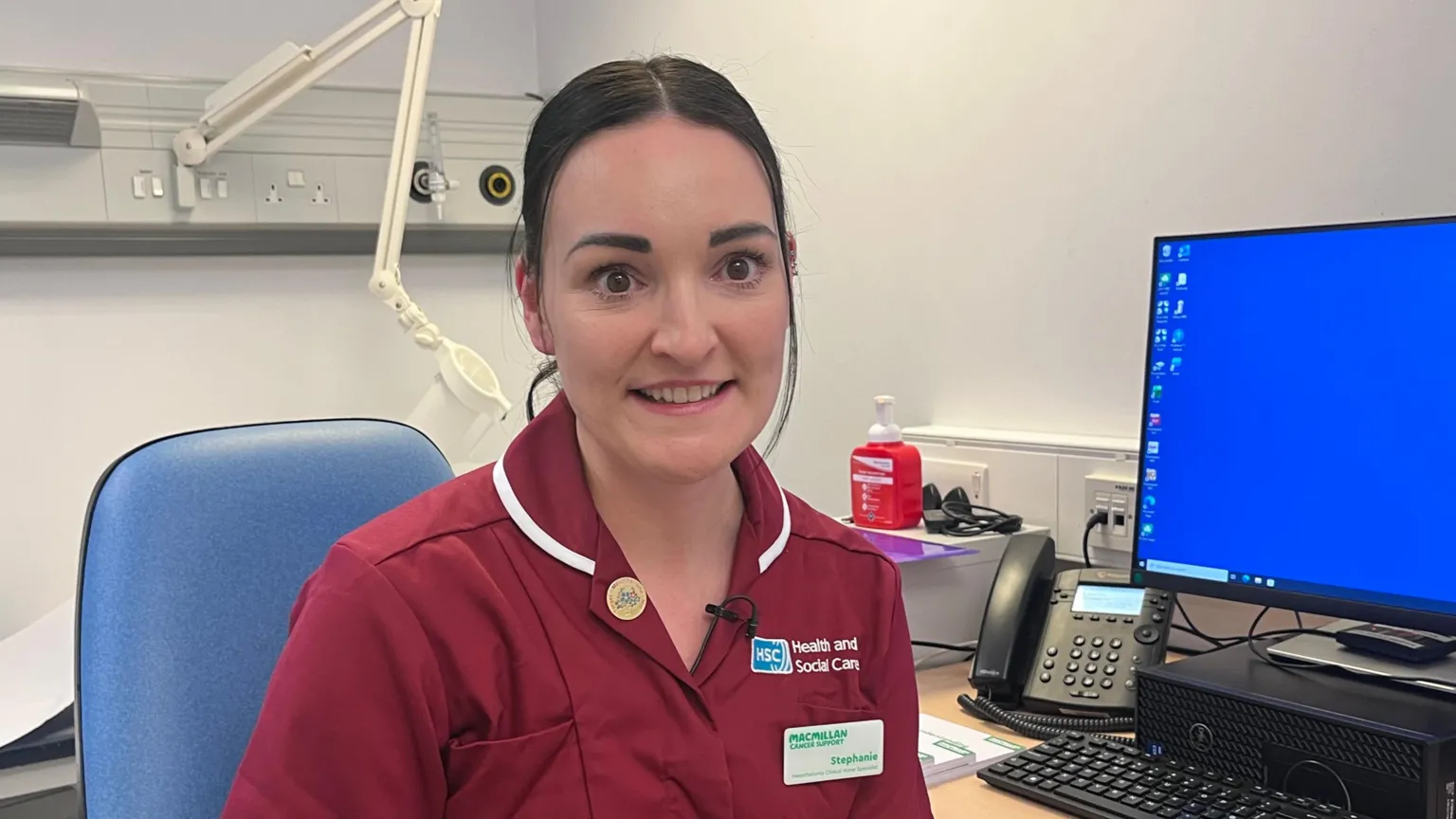
Johnston collaborates with Stephanie Todd to deliver regional support services offering specialist clinical advice, emotional support, and practical information to patients and their families.
The service, launched in September 2024, aligns Northern Ireland’s care with that available throughout the UK.

Since its inception, it has received over 60 referrals from across the region for patients like Patrick.
Patrick described the service as an "open door" providing help and reassurance.
"I'm fortunate that, even though I've got this disease, I'm getting the very best of treatment, the very best of care," he said.
Previously, mesothelioma patients often fell under other specialties or faced prolonged diagnostic pathways. Stephanie Todd emphasized that this, combined with the profound impact of the diagnosis, underscores the necessity of a dedicated service.
As mesothelioma is a terminal illness, Carol Johnston noted that palliative care begins at diagnosis and continues through end of life. Having a designated nurse allows for more personalized support.
"The palliative aspect means that we are managing symptoms and supporting patients and providing a service that we can help them have a quality of life - that they can live as well as possible for as long as possible by whatever way that is," she explained.
In addition to emotional support, the specialist nurses assist patients in navigating treatment plans, completing forms, obtaining travel insurance, and understanding scan results.
Origins of the Support Initiative
The initiative is operated by the charity Mesothelioma UK, which began its work in Northern Ireland after contact from the Rodgers family, who lost their father Tony to mesothelioma on New Year's Day 2022.
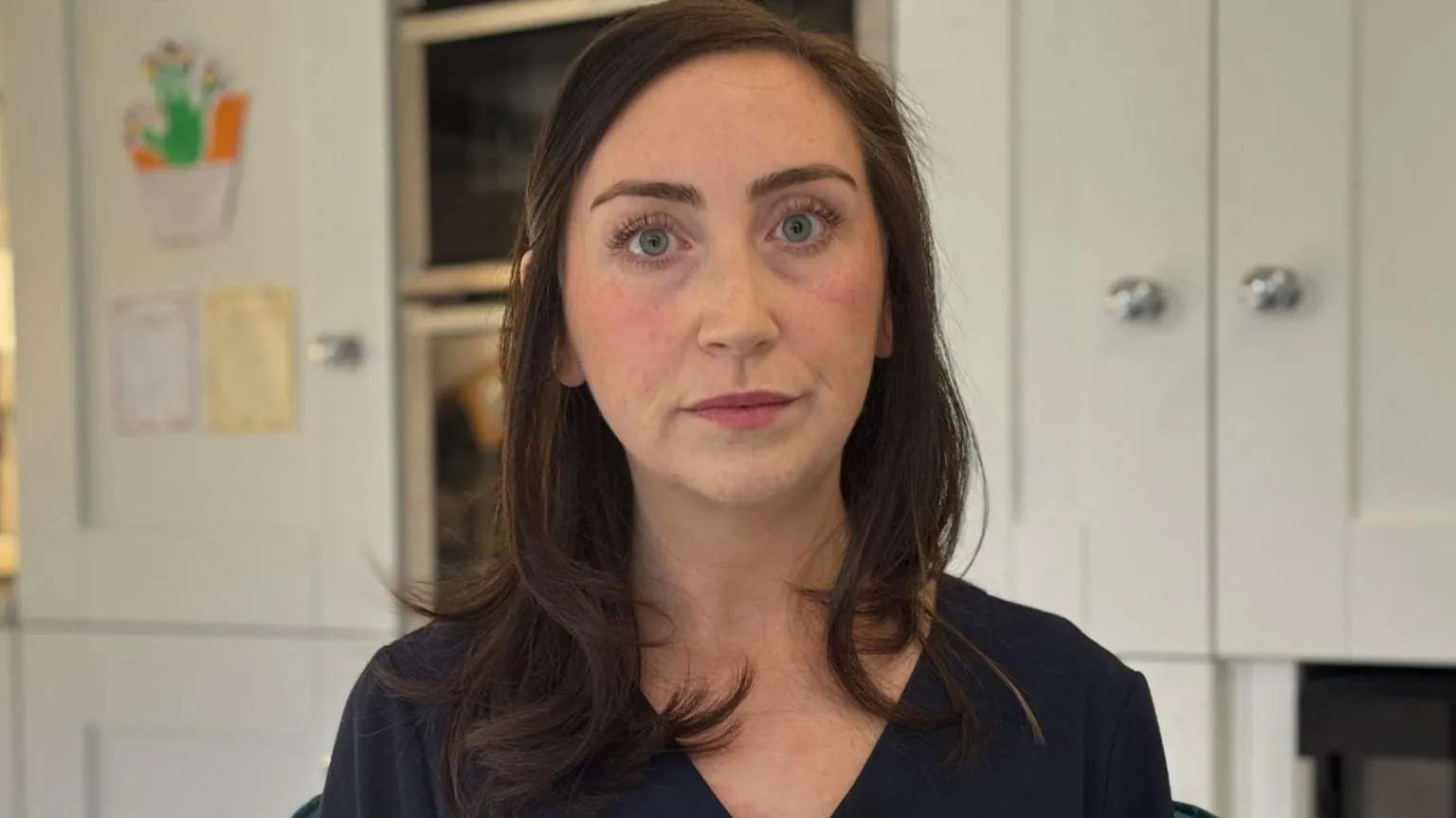
Niamh Rodgers described the clinical nurse specialists as "invaluable" to patients and families, highlighting that the service introduces a new level of care and expertise for mesothelioma patients.
"We are very proud of what we have achieved and the stage that we are at," she said.
"It is something that we could only have dreamt of four years ago whenever daddy passed away.
We know that he'd be very proud of what we have achieved."
What is Mesothelioma?
Mesothelioma is an incurable cancer that develops in the lining covering the outer surface of some internal organs, according to the NHS.
It is typically linked to asbestos exposure and usually manifests more than 20 years after contact.
Mesothelioma primarily affects the lining of the lungs but can also involve the lining of the stomach, heart, or testicles.
The UK has the highest incidence of mesothelioma worldwide, with approximately 2,700 diagnoses annually, including about 50 cases in Northern Ireland.


