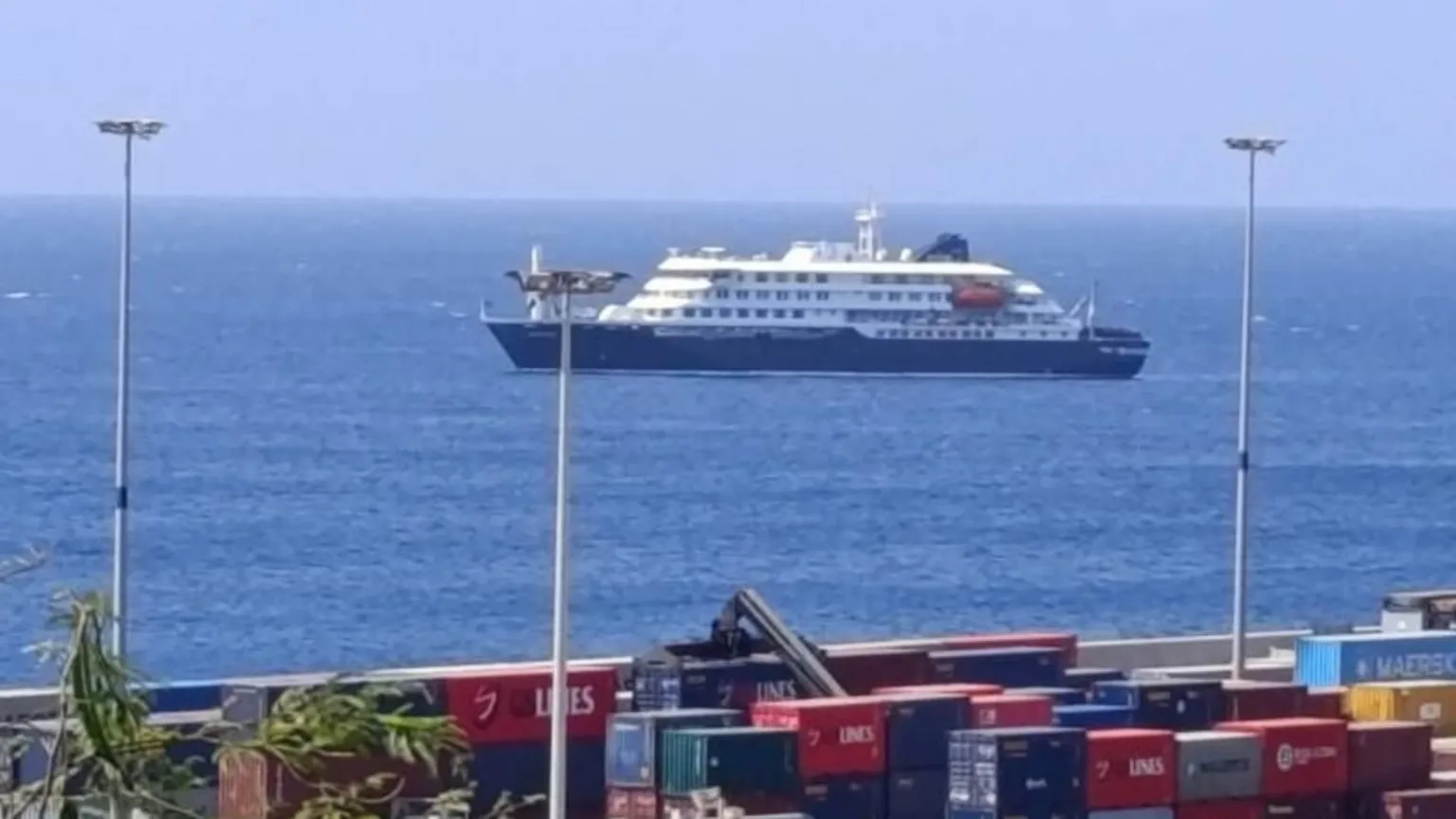
MV Hondius Approaches Tenerife Amid Hantavirus Concerns
Nearly a month after the first passenger succumbed to hantavirus aboard the MV Hondius cruise ship, the vessel is now nearing Tenerife in the Canary Islands. Intensive preparations have been underway at the port of Granadilla to safely receive over 100 passengers and crew members for repatriation.
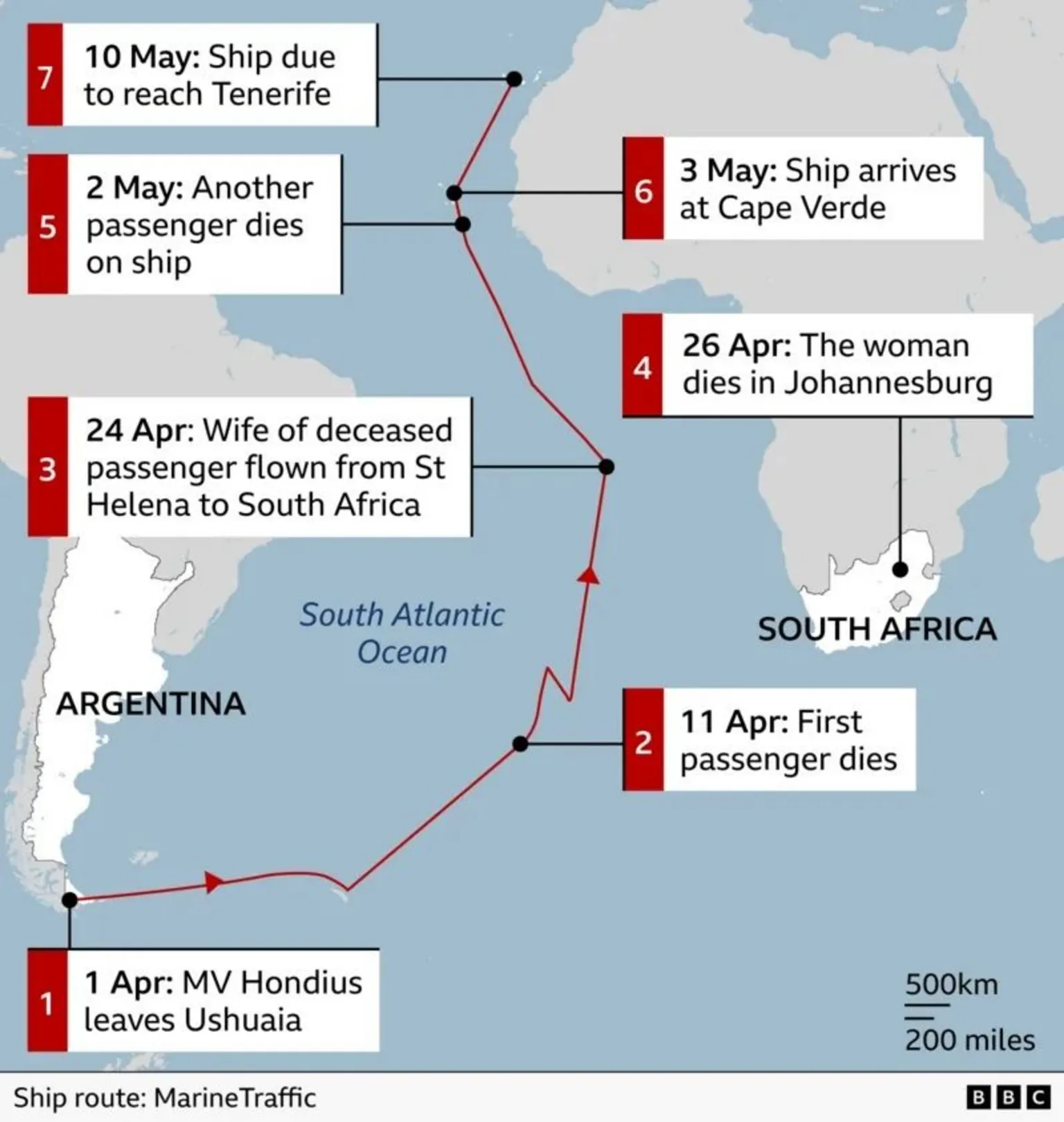
The Hondius is expected to arrive before dawn but will not be allowed to dock directly. Authorities will enforce a security perimeter of one nautical mile around the ship as it approaches the island. Upon arrival, the ship will anchor offshore to maintain isolation.
Spain's health minister has described the operation to contain the rare Andes strain of hantavirus as "unprecedented." The response involves coordination among 23 countries and has been meticulously planned to ensure maximum safety and address concerns from local residents, including the president of the Canary Islands, who stated he "won't be calm" until all passengers and crew have disembarked.
Health Officials Address Public Concerns
"The risk of contagion for the general population is low," health minister Mónica García reiterated on Saturday.
"We believe that alarmism, misinformation and confusion are contrary to the basic principles of preserving public health."
Security measures at the port, an industrial facility in southern Tenerife, were significantly increased on Saturday. Spain's military police and disaster response teams have established large reception tents, and access to the waterfront has been restricted.
Once the Hondius is positioned, expected around 07:00 local time (06:00 GMT) on Sunday, medical teams will board the ship to conduct health screenings for hantavirus symptoms. Current reports indicate no additional symptomatic cases.
Passengers will be grouped by nationality and transported to shore via small boats. Charter planes are scheduled to be ready at the local airport to facilitate repatriation.
International Coordination and Medical Preparedness
Earlier on Saturday, the Spanish interior minister confirmed that the UK, US, and multiple EU member states are dispatching planes to assist. Medically equipped aircraft will be on standby to isolate any individuals requiring urgent care.
Spanish nationals will be flown to Madrid for mandatory quarantine at the Gomez Ulla military hospital. The quarantine period remains uncertain due to the virus's incubation period, which can extend up to nine weeks.

The World Health Organization (WHO) Director-General Tedros Adhanom Ghebreyesus, present in Tenerife to oversee the disembarkation, commended the authorities for their "solid and effective response" to the outbreak.
The virus has been traced to a landfill site at Argentina's southernmost tip, a location frequented by birdwatchers. Carried by rodents, the virus rarely transmits between humans; however, three cruise passengers have died.
"Your concern is legitimate, because of the experience of Covid: that trauma is still in our minds," the WHO chief acknowledged. "But the risk of wider contagion now is low because of how the virus works, and because of how the Spanish government has prepared to avoid any problem."
Hospital Readiness in Tenerife
Dozens of intensive care specialists are on standby at Tenerife's Candelaria hospital to manage any severe cases during transfer. The hospital's isolation unit includes a fully equipped bed for infectious diseases, complete with testing kits and a ventilator.

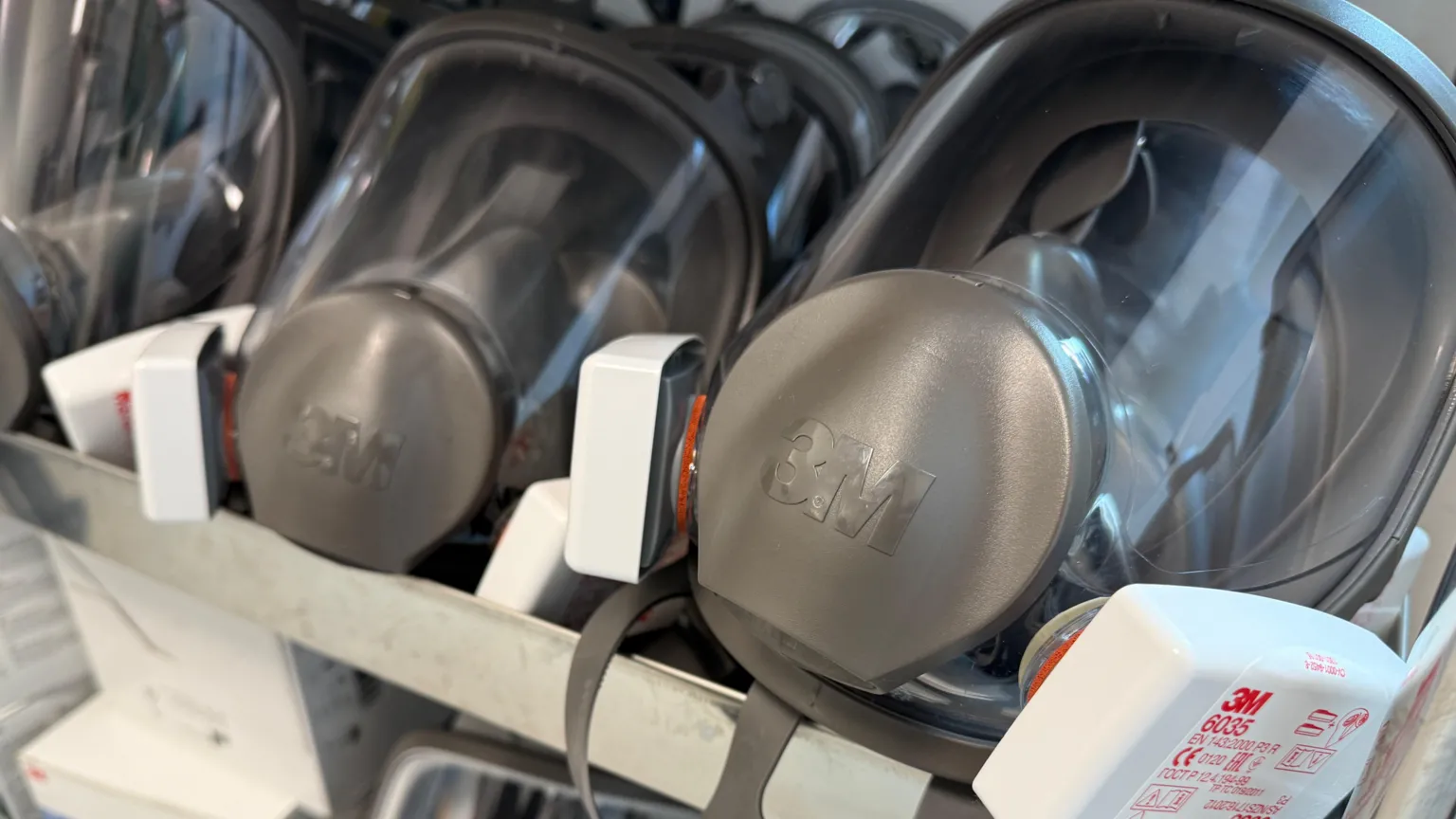
"We are absolutely ready," chief intensive care doctor Mar Martin stated. "We've never seen [hantavirus] before – but it's a virus, with some complications, just like we manage every day. We are fully trained for that."
Local Reactions and Security Measures
The decision to divert the Hondius to Tenerife sparked some local anger. On Friday, port workers protested outside the local parliament, expressing concerns that safety measures were insufficient.
However, as more information became available, tensions eased.
"The virus is dangerous, of course. But they say you need to have very close contact to get it," Jennifer, a resident of Tenerife's capital Santa Cruz, said while walking with her child. "If we're careful, we hope it's not too serious."
Some locals expressed frustration that Madrid had chosen Tenerife as the disembarkation point, viewing it as a political decision rather than a medical one. Memories of early Covid-19 reassurances also contributed to skepticism.
"If they don't come here from the ship, then we're fine," Esteban commented. "If the measures are adequate, then I don't think people here are worried," his partner Isabel added.
Disembarkation and Quarantine Plans
Not all crew members will disembark in Tenerife; approximately 30 crew will remain onboard to sail the ship back to the Netherlands. For most passengers, however, the arrival marks the end of weeks of uncertainty at sea.
Following disembarkation, passengers face extended quarantine periods due to the virus's lengthy incubation.