Designer Dogs Show Higher Rates of Problem Behaviours, Study Finds
Mixed-breed dogs such as cockapoos, labradoodles, and cavapoos are more prone to exhibiting "undesirable behaviours" compared to their purebred parent breeds, according to a recent study conducted by the Royal Veterinary College (RVC).
These "doodle" dogs, which result from crossing a poodle with another breed, have gained popularity due to their perceived ease of handling and trainability.
However, the RVC cautions that these dogs "do not always behave as expected, particularly regarding training, anxiety and aggression."
Animal welfare charity Dog's Trust emphasised that a dog's breed alone is "not a reliable indicator" of behaviour, highlighting the importance of health and socialisation factors.
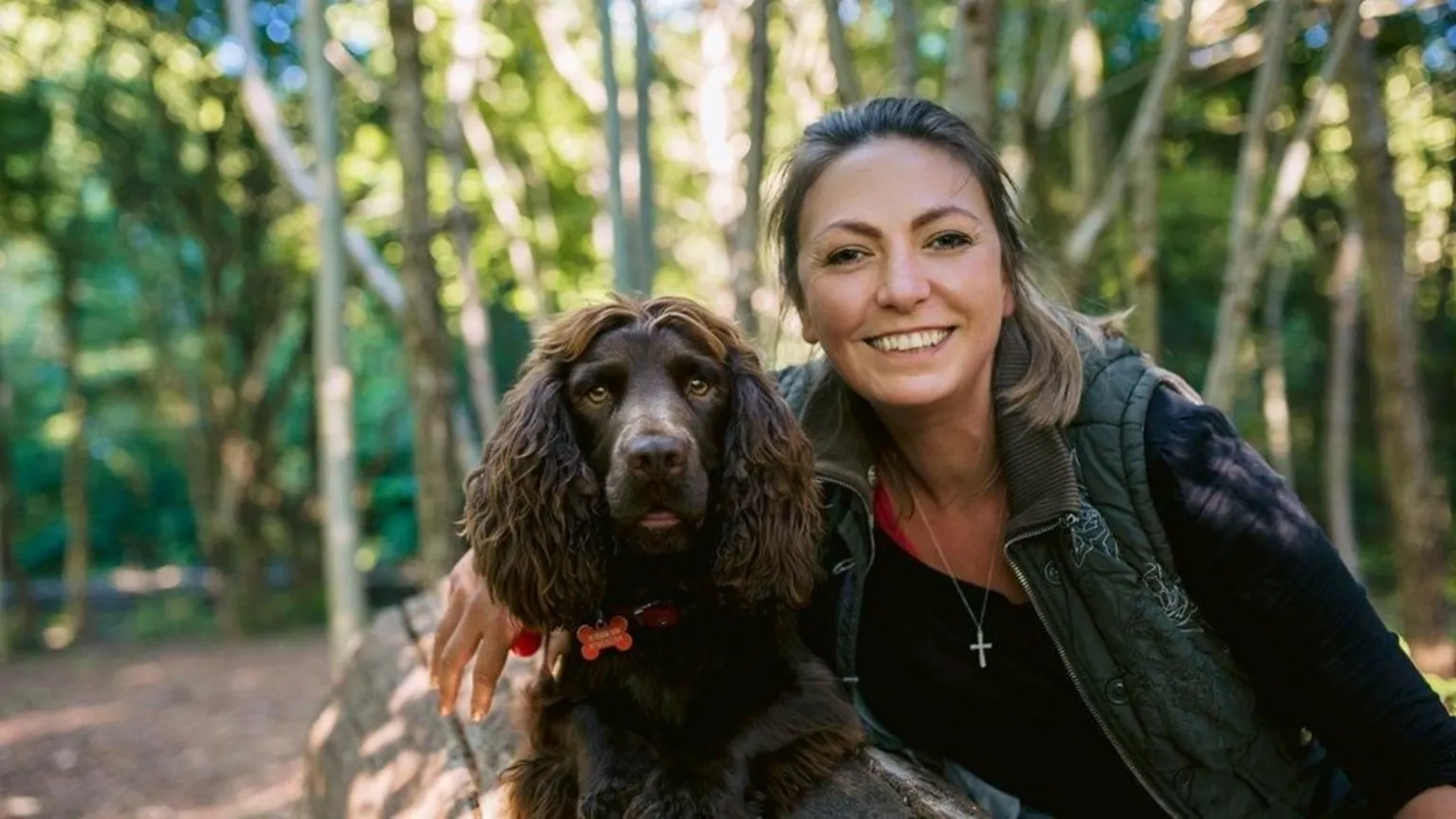
The study specifically noted that cockapoos exhibited increased aggression and rivalry towards other dogs.
RVC researchers collected valid responses from owners of 9,402 dogs across the UK through an online survey conducted between 21 February and 21 April 2023.
The study compared popular designer doodle breeds—cockapoos, labradoodles, and cavapoos—with their purebred parent breeds across various behavioural categories.
Separation Anxiety and Behavioural Differences
The findings revealed that designer doodles differed from their purebred parents in just over half of the behavioural comparisons made.
Researchers examined problem behaviours including fear of traffic or loud noises, separation-related issues, and excitability.
They found that in 82% of cases where one parent breed displayed a problem behaviour, the doodle offspring were likely to exhibit a more pronounced version of that behaviour.
Some owners reported significant challenges in training their dogs or an inability to leave them alone without issues arising.
The study noted that breeds like the cocker spaniel were originally bred for high energy, mental resilience, and intelligence to flush out game in dense woodland and grassland, traits which may become problematic in typical pet homes.
When a cocker spaniel is crossed with a poodle, these characteristics combined with the smaller size of the crossbred offspring may contribute to increased problem behaviours.
Dr Rowena Packer, senior lecturer in companion animal behaviour and welfare science at the RVC and senior author of the paper, stated:
"These aren't the kind of behaviours we want to ignore. They're not benign. Preconceived beliefs, such as the idea that designer crossbreeds are naturally easy to train or are safe with children, can have serious consequences if they aren't supported by evidence."
The study also identified differences in the profiles of owners of crossbreed versus purebred dogs.
Owners of crossbreeds were more likely to be first-time dog owners and more inclined to rely on non-professional training advice sources such as social media or friends and family.
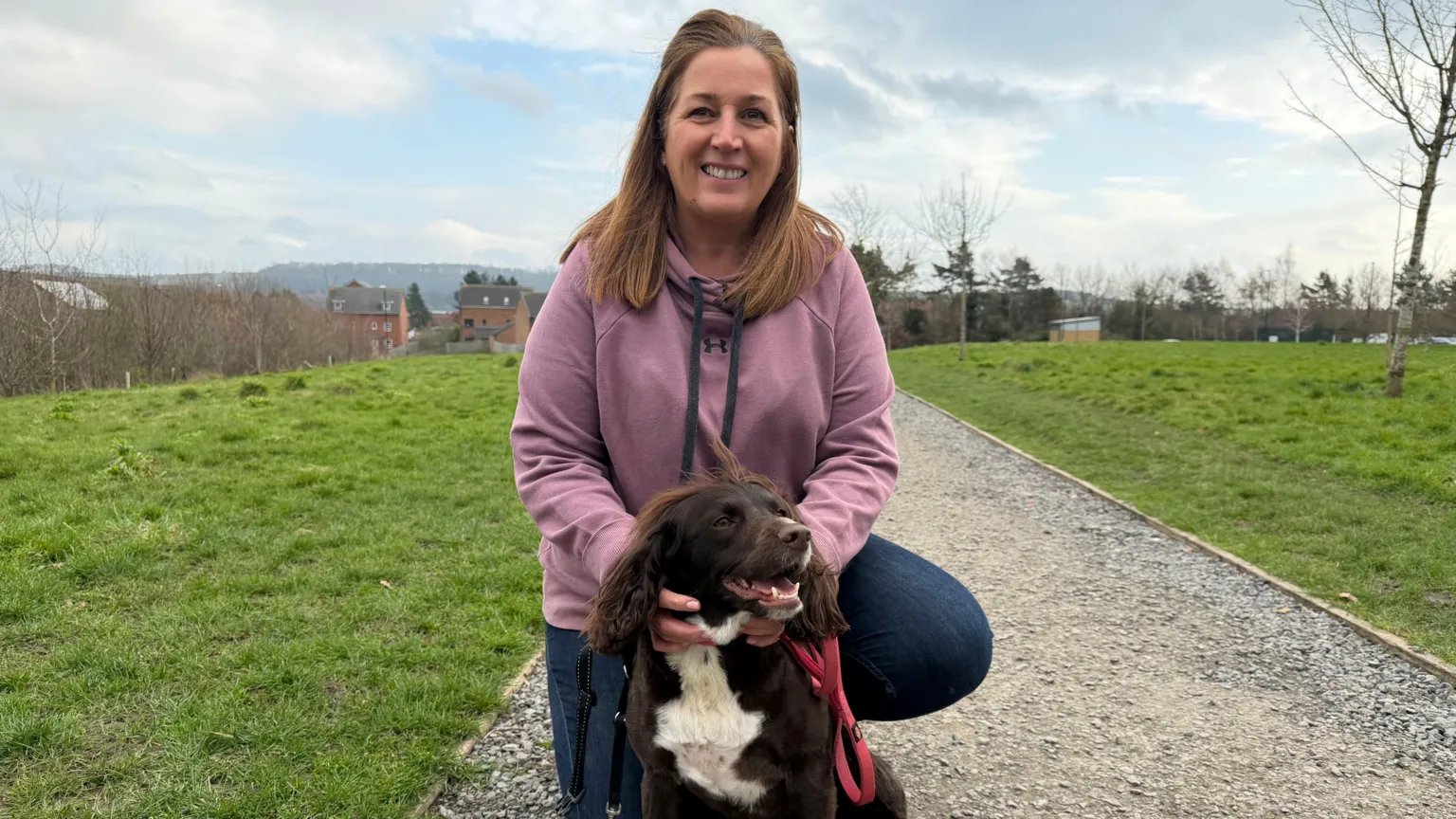
Viv Smith, from Washington in Tyne and Wear, acquired Dolly, a cockapoo, in September 2021 following the passing of her two boxers.
The 50-year-old was influenced by the rising popularity of doodle dogs and had heard they were easier to manage and train.
"I'd heard so many good reports about them... the breed was so out there, like everywhere you went,"she said.
However, Dolly soon began to display anxious and fearful behaviours that escalated into aggression, including attacks on family members such as Viv's three-year-old granddaughter.
"It hasn't just been the once or the twice. This is the third time she's actually bitten,"Smith said.
"I'm at the point now where I feel I don't trust her."
The veterinarian prescribed medication for Dolly, and Smith is seeking assistance from a behaviour specialist.

She described being extremely cautious when walking Dolly, always using a lead and head collar, but expressed ongoing concern about potential future incidents.
"My biggest fear is what's next with Dolly?"
Smith stated she would not recommend the breed, especially for families with children.
"I would never tell anyone to get a cockapoo,"she added.
"I can't promote it."
The RVC emphasised that the study underscores the importance of prospective dog owners thoroughly researching the characteristics of any breed—purebred or crossbred—before acquiring a dog.
It recommended that owners consult reliable sources such as behavioural professionals to ensure their expectations align with the breed's known personality traits.
The study also highlighted the value of prospective owners meeting the parents of any puppy they consider purchasing to observe how those dogs behave with visitors.
Influencing Factors on Dog Behaviour
Karol Watson Todd, co-director of the Cockapoo Club of Great Britain, an organisation advocating responsible breeding practices, described the study as "useful because it helps us look at dog behaviour more closely."
"But we do believe that dog behaviour is influenced by many factors, not just the breed alone,"she said.
Watson Todd stressed that responsible breeding, proper socialisation, and informed owners are "all key to making sure cockapoos continue to be the wonderful companions that so many families enjoy."
She also noted that the popularity of a breed can unfortunately attract irresponsible breeding practices in any dog type.
Dom Burke, behaviour policy officer at Dog's Trust, described the study as "interesting" but emphasised that numerous factors beyond breed influence behaviour.
"Health is a big one. Their socialisation, their experiences, what's going on around them, the environment they're in at any one time,"he said.
Burke added that a dog's behaviour can also be affected by stress experienced by its mother during pregnancy.
"As the demand for certain breeds increases, we see a lot more unscrupulous breeding going on, including really poor breeding practices and puppy smuggling,"he said.
He highlighted the importance of obtaining qualified professional behaviour support not only when behavioural issues arise but also for training and socialisation, noting that all dogs require good socialisation.
Burke further commented that while many people are aware that poodles and spaniels require significant exercise, similar considerations may not always be applied to cockapoos.
Dog behaviour expert Hannah Molloy pointed out that doodles may be prone to resource-guarding aggression due to their lineage as mixes of two retrieving breeds.
"Teaching them to share from a young age by offering swaps rather than demanding drops or taking things out of their mouths is important,"she said.
She also expressed concerns about designer crossbreeds being bred by puppy farms, which can lead to poor behaviour and health problems.
Additionally, Molloy noted that doodle coats require extensive grooming, and without it, coats can become felted and matted.
"They need a lot of grooming, or their coats become felted and matted. Dogs might be walking around in a lot of pain which will affect their behaviour."