

Pregnancy Vaccine Significantly Reduces RSV Hospital Admissions in Babies
A vaccine administered during pregnancy that protects newborns against severe chest infections is reducing hospital admissions of infants by more than 80%, according to UK health officials.
Respiratory syncytial virus (RSV) affects many infants in their first months of life, causing breathing difficulties and feeding challenges. Annually, over 20,000 babies in the UK become seriously ill and require hospital care due to RSV.
Since 2024, pregnant women have been offered an RSV vaccine from 28 weeks gestation to protect their newborns.
A recent study evaluating the vaccine's impact demonstrates it provides "excellent protection" to infants during their most vulnerable period, the UK Health Security Agency (UKHSA) reports.
RSV and Its Impact on Infants
RSV is a leading cause of hospital admissions among infants under one year old. Approximately half of all newborns contract the virus, which can range from causing mild cold-like symptoms to severe, life-threatening chest infections due to lung inflammation. Each year, a small number of infants die from RSV complications.
Dr Conall Watson, national programme lead for RSV at UKHSA, explains the severity of the infection in infants:
"In babies with bad infections you can see their chest and lungs struggling, as they try to pull enough oxygen in. This is very, very frightening as a parent, frightening with good reason."
Vaccine Introduction and Effectiveness
The vaccine was introduced in the UK in 2024 following clinical trials that showed it could enhance a pregnant woman's immune response sufficiently to transfer protection to the baby via the placenta. Consequently, infants born to vaccinated mothers receive protection from birth.
The new study reveals that when the vaccine is administered at least four weeks before delivery, it offers nearly 85% protection. Some degree of protection is still achievable if the vaccine is given later in pregnancy.

Even a two-week interval between vaccination and birth can provide protection for babies born prematurely, the study indicates.
"If you've got a longer interval between when the vaccine gets given and when baby is born, then you get even better protection," said Dr Watson. "Get it on time. But if you can't, do get vaccinated all the way through the third trimester."
Study Details and Findings
The study monitored nearly 300,000 babies born in England between September 2024 and March 2025, representing approximately 90% of all births during this period. Over 4,500 infants were admitted to hospital, with the vast majority being born to mothers who had not received the RSV vaccine.
Personal Story: Malachi's Experience
The vaccine was not available in time for Laine Lewis's son, Malachi, now 12 years old. As an infant, Malachi developed a cold that worsened significantly, leading to hospital admission where he was diagnosed with RSV and required oxygen support. Subsequently, he stopped breathing, and a scan revealed brain damage.
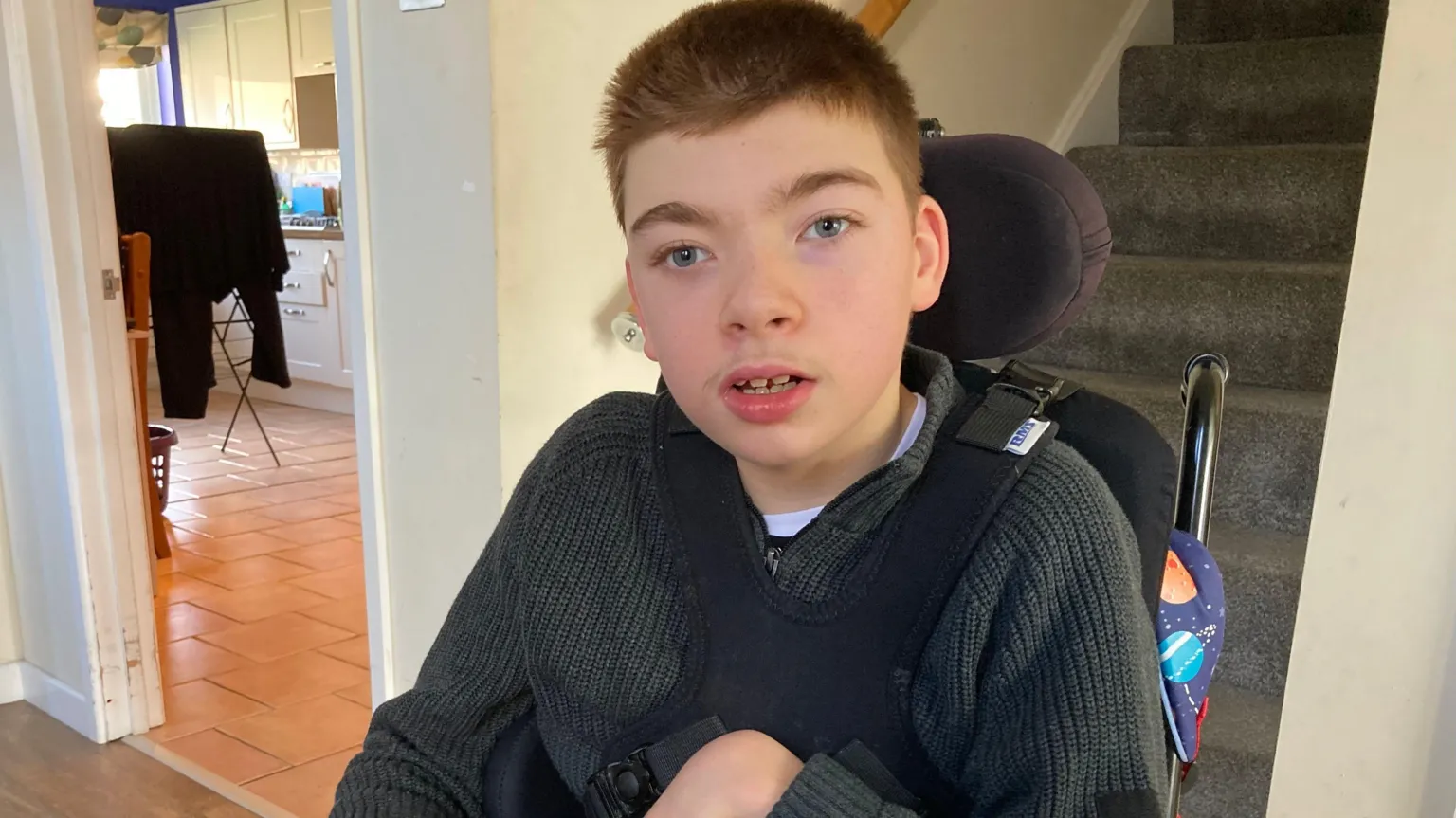
Malachi's mother emphasizes that his case is very rare and does not intend to alarm others.
"I'd encourage people to take the vaccine for RSV because it will help their child," she said.
Health Officials' Recommendations
Dr Watson highlighted the vaccine's potential to greatly enhance infant safety during the winter months.
"I would strongly encourage any pregnant woman to discuss it with their midwife, other health professionals, and be ready to have the vaccine at their week 28 appointment, or another vaccine appointment arranged soon after that."
Current data indicates that approximately 64% of pregnant women in England receive the RSV vaccine, with uptake dropping to 53% in London.
In addition to the RSV vaccine, flu and whooping cough vaccines are also recommended during pregnancy.
Furthermore, adults aged 75 or older, or those residing in care homes for older adults, are offered the RSV vaccine across the UK.


