

Innovative Urine Tests for Women's Health
Researchers are developing groundbreaking urine tests that could enable the detection of breast cancer and endometriosis from home. Within the next year, a prototype kit is expected to be available to detect early-stage breast cancer using a lateral flow urine sample.
In addition, a similar diagnostic test for endometriosis and polycystic ovary syndrome (PCOS) is under exploration, which could significantly reduce diagnostic waiting times in the future.
Advancements in Women's Health in Wales
These developments are part of ongoing progress in women's health across Wales, where women's health hubs are being established throughout the country.
Professor Luis Mur from Aberystwyth University explained that specific changes in urine samples can identify breast cancer with a high degree of accuracy. The new at-home tests are designed to complement existing diagnostic methods.
"We've found very important changes in urine to tell you've got breast cancer, and even [which] stage of breast cancer," he said.
"We're building little kits that are based on urine that actually allow you to go to your GP and have it done, or even do it at home."
Professor Mur added that the same methodology is being applied to detect endometriosis and PCOS, conditions where diagnoses are currently poor and often delayed.
The breast cancer testing kits are among several projects funded by the Welsh government's £75 million investment in women's health research, which forms part of the women's health plan.
Professor Mur noted that it may take approximately 18 months to develop the lateral flow prototypes, followed by three to five years of further testing to confirm their accuracy.

"We need to have 90% accuracy or greater, at the moment we've got it, but we need to make sure we get that with the kit itself," he explained.
Bridging Research and Clinical Practice
Dr Helen Munro, clinical lead for women's health in Wales, emphasized that one of the objectives of the Women's Health Research Centre is to expedite the translation of research findings, such as those at Aberystwyth University, into clinical practice.
"Currently there's evidence to suggest it takes 17 years for evidence to get into practice.
"But what we're doing in Wales is working really closely with our academic universities and health boards to shorten that gap," she said.
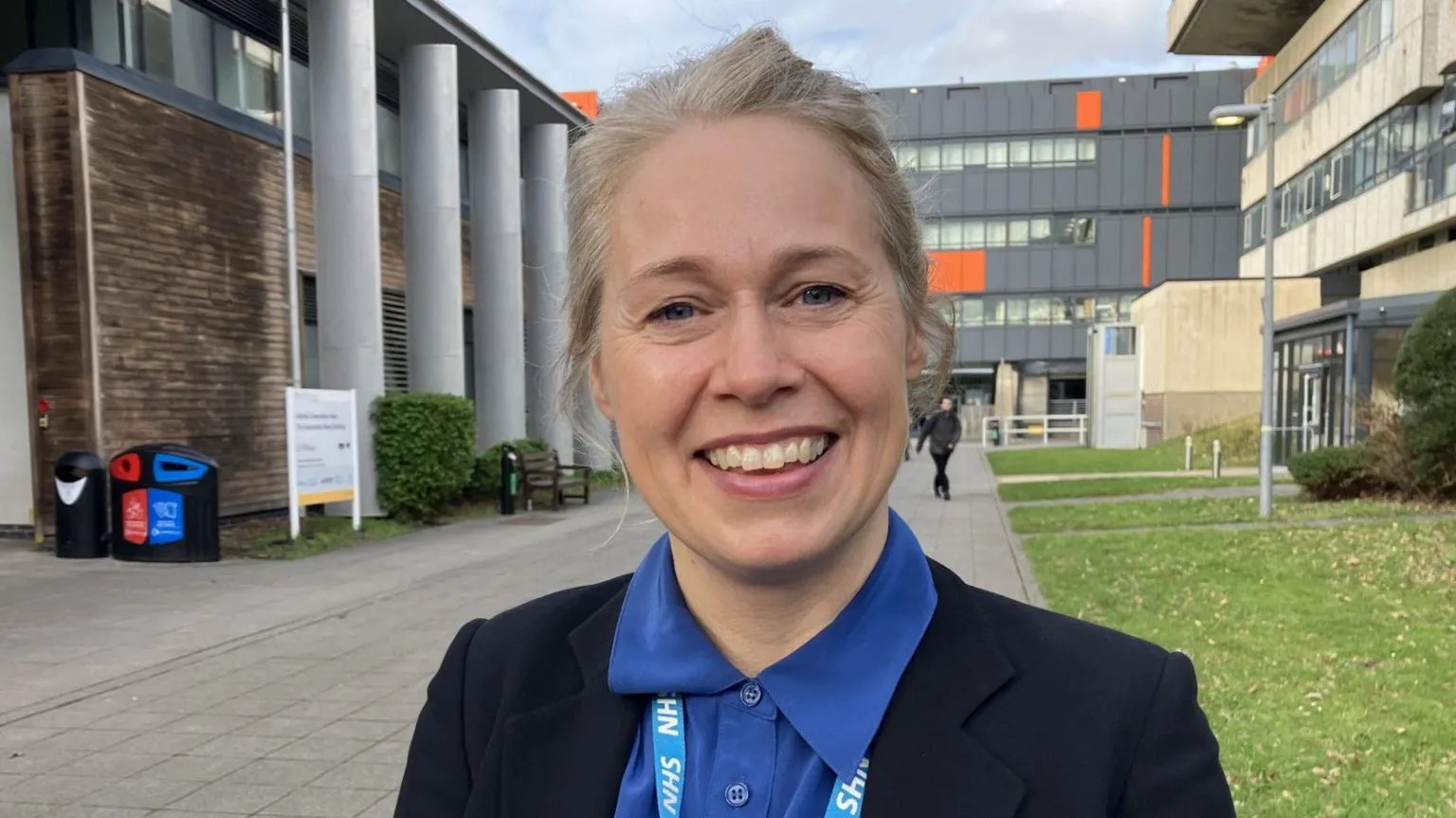
The 10-year women's health plan in Wales, published in December 2024, also outlines ambitions to establish women's health hubs within each health board.
By the end of the current month, every health board will have at least one hub serving part of their community, although Dr Munro noted that "each will look different."
Regional Implementation of Women's Health Services
In west and mid Wales, the Hywel Dda health board has divided the region into seven GP clusters, each with its own women's health service.
General practitioners in these clusters have received training to provide menopause and contraceptive care and can accept referrals from other surgeries, bringing specialist care closer to patients' homes.
"We're aiming to see a reduction in referrals into secondary care, with women referred into the hub in a timelier fashion," said Dana Scott, who leads the women's health plan for Hywel Dda.
Dr Lauren Thomas, a sexual health doctor who has been training GPs in more remote areas to fit coils and contraceptive implants, stated that ultrasound biopsies would also be accessible in each county.
"As a GP I see women wait months and months and months to see gynae [specialists] because obviously the secondary care service has to prioritise suspected cancer cases.
"Women are left with pelvic pain or [with] endometriosis waiting a long time for discussions, investigations and treatments that they could access in a community-based clinic, and hopefully we'll be able to bring that to women moving forward."
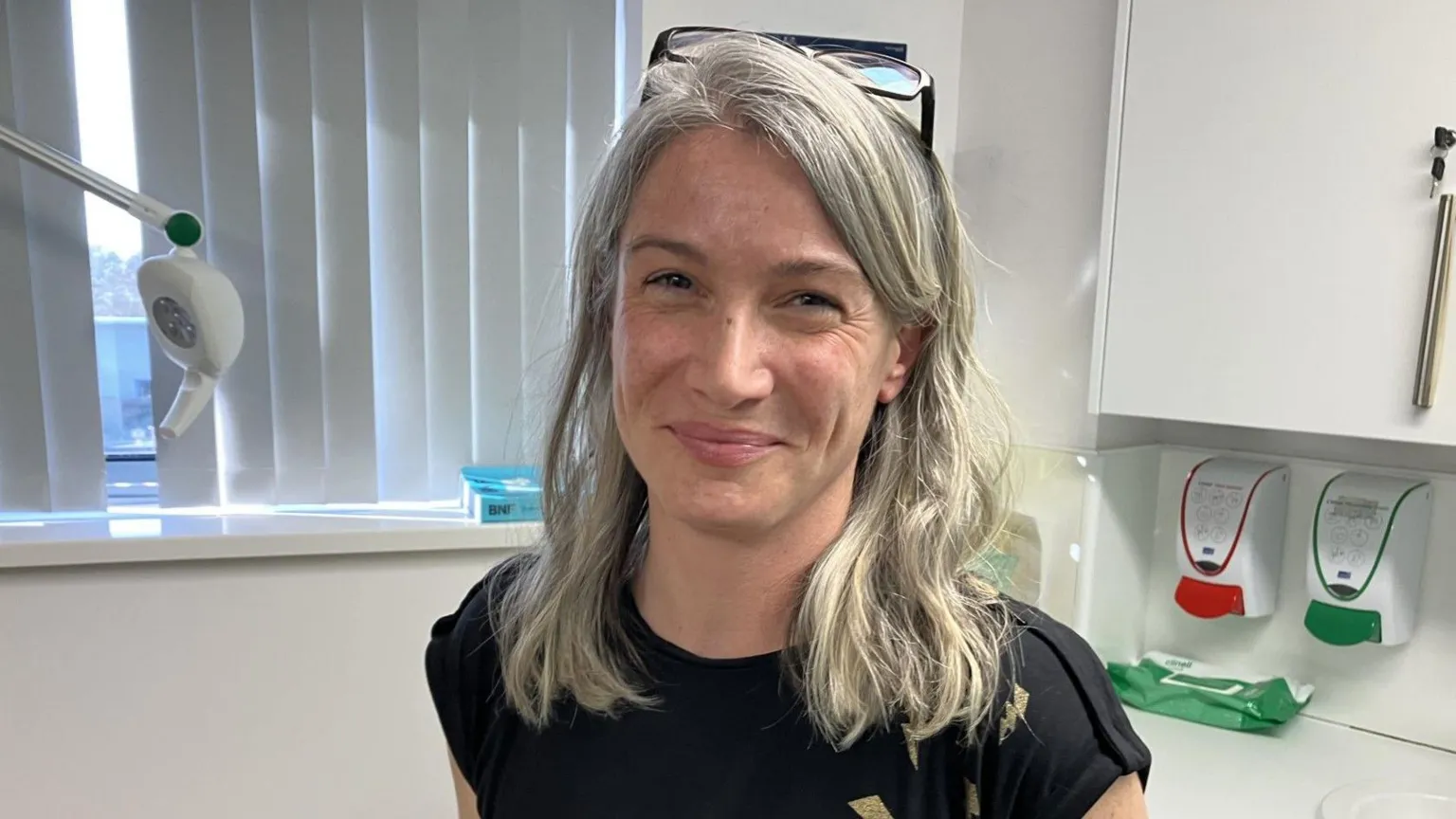
Dr Munro explained that although the hubs will vary across health boards, all have been tasked with delivering on three priority areas: menopause care, contraception, and pelvic health.
Sarah Murphy MS, the minister responsible for women's health, acknowledged that each health board is "starting from different places."
"They're trying to fill in the gaps, breaking down the barriers for each of those locations and communities.
"But as we go forward there'll be an evaluation and we'll spread that good practice across Wales."


