

Mother Supports Assisted Dying Law to Avoid Son Dying Abroad
The mother of a terminally ill teenager has expressed her support for an assisted dying law in the UK, aiming to prevent her son from having to travel abroad to end his life.
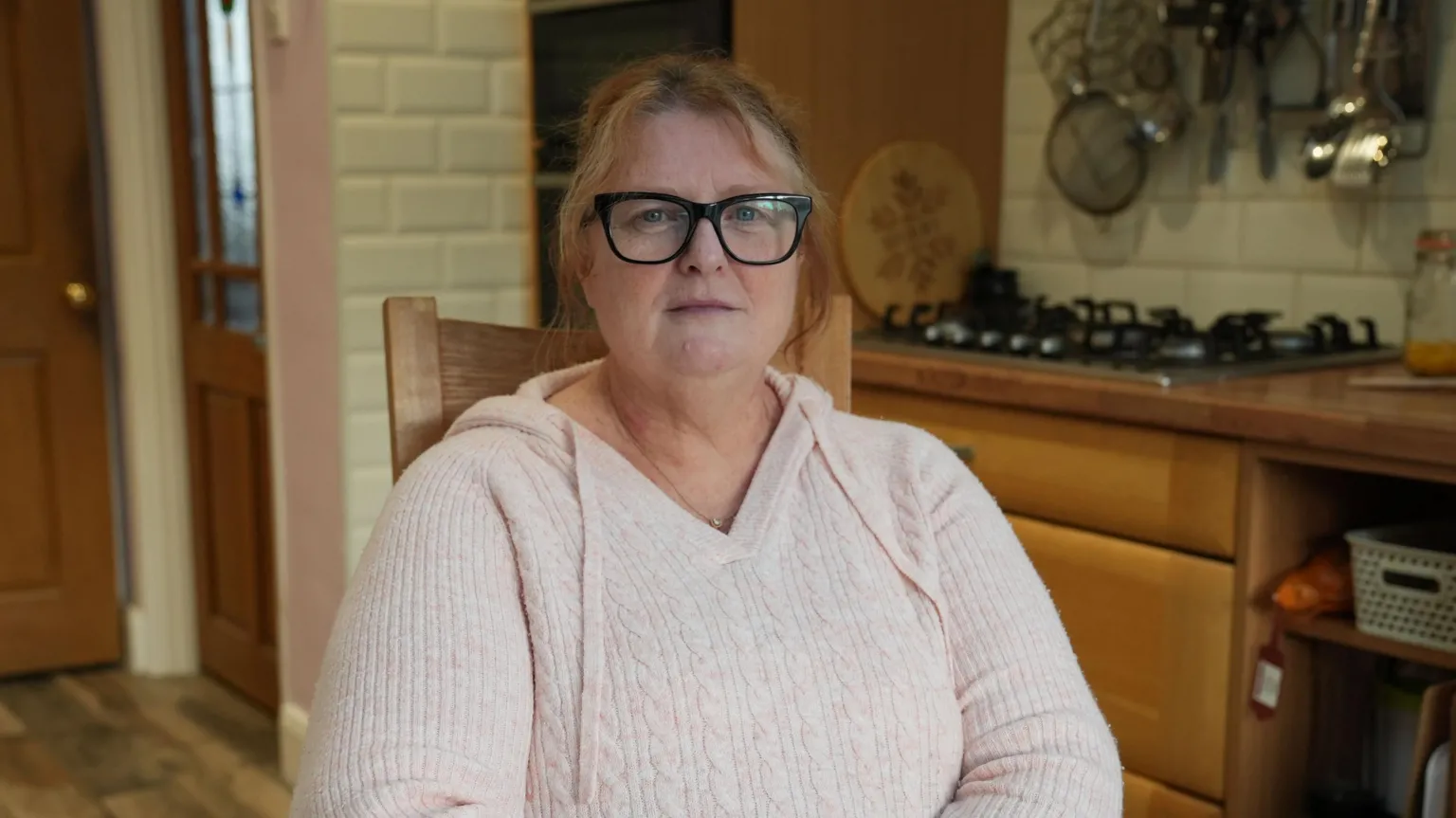
Shelley Herniman, initially opposed to her 19-year-old son Noah’s wish for assisted death following his diagnosis with an inoperable brain tumour, has changed her perspective after witnessing his prolonged suffering through chemotherapy.
"I brought him into the world and I don't want to take him out of it - but I sure as hell don't want to see him suffer," she said.
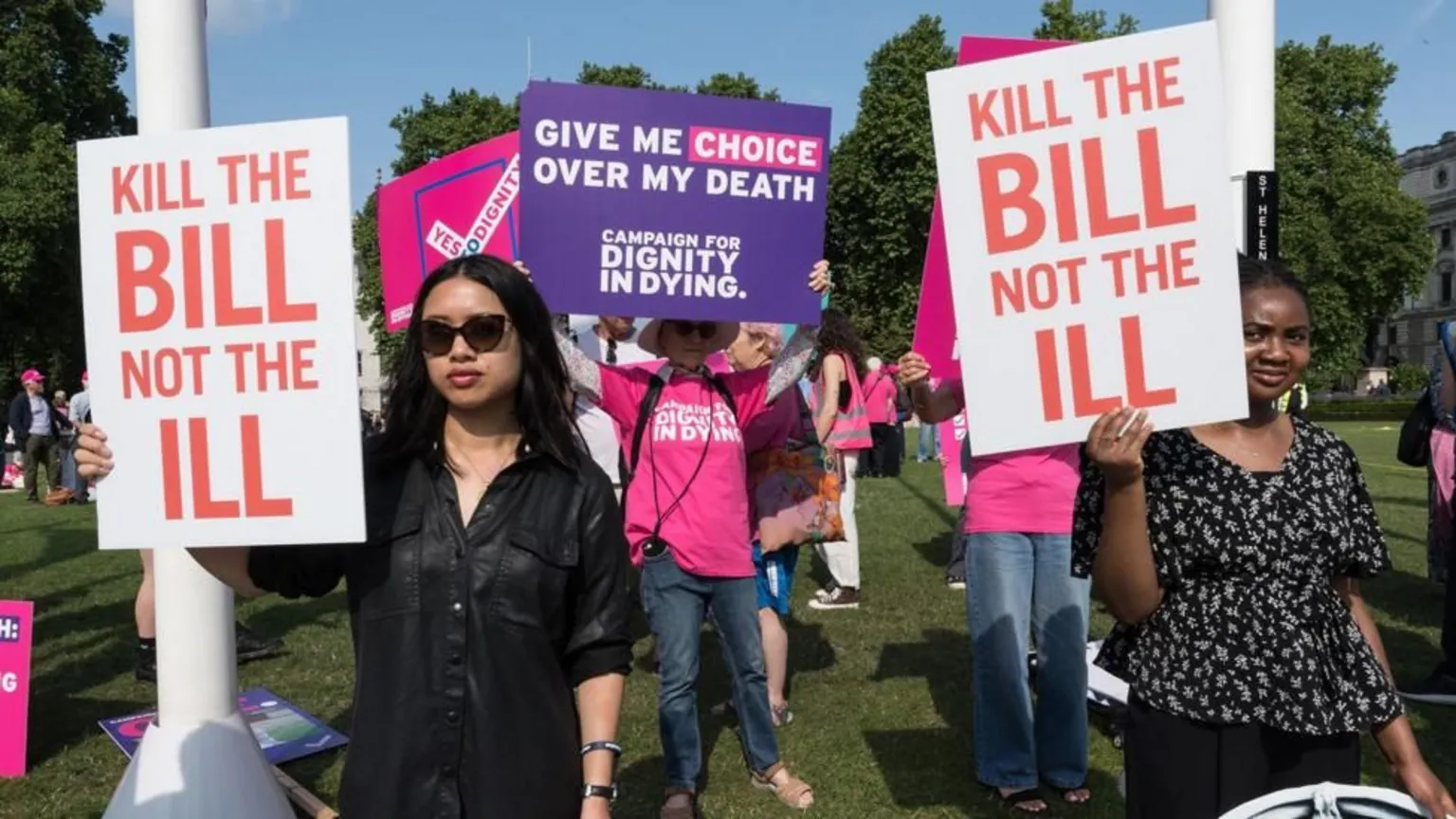
Politicians in Wales are scheduled to vote on Tuesday on whether the country should have the authority to establish assisted dying services through the NHS, contingent on the passage of a landmark law in the UK Parliament.
Assisted dying was previously rejected in principle by the Senedd in October 2024, with nine members abstaining from the vote.
However, if the UK Parliament passes the legislation, assisted dying would become legal in both England and Wales regardless of the Senedd’s decision, as changes to suicide law are not devolved matters.
Shelley, who resides with Noah and his father in Chepstow, described having difficult conversations with her son that no parent should face. Despite Noah being a young adult, she does not want him to have to end his life abroad.
Noah was diagnosed with an inoperable brain tumour during the Covid pandemic and underwent 74 weeks of chemotherapy.
The treatment severely affected him; by age 15, he weighed just 15kg (33lbs), required feeding tubes, and used a wheelchair.
He was expected to undergo an additional 80 weeks of treatment, but his body was unable to tolerate it, according to his mother.
Initially, Shelley rejected discussions about the possibility of Noah traveling abroad for assisted death in the years following his diagnosis.
However, after extensive conversations, research, and witnessing Noah’s suffering firsthand, her stance on assisted dying has evolved.
"I wouldn't want him to suffer the way I know others have suffered, and I sure as hell wouldn't want him to go to a foreign country on his own and do it," she said.
"Have I got a plan? Hopefully, I'll never have to [have one]. But the reality is if Noah was at that point and there was nothing that could be done and there were options out there, then I wouldn't say no.
"That's the honest answer. Would I like to see it [assisted dying] in our own country? Yes."
"I've seen him when it's bad," she added. "There was one time I didn't think he was coming home because he was that bad and the screaming because of the pain he's been in.
"The chemo affected him so bad that his kidneys and liver were struggling, and that's just on treatment."
Shelley explained that as Noah’s illness progresses, his body could begin to shut down, leading to loss of independence and speech.

"That's not dignified," she said.
Noah’s Perspective on Assisted Dying
Noah expressed that the idea of death "terrifies" him, and he remains hopeful about his future. Nonetheless, he supports the option of assisted death for people in his situation, emphasizing the importance of informed choice.
He said when the time comes he wants to be able to "die with dignity".
Despite plans to attend university and pursue acting, Noah acknowledged that his slow-growing brain tumour will ultimately be fatal.
"One day the tumour is going to grow to a point where it's the beginning of the end and if it gets to that point ever, I don't want to go for a slow agonising death where I can't do anything myself," he said.
"I want to be able to have a quick and dignified death. I don't want it hanging over my head for months being scared and terrified."
Noah and his family hope that more politicians will understand their perspective on assisted dying.
The issue remains divisive, with many health and care professionals expressing concerns about the proposed legislation.
Concerns from Health Professionals
Dr Mark Taubert, a palliative care consultant, stated that many clinicians are apprehensive about the bill.
He said, "a lot of clinicians are very nervous about this", adding that regardless of personal views on assisted dying, "a lot of people think this Bill is a car crash waiting to happen".
Dr Taubert criticized the bill for having minimal safeguards and lacking consideration of the current state of the health system.
"There are very little safeguards in the Bill and an understanding of the state of our current health system," he said.
He noted that politicians appear to envision the legislation within the context of an ideal health system.
"The reality I and others see day to day is far removed from perfection," he said.
"This is a health system where we are still providing corridor care and we have a social care system which is often failing patients."
Dr Taubert urged Senedd members to carefully consider where accountability should lie regarding any future assisted dying legislation before deciding on the legislative consent motion.
Upcoming Senedd Vote and Legislative Process
The outcome of Tuesday’s vote remains uncertain. While Plaid Cymru has yet to confirm a party line, most Members of the Senedd (MSs), including those from Labour and the Conservatives, are expected to have a free vote.
Several issues remain unresolved in Westminster. The bill is currently under consideration in the House of Lords, where supporters have raised concerns that the large number of amendments could jeopardize its passage.
The UK Parliament could proceed regardless of the Senedd vote. However, supporters of the legislation have indicated they would remove provisions relating to Wales if MSs vote against it.
If the Senedd refuses to consent to the bill, assisted dying services might still be available in Wales but not through the NHS.
Additional reporting by Jordan Davies.


