Care System in England Described as Fragmented and Confusing
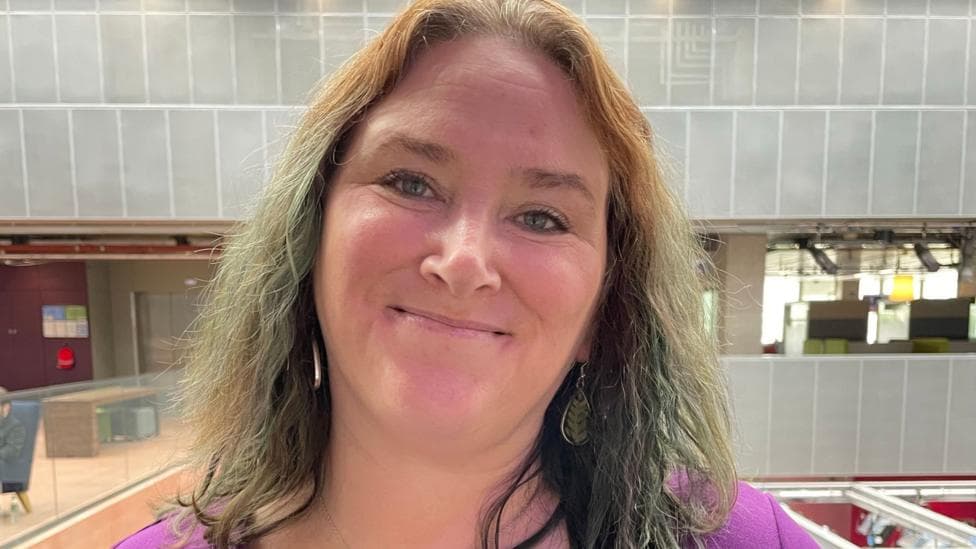
The care system supporting older and disabled individuals in England is currently fragmented and confusing, according to Baroness Louise Casey, who is leading efforts to reform it.
Speaking this afternoon, Casey, chair of the independent commission on adult social care, emphasized the "deep and fundamental divide" between health and social care sectors.
She stated that the UK is approaching a "moment of reckoning" in social care and urged the government to act immediately to address existing shortcomings.
Among her recommendations are the establishment of a national adult safeguarding board, the appointment of a full-time dementia tsar, and the creation of a fast-track passport for individuals diagnosed with motor neurone disease (MND).
Assessment of Social Care Challenges
Providing her initial evaluation since the commission began its work last year, Casey characterized social care in England as "a system which means some needs are barely met at all, and others are met late and in piecemeal and random ways."
She highlighted a national dependence on underpaid care workers and an imbalance of power favoring the NHS over council-run social care, which she said ultimately serves institutions rather than individuals.
"This divide between what is care and what is health does not exist to the public. It is our divide. It is not about what is best for the patient or the person.
Put simply, social care does not start and end with a social worker doing an assessment, or you ending up in a care home," she said.
In her address, Casey cited two NHS hospital trusts that attempted to establish their own care services but found them financially unviable because NHS employees receive higher pay and better conditions than care staff.
"We all know, including councils and the NHS, that we exploit the weakness of the care workforce," she told an audience of health and social care professionals in Windsor.
Care workers frequently earn less than the minimum wage and often are not compensated for travel or holidays.
Experiences and Government Commitments
In a BBC interview, Baroness Casey expressed a desire for the government to continue its fair pay commitment while ensuring that taxpayers' funds are "being spent well, and being spent properly."
She described the experiences of individuals seeking social care in England as "horrendous" and noted that the UK faces "seismic changes" more than 80 years after the landmark Beveridge report, which laid the foundation for the welfare state and NHS.

Casey urged the government to fully implement her interim recommendations and called for a comprehensive review to develop an adult social care system that meets the needs of today's population.
She emphasized that families of those with dementia "bear the brunt" due to limited information and support, while people diagnosed with MND, who have a short life expectancy, still endure multiple assessments and means tests.
"If we can't look after people that get the diagnosis of motor neurone disease, which is one of the most brutal and predictable diseases, using this collective NHS and social care system, who can we look after?" Baroness Casey said.
The Baroness also stated that cross-party support is essential to achieve the fundamental changes needed and called on politicians to cease using the issue as a "political football."
She described the care system as fragile and divided, with prolonged debates over funding responsibilities creating anxiety and confusion for those requiring support.
Commission Progress and Reactions
The independent commission began its work last summer, examining the challenges facing England's care system. It is scheduled to release a report this year outlining a plan to create a National Care Service. A second phase, focusing on long-term social care funding, is expected to report in 2028.
The Association of Directors of Adult Social Services welcomed Baroness Casey's speech, stating it "shines a welcome light on adult social care – an issue that has been missing from our national debate for far too long."
"When adult social care is overlooked nationally, there are real consequences for people and families who rely on support to live their lives with dignity and independence."
The MND Association expressed encouragement that Baroness Casey listened and recommended a fast-track passport to help people with MND access necessary care and support.
"A third of people diagnosed with MND die within 12 months, and too often care and support are delivered far too late. People with a disease as devastating as MND should never have to fight to access the services they need," the charity said.
Liberal Democrat Leader Ed Davey acknowledged Baroness Casey's points about the broken care system but criticized the government for inaction.
"Starmer and Streeting have wasted a whole year with nothing to show for it," he said.
"We can't let 2026 go the same way, while elderly people suffer and hospitals are filled with people waiting for care."