Welsh NHS Faced Near Collapse Amid Pandemic
The Welsh NHS came "close to collapse" during the Covid-19 pandemic, according to the Covid-19 public inquiry, which stated healthcare systems across the UK "coped, but only just".
The inquiry's chair, Baroness Hallett, has recommended increasing capacity in urgent and emergency care in Wales and ensuring hospitals have the ability to implement surge capacity when needed.
The report, which examines the pandemic's impact on NHS services throughout the UK, also highlights "wide variation" in how different regions addressed the treatment backlog.
These findings coincide with the latest waiting times figures for Wales, which showed a record decline but remain 54% higher than pre-pandemic levels.
Inquiry Findings and Recommendations
Baroness Hallett's third report found that the UK entered the pandemic "ill-prepared and with its healthcare systems in a parlous state."
"The healthcare systems coped with the pandemic, but only just.
On a number of occasions, they teetered on the brink of collapse and only coped thanks to the almost superhuman efforts of healthcare workers and all the staff who support them," she said.
"Despite these efforts, some patients did not get the level of care they would usually receive.
"The enormous strain placed upon the healthcare systems was unprecedented."
The report includes 10 key recommendations, notably "increasing capacity in urgent and emergency care and ensuring that hospitals have the ability to implement surge capacity."
Patient Experience: Jenny Hughes-Cooke's Story
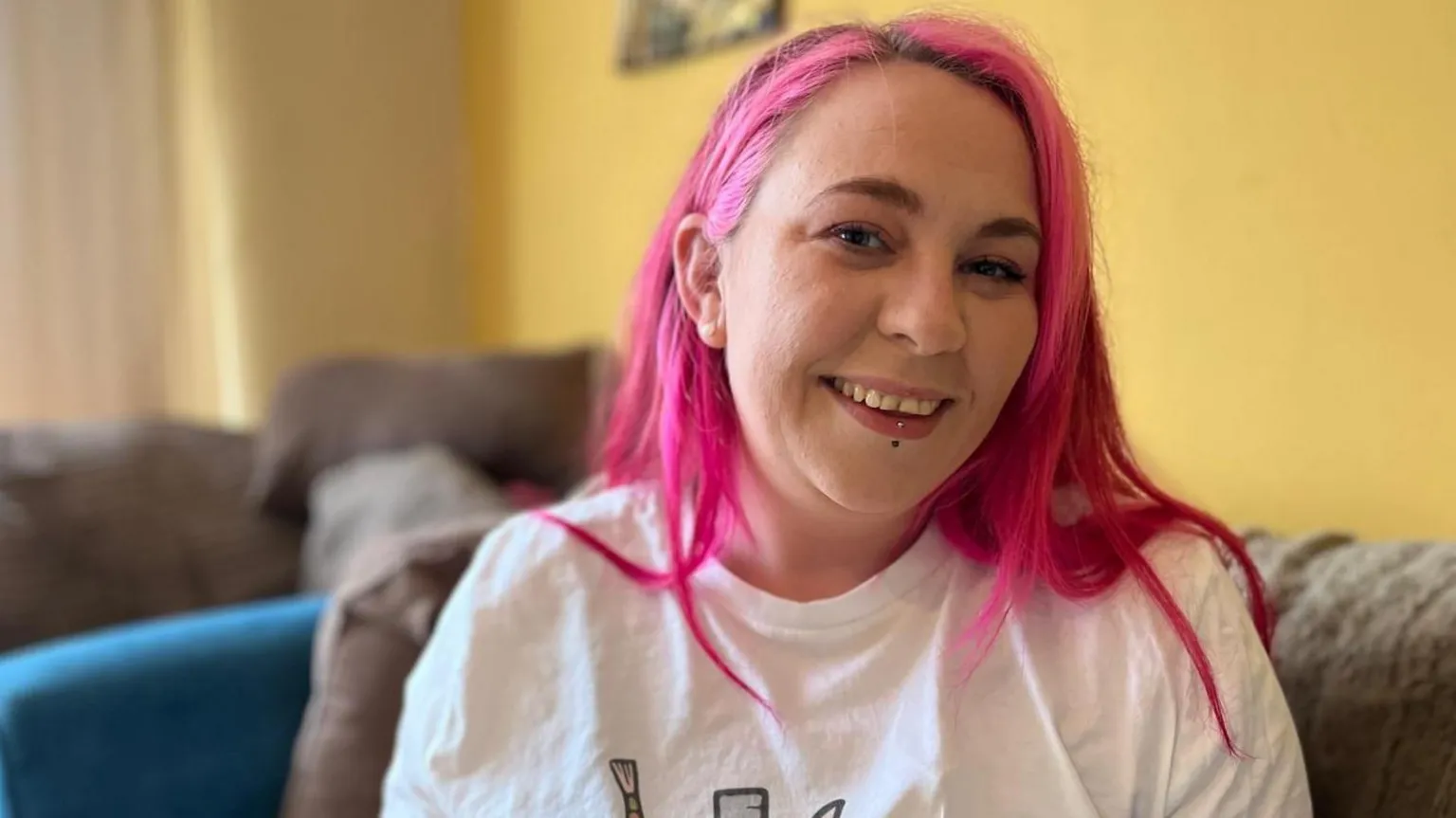
Jenny Hughes-Cooke waited 13 years for exploratory surgery to confirm suspicions of endometriosis. She was approved for surgery in November 2019.
At that time, over 26,000 women were waiting to see a gynaecology specialist in Wales, with an expected wait of six months. However, due to the pandemic, her actual wait extended to 28 months.
"I didn't really consider how the pandemic would have an effect on gynaecology - it's a totally different discipline.
"I expected maybe a bit of a delay, but not to that extent."
Jenny finally underwent surgery in March 2022, but during the wait, her symptoms worsened.

"Every two weeks I was having to deal with a period," she said.
"I was in pain every single day and it was exhausting. I couldn't be there for my son or partner like I wanted to.
"It was really, really difficult to manage being a mum, a partner, having a career and being me at the same time."
The number of women referred to gynaecology in Wales peaked in November 2024 at nearly 53,000, double the figures from when Jenny was first diagnosed. Although referrals have gradually decreased, they remained above 46,289 as of January 2025.
Jenny reported that her pain affected her ability to work, leading her to change jobs multiple times while awaiting surgery.
When she was finally scheduled for surgery, she was instructed to self-isolate for eight weeks beforehand, which strained her relationship with her area manager.
"Two days after my surgery I had a phone call to say they couldn't justify me having any more time off."
Because she was in a probation period for her role, she ultimately had to leave her job.
Jenny required additional surgery in January 2026. She noted that the pandemic's effects persist, with follow-up appointments, scans, and treatment plans all involving joining the end of new waiting lists.
Three years after being referred for pain management, she has yet to begin treatment, a common issue among members of the Endometriosis UK support group she leads in west Wales.
"It's exhausting and I feel as though I'm letting my family down."
Expert Perspective on NHS Pressures
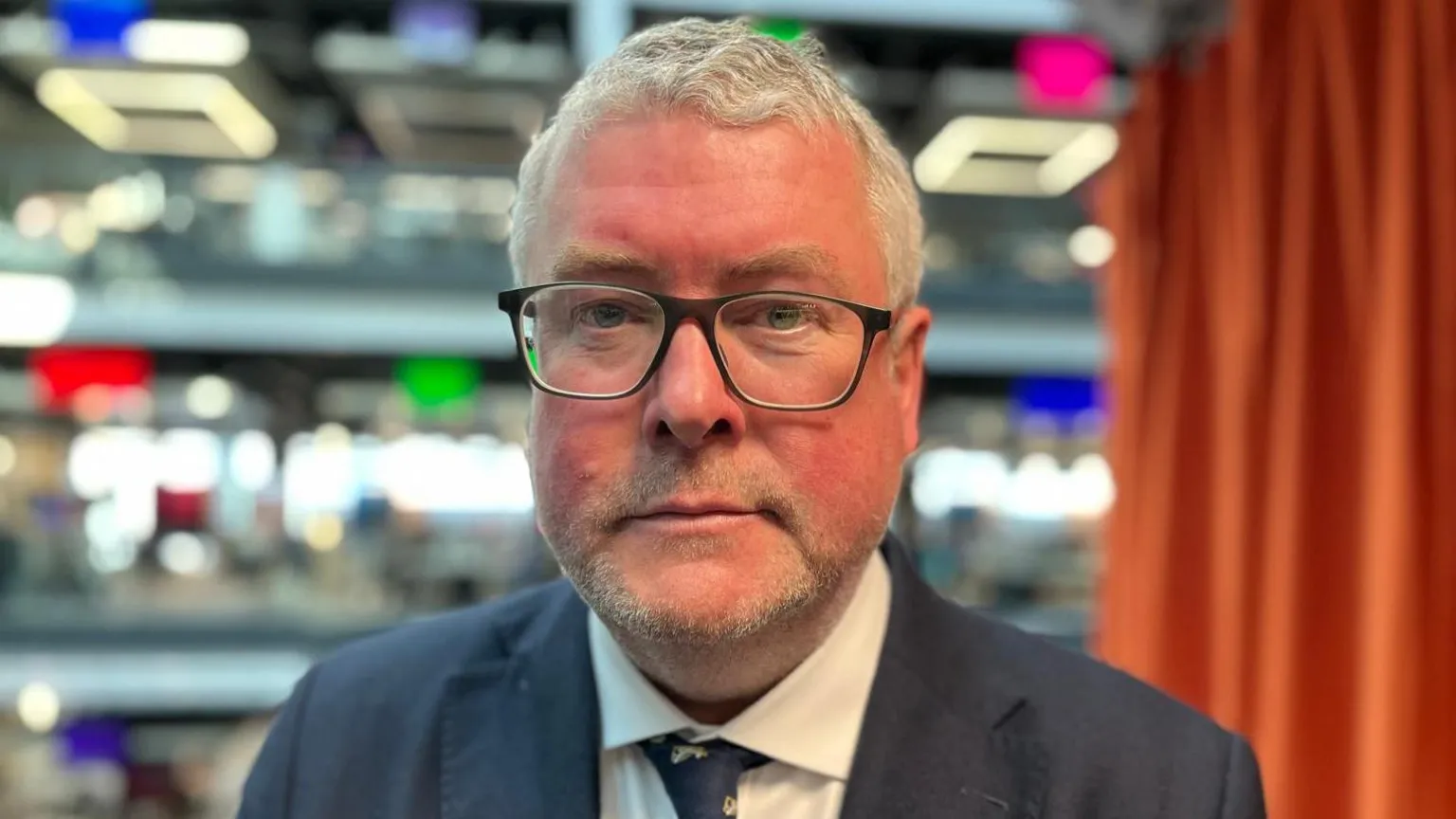
Professor Jon Barry, director in Wales of the Royal College of Surgeons, stated that the healthcare system remains under significant pressure.
"We've got very high numbers of patients waiting at home hoping to be called in for surgery and these patients are in pain," he said.
"They're at the end of their tether, they want things to happen more quickly and unfortunately we're not delivering that at pace at the moment."
While acknowledging the pandemic's "massive influence on the NHS" across the UK, he emphasized that waiting lists were already high prior to the pandemic.
Pre-pandemic data from February 2020 showed 463,402 patient pathways awaiting NHS treatment in Wales. At their peak in autumn 2024, this number exceeded 800,000 but has since declined to 713,048 as of January 2025.
Professor Barry welcomed the downward trend but urged greater ambition.
"My concern is that if we don't act more ambitiously here, the waiting lists are only going to get worse.
"If we don't introduce surgical hubs and look at our surgical workforce - and across the NHS - that waiting list will deteriorate."