Understanding Heat Exhaustion and Heatstroke
During periods of hot weather, the risk of overheating increases, potentially leading to heat exhaustion or heatstroke.
Heat exhaustion is generally not serious if the affected individual can cool down effectively. However, heatstroke is a critical medical emergency that requires immediate intervention.
Certain groups, such as older adults, young children, and individuals with chronic health conditions, are particularly vulnerable to heat-related illnesses.
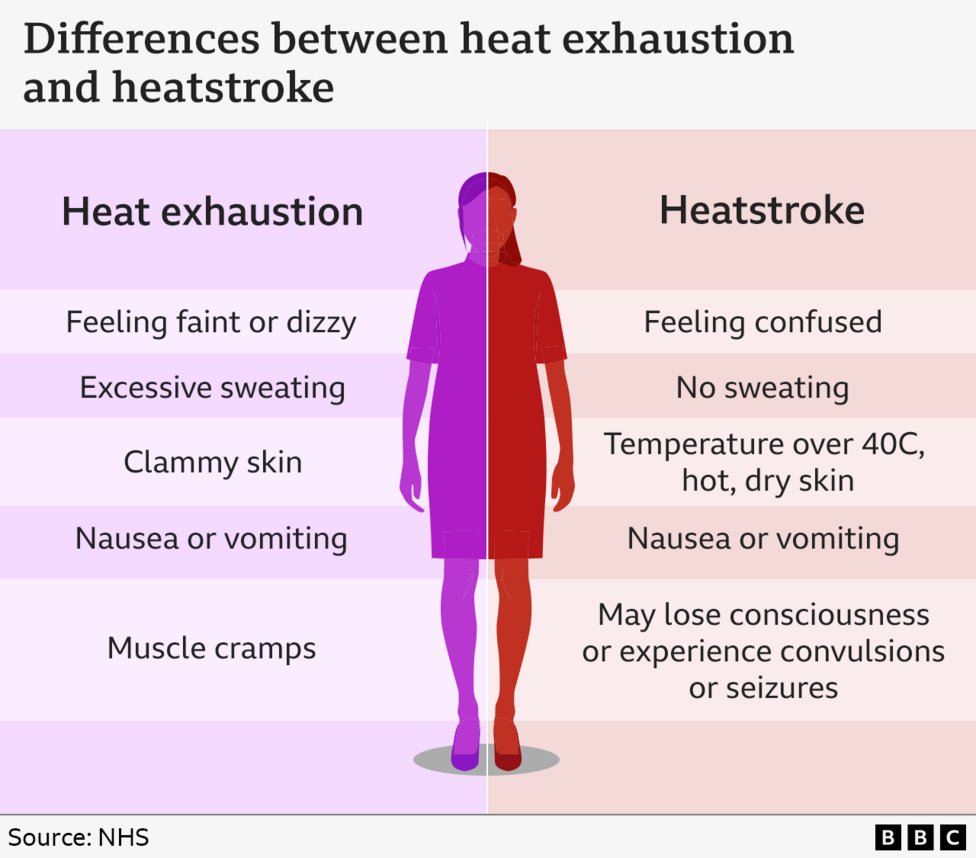
What is the difference between heat exhaustion and heatstroke?
Heat exhaustion occurs when the body becomes excessively hot and struggles to regulate its internal temperature.
Key indicators include heavy sweating and feeling extremely hot and unwell, which signal the body's urgent need to cool down.
Additional symptoms may include:
- Loss of appetite and nausea
- Muscle cramps in the arms, legs, and abdomen
Young children, who may not be able to communicate their symptoms, might appear floppy and sleepy.
Heat exhaustion can affect anyone, including healthy and physically fit individuals, especially after strenuous exercise in high temperatures or prolonged alcohol consumption in the sun.
Its onset can be rapid, occurring within minutes, or gradual over several hours.

Some medications can impair temperature regulation or increase susceptibility to sunburn, dizziness, or dehydration.
Heat exhaustion can progress to heatstroke, a medical emergency characterized by the body's inability to manage heat, leading to dangerously high core temperatures. Immediate medical assistance is necessary.
Signs that require urgent attention include:
- Feeling unwell after 30 minutes of resting in a cool environment and drinking fluids
- Absence of sweating despite feeling overheated
- Rapid breathing or shortness of breath
What does hot weather do to the body?
Exposure to high temperatures challenges the body's ability to maintain a stable internal environment, potentially leading to heat-related illnesses.
What are UV levels and how can you protect yourself?
Ultraviolet (UV) radiation levels indicate the intensity of sun exposure, which can cause skin damage. Protective measures include wearing appropriate clothing, seeking shade, and applying sunscreen.
How much sunscreen do you need to protect your skin?
Applying a sufficient amount of sunscreen evenly over all exposed skin is essential to prevent sunburn and reduce the risk of skin damage.
What should you do if you think someone has heat exhaustion or heatstroke?
If you suspect someone is experiencing heat exhaustion, take the following steps:
- Encourage them to rest in a cool location, such as an air-conditioned room or shaded area.
- Remove unnecessary clothing to expose as much skin as possible.
- Cool their skin using available resources, such as a cool, wet sponge or cloth, spraying water, applying cold packs to the neck and armpits, or wrapping them in a cool, wet sheet.
- Fan their moist skin to facilitate evaporation and cooling.
- Provide water or sports/rehydration drinks to help rehydrate.
Remain with the person until their condition improves. They should begin to feel better within 30 minutes.
If there is no improvement after 30 minutes of rest and cooling, or if you suspect heatstroke, seek emergency medical assistance immediately by calling 999.
How hot is too hot?
From heat laboratories to firefighting helicopter pilots and wineries, the impact of extreme heat on people and environments in the UK is significant and varied.