Overview of the UK Covid Inquiry and Its Findings
The development and deployment of the Covid vaccine throughout the UK was described as an "extraordinary feat" in the latest report from the inquiry examining the pandemic response. The report cited an estimate that the vaccine saved approximately 475,000 lives in England and Scotland, though it noted that efforts to increase vaccine uptake among certain groups could have been improved.
Between March 2020 and May 2023, just under 227,000 people in the UK died from Covid, coinciding with the World Health Organization's declaration that the "global health emergency" had ended.
What is the Covid Public Inquiry?
The Covid-19 inquiry was initiated by former UK Prime Minister Boris Johnson in June 2022, over a year after he had promised that the government's pandemic actions would be scrutinized. This announcement followed pressure from the Covid-19 Bereaved Families for Justice campaign group, which had considered pursuing a judicial review due to perceived delays.
The inquiry examines decision-making by the UK government and the devolved administrations of Scotland, Wales, and Northern Ireland. Its first public hearings commenced in June 2023.
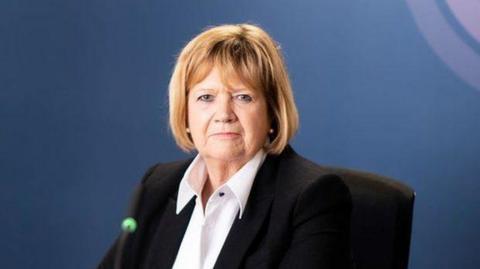
Chair Baroness Hallett said "loss and suffering" would be at the centre of the inquiry's work
Public inquiries are government-established and funded but led by an independent chair. They have the authority to compel witnesses to provide evidence. While inquiries do not assign guilt or innocence, they publish conclusions and recommendations, which the government is not obligated to implement.
The Covid inquiry is chaired by Baroness Hallett, a former judge and crossbench peer who previously led the inquests into the 7 July London bombings.
In December 2025, the BBC reported that the inquiry had cost the government over £100 million to date. This figure is in addition to the £192 million spent directly by the inquiry, resulting in a total taxpayer cost exceeding previous estimates by more than 50%.
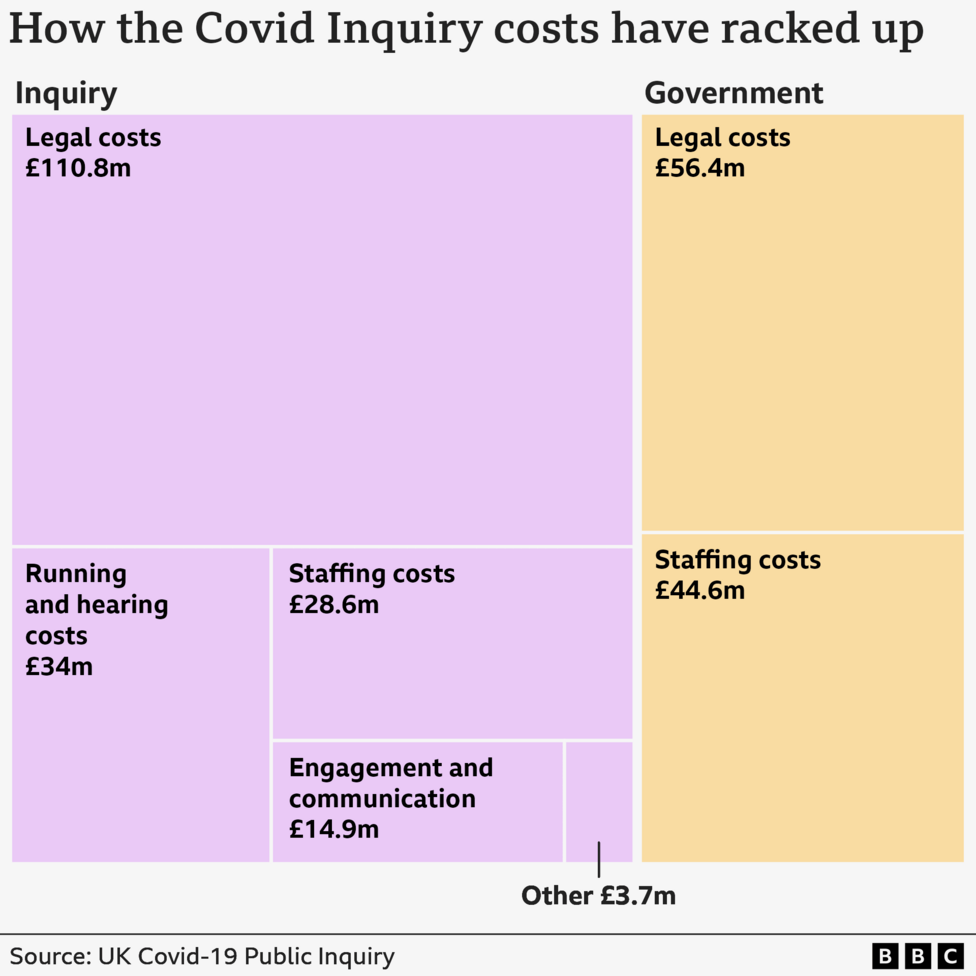
As the public hearings concluded, Baroness Hallett defended the inquiry's duration and expenses, highlighting that the terms of reference set by Johnson were the broadest for any public inquiry to date. Having reviewed over 600,000 documents and heard from more than 350 witnesses, she described completing the hearings in under four years as "an extraordinary achievement."
Findings on the Development and Rollout of Covid Vaccines
The inquiry's report on vaccine development and deployment concluded that the rapid creation and distribution of treatments and vaccines across the UK was overall a "great success." Over 90% of the UK population aged 12 and older received at least one vaccine dose.
However, the report noted that lower vaccine uptake in economically disadvantaged communities and some ethnic minority groups should have been anticipated and addressed more effectively. It identified a lack of trust in government and health systems as a factor contributing to vulnerability to misinformation, emphasizing the need to rebuild public confidence in vaccines.
The inquiry also recommended reforms to the vaccine damage payment scheme, advocating for increased payments and a fairer eligibility process for the small number of individuals adversely affected by vaccination.
Impact of the Pandemic on the NHS
The inquiry's third report focused on the National Health Service (NHS), stating that the collapse of the NHS was narrowly avoided due to the "extraordinary" efforts of healthcare workers. It highlighted that staff faced exceptional risks due to shortages of appropriate personal protective equipment.
The report indicated that both Covid patients and those requiring care for other conditions experienced failures in service, with many deterred from seeking healthcare to reduce NHS pressure. Visiting restrictions resulted in some patients dying without family present, and vulnerable groups—including children in mental health units, maternity patients, and individuals with dementia—were left without adequate support.
Baroness Hallett summarised the report's findings as: "We coped, but only just".
Political Decision-Making During the Pandemic
The inquiry's second report, published in November 2025, examined political decision-making. It suggested that the first lockdown might have been avoided if voluntary measures such as social distancing and isolation had been implemented earlier than 16 March 2020. The report estimated that a one-week delay resulted in 23,000 additional deaths in England during the first wave.

It described a "toxic and chaotic" culture within the UK government during the pandemic response, which negatively impacted the quality of advice and decisions. Over 7,000 documents from the period were released publicly, including WhatsApp messages, emails, private diaries, and confidential files.
Preparedness and Resilience
The inquiry's first report, published in July 2024, addressed resilience and preparedness. Baroness Hallett stated that the UK had been "ill-prepared for dealing with a catastrophic emergency, let alone the coronavirus pandemic."
"Never again can a disease be allowed to lead to so many deaths and so much suffering," she added.
The 217-page report argued that the UK had planned for an incorrect type of pandemic—one that was mild and where virus spread was inevitable—leading to the adoption of the "untested" lockdown policy. It concluded that the UK government and devolved administrations "failed their citizens" and that ministers did not sufficiently challenge scientific advice. The report included recommendations for reforming government emergency planning.
Ongoing Investigations and Future Reports
Although public hearings have concluded, the inquiry continues to investigate other pandemic-related aspects, including the impact on children and young people. A report on procurement is expected in summer 2026, with additional reports on the care sector and test-and-trace anticipated by the end of 2026. Remaining reports are scheduled for publication in the first half of 2027.
Separately, Scotland is conducting its own inquiry into the pandemic.
Witnesses and Evidence
The inquiry's final public hearings were held in March 2026, after gathering evidence from hundreds of witnesses, including current and former politicians, civil servants, government advisers, public health experts, and representatives of bereaved families. Many witnesses were highly critical of Boris Johnson, who served as prime minister throughout the pandemic.
Johnson began his first evidence session in December 2023 by apologizing for the "pain and the loss and the suffering" caused by the pandemic.
Johnson admitted mistakes were made and that "there were unquestionably things we should have done differently," but insisted ministers had done their "level best" under difficult circumstances.
Former Chancellor Rishi Sunak also appeared before the inquiry, apologizing to "all those who suffered... as a result of the actions that were taken." He denied that his "Eat Out to Help Out" scheme contributed to increased infections and deaths.
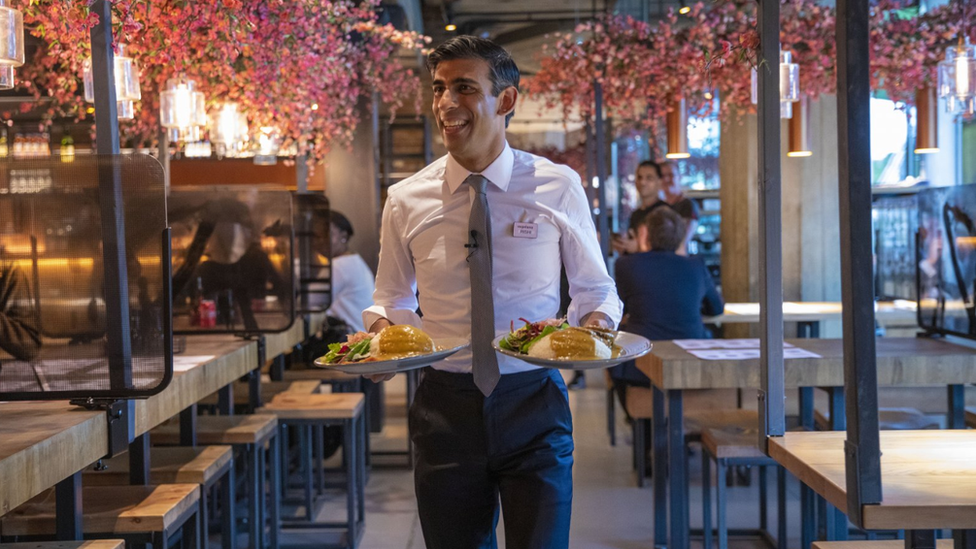
The government's chief medical officer, Professor Sir Chris Whitty, and former chief scientific adviser Sir Patrick Vallance stated they were not consulted about the scheme. Sir Patrick, Sir Chris, and former deputy Professor Sir Jonathan Van-Tam reported receiving significant public abuse while fulfilling their roles.
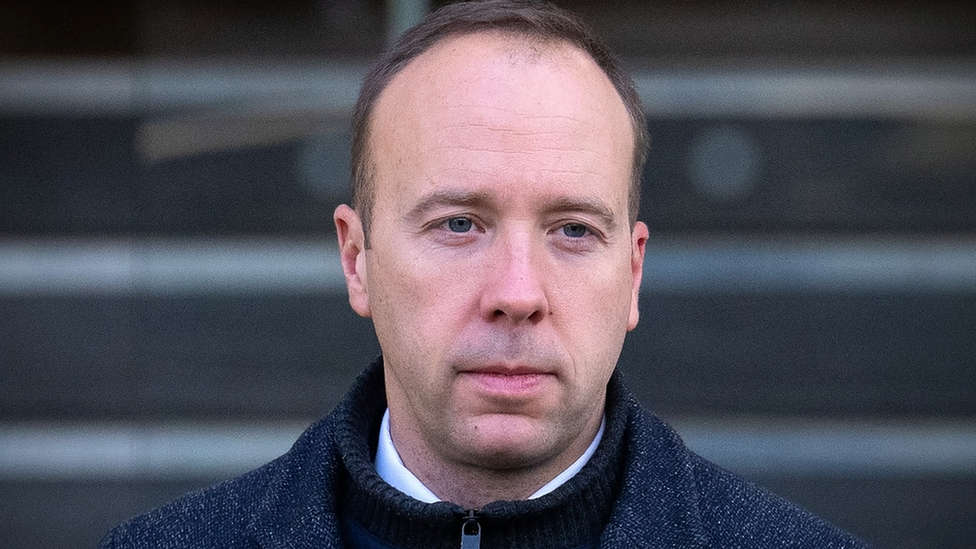
Several witnesses accused former Health Secretary Matt Hancock of dishonesty during his tenure, allegations he denied.
Former Health Secretary Matt Hancock has given evidence multiple times. He stated that the UK's pandemic strategy was fundamentally flawed and acknowledged that lockdown should have been implemented earlier. Hancock criticized the "toxic culture" within government, attributing it to Dominic Cummings, Johnson's former adviser.
Dominic Cummings described the government as "dysfunctional" and was highly critical of Johnson's leadership. The inquiry reviewed numerous text messages he sent, many containing offensive remarks about ministers and officials. Cummings expressed regret over his controversial trip to Barnard Castle during the first lockdown but denied that it damaged public trust.
The inquiry also heard from political leaders from Scotland, Wales, and Northern Ireland, including former Scottish First Ministers Nicola Sturgeon and Humza Yousaf, former Welsh First Minister Mark Drakeford, current Northern Irish First Minister Michelle O'Neill, and former First Minister Baroness Foster.
Public Participation in the Inquiry
Groups representing bereaved families emphasized the importance of their voices being heard during the inquiry. The inquiry's "Every Story Matters" project collected over 47,000 personal accounts of Covid before closing submissions in May 2025. The final report from this project was published in March 2026.
Members of the public were able to apply to attend public hearings in person. The hearings were also streamed live on the inquiry's YouTube channel, and witness transcripts were made available on the inquiry's website.