

Rising Incidence of Bowel Cancer in Young People
Eleven types of cancer, including bowel cancer, are increasingly diagnosed among young individuals in England, according to a significant study. The precise reasons for this trend remain unclear.
While increasing obesity rates are considered a contributing factor, researchers continue to explore other potential causes.
What Are the Main Bowel Cancer Symptoms?
There are three primary symptoms to monitor:
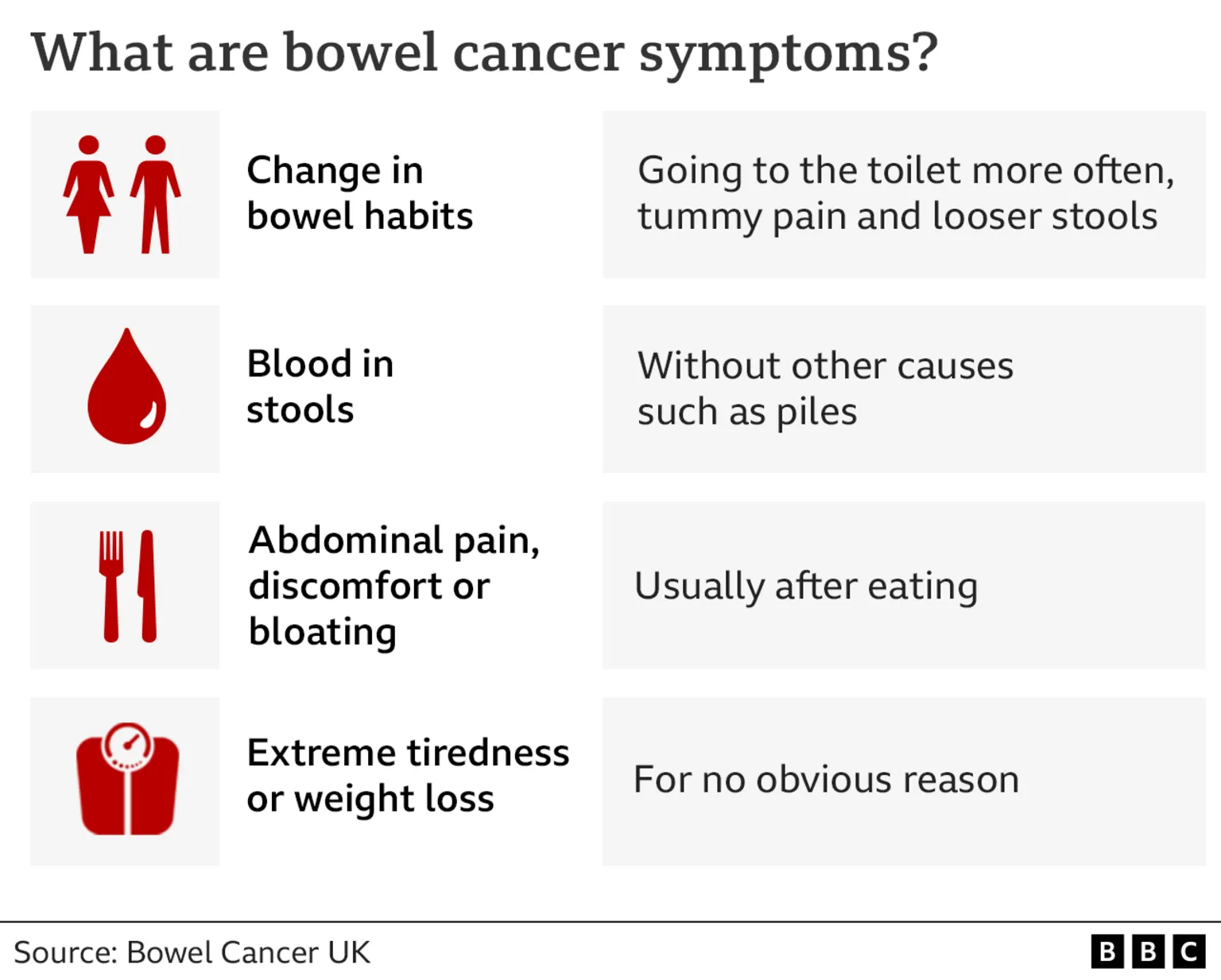
- Changes in bowel habits
- Blood in the stool or bleeding from the bottom
- Persistent abdominal pain or discomfort
Additional symptoms may include extreme tiredness or unexplained weight loss.
Having these symptoms does not necessarily indicate bowel cancer. However, the NHS advises consulting a GP if symptoms persist for three weeks or longer, or if something feels unusual.
In some cases, bowel cancer can cause an obstruction preventing waste from passing, leading to severe abdominal pain, constipation, and vomiting. Immediate medical attention at a GP surgery or Accident & Emergency department is recommended under such circumstances.
How Do I Check My Stool?
It is important to observe any blood in your stool or bleeding during bowel movements.
Bright red blood may result from swollen blood vessels (piles) in the anal area but can also be a sign of bowel cancer.
Dark red or black blood in the stool may originate from the bowel or stomach and warrants concern.
Changes in bowel habits, such as looser stools, increased frequency, or a sensation of incomplete evacuation, should also be noted.
Bowel Cancer UK recommends maintaining a symptom diary to discuss with your GP.
Doctors frequently encounter patients with various bowel issues, so there is no need to feel embarrassed.

What Causes Bowel Cancer?
The exact causes of bowel cancer are not fully understood, but certain factors increase risk:
- Excess body weight is believed to contribute to the rise in bowel cancer among adults in their 20s to 40s.
- Despite reductions in smoking and improvements in diet and exercise, other causes remain under investigation.
- Most bowel cancers are not hereditary, but informing your GP about close relatives diagnosed before age 50 is important.
- Genetic conditions such as Lynch syndrome significantly increase bowel cancer risk. Medical professionals can assist in managing this risk and ensuring earlier diagnosis, which improves treatment outcomes.
How Can I Reduce My Risk of Bowel Cancer?
Scientists estimate that over half of bowel cancer cases could be prevented through healthier lifestyle choices.
Individuals are encouraged to consult their GP if they experience concerning symptoms and to participate in cancer screening programs when invited.

Who Can Be Tested for Bowel Cancer?
The NHS bowel cancer screening program aims to identify cancer at an early stage, enhancing treatment success and survival rates.
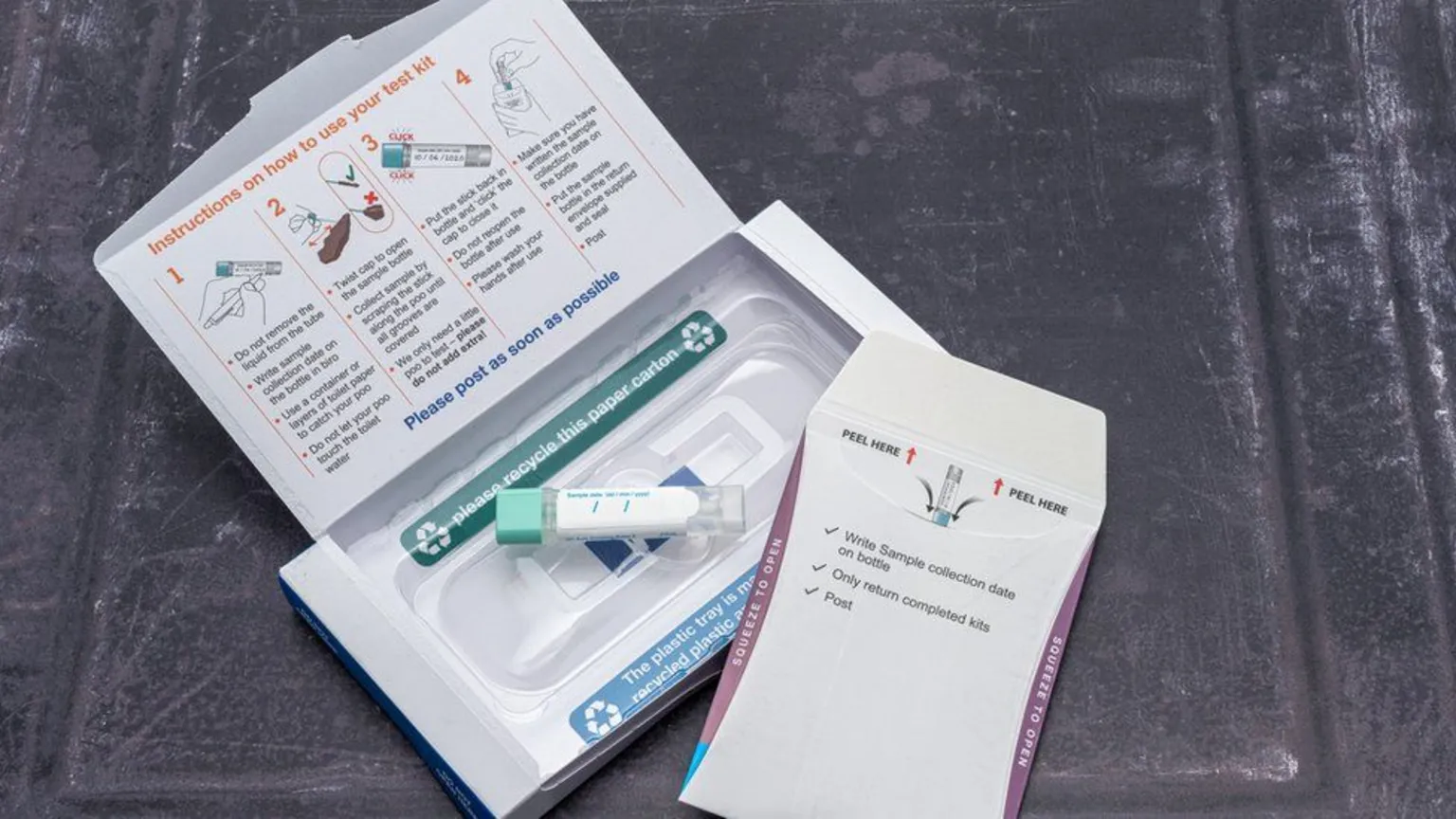
Screening is offered only to age groups most likely to benefit and is not completely accurate. Participants receive home testing kits and are advised if further examination is necessary.
In England, Scotland, and Wales, screening begins at age 50, while in Northern Ireland, it starts at age 60.
Participants receive a home test kit to collect a stool sample, which is then sent for analysis.
Following analysis, individuals are either cleared or contacted by local hospitals for additional tests, such as a colonoscopy, which uses a camera on a flexible tube to inspect the entire bowel, or a flexible sigmoidoscopy, which examines part of the bowel.
People under the screening age with symptoms should consult their GP rather than purchasing self-test kits, as results can be misleading.
How Is Bowel Cancer Treated?
Treatment is becoming increasingly personalized, with advances in genetic testing allowing care to be tailored to each patient's cancer characteristics.
This evolving approach has the potential to extend survival for patients.
Regardless of the cancer stage at diagnosis, patients will receive information about available treatments, which may include surgery, chemotherapy, radiotherapy, or combinations thereof.
Bowel Cancer UK provides guidance on questions to ask during specialist consultations.
Is Bowel Cancer Curable?
Bowel cancer is curable, particularly when detected early.
More than 90% of individuals diagnosed at the earliest stage survive for five years or longer, compared with 44% diagnosed at the latest stage.
Survival rates in the UK have more than doubled over the past 40 years, according to Cancer Research UK. Currently, over half of patients survive for ten years or more, compared to one in five in the 1970s.
Survival rates are highest among individuals aged 15 to 40, as cancer tends to be more common and severe in older populations.
However, overall survival rates in the UK remain lower than those in other European countries.


