

From 1960s Fear to 2020s Acceptance
On 13 May 1966, a US Senate subcommittee interrogated Dr Timothy Leary, a former Harvard clinical psychologist, widely regarded at the time as a controversial figure, about the dangers of psychedelics. Senator Ted Kennedy, a member of America's unofficial first family, led the questioning. Reflecting the widespread moral panic about psychedelics within the US establishment, Kennedy asked:
This is a dangerous drug – is that right?
Leary responded:
No, sir. LSD is not a dangerous drug.
Despite Leary's assertion, Kennedy remained unconvinced. To the politicians present, psychedelics symbolized the hippy movement, anti-war protests, and societal breakdown.
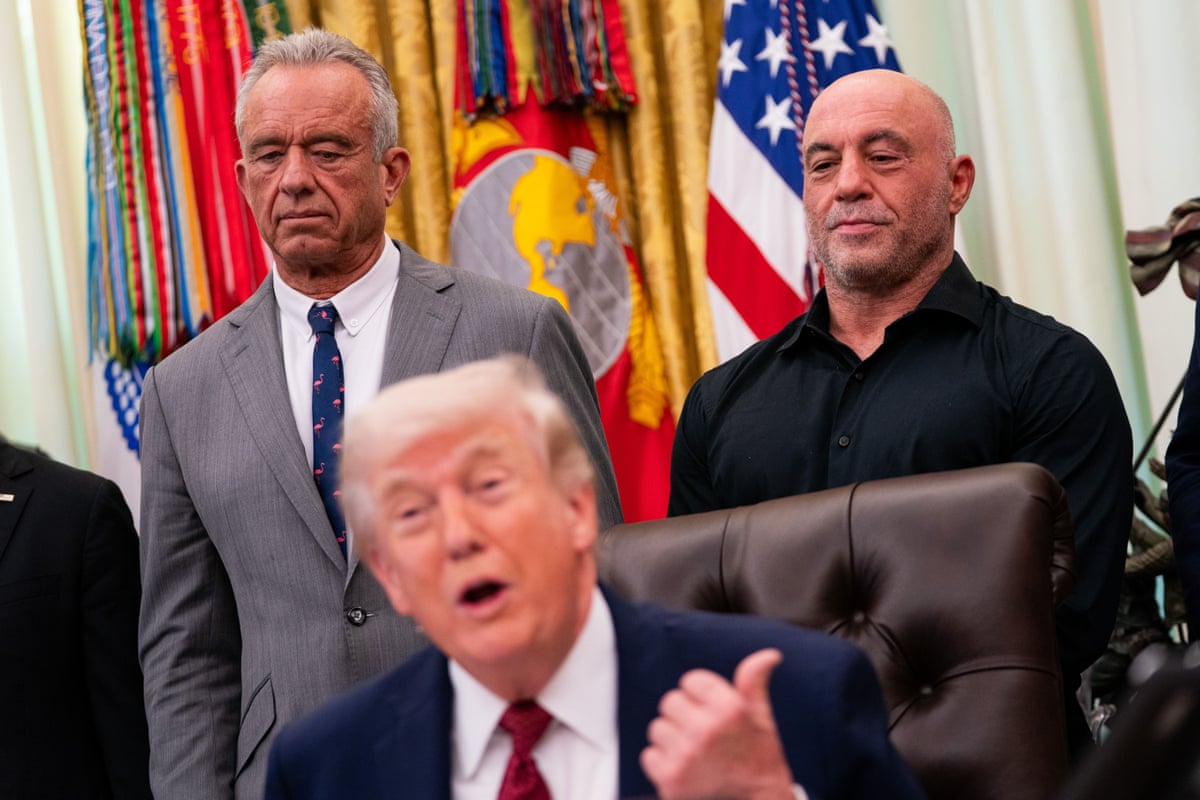
Nearly 60 years later, on 18 April 2026, Ted Kennedy's nephew, Robert F Kennedy Jr, stood alongside then-President Donald Trump as he signed a new presidential executive order promoting medical treatments based on psychedelic drugs. The order particularly emphasized ibogaine, a psychoactive compound derived from a West African shrub, which scientific studies suggest may effectively treat chronic mental health conditions. Kennedy Jr has emerged as a leading advocate for psychedelics within the MAGA coalition, joined by figures such as podcaster Joe Rogan, who was present with him in the Oval Office during the signing. Kennedy Jr later revealed that he had encouraged the president to sign the executive order via text message.
The Shift in Psychedelic Perception
This executive order did not arise spontaneously but reflects a significant shift in the perception of psychedelics over recent decades. Once caricatured as symbols of countercultural excess, psychedelics have been rebranded through clinical research as potentially transformative treatments for mental health conditions such as depression, post-traumatic stress disorder (PTSD), and suicidal ideation. This evolving view has attracted unexpected supporters. In 2023, Rick Perry, the former ultra-conservative governor of Texas, argued that conservatives are more open to psychedelic legalization than Democrats. Psychedelics, historically associated with anti-war leftists, have become a healthcare innovation endorsed by a hawkish right-wing president.
Factors Behind the Change
What has changed since the 1960s, when psychedelics were feared by the American right? First, scientific research into their therapeutic potential has led even traditionally conservative communities, such as veterans, to support calls for reforming psychedelic laws. Veterans have spent years advocating for psychedelics to address PTSD, and recently some police officers have also begun to call for similar reforms within their profession. However, perhaps the most significant shift is the recognition of the financial opportunities involved.
Market analysts predict that the value of the psychedelic mushroom market will exceed $3.3 billion by 2031, driven by drug law reforms in various jurisdictions. These legal changes may be only the beginning. With diagnoses of PTSD and depression increasing rapidly—resulting in a growing number of people living with mental health disorders—innovative treatments could become as lucrative as other major healthcare breakthroughs. Christian Angermayer, a German biotech investor, has stated that investors are pouring money into companies developing psychedelic medicines because:

We have the solution for the biggest problem in healthcare.
Investment and Silicon Valley Influence
Much of the investment in psychedelics is coming from the tech sector. In 2020, a biotech startup focused on psychedelic mental health treatments raised $125 million in funding. In 2024, Google co-founder Larry Page invested in a company developing ibogaine as a treatment for traumatic brain injury. Behind the psychedelic renaissance are many familiar names from the tech oligarchy that has dominated the global economy in the 21st century.
Silicon Valley's enthusiasm for psychedelics is unsurprising. Following the 1960s, California computer scientists continued to view psychedelic experimentation and technological innovation as interconnected frontiers. It has become almost a cliché for prominent tech figures to credit psychedelics as sources of inspiration. Apple's Steve Jobs, Microsoft's Bill Gates, and OpenAI's Sam Altman have all publicly discussed their own psychedelic use, helping to normalize what was once a fringe activity.
The Political Alliance and Future Prospects
This worldview has found an unexpected home in a Republican administration that is, against expectations, transforming America's approach to drug policy. When signing the executive order, Trump quipped about ibogaine:
It’s a very powerful drug.
This moment likely surprised traditional Republicans. Drug policy reform now enjoys support from both Democrats and MAGA Republicans, with psychedelic therapy advancing most rapidly at the state level in blue states such as Colorado and Oregon. However, it is the alliance between Trump 2.0 and Silicon Valley that is driving the acceleration of psychedelic acceptance and commercialization today.
Leary famously believed psychedelics would help people to:
Turn on, tune in and drop out
of conventional society. This ethos contrasts with the current context, where psychedelics are discussed at forums like Davos on panels about healthcare innovation. The energy behind these drugs has shifted from beatniks to biohackers, from flower power to finance capital. This transformation may mean more people gain access to life-changing medicine, but it also suggests that in Trump's second term, the future of mental health treatment may remain controlled by a select few.
About the Author
Kojo Koram is a professor of law and political economy at Loughborough University. His new book, The Next Fix: Winners and Losers in the Future of Drugs, is scheduled for release on 4 June.


