Overview of Weight-Loss Drug Usage in the UK
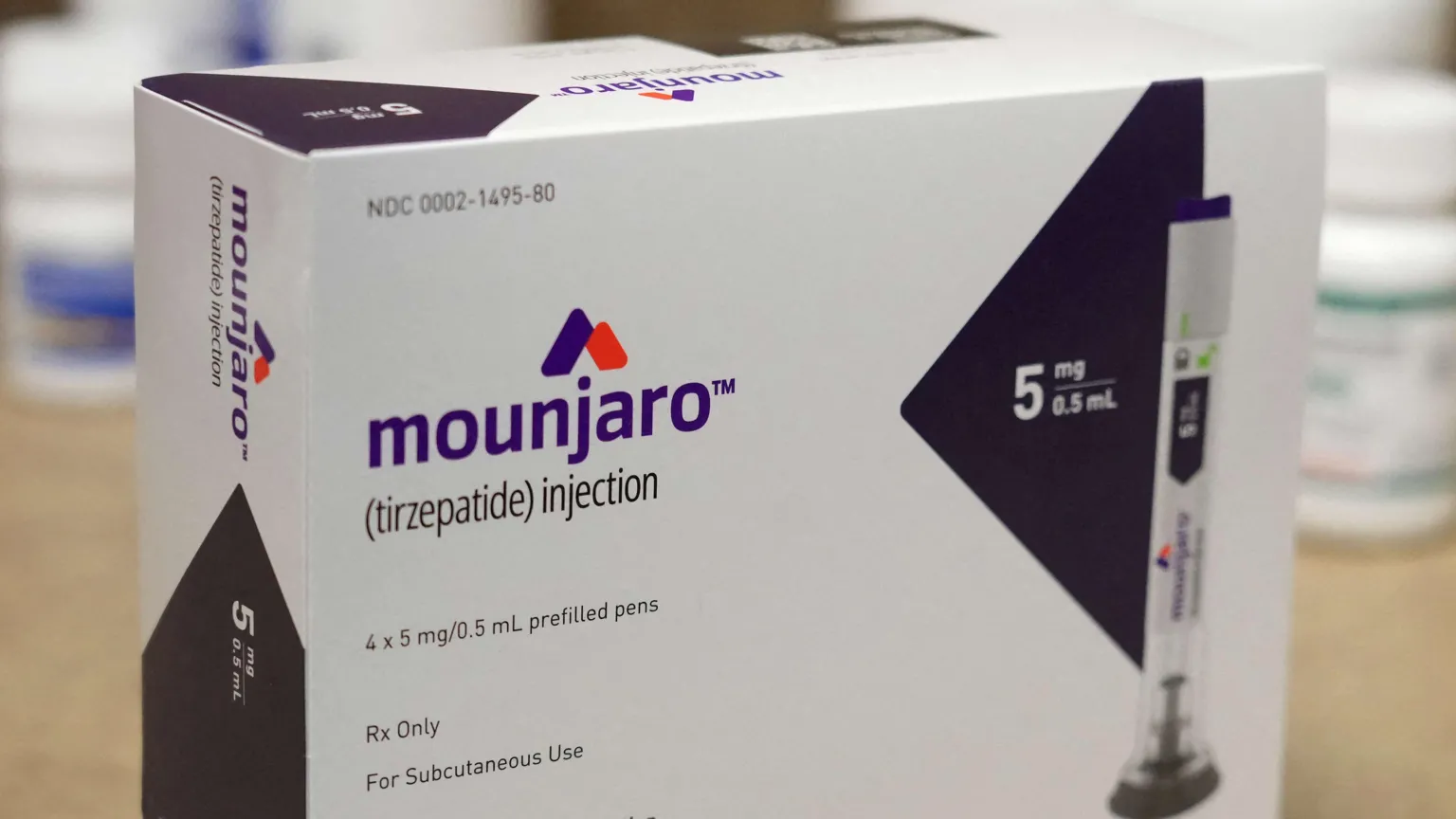
It is estimated that approximately 1.6 million people in the UK are currently using weight-loss drugs. While some patients receive these injections through the NHS, the majority obtain them privately. The most commonly used injectable medications are Mounjaro and Wegovy.
These injections have demonstrated high effectiveness; however, experts caution users about the potential for weight regain after discontinuing the drugs.

How Do Wegovy and Mounjaro Work?
Various weight-loss medications are available, administered either as injectable pens or capsules. Those prescribed by the NHS are typically given as weekly injections via pre-filled pens, which patients can self-administer into the upper arm, thigh, or stomach.
These drugs function as appetite suppressants by mimicking a hormone called glucagon-like peptide-1 (GLP-1), which induces feelings of fullness. Additionally, Mounjaro influences metabolism and assists in regulating energy balance.
The effectiveness of these injections can vary among individuals, with emerging research suggesting factors such as genetics may play a role. Treatment usually begins with a low dose that is gradually increased to a maintenance level.
The NHS recommends these injections for individuals who are overweight with obesity-related health risks, rather than for those seeking minor weight loss. They are prescribed alongside programs promoting healthier eating and increased physical activity.

Weight Loss Outcomes with These Drugs
Typically, patients start to experience weight loss within a few weeks of beginning treatment.
The first direct comparison trial between Mounjaro and Wegovy indicated that Mounjaro was more effective. After 72 weeks of treatment, Mounjaro users achieved an average weight reduction of 20%, compared to 14% for those on Wegovy.
This trial, funded by Eli Lilly, the manufacturer of Mounjaro, involved 750 obese participants with an average weight of 113 kg (nearly 18 stone).
Weight Regain After Stopping Treatment
Research published in the British Medical Journal in January 2026 reported that individuals often regain most of the weight lost once they stop taking these drugs, as normal food cravings return.
The study found that those discontinuing weight-loss injections regained weight approximately four times faster than individuals who ceased conventional dieting and exercise programs.
The NHS has been urged to provide ongoing check-ups, support, and guidance to help mitigate this issue.
Separately, a study published in Nature Medicine in May 2026, also funded by Eli Lilly, found that patients who took a daily tablet called orforglipron for one year avoided regaining much of their lost weight. This medication is already available in the US and may soon be launched in the UK.
However, further research is necessary to determine the duration of treatment required, which may potentially be lifelong.
NHS Eligibility for Weight-Loss Drugs
Wegovy is currently accessible on the NHS in England, Wales, and Scotland.
Eligibility criteria include adults with a body mass index (BMI) of at least 35 who have at least one pre-existing weight-related health condition, such as high blood pressure. Additionally, overweight individuals with cardiovascular disease may qualify.

Patients must adhere to diet and physical activity programs, and the drug is prescribed for a maximum duration of two years.
Mounjaro has been available through specialist NHS weight-loss clinics in England and Wales since March 2025, with limited availability in Scotland.
From June 2025, some general practitioners in England began offering Mounjaro to NHS patients meeting strict criteria. Since April 2026, GPs in England have been incentivised to prescribe Mounjaro to expand patient access.
Patients prescribed these drugs receive regular check-ups, exercise support, and dietary advice.
It is estimated that approximately 3.4 million people could eventually qualify for Mounjaro treatment. However, the National Institute for Health and Care Excellence (NICE), which evaluates NHS drug use, has warned that full access rollout may take over a decade.
Private Costs of Wegovy and Mounjaro
Both Wegovy and Mounjaro are available for private purchase in supermarkets, pharmacies, and high-street clinics. It is estimated that nine out of ten users pay privately for these medications.
The cost of pre-filled pens ranges from £100 to £300, depending on the dosage.
Purchasing these drugs from unregulated sources is discouraged.
Since February 2025, online pharmacies have implemented stricter verification processes to prevent individuals who are already at a healthy weight or have a history of eating disorders from obtaining weight-loss injections. This includes verifying BMI through questionnaires and photo submissions.
Side Effects of Weight-Loss Injections
Common side effects include nausea, vomiting, bloating, constipation, and diarrhoea. Genetics may influence the severity of these effects.
For many patients, side effects are manageable and tend to diminish over time, though some discontinue use due to adverse reactions.
Experts caution that complications may worsen if these drugs are misused, such as using them as a quick fix for minor weight loss.
Rare but serious side effects can include gallbladder and kidney issues, as well as depression. There have also been hundreds of reports of pancreatic problems, although none have been definitively linked to the medications.
Warnings Regarding Weight-Loss Drugs and Pregnancy
The UK's medicines regulator, the Medicines and Healthcare products Regulatory Agency (MHRA), has advised women against using these drugs during pregnancy due to insufficient data on potential effects on unborn children.
Additionally, these medications can interfere with the absorption of contraceptive pills.
The MHRA recommends that women using these injections consider additional or alternative contraceptive methods.
Understanding Obesity and Healthy BMI
Obesity is defined as having excess body fat. In the UK, approximately one in four adults is classified as obese.
Body mass index (BMI) is the standard metric used to categorize weight status. For most adults, BMI categories are:
The NHS advises that individuals of Asian, Chinese, Middle Eastern, Black African, or African-Caribbean descent use lower BMI thresholds.
While BMI has limitations—it measures weight rather than fat, so muscular individuals may have a high BMI—it remains a useful indicator of healthy weight for most people.